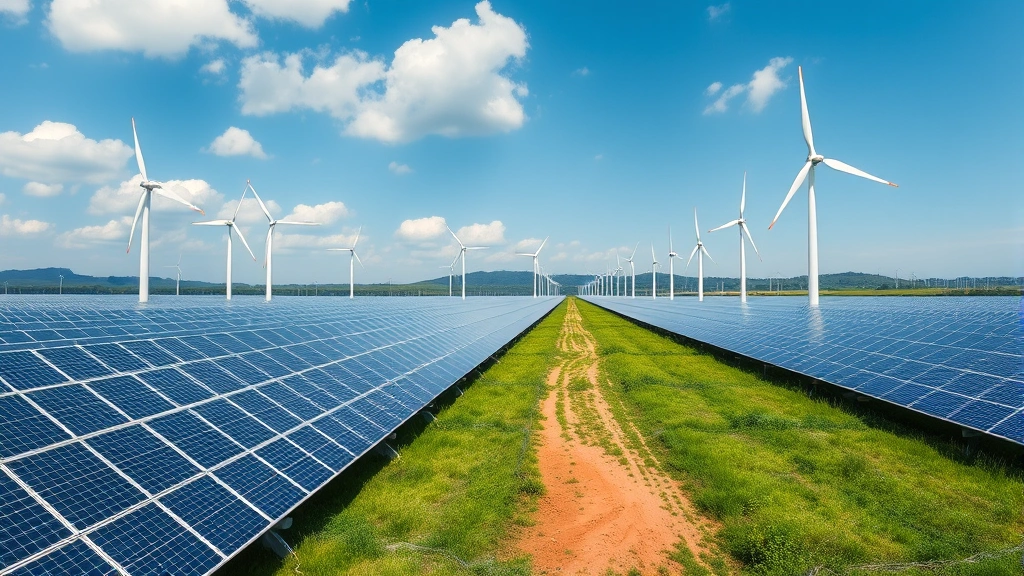
Can Green Bonds Save Ecosystems? Economist Insights
Green bonds have emerged as one of the most promising financial instruments for bridging the gap between capital markets and environmental conservation. Since their inception in 2007, green bonds have grown from a niche financial product into a multi-trillion-dollar asset class, attracting institutional investors, sovereign wealth funds, and asset managers seeking to align their portfolios with sustainability goals. Yet a critical question remains: can these financial instruments genuinely drive meaningful ecosystem restoration and climate mitigation, or do they merely represent greenwashing on a massive scale?
The intersection of finance and ecology presents a complex paradox. On one hand, green bonds mobilize unprecedented capital for renewable energy, ecosystem restoration, and climate adaptation projects. On the other hand, definitional ambiguities, weak verification standards, and market-driven incentives raise concerns about their actual environmental impact. This analysis examines the empirical evidence, economic mechanisms, and systemic limitations of green bonds through the lens of ecological economics, offering insights into their genuine potential and inherent constraints.

What Are Green Bonds and How Do They Work?
Green bonds are fixed-income securities issued by governments, corporations, or development institutions to fund projects with positive environmental outcomes. The fundamental mechanism operates similarly to conventional bonds: investors purchase debt instruments promising regular coupon payments and principal repayment at maturity. The distinguishing feature lies in the allocation of proceeds—funds raised must support projects meeting predefined environmental criteria, typically including renewable energy infrastructure, energy efficiency improvements, clean transportation, pollution prevention, and biodiversity conservation.
The global green bond market reached approximately $500 billion in issuance during 2021, with cumulative issuance exceeding $1.5 trillion by 2023. This explosive growth reflects both genuine investor demand for sustainability-aligned investments and regulatory momentum, particularly following the Paris Climate Agreement. The market encompasses diverse instrument types: municipal green bonds financing urban infrastructure, corporate bonds supporting renewable energy transitions, and sovereign green bonds representing government commitments to environmental spending.
Understanding green bonds requires acknowledging their role within environment and society dynamics. These instruments represent an attempt to internalize environmental externalities through market mechanisms, directing capital flows toward activities that reduce negative ecological impacts. However, the effectiveness of this approach depends critically on accurate project classification, genuine additionality, and measurable environmental outcomes.

The Economics of Green Bond Financing
From an economic perspective, green bonds function as a pricing mechanism for environmental goods and services. By creating dedicated capital streams for ecological projects, they establish market signals indicating investor recognition of environmental value. This represents a significant departure from traditional finance, which systematically underprices ecosystem services and environmental risk mitigation.
The pricing dynamics of green bonds reveal nuanced market behavior. Research from the World Bank indicates that green bonds typically trade at price premiums or equivalent yields compared to conventional bonds with similar credit profiles. This “greenium”—the yield differential between green and conventional bonds—suggests investor willingness to accept slightly lower returns for environmental impact alignment. Empirical analysis indicates greenium ranges from 1-5 basis points, though this varies considerably across markets and issuer types.
The cost-of-capital reduction enabled by green bonds creates genuine economic incentives for environmental projects. When renewable energy developers can finance installations at lower rates than conventional energy projects, project economics fundamentally shift. A solar farm financed through green bonds at 4.5% versus conventional debt at 5.2% experiences substantial operational cost reductions, improving long-term viability and returns on environmental investment.
However, ecological economics theory suggests important limitations. The Genuine Progress Indicator (GPI) framework, which adjusts GDP for environmental degradation and resource depletion, reveals that financial mechanisms alone cannot resolve fundamental tensions between economic growth and ecosystem health. Green bonds redirect capital toward less harmful activities but may not address systemic overconsumption or growth-dependent economic structures. The capital mobilization effect proves most powerful when combined with complementary policies: carbon pricing, regulatory standards, and ecosystem-based management frameworks.
Ecosystem Impact: Evidence and Limitations
Quantifying the actual ecosystem impact of green bonds presents methodological challenges. Direct measurement requires establishing counterfactual scenarios—determining what would have occurred absent green bond financing—and isolating green bond contributions from other policy interventions. Despite these difficulties, emerging evidence suggests meaningful but constrained environmental benefits.
Renewable energy projects financed through green bonds have demonstrably reduced carbon emissions. A synthesis of project-level data indicates that green bonds supporting wind and solar installations have displaced approximately 200-300 million metric tons of CO2 equivalent since 2015. This represents significant climate mitigation, though it constitutes only 0.5-0.7% of annual global emissions. The trajectory suggests green bonds can accelerate renewable energy deployment but cannot independently achieve decarbonization targets without complementary systemic transformation.
Ecosystem restoration projects funded through green bonds show more variable outcomes. Wetland restoration, reforestation, and biodiversity conservation initiatives demonstrate measurable ecological improvements: habitat expansion, species population recovery, and hydrological function restoration. Yet these projects often represent marginal additions to existing conservation efforts rather than fundamental shifts in land-use patterns. The impact of humans on ecosystems remains predominantly negative despite green bond financing because agricultural expansion, urbanization, and resource extraction continue accelerating.
The temporal dimension matters critically. Green bonds typically finance discrete projects with defined timelines, yet ecosystem restoration requires decades or centuries. A green bond-financed mangrove restoration project may establish 500 hectares of new habitat, but without ongoing protection and adaptive management extending 30-50 years, long-term survival rates remain uncertain. This temporal mismatch between financial instruments (typically 5-30 year terms) and ecological processes (operating on decadal to millennial timescales) represents a fundamental structural limitation.
Additionality Problem and Market Dynamics
The additionality question constitutes the central challenge for green bond environmental credibility. Additionality refers to whether financed projects would not have occurred absent green bond funding. If governments would have funded renewable energy regardless, green bonds simply redirect existing capital, producing no net environmental benefit. Conversely, if green bonds enable projects that would otherwise remain unfunded, genuine environmental impact occurs.
Empirical evidence suggests mixed additionality outcomes. For mature renewable energy technologies in developed markets—onshore wind, utility-scale solar—projects increasingly achieve conventional financing, suggesting lower additionality. Banks and institutional investors now routinely finance renewable energy without green bond labeling, indicating these technologies have achieved competitive economics. In this context, green bonds may primarily serve reallocation functions rather than enabling fundamentally new investment.
Conversely, green bonds demonstrate stronger additionality for emerging technologies and developing market contexts. Advanced battery storage systems, green hydrogen infrastructure, and climate adaptation projects in low-income countries face genuine financing constraints. Green bonds accessing international capital markets provide crucial funding for projects unable to secure conventional financing. This heterogeneity suggests green bonds function most effectively as developmental instruments for technology deployment in capital-constrained regions.
The market dynamics surrounding green bonds create perverse incentives worth examining. As green bond demand exceeds supply, issuers face pressure to classify increasingly marginal projects as environmentally beneficial. Some bonds labeled as supporting “sustainable transport” finance conventional highway expansion with modest electric vehicle charging infrastructure. This definitional drift toward greenwashing undermines market credibility and suggests the need for stricter classification standards.
Regulatory Frameworks and Standardization Challenges
The fragmented regulatory landscape governing green bonds reflects broader challenges in environmental governance. Unlike conventional bonds subject to standardized accounting and disclosure requirements, green bond standards remain voluntary and heterogeneous. The International Capital Markets Association (ICMA) Green Bond Principles provide guidance but lack enforcement mechanisms. This creates space for definitional flexibility and inconsistent environmental claims.
The European Union’s Taxonomy Regulation represents the most comprehensive standardization effort, establishing science-based criteria for classifying economic activities as environmentally sustainable. This framework requires rigorous life-cycle analysis, measurable environmental thresholds, and transparent reporting. Early implementation reveals complexity: defining “sustainable” agriculture or determining appropriate carbon intensity thresholds for industrial processes requires expert judgment and involves legitimate scientific disagreement.
Verification standards vary dramatically across jurisdictions. Some green bonds undergo rigorous third-party environmental audits; others rely on issuer self-certification. This variation creates information asymmetries, allowing sophisticated issuers to game classification systems while unsuspecting investors bear environmental performance risk. Standardizing verification through mandatory external audits could strengthen market integrity but would increase issuance costs, potentially reducing green bond accessibility for developing economies.
The relationship between different types of environment and appropriate classification standards remains underdeveloped. Ecosystems vary enormously in vulnerability, regenerative capacity, and economic importance. Projects impacting tropical rainforests warrant different evaluation frameworks than those affecting temperate grasslands. Current classification systems inadequately account for these ecological variations, potentially directing capital toward less impactful conservation efforts.
Case Studies in Green Bond Deployment
Examining specific green bond applications illuminates both achievements and limitations. The World Bank’s Sustainable Development Bond program illustrates sovereign green bond potential. Issued in multiple currencies and denominations, these bonds finance climate adaptation infrastructure in developing nations—flood control systems, drought-resistant agriculture, and climate-resilient water supplies. The program demonstrates how green bonds can mobilize international capital for global public goods, yet individual project impacts remain modest relative to developing economies’ total adaptation needs, estimated at $280-500 billion annually by the United Nations Environment Programme.
Corporate green bonds in the renewable energy sector show stronger environmental outcomes. NextEra Energy’s multiple green bond issuances financed massive solar and wind capacity expansion, directly enabling the company’s transition from fossil fuel dominance. This represents genuine additionality: NextEra accelerated renewable deployment beyond what conventional financing would have supported. However, such success stories remain concentrated among large corporations with market access and sophisticated sustainability departments, raising equity concerns about green bond benefits distribution.
Municipal green bonds financing urban infrastructure demonstrate ecosystem service valuation. Cities like Copenhagen and Vancouver issued bonds supporting green infrastructure—bioswales, urban forests, permeable pavements—that simultaneously improve stormwater management, reduce urban heat island effects, and enhance biodiversity. These projects illustrate human-environment interaction optimization, showing how financial innovation can support ecological restoration within urban contexts.
Future Directions and Systemic Solutions
The future of green bonds depends on addressing fundamental design limitations while maintaining their capital mobilization potential. Several strategic directions merit consideration:
- Enhanced Standardization: Adopting mandatory environmental performance metrics, third-party verification, and transparent reporting would strengthen market credibility. The European Taxonomy provides a model, though implementation complexity requires continued refinement.
- Impact-Linked Instruments: Bonds whose returns vary based on actual environmental outcomes could align financial incentives with ecological results. These instruments remain nascent but promise stronger accountability than conventional green bonds.
- Ecosystem Service Valuation: Developing robust methodologies for quantifying and pricing ecosystem services would enable more sophisticated project evaluation. Current frameworks inadequately capture biodiversity value, carbon sequestration, and hydrological services.
- Temporal Alignment: Creating longer-duration bonds matching ecological restoration timescales could improve sustainability project viability. Current 5-30 year bond terms misalign with decades-long ecosystem recovery processes.
- Systemic Integration: Recognizing that green bonds function most effectively within comprehensive policy frameworks combining carbon pricing, regulatory standards, and ecosystem-based management approaches.
The scholarly consensus from ecological economics journals emphasizes that green bonds represent necessary but insufficient conditions for ecosystem protection. Ecological Economics research demonstrates that financial mechanisms work best when embedded within governance systems that address underlying drivers of environmental degradation: consumption patterns, technological trajectories, and distributional equity.
Systemic transformation requires confronting growth-dependent economic structures that green bonds, operating within conventional finance frameworks, cannot fundamentally challenge. Yet this critique should not dismiss green bonds’ genuine contributions. By mobilizing capital, establishing environmental valuation mechanisms, and demonstrating investor appetite for sustainability alignment, green bonds shift financial system incentives meaningfully. Their role as transitional instruments—facilitating movement toward sustainability while systemic transformation unfolds—merits recognition.
FAQ
How much capital have green bonds mobilized globally?
Green bond cumulative issuance exceeded $1.5 trillion by 2023, with annual issuance reaching approximately $500 billion in peak years. This represents extraordinary growth from near-zero issuance in 2007, indicating substantial investor interest in sustainability-aligned fixed income.
What percentage of global emissions do green bond projects offset?
Green bonds supporting renewable energy have displaced roughly 200-300 million metric tons of CO2 equivalent since 2015—approximately 0.5-0.7% of annual global emissions. This demonstrates meaningful but limited climate impact relative to total mitigation requirements.
Are green bonds cheaper than conventional bonds?
Green bonds typically trade at modest premiums, with investors accepting slightly lower yields (1-5 basis points) to support environmental projects. This “greenium” reflects investor demand for sustainability alignment and suggests genuine appetite for environmental impact beyond financial returns.
What prevents greenwashing in green bond markets?
Current safeguards include ICMA Green Bond Principles, external verification, and emerging regulatory frameworks like the EU Taxonomy. However, enforcement mechanisms remain weak, and definitional ambiguities persist. Strengthening standards through mandatory audits and transparent performance reporting would improve market integrity.
Can green bonds alone solve climate and biodiversity crises?
No. Green bonds mobilize capital and shift financial incentives but cannot independently achieve decarbonization or ecosystem restoration. Systemic transformation requires complementary policies: carbon pricing, regulatory standards, consumption pattern changes, and technological innovation across all economic sectors.


