Building Environment Impact on Economy: Study Insights
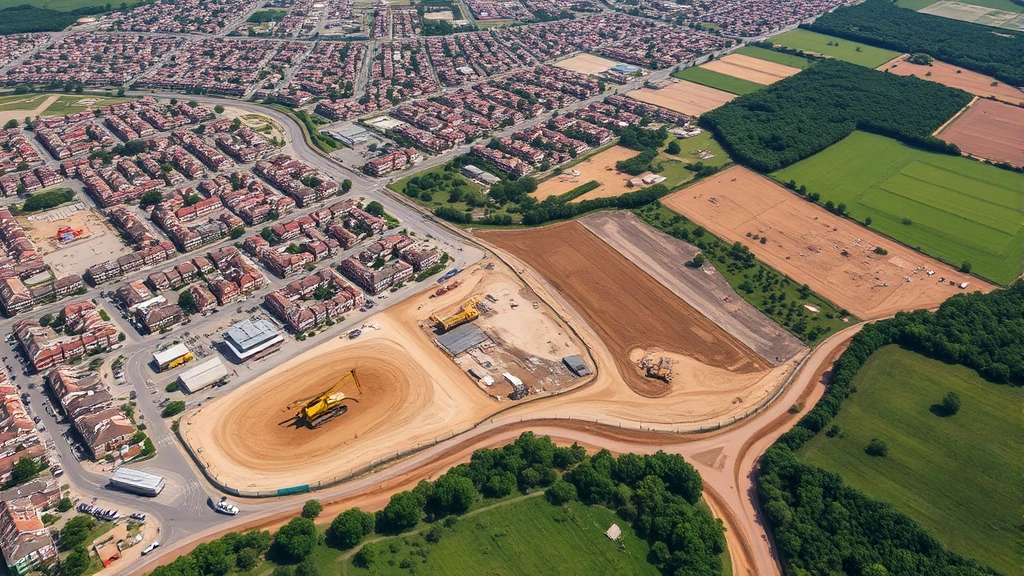
The relationship between the built environment and economic performance represents one of the most critical intersections in contemporary policy discourse. Buildings consume approximately 40% of global energy resources and generate roughly one-third of all carbon dioxide emissions, making the construction and real estate sectors fundamental drivers of both environmental degradation and economic activity. Understanding what is building environment and its cascading effects on economies requires examining the complex feedback loops between infrastructure development, resource depletion, ecosystem services valuation, and long-term fiscal sustainability.
Recent comprehensive studies from leading economic research institutions demonstrate that the environmental costs of poorly designed and managed built environments far exceed their immediate construction benefits. When accounting for externalities—including air quality degradation, water contamination, urban heat island effects, and biodiversity loss—the net economic value of unsustainable building practices becomes significantly negative. This analysis synthesizes emerging research on how building environments shape economic outcomes across multiple scales, from individual property values to macroeconomic indicators and intergenerational wealth distribution.
The World Bank and numerous ecological economics institutions have increasingly emphasized that conventional GDP accounting masks the true economic burden of environmental destruction linked to building practices. By integrating natural capital accounting with traditional economic metrics, policymakers can better understand the long-term fiscal implications of construction and urban development decisions.
Defining the Building Environment and Its Economic Scope
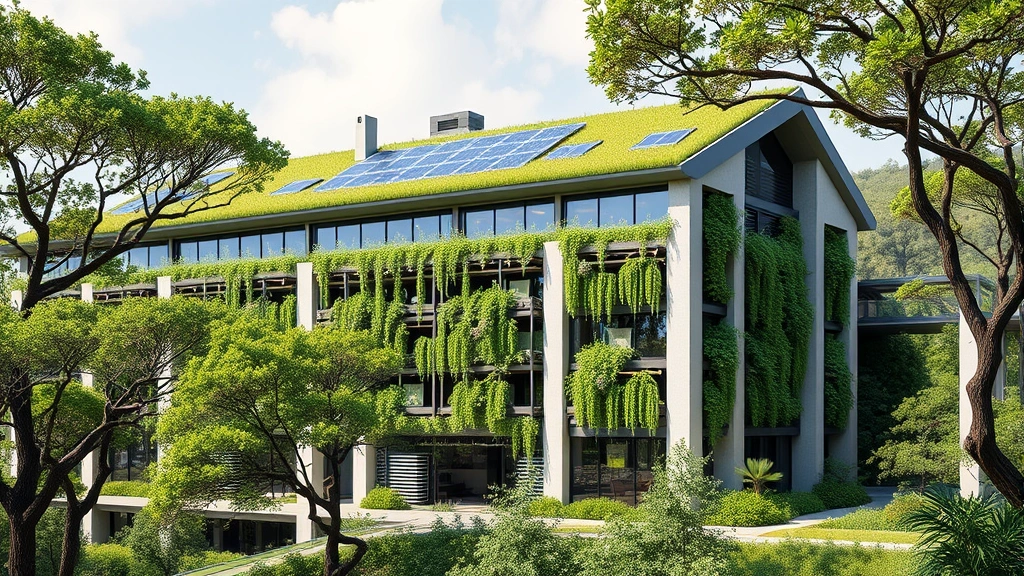
The building environment encompasses the physical infrastructure, design systems, material flows, and operational processes of constructed structures within human settlements. This extends beyond individual buildings to include the broader urban ecosystem: transportation networks, water systems, energy infrastructure, waste management systems, and green spaces integrated with built structures. Understanding this holistic definition is essential because economic impacts emerge not from buildings in isolation but from their systemic interactions within regional and global economies.
When examining human-environment interactions through the lens of construction and urban development, we observe that the building sector operates within nested economic systems. At the local level, construction generates employment and tax revenues while simultaneously depleting mineral resources, consuming water, and fragmenting ecosystems. At the national level, real estate represents a significant share of GDP and asset values, yet these metrics rarely account for environmental liabilities. Globally, building-related activities contribute to climate change, resource scarcity, and ecological tipping points that threaten economic stability.
Research from the World Bank indicates that the building environment represents approximately 12-15% of global GDP when including direct construction, real estate services, and building-related energy consumption. However, when environmental costs are incorporated through natural capital accounting frameworks, this percentage increases substantially when accounting for negative externalities across multiple environmental domains.

Resource Consumption and Economic Externalities
Buildings demand enormous quantities of raw materials: cement production alone generates 8% of global CO₂ emissions, while the extraction of aggregates, metals, and timber for construction destroys habitats and destabilizes soil systems. The economic accounting of these activities typically captures only the direct costs of extraction and processing, omitting the externalized costs of ecosystem degradation, species loss, and hydrological disruption.
The concept of types of environment affected by building practices includes aquatic ecosystems degraded by aggregate mining, terrestrial habitats fragmented by urban sprawl, and atmospheric composition altered by embodied carbon in construction materials. Each environmental type provides economic services—water purification, pollination, climate regulation—that conventional cost-benefit analyses systematically undervalue or ignore.
- Water consumption: Construction and building operations consume 16% of global freshwater withdrawals, creating economic stress in water-scarce regions and reducing agricultural productivity
- Material intensity: A typical residential building contains 200-400 tons of materials, requiring extraction systems that generate long-term economic losses through soil degradation and ecosystem service decline
- Waste generation: Construction waste comprises 30-40% of total waste streams in developed economies, with disposal and remediation costs often externalized to municipalities
- Energy embodiment: Materials production accounts for 50-80% of a building’s lifecycle carbon footprint, creating deferred climate costs that will burden future economies
Economic research demonstrates that when environmental externalities are monetized using ecosystem service valuation methodologies, the true cost of conventional building practices increases by 20-35% relative to current market prices. This represents a massive hidden subsidy from natural capital to the construction industry, effectively transferring wealth from ecosystems and future generations to present-day developers and consumers.
Property Values and Environmental Quality Linkages
While the building environment generates negative externalities, it simultaneously influences property values through environmental quality indicators. Studies consistently demonstrate that properties with access to green space, clean air, and water resources command price premiums of 5-20% relative to environmentally degraded locations. This creates an interesting economic paradox: individual property owners benefit from environmental quality, yet collective building practices systematically degrade that quality.
The human-environment interaction dynamic becomes economically visible in real estate markets where environmental amenities are capitalized into property values. Waterfront properties, buildings with views of natural areas, and residences in neighborhoods with mature tree canopy demonstrate measurably higher market values. Conversely, properties adjacent to construction sites, in air-polluted areas, or lacking green infrastructure experience value depression.
Research from ecological economics journals reveals that this capitalization effect represents a partial economic signal of environmental value, but one that systematically underestimates true environmental worth because it only captures willingness-to-pay from property owners rather than society-wide benefits. A mature urban forest provides air purification, stormwater management, and temperature regulation worth thousands of dollars annually per tree, yet these ecosystem services remain economically invisible in property transactions.
Health Costs and Productivity Impacts
The building environment directly influences human health through indoor air quality, thermal comfort, daylighting, and access to nature. Poor indoor environmental quality generates substantial economic costs through respiratory diseases, allergies, sick building syndrome, and reduced cognitive function. Building-related poor air quality costs economies an estimated 0.5-1.0% of GDP annually through healthcare expenses and lost productivity.
Understanding how humans affect the environment through building design reveals that environmental degradation feeds back into human wellbeing through multiple pathways. Urban heat islands created by building density and reduced vegetation increase mortality during heat events, particularly among vulnerable populations. Air pollution from building-related energy consumption causes cardiovascular and respiratory diseases. Noise from construction and traffic associated with built environments impairs cognitive development in children and increases stress-related illness.
Quantitative studies demonstrate that workers in buildings with superior environmental quality—natural daylighting, improved ventilation, thermal control, and biophilic design elements—exhibit 6-13% higher productivity and take significantly fewer sick days. These health and productivity benefits represent direct economic gains that justify investment in high-performance building design, yet they remain undervalued in conventional real estate markets.
Climate Risk and Financial System Stability
The building environment represents a significant source of climate forcing while simultaneously embodying substantial climate risk. Approximately 50% of global greenhouse gas emissions derive from building-related activities, making the sector critical to climate mitigation pathways. Simultaneously, buildings themselves face climate risks: flood exposure, extreme heat, water scarcity, and storm damage threaten property values and financial system stability.
Financial regulators and central banks increasingly recognize that climate-related risks to the built environment represent systemic economic threats. Commercial real estate portfolios face stranded asset risk as carbon-intensive buildings become economically obsolete. Coastal properties face inundation from sea-level rise. Properties in arid regions face water stress. This creates a feedback loop where climate impacts devalue real estate assets, potentially triggering financial crises similar to the 2008 housing collapse.
The United Nations Environment Programme estimates that climate-related losses to the built environment could exceed $2 trillion annually by 2050 under moderate warming scenarios. These losses represent not merely property value transfers but actual destruction of productive capital and ecosystem services, constituting genuine economic losses rather than redistributions.
Sustainable Building Practices as Economic Drivers
Emerging evidence demonstrates that sustainable building practices generate positive economic returns despite higher upfront capital costs. Green buildings—designed and operated to minimize environmental impacts—demonstrate 20-30% better energy performance, require 30-50% less water, and command higher lease rates and resale values. Life-cycle cost analysis reveals that sustainable building practices typically achieve positive financial returns within 5-10 years through operational savings.
The transition to sustainable building creates new economic opportunities: renewable energy installation, green material manufacturing, ecosystem restoration, and environmental consulting represent rapidly growing sectors. Countries investing in sustainable building standards—Germany, Denmark, and Singapore—have developed competitive advantages in these emerging industries while reducing environmental liabilities.
Circular economy principles applied to the building sector—material reuse, adaptive reuse of existing structures, and design for disassembly—reduce resource consumption while creating employment opportunities. Deconstructing buildings rather than demolishing them recovers 70-90% of materials for reuse, reducing waste disposal costs while generating revenue from recovered materials. This economic model demonstrates that environmental sustainability and financial profitability can align when appropriate policy frameworks incentivize circular systems.
Policy Frameworks and Economic Instruments
Effective policy responses to building environment-economy linkages require multiple instruments operating across different governance levels. Building energy codes, carbon pricing mechanisms, natural capital accounting integration, and green procurement standards all influence economic incentives for sustainable building practices.
The International Energy Agency documents that energy efficiency building codes reduce building sector emissions by 15-25% when stringently enforced, while generating net economic benefits through reduced energy expenditures. Carbon pricing mechanisms that internalize the cost of building-related emissions create market incentives for low-carbon design and operations. However, effective implementation requires complementary policies addressing financing barriers, workforce development, and supply chain transformation.
Natural capital accounting frameworks—increasingly adopted by national governments—integrate environmental assets and liabilities into economic statistics, making environmental costs visible in policy deliberations. When ecosystem services are valued and incorporated into GDP accounting, the economic case for building environment protection becomes compelling. Countries implementing natural capital accounting demonstrate stronger environmental outcomes and more resilient long-term economic performance.
Green finance mechanisms—including green bonds, sustainability-linked mortgages, and environmental impact investing—direct capital toward sustainable building practices. These instruments demonstrate that financial markets can align investment flows with environmental objectives when appropriate information and incentive structures exist. The rapid growth of green building certification systems (LEED, BREEAM, Passivhaus) reflects market recognition that environmental quality generates economic value.
Workforce development and supply chain transformation represent critical policy areas. Transitioning to sustainable building practices requires training construction workers in new technologies and methods, developing local supply chains for sustainable materials, and supporting businesses through the transition period. Comprehensive policy frameworks addressing these dimensions demonstrate stronger economic outcomes than isolated regulatory approaches.
FAQ
What is building environment exactly?
The building environment encompasses all constructed infrastructure within human settlements—individual buildings, transportation networks, energy systems, water infrastructure, and waste management systems—plus their interactions with natural ecosystems. It includes both the physical structures and the economic, social, and ecological systems they generate.
How do buildings affect the economy?
Buildings affect economies through multiple pathways: direct economic contribution through construction and real estate sectors; resource consumption generating environmental costs; property value influences reflecting environmental quality; health impacts affecting worker productivity; climate risks threatening financial stability; and opportunities for sustainable transitions creating new economic sectors.
What are the major environmental costs of building practices?
Major environmental costs include cement production emissions (8% of global CO₂), water consumption (16% of global freshwater), habitat destruction from material extraction, waste generation (30-40% of total waste), embodied carbon in materials, and climate risks to building stock. These externalized costs typically represent 20-35% of true building lifecycle costs.
How can sustainable building practices improve economic outcomes?
Sustainable buildings reduce operating costs through energy and water efficiency, command higher property values and lease rates, create employment in green sectors, reduce healthcare costs through improved indoor environmental quality, and decrease climate risk exposure. Life-cycle analyses demonstrate positive financial returns within 5-10 years for most sustainable building investments.
What policy approaches effectively address building environment-economy linkages?
Effective policies include building energy codes, carbon pricing mechanisms, natural capital accounting integration, green procurement standards, green finance mechanisms, workforce development programs, and supply chain support. Comprehensive policy frameworks addressing multiple instruments demonstrate stronger outcomes than isolated regulatory approaches.
Why do current economic metrics undervalue environmental impacts of buildings?
Conventional GDP accounting captures only market transactions while excluding ecosystem service losses, health impacts, and climate risks. These externalities—representing 20-35% of true building costs—are not priced in markets, creating systematic undervaluation of environmental impacts. Natural capital accounting frameworks address this limitation by integrating environmental assets into economic statistics.


