
Java and Economic Impact: A Comprehensive Study
Java, the world’s most populous island and home to over 145 million people, represents one of the most economically significant regions in Southeast Asia. This densely populated island serves as Indonesia’s economic engine, contributing approximately 60% of the nation’s GDP while occupying just 7% of its total land area. The island’s economic trajectory reveals complex interactions between rapid industrialization, agricultural production, and environmental sustainability—dynamics that fundamentally reshape regional ecosystems and global economic systems.
Understanding Java’s economic impact requires examining how intensive human activities transform natural capital into economic output, often at considerable environmental cost. The island’s development model illustrates critical challenges in balancing economic growth with ecological preservation, making it essential for policymakers, economists, and environmental scientists to comprehend these interconnections. This comprehensive analysis explores Java’s economic significance, environmental implications, and the emerging frameworks for sustainable development.
Java’s Economic Foundation and Global Significance
Java’s economic prominence stems from centuries of strategic positioning, natural resource abundance, and human capital concentration. As the birthplace of Indonesia’s independence movement and political center, Java became the focal point for post-colonial economic development. The island’s volcanic soils created extraordinarily fertile agricultural regions, while its strategic location facilitated trade networks connecting Asia’s major economies.
The island generates approximately $1.1 trillion in annual economic output, making it comparable to entire national economies. This economic power emerges from diverse sectors: manufacturing, agriculture, services, and increasingly, technology and creative industries. Java’s contribution to Indonesia’s economic system extends beyond GDP figures; it serves as the primary source of government revenue, foreign direct investment, and technological innovation. Understanding human-environment interaction becomes crucial when analyzing how economic systems depend on and transform natural systems.
The island’s economic structure reflects classical development patterns: initial agricultural dominance transitioning toward industrialization and tertiary services. However, this transition occurred at unprecedented speed and scale, compressing decades of economic transformation into years. This acceleration created both remarkable prosperity and significant environmental pressures, illustrating fundamental tensions in contemporary economic systems.
Java’s population density—approximately 1,100 people per square kilometer compared to global averages of 60—fundamentally shapes economic dynamics. High population density creates both economic advantages (labor availability, consumer markets, agglomeration benefits) and challenges (resource scarcity, pollution concentration, infrastructure strain). This human concentration drives intensive economic activity that transforms landscapes, depletes resources, and generates pollution at scales that challenge environmental capacity.
Industrial Development and Manufacturing Hubs
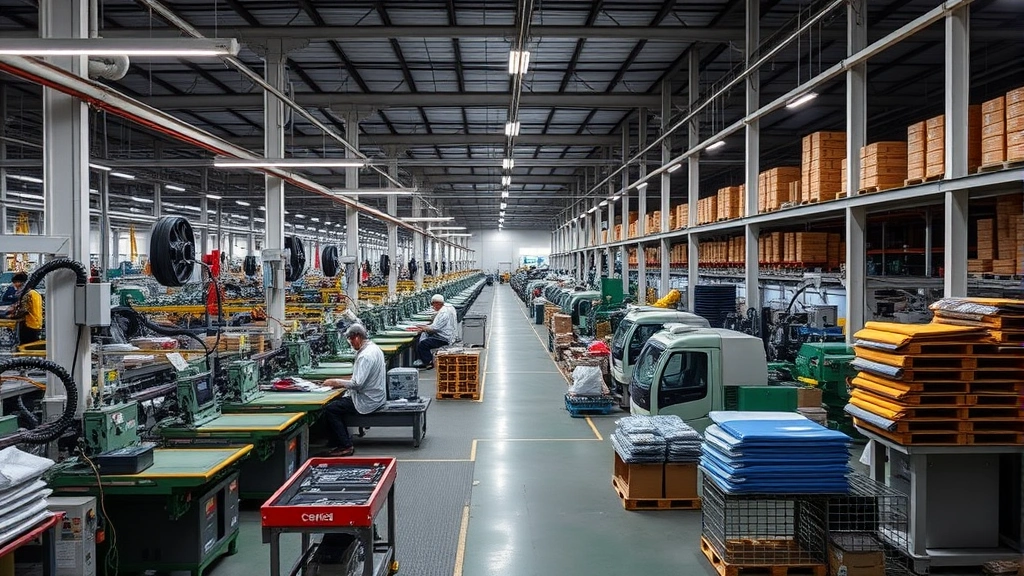
Java’s manufacturing sector represents one of Southeast Asia’s most significant industrial complexes, employing millions and generating substantial export revenues. The island hosts Indonesia’s primary industrial zones: Jabodetabek (Jakarta-Bogor-Depok-Tangerang-Bekasi), Surabaya, and Bandung regions function as manufacturing centers producing textiles, electronics, automotive components, and consumer goods.
The textile industry exemplifies Java’s industrial integration into global supply chains. Indonesian textile exports, concentrated in Java, exceed $13 billion annually, making the nation a top global producer. This industry employs approximately 4 million workers, primarily women, and represents crucial foreign exchange earnings. However, this economic success comes with significant environmental costs: water pollution from dyeing processes, chemical waste accumulation, and resource depletion. The industry’s economics depend on externalizing environmental costs—costs not reflected in market prices but borne by ecosystems and communities.
Electronics manufacturing and automotive production have expanded rapidly, with major multinational corporations establishing operations across Java. These sectors offer higher value-added production and technological spillovers, yet they concentrate pollution and resource demands. The shift toward higher-technology manufacturing represents economic upgrading, but without corresponding environmental regulation improvements, it simply relocates environmental damage to different ecosystems.
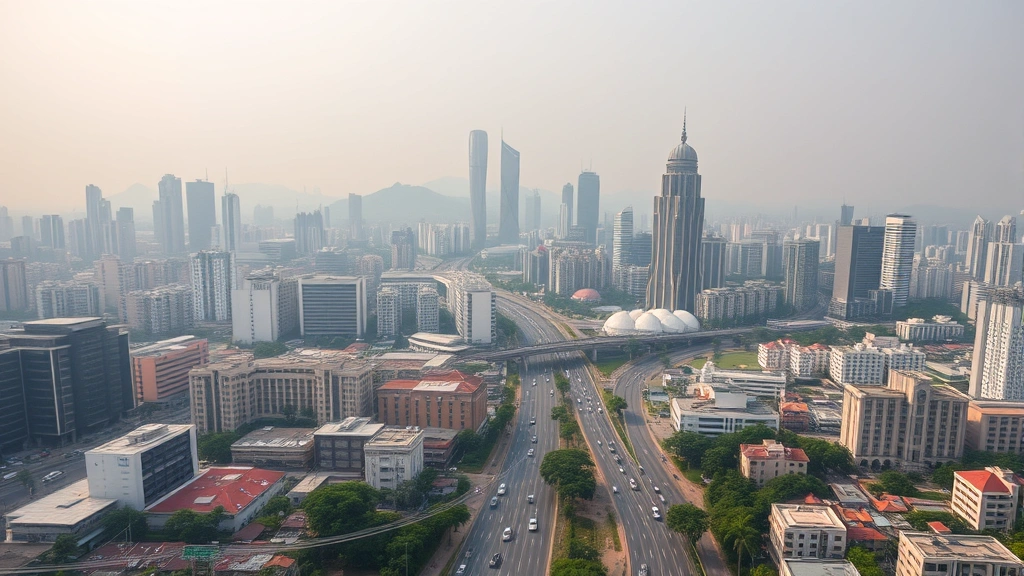
Industrial clustering creates economic efficiency through shared infrastructure, labor pools, and supplier networks. Yet these same clusters intensify environmental pressures in specific regions. The Jakarta metropolitan area, despite occupying minimal land area, concentrates manufacturing, logistics, and services that generate air pollution, water contamination, and waste accumulation at scales exceeding local environmental capacity. This illustrates how economic efficiency and environmental sustainability can conflict when economic systems fail to account for ecological limits.
Agricultural Systems and Food Security Economics
Java’s agricultural sector remains economically vital despite declining employment share, producing rice, maize, soybeans, and horticultural products that supply domestic food security and generate export revenues. The island produces approximately 30% of Indonesia’s rice despite occupying 7% of national territory, reflecting intensive agricultural systems and favorable natural conditions. Rice cultivation employs millions directly and supports downstream industries including milling, processing, and distribution.
The economics of Java’s agricultural transformation illustrate complex relationships between intensification, productivity, and sustainability. The Green Revolution’s technologies—high-yielding varieties, chemical fertilizers, and pesticides—dramatically increased yields per hectare, enabling Java to feed its growing population and generate agricultural exports. Between 1970 and 2000, rice productivity doubled while cultivated area remained relatively stable. This productivity increase prevented agricultural expansion into remaining forests and natural ecosystems, providing environmental benefits through land-use efficiency.
However, agricultural intensification created new environmental costs: groundwater depletion, soil nutrient mining, pesticide accumulation, and agrochemical runoff. Java’s agricultural economics increasingly depends on external inputs (fertilizers, pesticides, irrigation) derived from fossil fuels and mined minerals. This input-dependent system creates economic vulnerabilities and environmental degradation. The economics of sustainable agriculture—incorporating soil conservation, integrated pest management, and organic methods—remains underdeveloped despite potential long-term benefits.
Smallholder farmers dominate Java’s agricultural landscape, with 80% of agricultural land worked by families farming less than 0.5 hectares. These farmers operate within constrained economic conditions, lacking capital for technological transitions and facing price volatility in global commodity markets. The economics of agricultural sustainability requires investment in farmer education, market linkages, and premium pricing for conservation-oriented production—investments currently insufficient across Java.
Environmental Costs of Economic Growth
Java’s rapid economic growth generated substantial environmental degradation, creating what economists term “negative externalities”—costs imposed on ecosystems and communities but not reflected in market prices. Understanding these costs requires examining specific environmental dimensions and their economic implications.
Water resources exemplify environmental-economic conflicts. Java’s rivers, aquifers, and coastal zones face severe pollution and depletion pressures. Industrial discharge, agricultural runoff, and domestic sewage contaminate water supplies, requiring expensive treatment infrastructure. Groundwater depletion from agricultural and urban demand exceeds natural recharge rates, creating unsustainable extraction patterns. The economics of water scarcity intensifies as competition increases among agricultural, industrial, and residential users. Unpriced water resources encouraged wasteful consumption, creating crises now requiring expensive remediation.
Air pollution in Java’s urban-industrial regions reaches hazardous levels, particularly in Jakarta and Surabaya. Vehicle emissions, industrial discharge, and biomass burning combine to create air quality that exceeds health standards by multiple times. The economic costs include healthcare expenses, lost productivity, and reduced life expectancy. Studies estimate air pollution costs Java’s economy 2-3% of GDP annually through health impacts and productivity losses—costs invisible in conventional economic accounting but substantial in human terms.
Deforestation represents perhaps Java’s most dramatic environmental transformation. The island’s original forest cover exceeded 80% of total area; contemporary forest coverage approximates 25%. This deforestation generated short-term economic gains through timber extraction and agricultural expansion, yet eliminated ecosystem services—watershed protection, carbon sequestration, biodiversity habitat—worth far more than timber’s market value. The economics of deforestation illustrates how market systems undervalue ecosystem services, incentivizing their destruction.
Coastal and marine ecosystems face degradation from fishing pressure, pollution, and development. Java’s fisheries, once abundant, show declining catches despite increasing effort—the classic tragedy of open-access resources. Mangrove conversion to aquaculture provided short-term economic gains but eliminated nursery habitats supporting fisheries and coastal protection. The long-term economics of marine resource depletion demonstrates how short-term profit maximization destroys resource bases essential for sustainable development.
Urban Expansion and Infrastructure Economics
Java’s urbanization represents one of the world’s most rapid metropolitan expansions. Jakarta’s metropolitan population exceeded 30 million, making it one of Earth’s largest cities. This urban growth generated economic agglomeration benefits—concentrated labor markets, consumer demand, and innovation hubs—yet created massive infrastructure demands and environmental pressures.
Urban infrastructure economics illustrate tensions between growth and sustainability. Rapid urbanization outpaced infrastructure development, creating deficiencies in water supply, sanitation, transportation, and waste management. These deficiencies impose costs on residents and businesses: water scarcity, flooding from inadequate drainage, traffic congestion, and disease from poor sanitation. The economic losses from infrastructure inadequacy exceed costs of proper planning and investment, yet capital constraints limit infrastructure development.
Jakarta’s subsidence—sinking at rates exceeding 10 centimeters annually in some areas—represents dramatic environmental consequence of urban groundwater extraction. This subsidence increases flood vulnerability, requiring expensive flood protection infrastructure. The economics of subsidence illustrate how resource extraction without replacement creates cascading problems requiring costly adaptation. The city invests billions in flood management infrastructure addressing symptoms rather than causes.
Transportation economics exemplify Java’s development challenges. Rapid vehicle growth created congestion imposing enormous economic costs through lost time and fuel consumption. Jakarta’s traffic congestion costs approximately $6.5 billion annually in lost productivity. Investing in public transportation offers superior economics—lower per-capita costs, reduced congestion, and environmental benefits—yet requires upfront capital and political will. The economics of sustainable transportation remains underdeveloped despite clear benefits.
Service Sector and Digital Economy
Java’s economic structure increasingly emphasizes services rather than manufacturing. Finance, tourism, education, healthcare, and creative industries generate growing shares of economic output and employment. This shift reflects development patterns where rising incomes drive demand for services and where knowledge-based activities offer higher value-added than manufacturing.
The digital economy represents Java’s fastest-growing sector, with technology companies, e-commerce platforms, and digital services concentrated in Jakarta and Bandung. Indonesia’s digital economy, led by Java-based companies, reached approximately $40 billion in 2023, with projections suggesting rapid continued growth. This sector offers economic advantages: lower environmental impact than manufacturing, high value-added employment, and technological innovation. The digital economy’s emergence suggests potential pathways toward less resource-intensive economic growth.
Tourism represents significant economic sector, with Java hosting millions of annual visitors attracted to cultural heritage sites, volcanoes, and beaches. Tourism generates employment and foreign exchange while creating incentives for environmental conservation and cultural preservation. However, tourism growth creates environmental pressures: waste generation, water consumption, and ecosystem disruption. The economics of sustainable tourism—balancing visitor benefits with environmental protection—remains underdeveloped, with tourism often prioritizing short-term revenue over long-term sustainability.
Financial services, concentrated in Jakarta, serve as Indonesia’s economic center. Banking, insurance, and investment sectors generate substantial economic activity and employ highly skilled workers. Yet financial sector economics often divorce from productive economic activity, focusing on asset manipulation and speculative returns. The 2008 financial crisis illustrated how financial sector growth can mask underlying economic vulnerabilities and create systemic risks. Java’s financial development requires stronger linkages to productive sectors and environmental considerations.
Natural Resource Management and Economic Sustainability
Java’s economic future depends fundamentally on transitioning toward sustainable resource management. Current patterns—depleting natural capital while counting extraction as income—represent economic accounting failures. True economic sustainability requires maintaining or increasing natural capital stocks while supporting human well-being.
The concept of environmental science emphasizes understanding complex interactions between economic systems and natural systems. Java’s development illustrates how economic growth divorced from ecological constraints creates unsustainable trajectories. The island’s experience offers crucial lessons for other developing regions pursuing rapid industrialization.
Ecological economics provides frameworks for integrating environmental considerations into economic analysis. Rather than treating nature as external to economic systems, ecological economics recognizes fundamental dependence of all economic activity on ecosystem services. Java’s watersheds, fisheries, agricultural soils, and mineral resources represent natural capital stocks requiring careful management. Depleting these stocks while calling it income misrepresents economic reality.
Payment for ecosystem services represents emerging approach to valuing environmental benefits. Programs compensating farmers for watershed protection, forest conservation, or biodiversity preservation attempt to internalize environmental values into economic decisions. Java’s pilot programs in watershed protection and forest conservation demonstrate potential, though scaling remains limited. The economics of ecosystem service payments requires substantial investment and institutional development.
Circular economy approaches offer pathways toward resource efficiency and reduced environmental impact. Rather than linear extraction-production-disposal systems, circular approaches emphasize material reuse, recycling, and waste elimination. Java’s manufacturing sectors increasingly adopt circular approaches: textile producers recovering and reusing water, electronics manufacturers recycling materials, and agricultural operations converting waste to energy. These transitions require technological investment and regulatory support but generate economic benefits through resource efficiency.
The ways humans affect the environment through economic activity require comprehensive policy responses. Java’s governments at national, provincial, and municipal levels increasingly recognize environmental limits and implement regulations addressing pollution, resource depletion, and ecosystem protection. However, enforcement remains inconsistent, and regulations often reflect political compromises rather than scientific environmental requirements.
International frameworks including the Paris Climate Agreement and Sustainable Development Goals provide contexts for Java’s economic transformation. Indonesia committed to reducing emissions 29% by 2030, requiring major transitions in energy systems, transportation, and land use. Java’s concentration of economic activity and population means that achieving national climate targets depends substantially on Java’s environmental performance. The economics of climate action—renewable energy transition, energy efficiency, forest conservation—requires massive investment but offers long-term benefits through avoided climate damages.
The World Bank and Asian Development Bank increasingly emphasize green economy transitions, recognizing that environmental degradation undermines economic sustainability. Java’s development institutions increasingly incorporate environmental considerations into planning and investment decisions. However, the pace of environmental policy implementation lags behind environmental degradation rates, creating growing sustainability deficits.
FAQ
How much does Java contribute to Indonesia’s economy?
Java generates approximately 60% of Indonesia’s GDP while containing 55% of the nation’s population. The island’s economic output exceeds $1.1 trillion annually, making it comparable to major national economies. This concentration reflects Java’s industrial development, agricultural productivity, and service sector concentration.
What are Java’s primary economic sectors?
Java’s economy encompasses manufacturing (textiles, electronics, automotive), agriculture (rice, maize, horticultural products), services (finance, tourism, education), and increasingly, digital economy activities. The sectoral composition has shifted toward services and technology as the economy develops, though manufacturing remains economically significant.
What environmental costs result from Java’s economic growth?
Major environmental costs include water pollution and depletion, air pollution in urban-industrial regions, deforestation (reducing forest coverage from 80% to 25%), marine ecosystem degradation, soil nutrient mining, and groundwater depletion. These environmental costs impose substantial economic expenses through health impacts, infrastructure requirements, and resource depletion.
How does Java’s high population density affect economic development?
High population density (approximately 1,100 people per square kilometer) creates economic advantages through large labor supplies, consumer markets, and agglomeration benefits, yet generates challenges including resource scarcity, infrastructure strain, and pollution concentration. This density fundamentally shapes Java’s economic structure and environmental pressures.
What opportunities exist for sustainable economic development in Java?
Opportunities include circular economy transitions reducing resource consumption, digital economy expansion with lower environmental impact, renewable energy development, sustainable agriculture adoption, ecosystem service payment programs, and green infrastructure investment. These transitions require policy support, technological investment, and institutional development to achieve significant scale.
How do Java’s economic patterns reflect broader development challenges?
Java illustrates common development patterns where rapid economic growth generates environmental degradation through externality creation, resource depletion, and pollution. The island’s experience demonstrates that conventional economic growth metrics (GDP) mask environmental costs and that sustainable development requires integrating ecological considerations into economic systems. This pattern repeats across rapidly industrializing regions globally.
What role does Java play in global supply chains?
Java serves as crucial manufacturing hub in global supply chains, particularly for textiles, electronics, and automotive components. The island’s large labor force, industrial infrastructure, and strategic location make it attractive for multinational corporations. This integration into global economy provides employment and foreign exchange but also creates vulnerability to supply chain disruptions and price volatility.


