Is Biodiversity Key to Economic Growth? Study Insights
The relationship between biodiversity and economic growth has emerged as one of the most critical questions in contemporary environmental economics. For decades, policymakers operated under the assumption that economic expansion and ecological preservation existed in opposition—that growth required sacrificing natural systems. However, recent research fundamentally challenges this premise, revealing that biodiversity isn’t merely an environmental concern but rather a foundational pillar of sustained economic prosperity.
This comprehensive analysis examines how living systems generate measurable economic value, why ecosystem services matter to GDP calculations, and what evidence-based insights emerge from cutting-edge biodiversity studies. Understanding this relationship requires bridging traditional economics with ecological science, exploring how environmental science frameworks reshape our understanding of growth itself.

The Economic Value of Biodiversity: Beyond Traditional Metrics
Conventional economics has historically excluded nature’s contributions from growth calculations, treating ecosystems as infinite repositories of free resources. This fundamental accounting error has distorted policy decisions for generations. The Dasgupta Review, commissioned by the UK government and released in 2021, quantified this oversight, revealing that natural capital depreciation costs the global economy trillions annually—yet remains invisible in standard GDP measurements.
Biodiversity generates economic value through multiple interconnected pathways. Genetic diversity within crop species directly impacts agricultural productivity and food security. Microbial diversity in soils determines fertility and carbon sequestration capacity. Pollinator biodiversity—bees, butterflies, and birds—contributes an estimated $15-20 billion annually to global agriculture through pollination services alone. These aren’t abstract environmental benefits; they represent concrete economic outputs measurable in market terms.
The pharmaceutical industry depends entirely on biodiversity. Approximately 25% of modern medicines derive from rainforest plants, yet less than 1% of tropical plant species have been screened for medicinal compounds. This suggests enormous untapped economic potential residing in unexplored ecosystems. Similarly, industrial biotechnology increasingly harnesses genetic material from diverse organisms to develop enzymes, biofuels, and biomaterials. Understanding human-environment interaction reveals how economic systems fundamentally depend on biological complexity.
Tourism represents another significant biodiversity-dependent economic sector. Nations with intact ecosystems generate substantial revenue from ecotourism, wildlife viewing, and nature-based recreation. Costa Rica generates approximately 4% of national GDP from ecotourism, demonstrating how biodiversity conservation directly translates to economic growth and employment. The World Economic Forum estimates that nature-dependent industries and activities worth $125 trillion in economic value rely on biodiversity.
Ecosystem Services and GDP: Quantifying Nature’s Contribution
Environmental economists have developed sophisticated methodologies for quantifying ecosystem services—the specific benefits humans derive from natural systems. These services fall into four primary categories: provisioning services (food, water, materials), regulating services (climate regulation, water purification, pollination), supporting services (nutrient cycling, soil formation), and cultural services (recreation, spiritual value, aesthetic benefit).
Wetlands exemplify the economic significance of ecosystem services. A single hectare of wetland provides water purification, flood control, and fish nursery habitat worth approximately $6,000-8,000 annually in ecosystem services. Yet wetlands are converted to agriculture or development at alarming rates because these services remain unpriced in market transactions. When wetland destruction occurs, the economic loss—though real—doesn’t appear in GDP calculations, creating perverse incentives for ecosystem degradation.
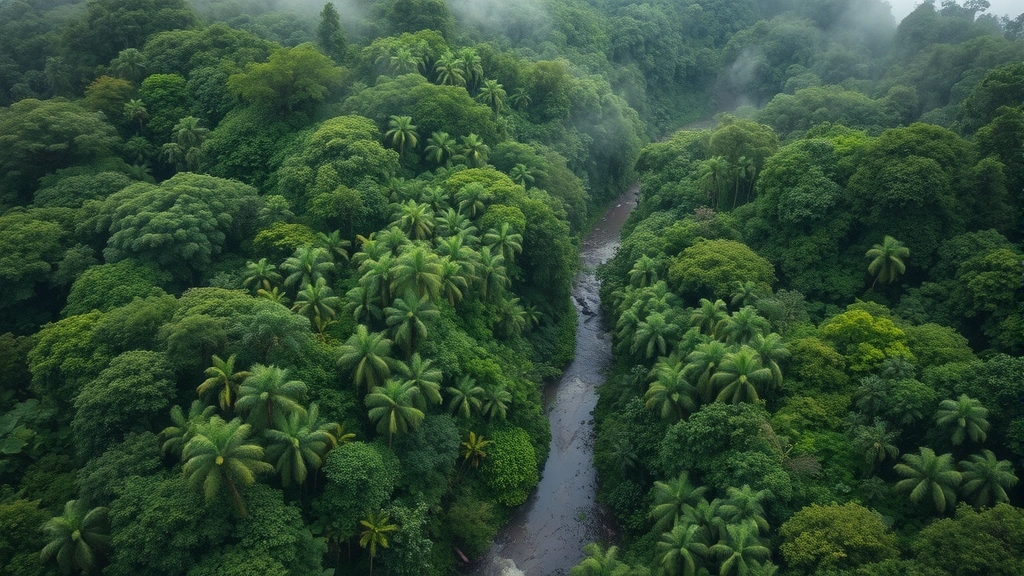
Forests present similarly compelling economic cases. Beyond timber value, forests provide carbon sequestration (regulating climate change), water filtration, erosion control, and biodiversity habitat. Research indicates that maintaining tropical forests intact generates greater economic value through ecosystem services than converting them to agriculture or pasture—yet market failures consistently drive deforestation. A study on how humans affect the environment revealed that ecosystem service values often exceed land conversion profits by 2-5 times when calculated over 50-year periods.
The World Bank has pioneered natural capital accounting, which treats ecosystems as productive assets equivalent to manufactured capital or human capital. Countries implementing natural capital accounts discover that conventional GDP growth masks underlying natural asset depletion. For example, some nations report positive GDP growth while simultaneously experiencing rapid ecosystem degradation—a statistical illusion that disappears when natural capital accounts are incorporated. This accounting revolution reshapes how economists evaluate true economic performance.
Soil biodiversity deserves particular emphasis in economic analysis. Agricultural soils contain more organisms than stars in the galaxy—bacteria, fungi, arthropods, and nematodes that collectively drive nutrient cycling, water infiltration, and carbon storage. Soil biodiversity loss through intensive agriculture reduces soil productivity, increases fertilizer dependence, and diminishes carbon sequestration capacity. The economic costs of soil degradation—estimated at $400 billion annually in lost productivity—represent a massive hidden drag on global agricultural economics.
Biodiversity Loss and Economic Risk
Recent research quantifies economic risks posed by biodiversity decline with unprecedented precision. The World Economic Forum’s Global Risk Report consistently ranks biodiversity loss and ecosystem collapse among the top five global economic risks. Unlike abstract environmental concerns, these risks carry measurable financial implications for corporations, investors, and governments.
Pollinator decline presents acute economic risk. Honeybee populations have declined 40-50% in developed nations over recent decades, while wild pollinator diversity has contracted even more severely. Since approximately 75% of global food crops depend at least partially on animal pollination, continued pollinator loss threatens food security and agricultural profitability. Insurance companies increasingly recognize pollination failure as an insurable risk, pricing agricultural policies to reflect pollinator decline.
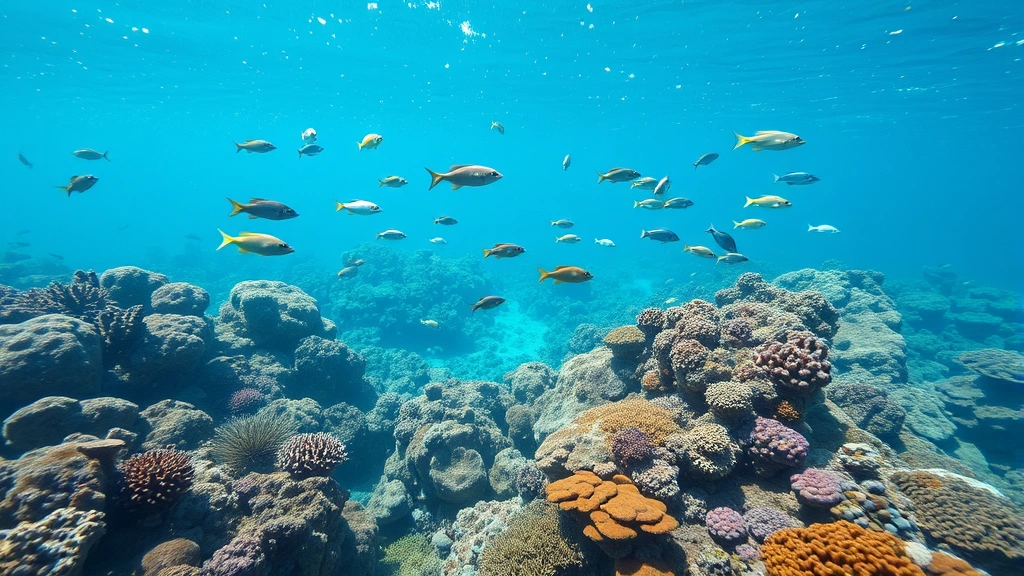
Fishery collapse represents another concrete economic consequence of biodiversity loss. Overfishing combined with ecosystem degradation has devastated commercial fisheries, eliminating livelihoods for millions of people and reducing protein sources for billions. The economic losses from fishery collapse exceed $80 billion annually, yet these losses remain partially invisible because they occur gradually and disproportionately affect developing nations and marginalized communities.
Supply chain vulnerability emerges as biodiversity loss translates into economic risk. Companies dependent on biodiversity-sensitive inputs—agriculture, pharmaceuticals, cosmetics, textiles—face increasing supply uncertainty. Climate change exacerbates these risks by shifting growing regions and altering pest dynamics, making biodiversity-rich agricultural systems more economically resilient than monocultures dependent on external inputs.
Financial markets increasingly price biodiversity risk. Institutional investors managing trillions in assets now evaluate biodiversity exposure as a material financial risk. Companies with high biodiversity impact face regulatory scrutiny, consumer pressure, and investment restrictions. This market-driven accountability mechanism creates economic incentives for biodiversity conservation independent of government policy.
Case Studies: Where Biodiversity Drives Growth
Costa Rica provides perhaps the most compelling case study of biodiversity-driven economic development. Despite being a small Central American nation, Costa Rica contains approximately 6% of global biodiversity while occupying only 0.03% of Earth’s land surface. Rather than exploiting this biodiversity through extractive industries, Costa Rica invested heavily in conservation, establishing one of the world’s most extensive protected area networks.
This conservation strategy catalyzed economic transformation. Ecotourism revenues grew from negligible amounts in the 1980s to approximately $4 billion annually by 2019, representing roughly 4% of national GDP and employing over 200,000 people. Costa Rica achieved this while simultaneously achieving higher per-capita income than many larger Latin American nations and maintaining forest cover despite regional deforestation trends. The economic model demonstrates that biodiversity preservation can generate superior returns compared to extractive alternatives.
Kenya’s wildlife-based economy illustrates similar principles at larger scale. Wildlife tourism generates $1.2 billion annually while supporting conservation of African megafauna and vast savanna ecosystems. This revenue stream provides economic justification for maintaining wildlife corridors and protecting predators, creating alignment between conservation and economic interests. However, Kenya’s case also reveals vulnerabilities—tourism revenue fluctuates with global economic conditions, and wildlife poaching persists where local communities lack direct economic benefit from conservation.
Madagascar’s pharmaceutical and cosmetic industries depend entirely on endemic biodiversity found nowhere else on Earth. Approximately 90% of Madagascar’s wildlife exists nowhere else, representing unique genetic resources with enormous economic potential. Yet Madagascar faces severe deforestation pressures driven by poverty and agricultural expansion. This case demonstrates how biodiversity value remains unrealized when economic institutions fail to compensate communities for conservation.
The Netherlands provides a developed-nation perspective on biodiversity economics. Despite high population density and intensive agriculture, the Netherlands has invested heavily in ecological restoration and biodiversity-friendly farming practices. This investment generated new agricultural markets (organic farming, specialty crops), enhanced water quality reducing treatment costs, and created nature-based tourism sectors. The economic benefits—though harder to quantify than in developing nations—include reduced environmental health costs and enhanced property values in biodiverse areas.
The Science Behind the Connection
Understanding why biodiversity drives economic growth requires examining ecological principles underlying ecosystem function. Biodiversity operates as an insurance policy for ecosystem stability and productivity. Greater species diversity increases the probability that ecosystems contain species capable of maintaining function under changing environmental conditions. This “response diversity”—the diversity of responses to environmental change across species—determines ecosystem resilience.
Research in community ecology demonstrates that diverse ecosystems typically exhibit greater productivity, stability, and resilience compared to species-poor systems. This principle—the diversity-stability hypothesis—has been validated across multiple ecosystem types through both experimental and observational studies. Economically, this translates into more reliable ecosystem services delivery, reduced risk of catastrophic service collapse, and enhanced capacity to adapt to environmental change.
Genetic diversity within species represents another critical economic dimension. Crop genetic diversity determines resistance to pests and diseases, tolerance to environmental stress, and nutritional quality. The Irish Potato Famine exemplifies the economic consequences of genetic uniformity—monoculture potato varieties lacked genetic resistance to blight, causing widespread crop failure and famine. Modern agriculture increasingly recognizes that maintaining genetic diversity within crops provides economic insurance against disease outbreaks and environmental shocks.
The concept of functional diversity—the diversity of ecological roles organisms perform—directly determines ecosystem productivity. Ecosystems containing diverse feeding strategies, growth forms, and resource utilization patterns typically capture and retain resources more efficiently. This functional diversity translates into higher primary productivity, greater nutrient cycling efficiency, and enhanced ecosystem service provision. From an economic perspective, functional diversity determines the productive capacity of natural capital assets.
Microbial biodiversity deserves special attention in economic analysis. Soil microorganisms drive nutrient cycling, plant disease suppression, and carbon sequestration—services foundational to agricultural productivity and climate regulation. Yet microbial diversity remains largely invisible in policy discussions. Recent research reveals that soil microbial diversity declines dramatically under intensive agriculture, reducing soil health and increasing input requirements. Restoring microbial diversity through conservation agriculture and reduced chemical inputs enhances productivity while reducing costs.
Policy Implications and Economic Instruments
Translating biodiversity’s economic value into policy requires developing economic instruments that internalize previously externalized costs. Carbon pricing mechanisms represent the most developed example—by pricing carbon emissions, policy creates economic incentives for carbon sequestration, benefiting forest conservation and soil protection. However, carbon pricing alone captures only a fraction of ecosystem service value.
Biodiversity offset markets attempt to create tradeable credits for biodiversity conservation or restoration. Companies damaging biodiversity in one location can purchase offsets supporting conservation elsewhere. While theoretically sound, implementation challenges remain substantial—measuring biodiversity value, ensuring additionality (that conservation wouldn’t occur without offset funding), and preventing perverse incentives require sophisticated monitoring and governance.
Payments for ecosystem services (PES) programs compensate communities for maintaining ecosystems providing valuable services. Costa Rica’s pioneering PES program pays landowners for forest conservation, water protection, and wildlife habitat maintenance. By directly linking conservation to income, PES programs align economic interests with environmental protection. However, PES effectiveness depends on accurate service valuation, adequate funding, and genuine additionality.
Tax reform represents another policy avenue. Eliminating subsidies that encourage biodiversity-damaging activities (agricultural subsidies promoting monoculture, logging subsidies, fishing fleet subsidies) would reduce perverse economic incentives. Simultaneously, implementing taxes on environmentally damaging activities (pollution taxes, resource extraction taxes) would internalize environmental costs. This “green tax shift”—reducing taxes on income and employment while increasing taxes on resource extraction and pollution—could simultaneously improve economic efficiency and environmental outcomes.
Natural capital accounting, as mentioned previously, requires integrating ecosystem service values into national accounting frameworks. When governments track natural capital depletion alongside manufactured capital investment, policy priorities shift toward conservation. Several countries including Botswana, Costa Rica, and the Philippines have implemented natural capital accounts, discovering that conventional GDP growth often masks natural asset decline.
Future Economic Models and Biodiversity Integration
The emerging field of ecological economics proposes fundamental reconceptualization of economic systems within biophysical limits. Rather than treating the economy as the primary system with environment as a subsystem, ecological economics recognizes that human economies operate within planetary boundaries set by ecosystem capacity. This perspective implies that sustainable economic growth requires maintaining biodiversity and ecosystem function at levels supporting continued service provision.
Circular economy models attempt to minimize resource extraction and waste generation through product design emphasizing durability, repairability, and material recovery. By reducing pressure on biodiversity-rich ecosystems, circular approaches can simultaneously reduce environmental impact and create economic opportunities in remanufacturing, repair, and materials recovery sectors. However, circular economy effectiveness depends on energy systems transitioning to renewable sources—otherwise, material cycling simply extends resource extraction timelines.
Regenerative agriculture represents an agricultural paradigm prioritizing soil health, biodiversity enhancement, and carbon sequestration alongside food production. Rather than merely sustaining current productivity levels, regenerative approaches actively restore soil fertility and ecosystem function. Economically, regenerative agriculture reduces input costs while building soil capital and enhancing resilience to climate variability. Premium market prices for regenerative products can further enhance profitability.
Biodiversity-positive business models represent an emerging economic frontier. Rather than merely minimizing biodiversity harm, these models actively enhance biodiversity while generating profit. Examples include shade-grown coffee cultivation supporting bird habitat, regenerative textile production supporting soil and pollinator recovery, and pharmaceutical companies investing in rainforest protection ensuring future genetic resource access. These models demonstrate that biodiversity enhancement can align with profit maximization.
The transition toward biodiversity-integrated economics requires fundamental changes in how economists train professionals, how governments measure progress, and how businesses evaluate success. Incorporating biodiversity into economic decision-making necessitates interdisciplinary approaches bridging ecology, economics, and policy science. As strategies for reducing carbon footprints increasingly emphasize ecosystem restoration, and as sustainable fashion brands demonstrate market viability of biodiversity-conscious production, economic incentives increasingly align with environmental protection.
Investment in renewable energy infrastructure further supports biodiversity-integrated economic development by reducing ecosystem pressure from fossil fuel extraction and associated infrastructure. As renewable energy costs decline, economic arguments for fossil fuel dependence weaken, enabling policy transitions toward lower-impact energy systems.
FAQ
How much economic value does biodiversity provide annually?
Estimates vary depending on methodology and scope, but the World Economic Forum estimates that nature-dependent industries and activities worth $125 trillion in economic value rely on biodiversity. More conservatively, global ecosystem services are valued at $30-50 trillion annually, with biodiversity contributing substantially through pollination, nutrient cycling, pest control, and climate regulation.
Which economic sectors depend most heavily on biodiversity?
Agriculture, fisheries, pharmaceuticals, cosmetics, textiles, and tourism depend most directly on biodiversity. However, all economic sectors ultimately depend on biodiversity through water provision, climate regulation, air purification, and soil formation services that support all productive activity.
Can economic growth and biodiversity conservation occur simultaneously?
Yes, but requires fundamental economic restructuring. Traditional growth models assuming infinite resource availability are incompatible with biodiversity conservation. However, growth models emphasizing efficiency improvements, circular systems, and natural capital restoration can achieve economic expansion while enhancing biodiversity.
How do biodiversity losses translate into economic costs?
Biodiversity loss reduces ecosystem service provision, increasing costs for water treatment, pest control, and pollination. Reduced genetic diversity increases agricultural vulnerability to pests and diseases. Lost pharmaceutical potential eliminates future medical advances. Supply chain disruptions from ecosystem collapse threaten economic stability. These costs accumulate to hundreds of billions annually in direct losses, with indirect costs substantially exceeding direct impacts.
What policy changes would best integrate biodiversity into economic decision-making?
Natural capital accounting, biodiversity offset markets, payments for ecosystem services, green tax reform eliminating perverse subsidies, and regulatory requirements for biodiversity impact assessment would significantly improve economic incentive alignment with biodiversity protection. International policy coordination addressing transboundary ecosystem management remains essential.
How does biodiversity enhance economic resilience?
Diverse systems exhibit greater stability and faster recovery from disturbances. Agricultural biodiversity reduces disease and pest vulnerability. Diverse supply chains reduce dependence on single sources vulnerable to disruption. Diverse economic bases reduce vulnerability to sector-specific downturns. Ecosystem diversity supports multiple service provision pathways, ensuring continued service delivery if some species decline.


