
Table of Contents
Introduction
Picture this: millions of tons of old electronics get tossed in the trash every single year. Your old smartphone collecting dust in that drawer? That laptop you replaced last month? They’re all part of a massive global challenge we call electronic waste. But here’s the thing—what happens next doesn’t have to be a disaster story. When you recycle your electronics properly, you’re not just clearing out clutter. You’re actually helping safeguard our environment and building a more sustainable future, one device at a time.
Let’s be real—technology moves fast these days. Crazy fast. Your phone that felt cutting-edge two years ago? Now it’s practically ancient history. This breakneck pace means we’re generating electronic waste faster than ever before, and that’s where things get serious. Those innocent-looking gadgets contain some pretty nasty stuff—lead, mercury, cadmium—that can wreak havoc if they end up leaching into our soil and water. That’s exactly why knowing how to recycle batteries properly becomes so crucial. But here’s the silver lining (literally): your old electronics are also treasure troves of valuable metals like gold, silver, and copper. When we recycle these materials instead of mining new ones, we’re protecting natural resources while giving the economy a boost. Win-win.
Now, before you rush off to recycle that old tablet, hold up. There’s some prep work involved, and trust me—you’ll want to get this right. Your personal data is sitting on those devices, and protecting it should be your top priority. We’re talking backing up what you need, wiping everything else clean, and hitting that factory reset button like your privacy depends on it (because it does). Don’t forget about those batteries and cables either—they need special handling. Taking the time to learn about proper preparation for recycling isn’t just about keeping your information safe. It’s also about making sure recycling centers can actually recover those valuable materials efficiently.
Once you’re ready to part ways with your electronics, where do you take them? This matters more than you might think. Certified local recycling centers know how to handle the tricky stuff safely—those toxic materials we mentioned earlier won’t end up where they shouldn’t. Many big retailers have gotten smart about this too, offering take-back programs that let you trade in or recycle devices when you’re buying something new. Pretty convenient, right? Community collection events are another great option, plus they help spread the word about e-waste issues. If you’re wondering where to find these options near you, check out how to locate local recycling centers and programs.
What You’ll Learn in This Guide
This guide walks you through everything you need to know about recycling old electronics the right way. By the time you’re done reading, you’ll have practical knowledge and concrete steps to make a real environmental impact.
- Why Recycling Matters: Understand the environmental and economic reasons behind recycling electronics, including hazard prevention and resource conservation.
- Preparation Steps: Learn how to securely prepare your devices for recycling, including data protection and accessory removal to ensure safe disposal.
- Recycling Options: Explore various recycling avenues, from local centers to retailer take-back programs and community events, to choose the best fit for you.
- Overcoming Challenges: Discover common issues like data privacy concerns and cost, along with practical solutions to recycle your electronics responsibly and conveniently.
Coming up, we’re going to dig into each part of the electronics recycling process. You’ll discover why this stuff matters so much, how to prep your devices properly, and where to take them for responsible recycling. But the benefits go way beyond just reducing waste—we’re talking about protecting communities, saving valuable resources, and supporting manufacturing practices that actually care about the planet.
We’ll also tackle those annoying roadblocks you might run into, like keeping your personal info secure and finding recycling centers you can actually trust. Whether you’re a tech lover with a garage full of gadgets, someone who cares deeply about the environment, or you just want to declutter without causing harm, this guide has your back with practical advice you can actually use.
Ready to make a real difference? Let’s dive into how recycling your old electronics can help create a healthier, more sustainable future for everyone—including the generations who’ll inherit the planet we leave behind.
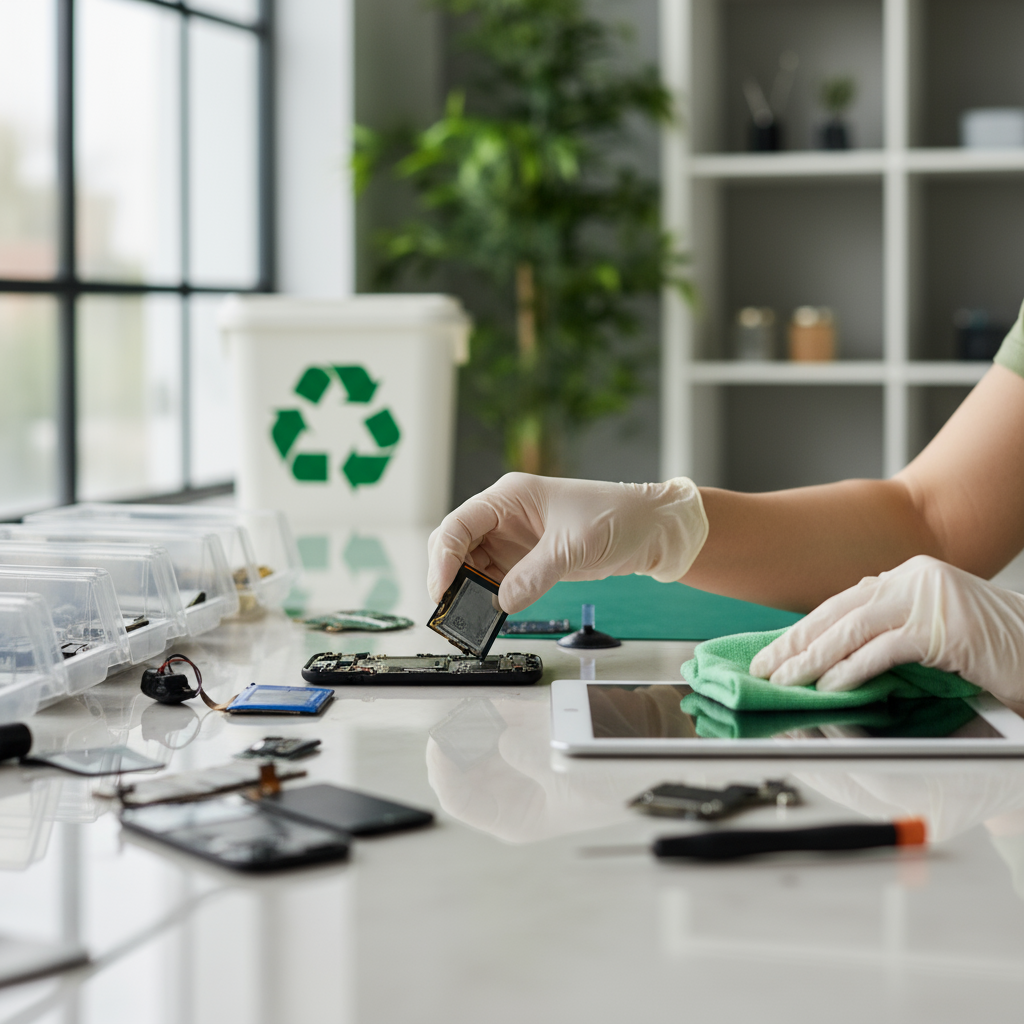
Building on what we covered about the amazing benefits of recycling old electronics, let’s dig into why responsible e-waste recycling matters so much—and walk through the practical steps to get your devices ready for their next life. Trust me, these practices don’t just help the planet. They create a ripple effect that benefits entire communities and industries. Ready to become an e-waste recycling pro?
Why Recycling Old Electronics Matters
Here’s the thing about old electronics—they’re environmental time bombs if we’re not careful. As our gadgets get faster and shinier every year, the old ones pile up in landfills, leaking nasty stuff like lead, mercury, and cadmium into our soil and water. Not exactly what you want in your drinking water, right? But here’s where recycling becomes a game-changer. It keeps those toxic materials locked away safely while recovering valuable resources like gold, silver, and rare earth metals. No more destructive mining just to make new phones. Speaking of smart recycling practices, you might want to check out safe battery recycling methods that work hand-in-hand with electronics recycling.
Now, let’s talk money—because recycling electronics isn’t just good for the planet, it’s good for business too. We’re talking about an entire industry built around giving old tech new life. Recycling centers, refurbishing shops, data recovery services—they’re all creating jobs in your community. And when manufacturers can use recycled materials instead of mining new ones? Their costs go down, and so does their environmental impact. It’s like a win-win-win situation. Projects like community rain garden projects show how recycling fits into bigger environmental efforts that transform neighborhoods. The bottom line? Recycling electronics is a cornerstone of what economists call the circular economy—where nothing gets wasted and everything gets reused.
Key Benefits of Recycling Electronics
Want to know exactly why recycling your old electronics is so important? Here’s what makes it worth your time:
- Environmental Protection: Recycling prevents the leakage of hazardous materials into soil and waterways, reducing pollution and health risks. It also cuts down on the electronic waste volume in landfills, promoting cleaner communities.
- Resource Conservation: Valuable metals and components recovered through recycling lessen the need for raw material extraction, conserving natural resources and minimizing environmental degradation.
- Job Creation and Economic Growth: The e-waste recycling industry provides meaningful employment, from collection and processing to refurbishing. This stimulates local economies and advances green technologies.
- Support for Sustainable Manufacturing: Recycled materials feed back into manufacturing supply chains, encouraging companies to develop eco-friendly product designs and reduce carbon footprints.
Now that you understand why electronics recycling is so crucial, let’s get into the nuts and bolts of preparing your devices the right way.
Preparing Your Electronics for Recycling
Okay, so you’re ready to recycle your old devices. Great! But hold on—you can’t just toss them in a box and call it done. Proper preparation is key to making sure your electronics get recycled efficiently while keeping your personal information safe. First things first: data security. You need to back up anything important and then completely wipe your device clean. We’re talking factory resets, specialized data-wiping software—the works. Your identity is worth protecting, and trust me, you don’t want your old photos or banking info floating around out there. For more insights on keeping your data secure, take a look at these best practices on cybersecurity and data breach prevention.
But data protection is just the beginning. You’ll also want to remove batteries, cables, and any accessories you can safely take out. Why? Because batteries contain chemicals that need special handling, and removing them helps recyclers process everything more safely and efficiently. And here’s something many people don’t think about—check if your device is actually broken or just outdated. If it still works, consider donating or refurbishing it instead. Someone else might get years of use out of your “old” laptop or tablet. Only when a device is truly beyond repair should recycling be your first choice.
Essential Steps to Get Your Electronics Ready
Ready to prep your electronics like a pro? Follow these steps to make the process smooth and secure:
- Back Up and Delete Data: First, securely back up your data to external drives or cloud storage. Then, use factory reset features or data wiping software to erase personal information completely, protecting your privacy and security.
- Remove Batteries and Accessories: Safely extract batteries and disconnect cables, chargers, and cases. Batteries often require special recycling due to their chemical composition and should be handled with care.
- Determine Reuse Potential: Assess if your electronics are in working condition and suitable for donation or refurbishing. This extends product life and reduces unnecessary waste.
- Find Certified Recycling Centers: Choose local e-waste recyclers certified for responsible processing, adhering to environmental regulations. Familiarize yourself with accepted materials and drop-off procedures to ensure compliance.
When you take these preparation steps seriously, you’re doing more than just getting rid of old electronics—you’re actively contributing to a more sustainable future. Your careful preparation ensures those devices become valuable resources again or find new life helping someone else. Pretty amazing what proper recycling can accomplish, isn’t it?

Here’s the truth about recycling old electronics—it’s one of those things that seems small but makes a huge difference. Every time you properly dispose of e-waste, you’re keeping nasty stuff like lead, mercury, and cadmium out of our soil and water. Pretty important, right? But there’s more to it. Those old devices are actually treasure troves of valuable metals—gold, silver, copper—that can be recovered and reused instead of mining new ones. Talk about a win-win. Plus, the recycling industry creates real jobs and helps companies move toward more sustainable manufacturing. Not bad for something that starts with cleaning out your junk drawer.
Before you rush off to drop off your old phone or laptop, though, you need to prep them properly. Trust me on this—skipping these steps can come back to haunt you. First things first: back up anything important, then wipe that device clean. I’m talking factory reset, data deletion, the whole nine yards. Your privacy depends on it. Don’t forget to pull out batteries, cords, and accessories either—they often need special handling. And here’s something worth considering: if your device still works, maybe someone else could use it? Donation or refurbishment can give electronics a second life before they hit the recycling bin.
Now, where should you actually take these things? Certified local recycling centers are your best bet—they follow environmental regulations and know what they’re doing. Many stores have take-back programs too, which is super convenient when you’re already there upgrading your tech. Community collection events pop up regularly and they’re usually free (bonus!). Once you know your options, making the right choice becomes pretty straightforward.
Let’s talk benefits and reality checks. Yes, recycling electronics cuts pollution and protects public health. It also drives resource efficiency and creates jobs in recycling and refurbishment. But let’s be honest—there are some hurdles. Data privacy worries, finding trustworthy recyclers, and sometimes dealing with costs. Here’s how to tackle these: stick with certified recyclers who guarantee data destruction, check with government or nonprofit organizations for legit services, and hunt down those free collection events or trade-in programs that actually save you money.
Ready to put this into action? Start by getting the details right—check out our guide on how to recycle batteries properly to nail the preparation process. While you’re thinking green, why not expand your environmental impact? Our step-by-step guide on how to build a rain garden shows you how to create sustainable outdoor spaces. And if you want to tackle energy waste at home, we’ve got you covered with effective ways to save energy at home. For the bigger picture, learn about how to reduce water pollution to round out your sustainability efforts.
Look, recycling electronics properly isn’t rocket science, but it does matter. A lot. When you take the time to prep your devices and choose responsible recycling options, you’re doing something real for environmental health and your community. Every person who makes this effort helps reduce electronic waste and conserve those precious materials we talked about. That’s how we leave future generations a planet they can actually thrive on. Want to keep building those green habits? Check out the benefits of eating organic food to bring more environmentally conscious choices into your daily life.
Frequently Asked Questions
-
Can I recycle all types of electronics?
- Most consumer electronics can be recycled, but it’s important to check your local guidelines, as some items may have specific restrictions or require special handling.
-
How do I ensure my personal data is safe before recycling?
- Back up your important data, then delete all personal information using factory reset tools or professional data wiping services to protect your privacy before recycling.
-
Are there any costs associated with recycling electronics?
- Some recycling programs are free, especially community collection events, while others may charge fees. Many retailers offer trade-in incentives that help offset costs.
-
Where can I find certified electronic recyclers?
- Look for recyclers certified with standards like R2 or e-Stewards, and consult government or nonprofit resources that list approved recycling centers near you.
-
Can old electronics be donated instead of recycled?
- Yes, if your devices are still functional, donating or refurbishing them extends their useful life and benefits others, reducing overall electronic waste.