Table of Contents
Introduction
Have you ever wondered what happens to the glass bottles once you toss them into the recycling bin? Recycling glass bottles is more than just a simple environmental action; it is a vital step in reducing waste, conserving resources, and contributing to a sustainable future. By taking a few easy steps, you can play a significant role in protecting our planet while supporting community initiatives that prioritize eco-friendly habits.
As our communities grow and consumption increases, so does the volume of waste generated. Glass bottles are among the most common items found in household waste, yet these materials can be recycled infinitely without losing quality. This is why understanding how to recycle glass bottles properly is crucial—not only to help reduce landfill waste but also to support energy-efficient manufacturing processes. With statistics showing that glass recycling saves up to 30% of the energy required to produce new glass, it’s clear that the benefits ripple far beyond individual actions.
Moreover, recycling glass bottles conserves natural resources such as sand, soda ash, and limestone that are extracted for glass production. By reusing recycled glass, the demand for raw materials lessens, helping to preserve natural landscapes and ecosystems. Glass recycling also creates and supports green jobs in recycling facilities and manufacturing plants, reinforcing the economic benefits alongside environmental gains. It’s this powerful combination that makes recycling a win-win for everyone involved.
Despite its advantages, many people remain unsure about the correct process for recycling glass bottles, leading to contamination and ineffective recycling efforts. It’s common to encounter confusion regarding whether to remove labels, how clean the bottles should be, or if separation by color is necessary. Addressing these questions and avoiding common mistakes ensures that your efforts contribute to a more efficient recycling system, reducing waste and preventing damage to recycling machinery. By learning the proper steps and staying informed about local recycling guidelines, you can significantly impact community recycling success and environmental preservation.
What You’ll Learn in This Guide
This comprehensive guide will walk you through everything you need to know about recycling glass bottles. Whether you’re new to the process or looking to refine your recycling habits, this guide covers all the essentials to help you do it right.
- Why Recycling Glass Bottles Matters: Understand the environmental and economic benefits of recycling glass. Learn how recycling conserves natural resources, lowers energy consumption, and supports sustainable industry practices.
- The Step-by-Step Recycling Process: Follow clear instructions on cleaning, sorting, and disposing of glass bottles correctly. Discover best practices that maximize recycling efficiency and reduce contamination.
- Common Mistakes to Avoid: Identify typical errors such as recycling broken glass or leaving food residue. Learn how to prevent these issues to ensure your bottles are properly recycled without problems.
- Preparing Glass Bottles for Recycling: Get effective tips on how to clean and remove labels from your bottles. Investigate techniques that make your recycling easier and more efficient based on various local program requirements.
As you progress through this guide, you’ll gain practical insights and actionable steps to make your glass bottle recycling efforts both simple and impactful. By understanding the why and how, you will be empowered to contribute positively to a cleaner environment and a healthier planet. The following sections will explore these topics in detail, ensuring you have everything you need for responsible recycling behavior.
Next, we will explore the numerous reasons why recycling glass bottles is essential, including its effects on the environment and the economy. By grasping these benefits, you’ll see how individual actions contribute to global sustainability goals. From there, we’ll break down the exact steps you can take to recycle properly, tailored to both at-home and community recycling programs.
We will also discuss common pitfalls that might unknowingly hinder your recycling effectiveness and offer expert advice on avoiding them. This ensures your efforts are not wasted due to contamination or incorrect disposal methods. Finally, you will find practical preparation tips designed to fit practically any local guideline, making your participation in glass recycling easier and more rewarding.
By the end of this article, you will be equipped with all the knowledge and confidence needed to recycle glass bottles correctly and consistently. Together, these simple yet powerful actions accumulate to create significant environmental change. Let’s dive in and discover how you can be part of this important green movement starting today.

Recycling glass bottles is an important practice that not only helps reduce waste but also conserves resources and supports a healthier environment. In this detailed discussion, we will delve deeper into why recycling glass bottles matters and walk through essential steps to ensure effective glass recycling. Understanding both the benefits and the practical processes involved can empower you to make better choices at home or within your community. This guide builds on the introductory insights by offering a thorough examination of the topic, focusing on actionable tips and avoiding common mistakes.
Environmental and Economic Benefits of Recycling Glass Bottles
Recycling glass bottles delivers significant environmental advantages that contribute to sustainability and reducing our ecological footprint. Glass is made primarily from natural resources such as sand, soda ash, and limestone, which require mining and processing. By recycling glass, fewer raw materials are extracted, preserving natural landscapes and lowering the environmental disruption caused by mining activities. Additionally, recycling glass reduces landfill waste, which is crucial given that glass does not decompose easily and can remain in landfills indefinitely.
Besides conserving resources, recycling glass is energy-efficient. Manufacturing new glass products from recycled glass uses far less energy compared to making glass from raw materials. This translates into reduced carbon emissions and lower fossil fuel consumption, helping fight climate change. Economically, glass recycling supports jobs in the recycling industry and reduces costs related to raw material extraction and waste management. Communities benefit from improved waste systems, and individuals contribute to economic sustainability by participating in these programs.
Key Aspects of Environmental and Economic Benefits
The following points highlight the crucial benefits of glass bottle recycling, illustrating the impact it can have on both planet and people:
- Reduces Landfill Waste: Recycling glass helps divert substantial amounts of waste from crowded landfills. Unlike some materials, glass bottles do not biodegrade, so recycling prevents long-term environmental burden and space consumption in waste sites.
- Conserves Natural Resources: By reprocessing recycled glass, the demand for raw materials like sand, soda ash, and limestone declines. This conservation helps protect ecosystems, reduces habitat destruction, and preserves resources for future generations.
- Lowers Energy Consumption: Producing glass from recycled material requires about 30% less energy than creating it from scratch. This energy saving cuts greenhouse gas emissions and reduces industrial pollution significantly.
- Supports Recycling Industry Jobs: The glass recycling sector creates employment opportunities ranging from collection and processing to manufacturing. This economic contribution bolsters local economies and promotes green jobs.
Proper Steps to Recycle Glass Bottles Effectively
Successfully recycling glass bottles depends on following proper preparation and disposal steps. Many recycling programs have specific guidelines for handling glass to ensure it can be processed efficiently and safely. The typical process involves cleaning, sorting, and delivering the bottles to appropriate collection points. Recognizing these steps helps avoid contamination and maximizes the likelihood that your glass will be recycled into new products.
It is important to familiarize yourself with your local recycling rules, as they can vary widely when it comes to sorting by color or removing certain materials like caps and labels. If you have questions about local procedures, consulting your municipality or waste management experts is highly recommended. These small efforts greatly improve recycling success and enhance environmental sustainability.
Important Considerations for Effective Recycling
Paying close attention to recycling details ensures your efforts are impactful and that glass waste is processed as intended. Key points to remember include:
- Clean the Bottles: Rinse out any liquids or residues before recycling glass. Dirty or contaminated glass can spoil whole batches of recyclables, leading to increased waste. Some programs may require removal of labels and caps to prevent processing issues.
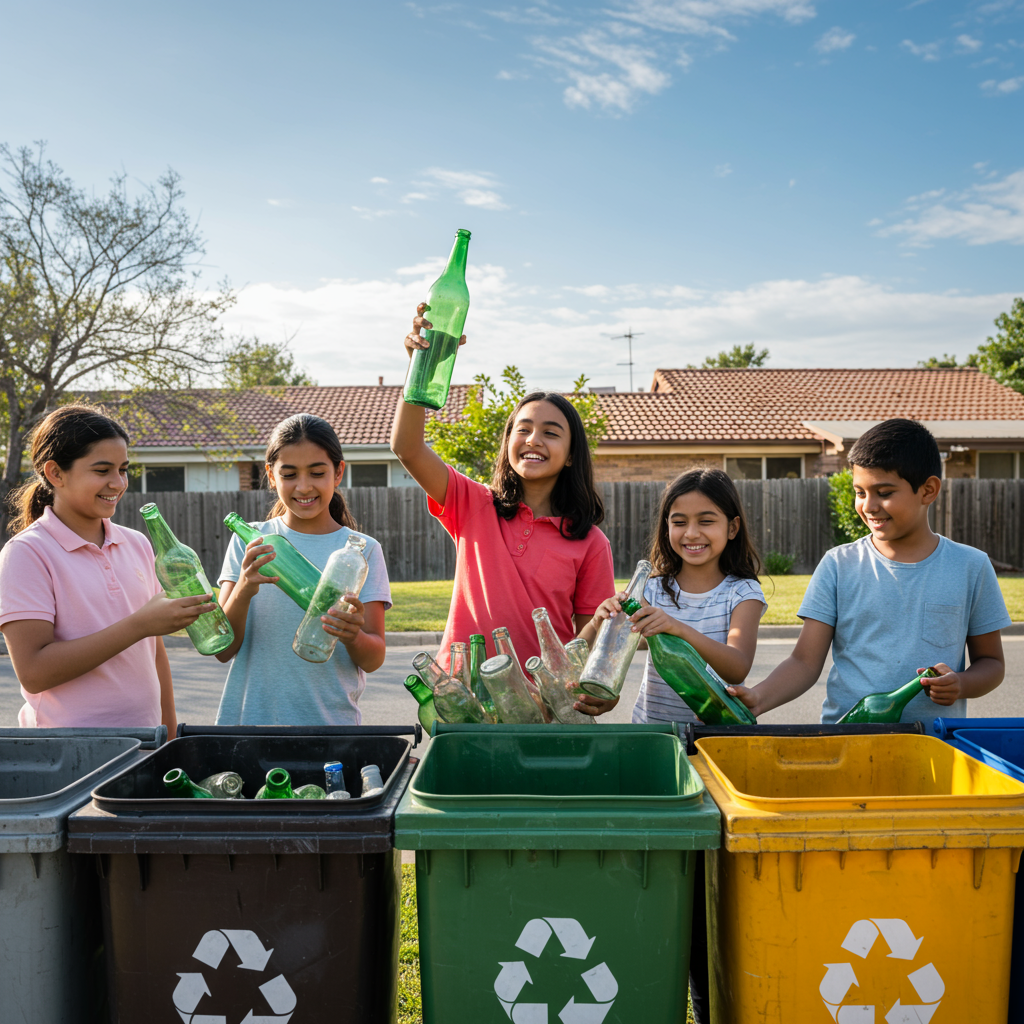
- Sort by Color If Required: Clear, green, and brown glass are commonly sorted separately by recycling facilities because different colors are recycled into different products. Check local guidelines to see if this is necessary in your area or if mixed-color recycling is accepted.
- Use Designated Collection Points: Take your prepared glass bottles to curbside bins or recycling centers according to your community’s program. Knowing the collection days or drop-off locations can streamline your routine and prevent disposal errors.
- Avoid Common Mistakes: Never recycle broken glass, mirrors, Pyrex, or other non-recyclable glass types, as these can contaminate the stream and damage equipment. Also, avoid placing glass together with incompatible recyclables as per your program’s rules.
Conclusion
Recycling glass bottles may seem like a small effort in the grand scheme, but as we’ve discovered, it plays a pivotal role in conserving natural resources and reducing pollution. By understanding the importance of recycling, you’re not just participating in a local waste management initiative; you’re taking action towards a global need for sustainability. With glass being a material that can be recycled indefinitely without losing quality, your efforts in recycling can lead to tangible positive changes. For example, recycling just one glass bottle saves enough energy to power a light bulb for about four hours – a testament to how collective small actions can lead to significant results in energy conservation.
Moreover, as you have seen in the discussions above, the process of recycling glass bottles is uncomplicated and can be incorporated into your routine with ease. Cleaning the bottles, sorting them correctly, and utilizing local recycling facilities are practical steps that empower you and your community to create a greener environment. Furthermore, recognizing and avoiding common recycling mistakes—such as contaminating bottles with food residue—can significantly enhance the efficiency of the recycling process. Every piece of properly recycled glass contributes to a cleaner planet and promotes more efficient production methods, thus reducing the need for raw material extraction.
As you move forward, consider these actionable steps. First, begin by assessing your household’s glass waste and establish a cleaning and recycling schedule that suits your routine. Educate family and friends about the benefits of glass recycling and encourage them to make similar commitments. Additionally, get involved in local recycling programs or initiatives if available. Each step taken towards proper recycling not only decreases landfill waste but also fosters a culture of sustainability in your community. For further resources, take advantage of local environment centers or community workshops dedicated to recycling education. As you become more informed and involved, you contribute to a larger movement aiming to reduce waste and protect our environment for future generations.
Remember, every bottle you recycle can change the future. By making sustainable choices and sharing knowledge, you inspire others to be part of the solution. So next time you find yourself with an empty glass bottle, know that by recycling it, you’re making a choice that echoes far and wide—from conserving natural habitats to safeguarding our air quality and joining a global effort against climate change. Together, we can cultivate a cleaner, healthier planet.