Can Renewable Energy Boost GDP? Economist Insights
The intersection of renewable energy development and economic growth represents one of the most compelling debates in modern economics. As nations worldwide commit to decarbonization targets, policymakers increasingly ask whether transitioning to clean energy sources can simultaneously achieve environmental sustainability and enhance gross domestic product. Recent economic analyses suggest the answer is more nuanced than simple yes or no—renewable energy deployment creates measurable GDP growth through multiple channels, though outcomes depend heavily on implementation strategy, labor market dynamics, and policy design.
The renewable energy sector has transformed from a niche environmental concern into a major economic driver. Global renewable energy investments exceeded $500 billion annually by 2023, creating employment across manufacturing, installation, maintenance, and research sectors. Understanding how this transformation translates into broader economic metrics requires examining the relationship between energy infrastructure, work environment quality, labor productivity, and macroeconomic performance.
This analysis explores economist insights on renewable energy’s GDP impact, examining employment creation, industrial development, cost-benefit dynamics, and the conditions necessary for sustainable economic growth through clean energy transition.

Employment Generation and Labor Market Dynamics
Renewable energy sectors demonstrate superior job creation metrics compared to fossil fuel industries. The International Renewable Energy Agency (IRENA) reports that renewable energy employment reached 13.7 million jobs globally in 2023, representing 2.3% growth year-over-year. These positions span diverse skill levels—from high-wage engineering roles to entry-level installation positions—creating pathways for economic diversification across different environments.
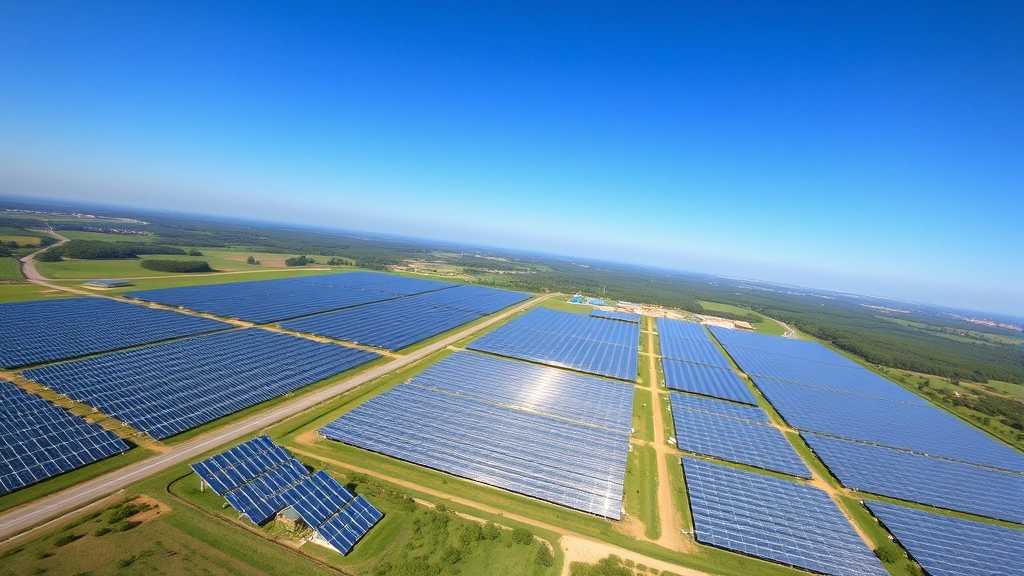
Solar photovoltaic (PV) installation generates approximately 5-10 jobs per megawatt of capacity deployed, compared to 1-2 jobs for equivalent fossil fuel generation. Wind energy similarly produces 5-8 jobs per megawatt. These employment advantages stem from the labor-intensive nature of distributed renewable infrastructure, requiring localized installation, maintenance, and grid integration services. Unlike centralized coal or natural gas plants, renewable projects distribute economic benefits across rural and urban communities.
The work environment characteristics in renewable energy sectors merit particular attention. Solar and wind technician positions offer year-round employment, competitive wages ($50,000-$80,000 annually in developed economies), and career advancement opportunities. These roles typically occur in healthier working conditions compared to fossil fuel extraction, with reduced occupational hazards and improved workplace safety standards. Manufacturing facilities for solar panels and wind turbines increasingly cluster in regional hubs, creating concentrated employment centers that stimulate local economies.
However, employment gains depend critically on workforce development. Rapid renewable deployment can exceed available skilled labor, creating bottlenecks. Countries implementing robust technical education programs—apprenticeships, community college certifications, and retraining initiatives for displaced fossil fuel workers—maximize GDP benefits. Germany’s dual-education system and Denmark’s renewable energy training programs demonstrate how institutional frameworks translate deployment into sustained employment growth.
Infrastructure Investment and Multiplier Effects
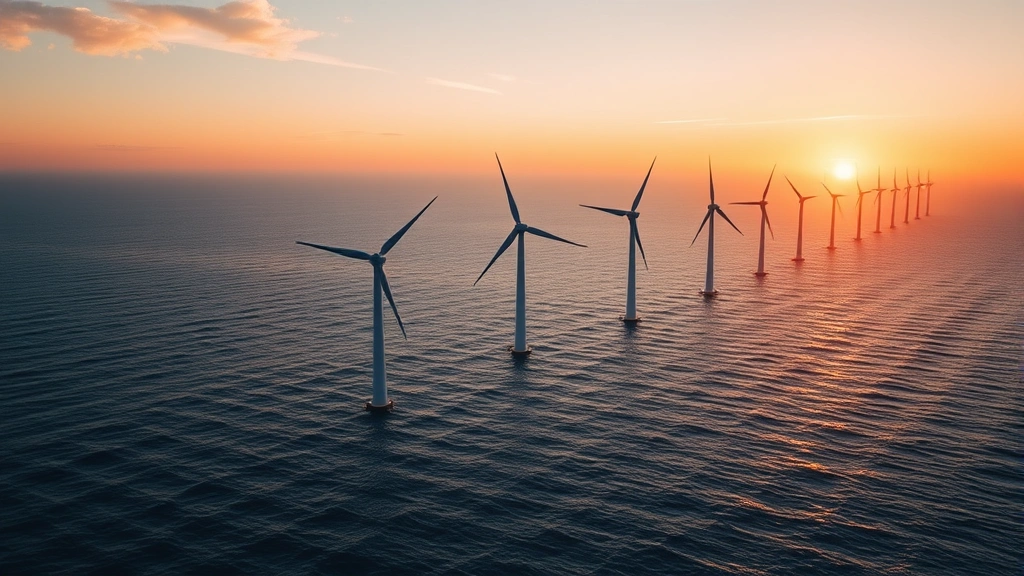
Renewable energy projects catalyze broader economic activity through investment multipliers. When a solar farm or wind facility is constructed, spending ripples through local economies: equipment suppliers, construction firms, transportation services, and hospitality sectors all benefit. Economic multiplier studies indicate renewable energy investments generate 1.5-2.5 dollars of economic activity per dollar invested, compared to 1.2-1.5 for fossil fuel infrastructure.
This multiplier effect strengthens when renewable projects source materials domestically. A study by the World Bank analyzing renewable energy projects across developing nations found that local supply chains amplify GDP impacts by 20-30% compared to projects relying entirely on imported components. Manufacturing ecosystems develop around renewable technology production—polysilicon processing, inverter manufacturing, and steel production for turbine towers create intermediate goods sectors.
Capital expenditures for renewable infrastructure ($2-4 million per megawatt for solar, $3-5 million for onshore wind) represent substantial injections into economies. These investments support construction employment, engineering services, and financial sector activity. Unlike fuel costs for fossil plants (which leak wealth to exporting nations), renewable systems eliminate ongoing fuel expenditures, retaining capital within national economies for reinvestment.
The transition toward renewable energy simultaneously reduces energy import dependence. Nations previously spending 3-8% of GDP on energy imports can reallocate these resources toward domestic investment or consumption. This reallocation effect proves particularly significant for developing economies vulnerable to energy price volatility. Bangladesh, for example, reduced energy import costs by $2 billion annually through solar deployment, freeing capital for education and infrastructure investment.
Cost Reduction and Technological Innovation
Renewable energy costs have declined dramatically, creating macroeconomic advantages. Solar PV module prices fell 90% between 2010-2023, while wind turbine costs decreased 70%. These cost reductions expand consumer purchasing power and business profitability by lowering electricity expenses. For households, reduced energy bills increase disposable income available for consumption, stimulating demand across other sectors.
Manufacturing competitiveness improves when energy costs decline. Industrial electricity expenses constitute 20-40% of total costs for energy-intensive sectors (aluminum, steel, chemicals, semiconductors). Renewable energy enables cost advantages, attracting manufacturing investment. Norway’s renewable-powered aluminum industry maintains competitive global market share despite high labor costs, demonstrating how clean energy supports industrial competitiveness.
Technological innovation accompanying renewable deployment generates positive externalities. R&D investments in battery storage, smart grids, and renewable integration technologies create innovation ecosystems. These sectors attract venture capital, establish research institutions, and develop intellectual property. Germany’s renewable energy transition stimulated patent applications in clean energy technologies, with 3,000+ patents filed annually by 2020. This innovation base supports high-value employment and export opportunities.
Learning curves inherent to renewable technologies mean cost reductions continue as deployment scales. This dynamic contrasts with fossil fuels, where cost structures remain relatively stable. Economists recognize this as a critical advantage: renewable energy becomes progressively cheaper, delivering compounding economic benefits over time. Battery storage technology currently follows similar learning curves, promising future cost reductions that will further enhance renewable energy economics.
Sectoral Transformation and Economic Restructuring
Renewable energy transitions necessarily reshape economic structures. Fossil fuel sectors—coal mining, oil extraction, natural gas production—decline as renewable energy scales. This sectoral shift creates adjustment challenges but also opens opportunities for economic diversification. The relationship between human activities and environmental systems fundamentally changes when energy production shifts from extraction to generation.
Coal-dependent regions face particular challenges. Appalachian communities historically dependent on coal mining experience employment losses as coal plants retire. However, renewable energy deployment in these regions—solar manufacturing, wind farms, battery production—can replace lost coal employment. West Virginia’s emerging solar and battery sectors created 2,000+ jobs between 2020-2023, partially offsetting coal industry decline. Success requires intentional policy support: workforce retraining programs, investment incentives, and infrastructure development.
Energy service sectors expand with renewable deployment. Grid modernization requires electrical engineers, software developers, and data analysts. Demand response management, battery operation, and renewable forecasting create new occupational categories. These positions typically offer higher wages than traditional utility employment, supporting upward income mobility. The scientific understanding of environmental systems increasingly integrates economic modeling, creating interdisciplinary career pathways.
Agricultural sectors benefit through dual-use renewable models. Agrivoltaics—combining solar generation with crop production—enables farmers to generate electricity revenue while maintaining agricultural output. This approach increases farm profitability by 20-40% and supports rural economic sustainability. Similarly, biomass production integrated with sustainable forestry creates renewable feedstock industries supporting biorefining and biochemical sectors.
Policy Frameworks and Implementation Challenges
Renewable energy’s GDP impact depends critically on policy design. Feed-in tariff policies, renewable portfolio standards, investment tax credits, and carbon pricing mechanisms shape deployment rates and economic outcomes. Comprehensive analysis of economic policy effectiveness reveals that well-designed support mechanisms maximize GDP benefits.
Policy uncertainty undermines renewable investment. Inconsistent subsidy structures, changing regulatory requirements, and political volatility deter long-term capital commitment. Countries with stable, predictable renewable policies—Denmark, Germany, Costa Rica—achieve higher deployment rates and stronger economic returns. Conversely, regions with volatile policy environments experience investment delays and reduced job creation.
Grid integration costs represent significant economic considerations. Renewable energy’s variable output requires grid flexibility, storage capacity, and demand management infrastructure. These system costs—estimated at $50-200 per megawatt-hour depending on penetration levels—must be factored into renewable energy economics. However, declining battery costs increasingly make storage economically competitive, reducing this burden.
Permitting timelines critically affect project economics. Lengthy environmental review processes, competing land use claims, and local opposition delay projects, increasing costs and reducing returns on investment. Streamlined permitting in Denmark and Germany accelerates deployment and improves economic performance. Some research suggests that reducing permitting timelines from 3-5 years to 1-2 years could increase renewable deployment by 20-30%, with corresponding GDP impacts.
Regional Economic Disparities
Renewable energy deployment patterns create uneven geographic benefits. Regions with superior renewable resources—high solar irradiance, consistent wind patterns, hydroelectric potential—capture disproportionate economic advantages. This concentration risk mirrors fossil fuel dependency but with different geographic patterns. Equitable transition requires deliberate policy intervention to distribute renewable benefits across regions.
Developing nations face particular opportunities and challenges. Leapfrogging fossil fuel infrastructure, these economies can deploy renewable energy at lower total costs than developed nations. However, capital constraints, technical capacity limitations, and weak institutional frameworks often constrain deployment. International climate finance mechanisms aim to address these barriers, but funding remains insufficient relative to investment needs.
Manufacturing location significantly impacts regional benefits. China currently dominates solar panel and wind turbine manufacturing, capturing 80% of global production. This concentration means many nations import renewable equipment, limiting domestic manufacturing employment. Countries establishing local manufacturing capacity—India’s solar module production, Brazil’s wind turbine assembly—capture greater economic benefits. Trade policy, tariff structures, and industrial strategy determine whether renewable transitions strengthen or weaken domestic manufacturing bases.
Long-Term Economic Sustainability
Renewable energy’s ultimate GDP contribution depends on long-term sustainability. Unlike fossil fuels, renewable resources remain perpetually available, supporting indefinite economic activity. This fundamental characteristic creates distinct macroeconomic advantages. Economies powered by renewable energy escape resource depletion constraints and energy price volatility affecting fossil fuel-dependent systems.
Climate damages avoided through renewable deployment represent enormous economic benefits rarely captured in GDP accounting. The United Nations Environment Programme estimates climate change damages could reduce global GDP by 10-23% by 2100 without mitigation. Renewable energy deployment prevents these catastrophic scenarios, preserving economic capacity and enabling continued growth. Standard GDP metrics fail to capture these avoided damages, understating renewable energy’s true economic value.
Stranded assets present economic risks in delayed renewable transitions. Coal plants, oil refineries, and fossil fuel infrastructure built for decades of operation lose value as renewable energy becomes economically dominant. Premature asset retirement creates financial losses for investors, utilities, and communities dependent on fossil fuel industries. Orderly renewable transitions—with adequate planning, support, and timeline—minimize stranded asset losses and smooth economic adjustment.
Energy independence strengthens economic resilience. Nations relying on renewable energy reduce vulnerability to geopolitical disruptions affecting fossil fuel supplies. The 2022 global energy crisis, triggered by Russian oil and gas supply disruptions, devastated economies lacking renewable alternatives. Renewable-powered economies experienced minimal impacts, demonstrating how energy independence supports macroeconomic stability.
Human capital development represents an underappreciated renewable energy benefit. Renewable energy sectors demand higher educational attainment than fossil fuel industries. This demand drives workforce development, supporting education sector expansion and productivity improvements. Over time, enhanced human capital generates returns extending beyond energy sectors into broader economic productivity.


