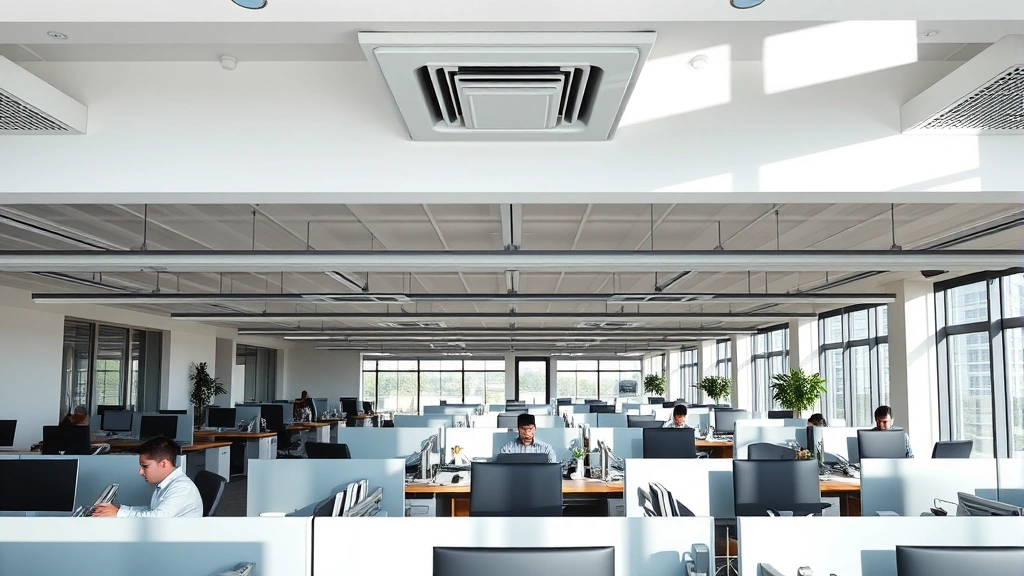
Optimal Work Temps: Boost or Bust Productivity?
Temperature regulation in the workplace represents one of the most overlooked yet economically significant factors affecting human performance, energy consumption, and organizational efficiency. While many employers focus on ergonomic chairs and lighting systems, the thermal environment remains a critical variable that directly influences cognitive function, physical comfort, and metabolic productivity. Research increasingly demonstrates that working environment temperature operates as a complex interplay between physiological constraints, economic optimization, and environmental sustainability—creating a paradox where comfort and efficiency don’t always align.
The relationship between thermal conditions and workplace productivity extends far beyond employee comfort. Studies indicate that temperature variations can reduce cognitive performance by 10-15%, increase error rates by up to 44%, and directly impact absenteeism and turnover costs. Simultaneously, heating and cooling systems account for approximately 40-50% of commercial building energy consumption, making thermal management a critical sustainability concern. Understanding this intersection of human performance, economic output, and ecological impact reveals why optimal working environment temperature has become a central concern for forward-thinking organizations seeking to balance productivity gains with environmental responsibility.
The Science Behind Temperature and Cognitive Performance
The human brain operates optimally within a narrow thermal window, and deviations in working environment temperature produce measurable impacts on mental acuity, decision-making speed, and creative problem-solving. Research from global climate and health institutions demonstrates that thermal stress activates the sympathetic nervous system, diverting metabolic resources toward thermoregulation rather than cognitive tasks. When core body temperature rises above the optimal range (typically 37°C), cognitive performance deteriorates through several mechanisms: reduced cerebral blood flow, increased perception of effort, and elevated stress hormone production.
A landmark study published in environmental psychology literature found that when office temperatures exceeded 25°C (77°F), typing errors increased significantly while typing speed decreased. Conversely, temperatures below 18°C (64°F) produced similar performance decrements through different mechanisms—employees experienced reduced fine motor control and increased energy expenditure on maintaining body heat. The relationship between temperature and performance follows a non-linear curve, with peak productivity occurring between 20-23°C (68-73°F) for most populations engaged in sedentary cognitive work.
The physiological mechanisms underlying temperature sensitivity involve the preoptic area of the hypothalamus, which constantly monitors core and skin temperature through specialized thermoreceptors. This thermal sensing system influences alertness through connections to the reticular activating system—the neural network responsible for maintaining consciousness and attention. When working environment temperature deviates substantially from thermoneutrality, the brain allocates executive function resources to discomfort management, leaving fewer cognitive resources available for complex problem-solving, strategic thinking, and creative innovation.
Beyond immediate cognitive effects, chronic thermal stress produces cumulative productivity losses through increased fatigue and reduced work motivation. Employees exposed to suboptimal temperatures report greater mental exhaustion by day’s end, suggesting that temperature stress depletes limited cognitive resources across the workday. This depletion manifests as reduced afternoon performance, increased procrastination, and diminished decision quality during later work hours.
Economic Implications of Thermal Comfort
The economic calculus surrounding working environment temperature extends far beyond heating and cooling utility bills. Organizational costs associated with suboptimal thermal conditions include productivity losses, healthcare expenses, absenteeism, presenteeism (reduced performance while present), and employee turnover. Research from occupational health economics suggests that thermal discomfort accounts for 5-10% of total workplace productivity losses in office environments, translating to thousands of dollars per employee annually in large organizations.
When examining the work environment holistically, temperature emerges as a primary driver of employee satisfaction and retention. Surveys consistently show that thermal comfort ranks among the top three workplace factors affecting job satisfaction, alongside compensation and career development opportunities. Companies investing in optimized thermal conditions experience measurable improvements in employee retention rates, reducing costly recruitment and training expenses. The cost of replacing a single mid-level employee typically ranges from 50-200% of annual salary when accounting for recruitment, training, lost productivity, and knowledge transfer—making temperature optimization a legitimate human capital investment.
The relationship between thermal comfort and healthcare costs operates through multiple pathways. Suboptimal temperatures increase susceptibility to respiratory infections, exacerbate existing cardiovascular conditions, and contribute to chronic stress-related illnesses. Organizations with poor thermal control report higher rates of sick leave usage, greater workers’ compensation claims, and elevated group health insurance premiums. Some forward-thinking companies have begun calculating the return on investment for climate control improvements by comparing energy costs against documented productivity gains and healthcare savings.
Economic analyses from environmental economics research institutions reveal that building owners and facility managers face a complex optimization problem. Increasing thermal precision through advanced HVAC systems requires substantial capital investment and ongoing maintenance costs. However, the productivity benefits from improved thermal comfort often exceed these infrastructure costs within 3-5 year timeframes, particularly in knowledge-intensive industries where cognitive performance directly translates to revenue generation.
Energy Consumption and Environmental Impact
The environmental cost of maintaining comfortable working environment temperature represents a significant portion of commercial building emissions. Heating, ventilation, and air conditioning (HVAC) systems consume approximately 40-50% of total commercial building energy, directly contributing to greenhouse gas emissions and climate change acceleration. In developed economies, commercial buildings account for roughly 18% of total energy consumption, with climate control systems driving the majority of this demand.
The sustainability paradox emerges clearly when considering temperature optimization: achieving peak productivity temperatures often requires energy-intensive cooling in warm climates or heating in cold climates. Setting office temperatures at 21°C (70°F) year-round in naturally warm regions necessitates continuous air conditioning, while maintaining this temperature in cold climates requires persistent heating. This creates a tension between individual comfort preferences and collective environmental responsibility—a classic tragedy of the commons scenario where individually rational temperature preferences produce collectively irrational environmental outcomes.
Lifecycle assessment studies demonstrate that the embodied carbon in HVAC systems, combined with operational emissions across 20-year building lifespans, creates substantial environmental burdens. A single large commercial building might generate 1,000+ metric tons of CO2 equivalent annually from climate control alone. Multiplying this across millions of commercial buildings globally reveals that thermal comfort maintenance contributes significantly to anthropogenic climate change, with implications for ecosystem degradation, biodiversity loss, and long-term economic stability.
The relationship between carbon footprint reduction and thermal comfort creates a genuine policy dilemma. Reducing HVAC energy consumption through wider acceptable temperature ranges inevitably produces some productivity losses and employee dissatisfaction. Conversely, maintaining narrow thermal comfort zones generates environmental costs that externalize climate risks onto future generations and vulnerable populations. This intergenerational equity problem requires moving beyond simple cost-benefit analysis toward frameworks that explicitly value environmental sustainability alongside productivity gains.
Finding the Productivity Sweet Spot
Determining optimal working environment temperature requires moving beyond single-factor optimization toward systems thinking that integrates productivity, comfort, sustainability, and economic considerations. The research consensus suggests that 20-23°C (68-73°F) represents the productivity-maximizing range for most sedentary office workers, but this range exhibits substantial individual variation based on age, gender, body composition, acclimatization history, and work task characteristics.
Task-specific temperature requirements vary considerably across different work types. Cognitive work requiring sustained attention and analytical thinking shows peak performance at slightly cooler temperatures (19-21°C) compared to creative work, which sometimes benefits from slightly warmer conditions (22-24°C) that enhance mood and reduce anxiety. Physical work in manufacturing or logistics environments requires different thermal considerations, with workers needing cooler conditions due to metabolic heat production, yet simultaneously requiring sufficient warmth to maintain fine motor control and prevent cold-related injuries.
The concept of “thermal neutrality” provides a useful framework—this represents the temperature at which individuals require no thermoregulatory effort, neither shivering to generate heat nor sweating to dissipate heat. For most adults in light clothing, thermal neutrality occurs around 23-24°C in still air. However, air movement, humidity, radiation from surfaces, and clothing insulation substantially modify thermal perception, meaning that the same air temperature produces different thermal sensations depending on these contextual factors.
Practical optimization strategies balance competing objectives through several approaches. Seasonal temperature adjustments, where organizations gradually shift setpoints across seasons, reduce the shock of temperature changes while allowing physiological acclimatization. Setpoint temperatures of 21°C in winter and 23°C in summer accommodate both seasonal outdoor expectations and acclimatization patterns while remaining within the productivity-optimal range. Some progressive organizations implement personal climate control systems that allow individual workstation temperature adjustment, acknowledging that one-size-fits-all approaches inevitably create winners and losers among employees.
Gender, Individual Differences, and Thermal Preferences
One of the most contentious aspects of working environment temperature management involves documented gender differences in thermal preferences. Women consistently report preference for warmer temperatures than men, with average preference differences of 2-3°C. These differences stem from multiple biological and behavioral factors: women typically have lower metabolic rates, different body composition (higher fat percentage), and different peripheral blood flow patterns compared to men. Additionally, women’s clothing norms (often involving thinner, less insulating garments) create different thermal environments at identical room temperatures.
This thermal gender gap creates genuine equity challenges in shared office spaces. Setting temperatures to accommodate male preferences leaves female employees uncomfortably cold, while accommodating female preferences leaves male employees uncomfortably warm. Research on thermal preferences reveals this isn’t merely subjective discomfort—temperature misalignment with individual preferences produces measurable cognitive performance reductions and increased stress responses. Some organizations have begun implementing personal climate control systems, allowing individual adjustment of local thermal conditions through heated/cooled desk pads, personal air delivery systems, or individual thermostat control for workstation zones.
Beyond gender, substantial individual variation in thermal preference exists based on age, body mass index, acclimatization history, and baseline metabolic rate. Older workers often prefer warmer temperatures due to reduced metabolic heat production and age-related changes in thermoregulation. Individuals with higher body mass tend toward cooler temperature preferences. Acclimatization effects mean that workers in naturally warm climates prefer higher temperatures than those in naturally cold climates, even when working in identical office environments. These individual differences suggest that rigid, uniform temperature policies inevitably create suboptimal conditions for portions of the workforce.
The practical challenge involves balancing individual accommodation against operational feasibility. Organizations with thousands of employees cannot practically provide completely individualized thermal environments, yet entirely uniform approaches systematically disadvantage particular demographic groups. Progressive approaches involve creating types of work environments with different thermal setpoints, allowing employees to choose workspaces matching their preferences. Some research suggests that providing choice and control over thermal conditions produces greater satisfaction even when the actual thermal environment remains suboptimal, suggesting that psychological factors influence thermal comfort as substantially as physical conditions.
Technological Solutions and Smart Climate Control
Emerging technologies offer potential pathways toward reconciling productivity optimization with environmental sustainability in working environment temperature management. Smart building systems using artificial intelligence, occupancy sensors, and real-time thermal monitoring enable dynamic temperature adjustment based on actual building usage patterns rather than predetermined schedules. These systems can reduce energy consumption by 15-30% compared to conventional fixed-setpoint systems while maintaining thermal comfort for occupied spaces.
Machine learning algorithms trained on occupancy patterns, external weather conditions, and employee feedback can predict optimal thermal conditions for specific times and locations within buildings. Rather than maintaining uniform 21°C throughout an entire building regardless of occupancy, smart systems identify occupied zones and maintain comfort conditions only where needed. Unoccupied spaces cool or warm passively toward ambient conditions, dramatically reducing unnecessary conditioning energy. Some advanced systems even integrate employee preference data, learning individual thermal preferences and automatically adjusting personal workstation conditions when employees arrive.
Radiant heating and cooling systems represent another technological advancement offering thermal comfort with reduced energy consumption. Rather than conditioning entire rooms to comfortable air temperatures, radiant systems deliver warmth or cooling directly through floor, ceiling, or wall panels. This approach maintains thermal comfort at higher air temperatures (up to 25°C) because radiant heat transfer directly warms occupants, reducing required air conditioning load. Radiant systems can reduce HVAC energy consumption by 20-40% compared to conventional all-air systems while maintaining superior thermal comfort.
Personal climate control devices—heated/cooled desk pads, desk fans, heated vests, and localized air delivery systems—enable employees to fine-tune their immediate thermal microclimate without conditioning the entire building. These devices consume minimal energy per user while dramatically improving thermal satisfaction. A study comparing centralized temperature control against personal climate control found that personal devices reduced overall building energy consumption by 5-8% while simultaneously improving employee satisfaction scores by 25-35%, suggesting a genuine win-win scenario where technology enables both productivity and sustainability improvements.
Building envelope improvements, including enhanced insulation, high-performance windows, and passive solar design, reduce the thermal load that HVAC systems must manage. Strategic window placement and automated shading systems can reduce cooling loads by 30-50% in sunny climates. These architectural interventions represent longer-term investments but produce permanent reductions in thermal management energy requirements, essentially decoupling indoor comfort from operational energy consumption.
Industry-Specific Temperature Requirements
Different industries and work types require substantially different working environment temperature optimization. Understanding these variations proves essential for developing appropriate thermal management strategies. Manufacturing and industrial settings present unique challenges where worker-generated metabolic heat combines with equipment heat production, requiring cooler ambient temperatures to prevent dangerous hyperthermia. Simultaneously, maintaining adequate warmth for proper motor control and injury prevention necessitates careful thermal management.
Data centers and server facilities require dramatically cooler temperatures—typically 18-21°C—primarily to protect sensitive equipment rather than optimize human comfort. In these environments, the human workforce represents a secondary consideration, with infrastructure protection dominating thermal strategy. However, workers in data centers still require thermal comfort for sustained cognitive performance during maintenance and troubleshooting tasks. Some organizations implement rotating work schedules in extreme thermal environments, limiting individual exposure duration to prevent chronic thermal stress.
Healthcare environments present particularly complex thermal requirements, as different areas serve different functions. Operating rooms require precise temperature control (typically 20-21°C) to prevent surgical site infections and ensure optimal surgeon performance. Patient care areas require warmer temperatures (22-24°C) to accommodate patients in hospital gowns or recovering from anesthesia. These competing requirements necessitate sophisticated zoning and precise control systems, making healthcare facilities among the most energy-intensive building types.
Research and laboratory environments often require specific thermal conditions to ensure experimental validity, independent of human comfort considerations. Precision manufacturing facilities require temperature stability to prevent material expansion/contraction that could compromise product quality. In these cases, the working environment temperature serves primarily technical requirements rather than human optimization, though worker comfort remains a secondary consideration affecting productivity and safety.
When considering human environment interaction across industries, it becomes clear that thermal management cannot follow universal prescriptions. Effective thermal strategies must account for specific industry characteristics, work task requirements, equipment needs, and workforce demographics. The increasing sophistication of building control systems enables more nuanced, industry-specific approaches that previously seemed impractical.

Organizational Best Practices and Implementation Strategies
Successful working environment temperature optimization requires integrated approaches combining technical systems, policy frameworks, and employee engagement. Organizations implementing comprehensive thermal management strategies typically follow several best practices that balance competing objectives while maintaining employee satisfaction.
Baseline assessment represents the essential first step, involving measurement of actual thermal conditions across different building zones, documentation of employee thermal preferences through surveys, and analysis of existing energy consumption patterns. This data-driven foundation enables organizations to identify specific problem areas where thermal conditions consistently fall outside optimal ranges or where substantial employee dissatisfaction exists. Many organizations discover significant variations in thermal conditions across seemingly identical office zones, with some areas maintaining optimal temperatures while others deviate substantially, suggesting opportunities for system optimization and redistribution.
Seasonal temperature adjustment strategies reduce energy consumption while accommodating psychological expectations about seasonal temperature norms. Setting winter heating setpoints to 20°C and summer cooling setpoints to 23-24°C reduces annual energy consumption by 10-15% compared to maintaining constant 21°C year-round. Workers expect different temperatures seasonally, and setpoints aligned with seasonal outdoor conditions feel more comfortable psychologically even when they deviate slightly from physiological optimality. This demonstrates the importance of understanding thermal comfort as a psychological phenomenon incorporating expectations and cultural norms alongside physical sensations.
Zoning strategies that create thermal microclimates for different work types and departments reduce unnecessary conditioning of spaces serving different functions. Conference rooms can tolerate slightly wider temperature ranges than focused cognitive work areas. Break rooms and social spaces require different thermal conditions than individual workstations. Stratifying thermal requirements by functional area enables more efficient system operation, conditioning different zones to different setpoints rather than forcing uniform conditions throughout buildings.
Employee engagement and education programs improve thermal satisfaction through multiple mechanisms. Many thermal complaints reflect insufficient understanding of how personal factors (clothing, activity level, recent meal consumption) influence thermal sensation. Educating employees about thermal comfort science, explaining organizational thermal policies, and soliciting feedback creates psychological ownership of thermal management. Some organizations implement “thermal committees” including representatives from different departments and demographics, creating forums for discussing thermal concerns and developing consensus around temperature policies. This participatory approach reduces complaints even when actual thermal conditions remain unchanged, suggesting that perceived fairness and voice matter substantially for thermal satisfaction.
Maintenance and commissioning of HVAC systems proves critical for maintaining designed performance. Many buildings operate significantly below design efficiency due to deferred maintenance, incorrect calibration, and system degradation. Regular preventive maintenance, sensor recalibration, and filter replacement ensure that systems deliver intended thermal conditions while maintaining energy efficiency. Some organizations employ building commissioning agents—specialists who systematically test and optimize building system performance—achieving 10-20% energy savings without any capital expenditure, simply through improved system operation.

Future Perspectives and Emerging Considerations
Climate change introduces new complications to working environment temperature optimization strategies. As global temperatures rise, maintaining comfortable indoor conditions requires increasing energy expenditure for cooling, particularly in warm climates. Some projections suggest that cooling energy demand could increase 50-100% by 2050 in some regions due to climate warming, creating sustainability challenges that current approaches cannot adequately address. Organizations will increasingly face decisions about whether to maintain historical comfort standards (requiring escalating energy consumption and emissions) or gradually expand acceptable thermal ranges as outdoor conditions shift.
The COVID-19 pandemic accelerated remote work adoption, fundamentally altering thermal management requirements in commercial buildings. Many organizations now operate at substantially reduced occupancy levels compared to pre-pandemic years, with corresponding reductions in cooling and heating needs. This shift enables more aggressive energy conservation through wider temperature ranges and reduced conditioning intensity, as lower occupancy densities reduce internal heat gain from human metabolism. However, hybrid work environments create new thermal challenges, as buildings must maintain comfort conditions for unpredictable occupancy patterns, potentially requiring more sophisticated control systems.
Workplace wellness programs increasingly incorporate thermal comfort as a health and wellbeing consideration. Organizations recognize that thermal comfort influences not only productivity but also employee health outcomes, stress levels, and overall job satisfaction. Some progressive companies measure thermal comfort alongside traditional wellness metrics, incorporating temperature satisfaction into employee health assessments and workplace quality evaluations. This broadening of thermal management from mere environmental control toward holistic employee wellbeing integration reflects evolving understanding of thermal comfort’s psychological and physiological importance.
Research into thermal preference and comfort continues expanding, with newer studies examining thermal comfort in diverse populations, different climatic regions, and varying cultural contexts. This research challenges Western-centric comfort standards that have historically dominated thermal design, revealing substantial variation in thermal preferences across global populations. As organizations become increasingly multinational and diverse, developing thermally inclusive environments that accommodate varied preferences represents an emerging challenge with both equity and business implications.
The concept of “thermal justice” has emerged in environmental justice literature, highlighting how inadequate thermal control in low-income housing, workplaces, and public spaces disproportionately affects vulnerable populations. Workers in informal sectors, outdoor occupations, and low-wage jobs frequently experience thermal stress without access to controlled environments, representing a significant occupational health equity issue. Some scholars and policymakers advocate for thermal comfort standards that extend beyond affluent office environments to include protections for all working populations, regardless of employment sector or socioeconomic status.
FAQ
What is the ideal office temperature for productivity?
Research indicates 20-23°C (68-73°F) optimizes cognitive performance for most office workers, with peak productivity typically occurring around 21°C (70°F). However, optimal temperature varies based on individual factors, work task types, and acclimatization patterns. Some evidence suggests slightly cooler temperatures (19-21°C) benefit analytical cognitive work, while creative tasks sometimes benefit from marginally warmer conditions (22-24°C).
Why do women prefer warmer temperatures than men?
Women typically prefer temperatures 2-3°C warmer than men due to several biological factors: lower basal metabolic rates producing less internal heat, higher body fat percentage with different thermal properties, different peripheral blood flow patterns, and cultural norms involving lighter, less insulating clothing. These differences are physiologically grounded rather than merely subjective preference variations, creating genuine equity challenges in shared thermal environments.
How much energy does HVAC consume in commercial buildings?
Heating, ventilation, and air conditioning systems typically account for 40-50% of total commercial building energy consumption. In developed economies, commercial buildings consume roughly 18% of total energy use, meaning HVAC systems represent approximately 7-9% of total commercial sector energy consumption, with corresponding greenhouse gas emission implications.
Can personal climate control devices reduce energy consumption?
Yes, research demonstrates that personal climate control devices (heated/cooled desk pads, localized air delivery systems) can reduce building energy consumption by 5-8% while simultaneously improving employee thermal satisfaction by 25-35%. These devices enable individualized thermal comfort without conditioning entire buildings, creating potential win-win scenarios for both productivity and sustainability.
What temperature should manufacturing facilities maintain?
Manufacturing environments typically require cooler temperatures than office settings due to worker-generated metabolic heat and equipment heat production. Optimal temperatures vary by specific manufacturing process, but generally range from 16-21°C (61-70°F). However, adequate warmth must be maintained to prevent cold-related injuries and ensure proper motor control for precision work.
How does seasonal temperature adjustment affect energy consumption?
Setting heating setpoints to 20°C in winter and cooling setpoints to 23-24°C in summer reduces annual energy consumption by approximately 10-15% compared to maintaining constant 21°C year-round. Seasonal adjustment also aligns with psychological expectations about appropriate seasonal temperatures, often improving satisfaction despite slightly wider temperature ranges.
Do thermal comfort preferences vary across cultures?
Yes, substantial research indicates thermal comfort preferences vary significantly across different cultural and climatic regions. Populations in naturally warm climates typically prefer higher temperatures than those in cold climates, even when working in identical controlled environments. These differences reflect both physiological acclimatization and cultural conditioning regarding appropriate thermal environments.
What is the relationship between temperature and error rates?
Studies document that suboptimal working environment temperature increases error rates substantially—research suggests error rates can increase by up to 44% when temperatures deviate significantly from optimal ranges. This relationship reflects reduced cognitive resources available for error detection and correction when thermoregulation demands increase.


