Can Green Economy Boost Jobs? Economist Insights
The transition to a green economy represents one of the most significant economic transformations of the 21st century. As governments worldwide commit to climate goals and environmental sustainability, a critical question emerges: can this ecological pivot simultaneously generate meaningful employment opportunities? Economist research increasingly suggests the answer is yes—but with important caveats about timing, investment, and sectoral shifts.
The International Labour Organization estimates that the transition to sustainable economies could generate up to 24 million new jobs globally by 2030, while simultaneously reducing greenhouse gas emissions. However, this optimistic projection depends on strategic policy implementation, adequate capital allocation, and workforce retraining programs that bridge traditional industries with emerging green sectors.
Understanding the mechanisms through which environmental economics creates employment requires examining both macro-level trends and specific sectoral opportunities. This analysis draws from peer-reviewed economic research, World Bank data, and insights from leading ecological economists who study the intersection of environmental policy and labor markets.
Understanding the Green Economy Job Multiplier
The relationship between environmental investment and employment creation operates through several interconnected mechanisms. When governments and private entities invest in renewable energy infrastructure, energy efficiency retrofitting, or sustainable agriculture, they don’t simply create direct jobs—they generate cascading economic activity throughout supply chains and local communities.
Economists define this phenomenon as the job multiplier effect. Research from the World Bank demonstrates that clean energy investments typically produce 2-3 times more jobs per dollar spent compared to fossil fuel infrastructure. This advantage stems from several factors: renewable technologies require more labor-intensive manufacturing and installation, maintenance demands ongoing local employment, and green supply chains often source materials and services regionally rather than globally.
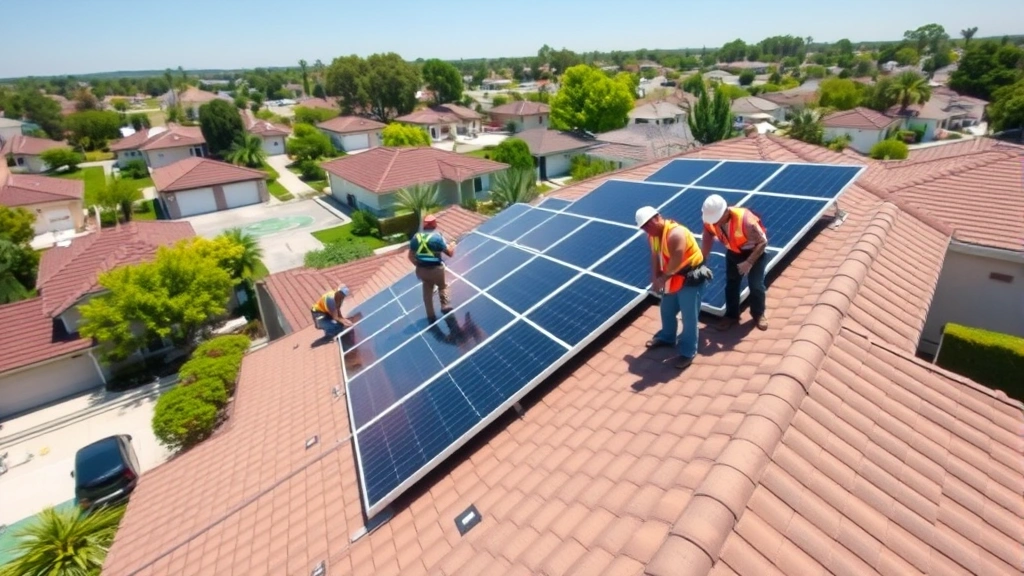
The International Renewable Energy Agency (IRENA) reported that renewable energy employment reached 12.7 million jobs worldwide in 2021, with solar photovoltaic installation alone accounting for 3.1 million positions. Critically, these roles span multiple skill levels—from high-skilled engineers designing systems to technicians and installers requiring vocational training, to manufacturing workers producing components.
A fundamental insight from UNEP’s Green Jobs Programme reveals that employment intensity (jobs per unit of economic output) varies significantly across sectors. Renewable energy installation generates approximately 7-8 jobs per million dollars invested, while fossil fuel energy produces only 2-3 jobs. This differential reflects the labor requirements of different technologies and the geographic distribution of economic benefits.
However, economists emphasize that job creation depends critically on policy design. Without deliberate workforce development initiatives, capital flows to green sectors may simply redirect employment from traditional industries rather than creating net new opportunities. This distinction between job shifting and job creation fundamentally shapes whether green economy transitions benefit workers or exacerbate inequality.
Renewable Energy Sector Employment Growth
The renewable energy sector exemplifies how environmental imperatives align with labor market expansion. Solar, wind, geothermal, and hydroelectric technologies require installation, maintenance, grid integration, and manufacturing capabilities that collectively employ millions globally.
Solar photovoltaic (PV) installation represents the fastest-growing occupational category in many developed economies. The U.S. Bureau of Labor Statistics projects solar installer positions will grow 50% faster than average occupations through 2030. This acceleration reflects both declining technology costs—which make solar economically competitive—and policy support through tax credits and renewable portfolio standards. Each megawatt of solar capacity installed creates approximately 15-20 job-years of employment when accounting for manufacturing, installation, and supply chain activities.
Wind energy similarly demonstrates substantial employment potential. Onshore wind turbine technicians represent a specialized but rapidly expanding workforce. These positions typically offer wages 20-30% above median manufacturing salaries, attracting workers from declining fossil fuel industries. A single 2.5-megawatt wind turbine requires 15-20 workers for installation and generates ongoing maintenance employment for 10-15 years. Offshore wind development promises even greater employment intensity due to increased technical complexity and installation challenges.
Beyond direct installation, renewable energy sectors create ancillary employment in renewable energy for homes and commercial systems, grid modernization, energy storage systems, and electrical infrastructure upgrades. Battery manufacturing for energy storage, a critical component for renewable integration, represents an emerging employment frontier. As economies transition toward electrification and renewable-heavy grids, battery production facilities require thousands of manufacturing workers, many of whom transition from automotive or electronics sectors.
The International Energy Agency projects that achieving net-zero emissions by 2050 requires renewable energy employment to expand from current levels to approximately 40 million workers globally. This expansion assumes successful workforce development programs that train workers in emerging technologies while providing transition support for those leaving carbon-intensive sectors.
Circular Economy and Manufacturing Jobs
The circular economy model—where products are designed for reuse, repair, and recycling rather than disposal—generates distinct employment patterns compared to linear production systems. This approach fundamentally restructures manufacturing and service sectors to prioritize human and environment interaction through sustainable resource management.
Research from the Ellen MacArthur Foundation indicates that transitioning to circular economy principles could create 700,000 additional jobs in the European Union alone by 2030, primarily in repair, remanufacturing, and recycling sectors. These roles typically offer moderate skill requirements and strong local employment anchoring—repair and remanufacturing cannot be easily offshored.
Product lifecycle extension directly generates employment. Consider smartphones or electronics: linear models emphasize replacement, while circular approaches prioritize repair and component recovery. Repair technicians, refurbishment specialists, and materials recovery workers constitute a growing labor pool. The right-to-repair movement, increasingly embedded in policy frameworks, mandates manufacturer support for product longevity, creating service economy jobs that replace manufacturing positions lost to efficiency improvements.
Waste management and recycling sectors exemplify circular economy employment expansion. Advanced recycling facilities processing metals, plastics, and composites require skilled technicians, equipment operators, and quality control specialists. Importantly, recycling employment concentrates geographically, creating local opportunities that cannot be outsourced. A modern materials recovery facility employing 50-100 workers serves regional populations, anchoring economic activity within communities.
Fashion and textile industries demonstrate circular economy potential at scale. Sustainable fashion brands and circular clothing models require designers, materials scientists, and production workers focused on durability and recyclability. Employment in these sectors often pays premium wages compared to fast-fashion manufacturing, reflecting both skill requirements and environmental value capture.
Economists studying circular economy transitions identify critical success factors: policy frameworks establishing extended producer responsibility, consumer education supporting repair culture, and investment in collection and sorting infrastructure. Without these enabling conditions, circular economy potential remains unrealized.

Ecological Restoration as Job Creation Engine
Ecosystem restoration represents an underappreciated employment frontier within green economy transitions. Reforestation, wetland restoration, mangrove replanting, and soil regeneration projects combine environmental benefits with substantial labor requirements, particularly for lower-skill workers in developing economies.
The United Nations Environment Programme estimates that restoration of degraded ecosystems could employ 10 million workers globally while sequestering carbon and restoring ecosystem services. These projects inherently require manual labor—tree planting, invasive species removal, habitat preparation—that cannot be mechanized cost-effectively and creates immediate employment for rural and underemployed populations.
A notable example emerges from Ethiopia’s Green Legacy Initiative, which planted 5 billion trees over three years, directly employing hundreds of thousands of workers while restoring degraded landscapes. Similar programs in India, Indonesia, and Africa demonstrate scalability and employment intensity. Tree planting initiatives generate approximately 10-15 job-days per hectare, primarily benefiting rural communities with limited alternative employment.
Restoration work also creates seasonal employment patterns that complement agricultural cycles, particularly valuable in developing economies where seasonal income volatility constrains household welfare. Workers trained in restoration techniques develop transferable skills applicable to sustainable agriculture, environmental monitoring, and landscape management.
However, economists emphasize that ecological restoration employment requires sustained funding mechanisms. One-time project funding creates temporary jobs without building permanent economic capacity. Successful models establish long-term restoration enterprises, often structured as social enterprises or community-based organizations, that create stable employment while delivering environmental outcomes. These models align employment creation with ecosystem service provision—payment for ecosystem services frameworks compensate restoration workers for carbon sequestration, water purification, and biodiversity conservation.
Challenges and Transition Risks
While green economy potential appears substantial, economists identify critical challenges that could undermine employment benefits if inadequately addressed. The most significant concern involves just transition—ensuring that workers and communities dependent on fossil fuel industries receive support during economic restructuring.
Coal mining regions in Appalachia, Eastern Europe, and Australia face acute employment disruption as coal demand declines. These communities possess specialized workforces, infrastructure investment, and cultural identities centered on fossil fuel extraction. Simply expanding renewable energy jobs elsewhere provides little comfort to coal miners unable to relocate or retrain. Economic research documents that regional job losses concentrate pain while distributed job gains remain diffuse, creating political opposition to climate policies.
A second challenge involves skill mismatches. Renewable energy and circular economy sectors require different competencies than traditional manufacturing and extraction industries. Retraining programs must bridge these gaps, but evidence indicates mixed success. Workers over 50, particularly those with specialized fossil fuel experience, face substantial barriers to sector transitions. Successful transition requires not only training but also wage insurance, relocation assistance, and pension protection—costly interventions that strain government budgets.
Third, green economy job quality varies significantly. While some renewable energy positions offer excellent wages and benefits, many circular economy and restoration jobs provide precarious employment with limited benefits or advancement. Gig economy dynamics increasingly characterize solar installation and repair work, reducing employment security compared to traditional manufacturing. Economists warn that environmental sustainability must accompany social sustainability—green jobs that fail to provide living wages and security represent incomplete transitions.
Geographic concentration poses another challenge. Renewable energy resources concentrate in specific locations—solar in sunny regions, wind in coastal and plains areas, geothermal in tectonically active zones. This geographic specificity means employment benefits concentrate unevenly. Manufacturing capacity also concentrates in regions with existing industrial infrastructure and skilled workforces, often benefiting developed economies while leaving developing regions dependent on resource extraction or low-wage assembly.
Finally, the rebound effect complicates employment projections. When energy efficiency improvements reduce carbon footprints and lower energy costs, consumers often increase consumption, offsetting environmental gains. Similarly, improved productivity in green sectors might reduce employment requirements per unit of output, tempering job creation below optimistic projections.
Policy Frameworks That Enable Green Job Growth
Economic research identifies specific policy mechanisms that maximize green economy employment while ensuring equitable transitions. These frameworks extend beyond simple environmental regulations to encompassing labor market, education, and industrial policy.
Carbon pricing mechanisms—whether carbon taxes or cap-and-trade systems—create economic incentives for emissions reduction while generating revenue for transition support. When designed with worker protection provisions, carbon pricing can fund retraining programs, wage insurance, and community development in affected regions. However, without complementary policies, carbon pricing alone insufficient for adequate job creation.
Public investment in green infrastructure directly stimulates employment. Government spending on renewable energy deployment, grid modernization, public transit, and building efficiency creates immediate demand for workers while building productive capacity. The fiscal multiplier for green infrastructure typically exceeds 1.5, meaning each dollar of government spending generates $1.50+ in economic activity. This multiplier substantially exceeds fossil fuel infrastructure spending, improving fiscal efficiency alongside environmental outcomes.
Workforce development programs represent critical enabling infrastructure. Successful transitions require apprenticeships, community college partnerships, and employer-led training that builds pipelines from education into employment. Germany’s dual education system, combining classroom learning with paid apprenticeships, demonstrates scalable models for skill development. Investment in workforce development typically returns $3-5 in economic benefits per dollar spent through increased productivity and reduced unemployment.
Local content requirements ensure that green economy benefits distribute geographically. Policies mandating renewable energy equipment manufactured domestically, or requiring local hiring for infrastructure projects, anchor economic benefits within communities. While economists debate optimal policy design, evidence indicates that strategic local content policies enhance employment while avoiding excessive inefficiency.
Social enterprise and cooperative frameworks enable community ownership of green economy benefits. Worker-owned cooperatives in renewable energy, repair services, and restoration create employment while building community wealth. These models particularly benefit low-income and marginalized populations excluded from traditional labor markets.
Extended producer responsibility and right-to-repair policies create regulatory demand for repair and recycling services. By mandating that manufacturers support product longevity and recyclability, these policies generate employment in service sectors while reducing waste. Coupling such regulations with workforce development ensures that employment opportunities benefit workers rather than merely displacing manufacturing to lower-wage regions.
Successful policy integration requires coordination across multiple government levels and departments. Environmental agencies must align with labor departments, education systems, and regional development authorities. This coordination challenge explains why policy effectiveness varies substantially across jurisdictions and why some regions capture green economy benefits while others lag.

FAQ
How many jobs does renewable energy create compared to fossil fuels?
Renewable energy generates 3-5 times more jobs per unit of energy produced compared to fossil fuels. Solar installation alone creates 7-8 jobs per million dollars invested, while fossil fuel energy produces 2-3 jobs per million dollars. This differential reflects the labor intensity of renewable technologies and the geographic distribution of economic benefits across supply chains.
What are the highest-paying green economy jobs?
Renewable energy engineers, environmental scientists, and grid modernization specialists command wages 20-40% above median occupational salaries. Wind turbine technicians, battery systems engineers, and sustainability consultants also offer competitive compensation. Career advancement opportunities typically exceed traditional manufacturing, particularly as industries mature and specialization increases.
How can workers transition from fossil fuel industries to green sectors?
Successful transitions require comprehensive support: skills training through apprenticeships or community colleges, wage insurance protecting income during retraining, pension protection for older workers, and relocation assistance when necessary. Government-funded transition programs prove most effective when combined with employer partnerships ensuring job placement and employer-led training addressing specific skill needs.
Do green jobs stay local or get outsourced?
Many green jobs demonstrate strong local anchoring. Installation and maintenance work cannot be outsourced—solar panels must be installed locally, repair shops serve regional customers, and restoration projects occur in specific ecosystems. However, manufacturing capacity can concentrate in lower-wage regions, and policy design significantly influences whether benefits distribute locally or concentrate geographically.
Will automation eliminate green economy job gains?
Automation poses real challenges but not existential threats to green employment. While manufacturing automation will eliminate some jobs, installation and maintenance work remains labor-intensive. Additionally, new technologies create demand for workers to build, install, and service them. Historical precedent suggests that technological transitions typically shift employment composition rather than eliminating opportunities, provided adequate retraining support exists.
How does the green economy affect developing countries differently?
Developing economies face both opportunities and risks. Renewable energy deployment offers employment-intensive pathways to energy access, particularly valuable in regions with limited grid infrastructure. However, manufacturing concentration in developed economies and developed-world capital requirements mean benefits may concentrate unequally. Technology transfer, capacity building, and equitable climate finance prove essential for ensuring developing countries capture proportional employment gains.


