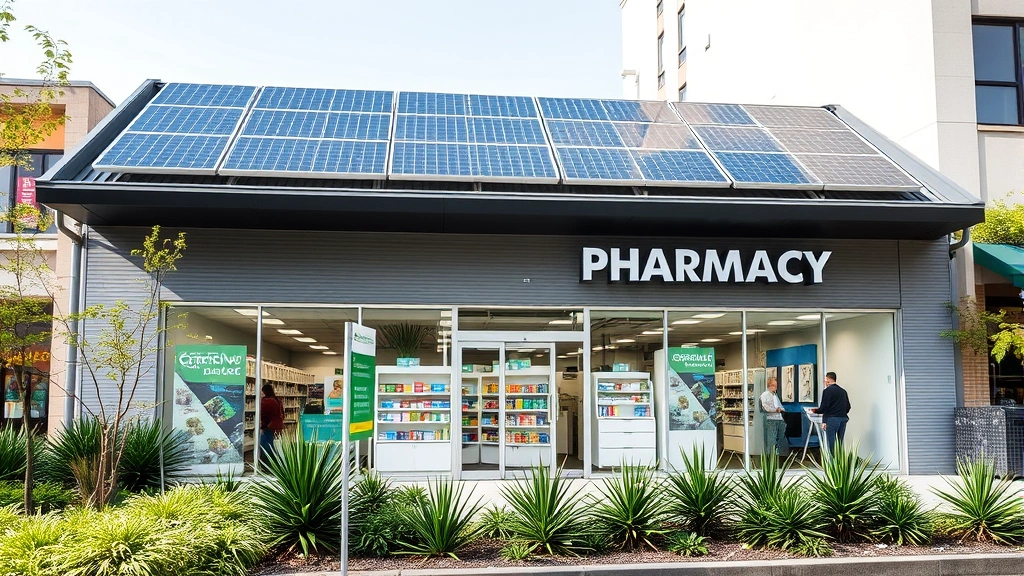
Walgreens’ Environmental Approach: The Chapel Hill Example and Broader Sustainability Implications
Walgreens Boots Alliance, one of the world’s largest pharmacy retailers with over 13,000 locations globally, has increasingly positioned itself as an environmentally conscious corporation. The Chapel Hill, North Carolina location serves as a microcosm of the company’s broader sustainability initiatives, demonstrating how large-scale retail operations can integrate environmental stewardship into their business models. This examination explores Walgreens’ environmental strategies, their economic implications, and how corporate sustainability intersects with local ecosystem health and community welfare.
The intersection of retail commerce and environmental responsibility represents one of the most pressing challenges in modern business. When multinational corporations like Walgreens commit to sustainability measures, the ripple effects extend far beyond individual store locations, influencing supply chains, consumer behavior, and local environment and society dynamics. Understanding these connections requires analyzing both the tangible environmental improvements and the economic mechanisms that drive corporate environmental decision-making.

Walgreens’ Corporate Environmental Strategy Framework
Walgreens Boots Alliance has established comprehensive environmental commitments that reflect evolving corporate sustainability standards. The company’s strategy encompasses carbon neutrality goals, renewable energy adoption, sustainable packaging initiatives, and responsible sourcing practices. These commitments align with broader industry trends toward environmental accountability, driven by investor pressure, regulatory requirements, and changing consumer preferences.
The company’s environmental framework operates across multiple dimensions: operational emissions reduction, product-level sustainability improvements, and stakeholder engagement. According to Walgreens’ sustainability reports, the organization aims to achieve significant carbon reductions across its operations, with specific targets for energy efficiency in store locations and distribution centers. This multi-level approach acknowledges that retail sustainability requires simultaneous action at corporate headquarters, regional distribution networks, and individual store locations.
Economic incentives drive much of Walgreens’ environmental investment. Energy efficiency improvements reduce operational costs through lower utility expenses, while sustainable packaging can decrease supply chain expenses and appeal to environmentally conscious consumers willing to pay premium prices. These economic drivers align environmental protection with shareholder value creation, a critical dynamic in understanding corporate sustainability adoption. The Chapel Hill location demonstrates how these corporate-level strategies translate into local implementation.

Chapel Hill Store: A Case Study in Retail Sustainability
The Chapel Hill Walgreens location, situated in a university community known for environmental consciousness, exemplifies how retail locations adapt sustainability practices to local contexts. Chapel Hill’s demographic profile—home to the University of North Carolina and a population with above-average environmental awareness—creates both opportunities and expectations for corporate environmental responsibility. This context influences the store’s operational decisions and community relationships.
The Chapel Hill store implements several sustainability measures characteristic of Walgreens’ modern locations. These include LED lighting systems that reduce energy consumption by 40-50% compared to traditional fluorescent fixtures, efficient HVAC systems that optimize heating and cooling, and water conservation measures in restrooms and maintenance areas. Additionally, the store participates in Walgreens’ pharmacy waste management programs, ensuring proper disposal of pharmaceutical materials that could otherwise contaminate water supplies and soil ecosystems.
Beyond operational measures, the Chapel Hill location engages in human environment interaction through community programs. The store partners with local environmental organizations, supports university sustainability initiatives, and participates in community clean-up efforts. These activities strengthen community relationships while addressing local environmental challenges, demonstrating how retail operations can contribute to ecosystem health beyond their immediate store footprint.
Energy Efficiency and Carbon Reduction Initiatives
Energy consumption represents the largest component of Walgreens’ operational carbon footprint. A typical Walgreens location consumes approximately 500,000-700,000 kilowatt-hours annually, depending on size, location, and climate. Reducing this consumption directly decreases greenhouse gas emissions and operational costs, creating a strong business case for efficiency investments.
The Chapel Hill store features several energy-efficient technologies. LED lighting systems throughout the store reduce electricity demand for illumination, one of the largest energy consumers in retail operations. Motion sensors in storage areas and bathrooms ensure lights operate only when needed. Refrigeration units—essential for pharmacy operations and product storage—employ advanced compressor technology and improved insulation, reducing energy waste in temperature-critical areas.
HVAC (heating, ventilation, and air conditioning) systems represent another major energy consumption area. Modern Walgreens locations utilize variable refrigerant flow systems that adjust cooling and heating output based on actual demand, rather than operating at constant capacity. Building automation systems monitor temperature, humidity, and occupancy in real-time, optimizing climate control efficiency. These technologies reduce annual energy consumption by 20-30% compared to conventional systems.
The economic implications of these investments are significant. While energy-efficient equipment requires higher upfront capital expenditure, operational savings typically recover the investment within 5-7 years through reduced utility bills. Beyond payback periods, long-term energy cost reductions improve profit margins and provide protection against future energy price increases. For Walgreens, operating thousands of locations amplifies these savings across the enterprise.
Renewable energy integration represents the next frontier of Walgreens’ energy strategy. Some locations have begun installing rooftop solar panels, generating on-site electricity and reducing grid dependence. While the Chapel Hill location’s solar potential varies seasonally due to cloud cover and weather patterns, the broader strategy demonstrates commitment to transitioning toward renewable energy sources. According to World Bank analyses, corporate renewable energy adoption significantly accelerates market growth for clean energy technologies, creating positive externalities for broader energy transitions.
Waste Management and Circular Economy Principles
Retail operations generate substantial waste streams, including packaging materials, expired products, and operational waste. Walgreens’ Chapel Hill location implements comprehensive waste management practices aligned with how to reduce carbon footprint principles at organizational and individual levels.
Packaging waste constitutes a significant portion of retail waste. Walgreens has committed to reducing packaging materials, transitioning toward recyclable and compostable materials, and redesigning packaging to minimize volume while maintaining product protection. The Chapel Hill store participates in these initiatives by segregating cardboard, plastic, and other materials for recycling. Corrugated cardboard from product shipments is baled and sold to recycling facilities, generating minor revenue while diverting waste from landfills.
Pharmaceutical waste management deserves particular attention due to environmental and public health implications. Expired medications and pharmaceutical waste cannot enter normal waste streams, as they can contaminate water supplies and harm aquatic ecosystems. Walgreens operates take-back programs allowing customers to dispose of unused medications at store locations. These medications are collected, segregated, and transported to specialized incineration facilities where they are destroyed under controlled conditions, preventing environmental contamination.
Food waste from the store’s convenience items and prepared foods is increasingly diverted from landfills through composting programs where available. Composting reduces methane emissions that would result from anaerobic decomposition in landfills and produces nutrient-rich compost for agricultural and landscaping applications. This circular economy approach transforms waste into productive resources.
The economic value of waste reduction extends beyond environmental benefits. Reduced waste disposal costs lower operational expenses, while material recovery generates revenue. More importantly, waste reduction improves operational efficiency and resource utilization, fundamental principles of sustainable business economics.
Supply Chain Sustainability and Ecosystem Impact
Retail operations depend on complex supply chains extending from raw material extraction through manufacturing, transportation, and distribution. Walgreens’ environmental impact extends far beyond individual store locations into upstream supply chain processes affecting ecosystems globally. The company’s sustainability initiatives address supply chain challenges through supplier engagement, sustainable sourcing requirements, and transparency initiatives.
Pharmaceutical sourcing represents a critical supply chain component. Walgreens sources medications from manufacturers worldwide, many of which operate in regions with sensitive ecosystems. The company has implemented supplier standards requiring environmental compliance, responsible resource extraction, and waste management practices. These requirements incentivize suppliers to adopt sustainable practices, creating systemic improvements throughout pharmaceutical manufacturing sectors.
Cosmetics and personal care products sold at Walgreens involve complex supply chains including agricultural inputs, chemical manufacturing, and packaging production. Walgreens has committed to sourcing sustainable ingredients, reducing harmful chemicals, and supporting suppliers implementing environmental best practices. For example, the company sources palm oil from certified sustainable producers, reducing pressure on tropical rainforests and supporting biodiversity conservation.
Transportation represents another critical supply chain component. Walgreens operates extensive distribution networks transporting products from manufacturing facilities to regional distribution centers to individual stores. The company has begun transitioning its delivery fleet toward electric and alternative-fuel vehicles, reducing transportation emissions. Optimizing delivery routes through advanced logistics software reduces miles traveled and fuel consumption.
These supply chain improvements have measurable ecosystem impacts. Sustainable sourcing reduces deforestation, water pollution, and chemical contamination in supplier regions. Reduced transportation emissions decrease air pollution and greenhouse gas contributions. According to research from UNEP, corporate supply chain sustainability initiatives represent one of the most effective mechanisms for scaling environmental improvements across economic systems.
Economic Trade-offs and Business Case Analysis
Corporate sustainability initiatives inevitably involve trade-offs between environmental benefits and economic costs. Understanding these trade-offs requires rigorous economic analysis examining costs, benefits, and distributional effects across stakeholders.
Initial capital investments in sustainable technologies—LED lighting, efficient HVAC systems, renewable energy infrastructure—require significant upfront expenditure. For a large retailer like Walgreens, these investments aggregate to billions of dollars across thousands of locations. However, operational savings from reduced energy consumption, waste management efficiency, and supply chain optimization generate returns that justify these investments.
Economic analysis of Walgreens’ sustainability initiatives reveals positive net present value across most projects, particularly when considering long-term operational savings and risk mitigation. Energy efficiency investments typically achieve 15-20% internal rates of return, exceeding Walgreens’ cost of capital. These returns justify continued investment in sustainable technologies from purely financial perspectives, independent of environmental motivations.
Sustainability initiatives also create intangible benefits affecting corporate valuation and risk profiles. Environmental leadership enhances brand value, attracts environmentally conscious consumers, and improves employee recruitment and retention. Institutional investors increasingly consider environmental performance in investment decisions, with integrated reporting frameworks requiring disclosure of environmental risks and opportunities. For Walgreens, demonstrating environmental leadership reduces investment risk and potentially lowers cost of capital.
However, sustainability initiatives also involve costs that may not generate direct financial returns. Community engagement programs, environmental education initiatives, and conservation partnerships produce social and ecological benefits that markets don’t directly compensate. These investments reflect corporate values and stakeholder expectations, representing voluntary commitments beyond profit-maximization imperatives.
The Chapel Hill location benefits from community expectations for environmental responsibility. The store’s sustainability initiatives strengthen community relationships, improve local environmental conditions, and align with university values, creating social license to operate. These benefits have tangible value in reducing regulatory risk and community opposition to operations.
Community Health and Environmental Justice
Retail operations affect local communities through air quality, water quality, waste management, and employment practices. Environmental justice frameworks examine how environmental benefits and burdens distribute across communities, particularly considering low-income and marginalized populations who often bear disproportionate environmental burdens.
Chapel Hill’s relatively affluent, educated population might suggest lower environmental justice concerns compared to communities hosting retail operations in economically disadvantaged areas. However, sustainability principles apply universally: all communities deserve clean air, water, and soil, regardless of economic status. Walgreens’ commitment to environmental responsibility should extend equally to all locations, not selectively to communities with political power.
The store’s waste management practices protect local water quality by ensuring proper pharmaceutical disposal and preventing contamination of Chapel Hill’s water supplies. Energy efficiency reduces air pollution from power generation, protecting respiratory health for all community members. Waste reduction decreases landfill impacts, reducing potential contamination of groundwater and soil.
Employment practices represent another community health dimension. Walgreens employs hundreds of workers across Chapel Hill and surrounding areas. Sustainable operations that reduce environmental hazards create healthier working conditions for employees. Additionally, sustainability initiatives can create employment opportunities in renewable energy installation, energy efficiency retrofitting, and sustainable supply chain management.
Community engagement in sustainability initiatives strengthens environmental stewardship. Walgreens’ partnership with local environmental organizations and university sustainability programs amplifies environmental impacts beyond store operations, mobilizing community resources toward broader environmental goals. These partnerships create networks of environmental action extending throughout Chapel Hill.
Measuring Success: Metrics and Accountability
Corporate sustainability requires rigorous measurement and accountability mechanisms. Without clear metrics and transparent reporting, sustainability commitments risk becoming marketing narratives disconnected from actual environmental outcomes. Walgreens employs multiple metrics tracking environmental performance across operations.
Energy consumption metrics track kilowatt-hours consumed annually, with goals for percentage reductions. The Chapel Hill store reports energy consumption data to corporate headquarters, enabling comparison with peer locations and identification of efficiency opportunities. Carbon footprint metrics quantify greenhouse gas emissions from energy consumption, transportation, and supply chain activities, measured in metric tons of CO2 equivalent.
Waste metrics track landfill diversion rates—percentages of waste diverted from landfills through recycling, composting, and other alternatives. Pharmaceutical waste metrics measure volumes of medications collected through take-back programs, indicating program effectiveness. Water consumption metrics track gallons used in store operations, with goals for reduction through efficient fixtures and practices.
Supply chain metrics assess supplier environmental compliance, sustainable sourcing percentages, and supply chain carbon emissions. These metrics enable identification of supply chain hotspots where environmental improvements generate greatest impact. Transparency in supply chain metrics supports accountability and drives continuous improvement.
Third-party verification enhances credibility of sustainability metrics. Walgreens participates in environmental certification programs and sustainability rating systems that independently verify environmental claims. These external audits prevent greenwashing—false environmental claims designed to mislead consumers—and ensure accountability to stakeholders.
Reporting mechanisms communicate sustainability performance to investors, customers, and communities. Walgreens publishes annual sustainability reports detailing environmental goals, progress toward targets, and challenges encountered. These reports provide transparent accountability and demonstrate commitment to environmental stewardship. The Chapel Hill store contributes data to these corporate reports, representing local sustainability efforts in organizational narratives.
However, metrics have limitations. Quantitative measures may not capture all environmental impacts or fail to reflect importance of particular ecosystem services. Additionally, corporate metrics may emphasize easily measurable outcomes while neglecting harder-to-quantify impacts. Comprehensive environmental assessment requires combining quantitative metrics with qualitative analysis of ecological and social impacts.
FAQ
What specific sustainability certifications does Walgreens pursue?
Walgreens pursues multiple environmental certifications including LEED (Leadership in Energy and Environmental Design) certification for store locations, ISO 14001 environmental management system certification, and participation in industry-specific sustainability initiatives. These certifications provide third-party verification of environmental claims and demonstrate commitment to recognized standards.
How does the Chapel Hill store compare to other Walgreens locations in sustainability performance?
The Chapel Hill location represents a relatively mature example of Walgreens’ sustainability initiatives, reflecting the company’s ongoing evolution toward environmental responsibility. While specific comparative data for individual locations isn’t publicly detailed, the store incorporates technologies and practices representative of Walgreens’ modern sustainability standards. Performance varies across locations based on facility age, climate, and local conditions.
What role do customers play in Walgreens’ environmental initiatives?
Customers actively participate in sustainability through pharmacy take-back programs for unused medications, participation in bag reduction initiatives, and purchasing sustainable products. Customer engagement strengthens environmental outcomes and builds community support for sustainability initiatives. The Chapel Hill location benefits from community environmental consciousness that reinforces sustainable practices.
How do Walgreens’ sustainability initiatives affect pricing?
Sustainability investments increase operational costs in some areas but reduce costs in others through energy efficiency and waste reduction. These offsetting effects generally allow Walgreens to maintain competitive pricing while improving environmental performance. Some sustainable products command premium prices reflecting higher production costs, but customers choose these products voluntarily, indicating willingness to pay for environmental benefits.
What challenges does Walgreens face in scaling sustainability across thousands of locations?
Scaling sustainability across global operations presents significant challenges including variation in local regulations, climate conditions, and economic contexts. Older store locations require substantial renovation investments to implement modern sustainability technologies. Supply chain complexity makes it difficult to ensure environmental compliance throughout supplier networks. Walgreens addresses these challenges through phased implementation, strategic capital allocation, and ongoing supplier engagement.
How do Walgreens’ environmental initiatives relate to broader economic sustainability?
Corporate environmental sustainability connects to broader economic sustainability through resource conservation, ecosystem service preservation, and resilience building. By reducing resource consumption and environmental degradation, Walgreens contributes to long-term economic stability. Environmental initiatives also represent investments in human capital and community wellbeing, fundamental components of sustainable economic development. This integration of environmental and economic dimensions reflects modern understanding of environmental economics principles.
What is Walgreens’ timeline for achieving carbon neutrality?
Walgreens has established targets for significant carbon reduction by 2030, with longer-term goals toward carbon neutrality. These timelines reflect both environmental urgency and operational feasibility. Achieving carbon neutrality requires continuing energy efficiency improvements, renewable energy expansion, and supply chain decarbonization across the enterprise. The Chapel Hill location contributes to these goals through local implementation of corporate sustainability strategies.


