
Bangalore’s Economy & Ecosystems: A Deep Dive into the Garden City’s Environmental Challenge
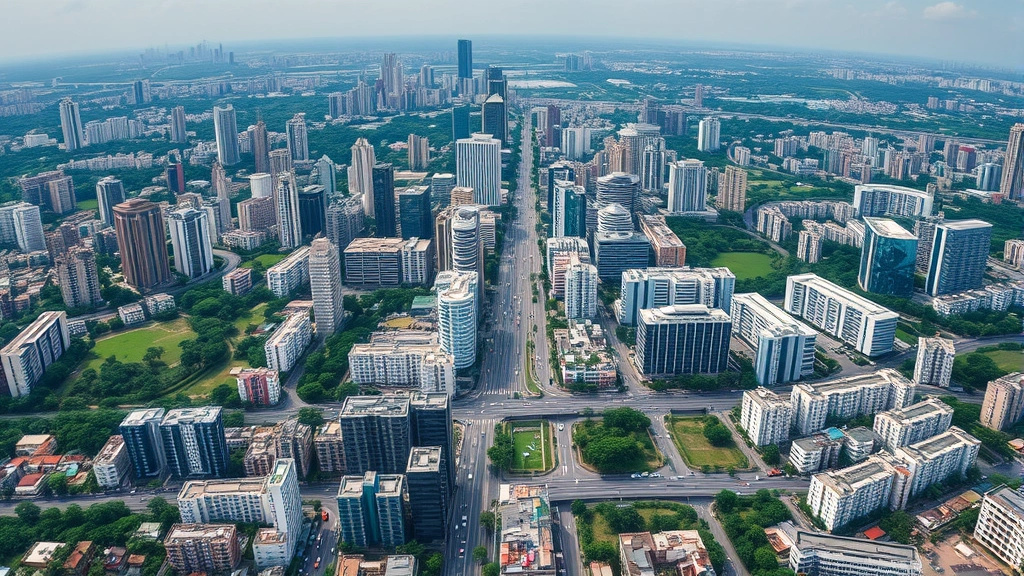
Bangalore, once celebrated as India’s Silicon Valley and the “Garden City,” stands at a critical crossroads where economic prosperity and ecological preservation collide. With a population exceeding 12 million and a rapidly expanding technology sector, the city generates approximately ₹3.5 lakh crores in economic output annually, making it one of India’s most economically significant urban centers. However, this economic dynamism comes at a substantial environmental cost. The city’s total environment—encompassing its water resources, air quality, biodiversity, and waste management systems—faces unprecedented pressure from urbanization, industrialization, and climate change.
Understanding Bangalore’s economy and ecosystems requires examining the intricate relationship between its development trajectory and ecological degradation. The city’s transformation from a pensioner’s paradise in the 1980s to a global technology hub has fundamentally altered its environmental landscape. Lake pollution, groundwater depletion, air quality deterioration, and loss of green spaces represent the hidden costs of economic growth that demand urgent attention and systemic intervention.
Economic Growth and Environmental Trade-offs
Bangalore’s economic trajectory reveals a classic pattern of development-induced environmental degradation. The city’s gross domestic product growth averaged 10-12% annually during the 2000s and 2010s, driven primarily by the information technology sector, business process outsourcing, and manufacturing industries. This economic expansion created millions of jobs and transformed Bangalore into a magnet for national and international investment. However, the relationship between economic growth and environmental quality follows a complex pathway that economists term the “environmental Kuznets curve”—initially, development exacerbates environmental damage before eventually improving it through technological advancement and regulatory maturity.
The technology sector, while perceived as environmentally benign, generates substantial indirect environmental impacts. Data centers consume enormous quantities of electricity and water for cooling systems. A single data center can consume 20-50 million gallons of water daily, equivalent to the daily consumption of a city with 100,000 residents. Bangalore hosts over 150 data centers, collectively representing one of Asia’s largest concentrations of computing infrastructure. The human environment interaction in this context reveals how invisible supply chains and digital infrastructure create tangible ecological footprints.
Manufacturing and automobile industries contribute additional environmental pressures. Bangalore’s automotive sector, including major manufacturers like Bosch, Toyota, and Daimler, generates significant air and water pollution. Industrial parks lack adequate pollution control infrastructure, with monitoring data from the Karnataka Pollution Control Board indicating that 40% of monitored industrial units exceed permissible emission standards. The economic contribution of these industries—approximately ₹45,000 crores annually—comes at the cost of elevated particulate matter, volatile organic compounds, and heavy metal contamination in surrounding areas.
Water Resources and Ecological Stress
Bangalore’s water crisis represents perhaps the most critical intersection between economic demands and ecological sustainability. The city’s primary water source, the Cauvery River, supplies approximately 1,325 million liters daily through two major pipelines—the Cauvery Stage IV project and the Cauvery Stage V project. However, the demand substantially exceeds supply. The Bangalore Water Supply and Sewerage Board (BWSSB) estimates total daily demand at 2,500-2,700 million liters, creating a deficit of 1,200 million liters daily. This deficit drives unsustainable groundwater extraction, with borewells depleting aquifers at alarming rates.
Groundwater depletion in Bangalore’s surrounding areas has reached critical levels. The water table in peripheral zones has dropped by 10-15 meters over the past two decades. The United States Geological Survey classifies Bangalore as an area of extreme water stress, where annual water withdrawals exceed 80% of available renewable water resources. The economic sectors driving this demand include:
- Information technology and business process outsourcing facilities requiring extensive cooling systems
- Real estate development and construction activities
- Textile and chemical manufacturing industries
- Horticulture and floriculture operations
- Residential consumption driven by population growth
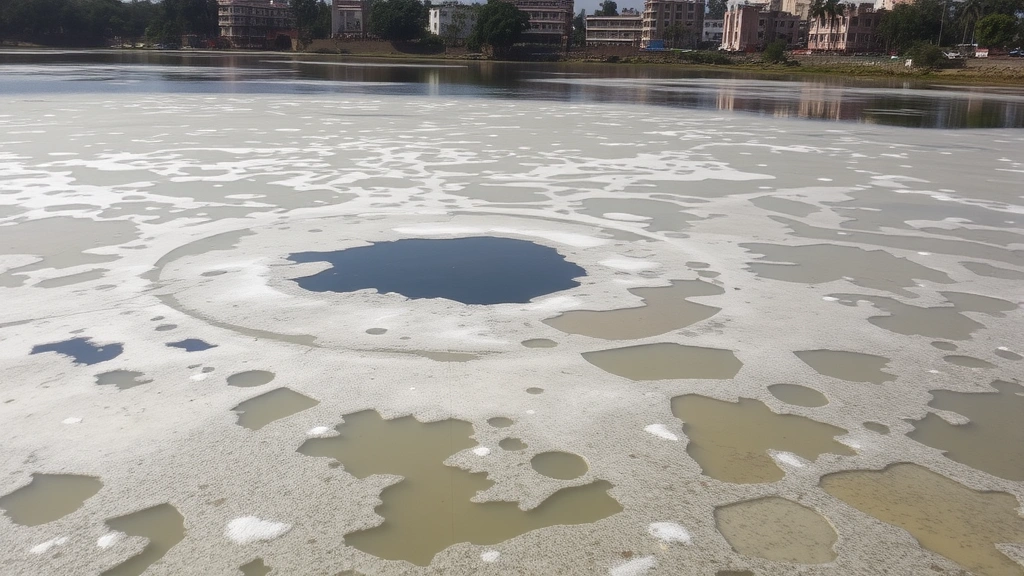
Lake pollution presents another dimension of Bangalore’s water crisis. The city historically possessed over 260 lakes, functioning as natural water storage and recharge systems. Currently, fewer than 80 lakes remain, and most are severely contaminated. The Bellandur Lake, Bangalore’s largest lake, has become infamous for its toxic foam—caused by high concentrations of surfactants from detergents and industrial effluents—that periodically ignites spontaneously due to methane accumulation. This ecological catastrophe symbolizes the failure to integrate environment awareness into urban planning and economic policy.
The economic value of ecosystem services provided by Bangalore’s lakes—water supply, groundwater recharge, flood mitigation, and biodiversity support—exceeds ₹5,000 crores annually according to ecosystem service valuation studies. The destruction of these lakes represents not merely an environmental loss but an enormous economic loss that externalized costs fail to capture in conventional GDP measurements.
Water quality monitoring by the Karnataka State Pollution Control Board reveals that 65% of lakes monitored exceed permissible limits for biological oxygen demand, chemical oxygen demand, and nutrient concentrations. The Varthur Lake, receiving untreated sewage from surrounding areas, exhibits dissolved oxygen levels near zero during dry seasons, creating anaerobic conditions that eliminate most aquatic life. This ecological collapse directly impacts the city’s economic resilience and future sustainability.
Air Quality and Urban Pollution Dynamics
Bangalore’s air quality has deteriorated significantly, with the city consistently ranking among India’s most polluted metropolitan areas. The Air Quality Index (AQI) frequently exceeds 200 during winter months (October-January), indicating unhealthy air quality affecting vulnerable populations. The primary pollutants include particulate matter (PM2.5 and PM10), nitrogen dioxide, sulfur dioxide, and ozone.
The Central Pollution Control Board’s monitoring network across Bangalore recorded average PM2.5 concentrations of 45-55 micrograms per cubic meter annually—nearly three times the National Ambient Air Quality Standard of 40 micrograms per cubic meter. These concentrations translate to significant health impacts. The Indian Council of Medical Research estimates that air pollution in Bangalore causes approximately 4,200 premature deaths annually and contributes to respiratory diseases affecting 15% of the urban population.
Economic activities generate this pollution through multiple pathways: vehicular emissions account for approximately 50% of air pollution, industrial emissions contribute 30%, and construction dust and biomass burning account for the remainder. Bangalore’s vehicle population exceeds 6 million, growing at 8-10% annually. The transportation sector’s economic significance—generating ₹80,000 crores in economic activity—creates a political economy of pollution where powerful stakeholder interests resist stringent emission controls.
The economic costs of air pollution in Bangalore exceed ₹25,000 crores annually when accounting for healthcare expenditures, productivity losses, and mortality costs. The World Health Organization estimates that outdoor air pollution causes economic losses equivalent to 4-6% of GDP in South Asian cities. These losses undermine the apparent economic gains from growth, revealing that conventional GDP metrics fail to account for environmental degradation.
Biodiversity Loss in Bangalore’s Ecosystems
Bangalore’s transition from a semi-arid landscape with mixed deciduous forests to an urbanized metropolitan area has resulted in catastrophic biodiversity loss. The city’s original vegetation—dry deciduous forests, grasslands, and wetlands—supported diverse fauna including leopards, sloth bears, Indian gaur, and various bird species. Contemporary Bangalore supports only remnant populations of wildlife confined to fragmented patches.
The Bannerghatta National Park, located at Bangalore’s periphery, represents one of the few remaining biodiversity hotspots. This 260-square-kilometer protected area harbors 95 species of mammals, 260 bird species, and numerous reptiles and amphibians. However, rapid urbanization has reduced wildlife corridors, fragmenting populations and reducing genetic diversity. The park experiences increasing human-wildlife conflict as urban expansion encroaches on protected areas. Incidents of leopard attacks in peripheral villages have increased from 2-3 annually in 2010 to 15-20 annually by 2023, reflecting the ecological crisis arising from habitat loss.
Wetlands represent another critical ecosystem under severe stress. Bangalore’s seasonal wetlands and marshes provided crucial breeding grounds for migratory birds and supported diverse amphibian and fish populations. Urban conversion has destroyed approximately 85% of original wetland area. The remaining wetlands face pollution from untreated sewage, industrial effluents, and agricultural runoff. Birdwatching records indicate that migratory bird species visiting Bangalore have declined by 40% over the past decade, reflecting ecosystem degradation.
The economic value of biodiversity in Bangalore’s region extends beyond intrinsic ecological worth. Ecotourism generates approximately ₹500 crores annually, supporting livelihoods for thousands of guide services, hospitality establishments, and conservation organizations. Pharmaceutical companies extract medicinal compounds from regional biodiversity, generating ₹2,000+ crores in annual pharmaceutical exports. The loss of biodiversity directly threatens these economic sectors while eliminating potential future discoveries of bioactive compounds.
Waste Management and Circular Economy Challenges
Bangalore generates approximately 6,500 metric tons of municipal solid waste daily, making it one of India’s highest per-capita waste-generating cities. The Bangalore Mahanagara Palike (municipal corporation) manages waste through landfills, primarily the Mandur and Domlur landfill sites. These landfills, operating beyond designed capacity, generate significant environmental and health impacts.
The Mandur landfill, designated for 2,500 metric tons daily, currently receives 4,500+ metric tons. This overloading causes leachate contamination of groundwater, methane emissions contributing to climate change, and air pollution from waste burning. Surrounding villages report elevated rates of respiratory diseases and water contamination affecting agricultural productivity. The economic externalities—healthcare costs, agricultural losses, property value depreciation—total approximately ₹800 crores annually but remain unaccounted in municipal waste management budgets.
Industrial waste management presents additional challenges. Bangalore’s manufacturing sectors generate hazardous waste including heavy metals, solvents, and toxic organic compounds. Only 60% of hazardous waste receives proper treatment, with the remainder disposed improperly through informal channels. This creates environmental health hazards, particularly in peripheral communities lacking regulatory oversight.
The transition toward circular economy models remains nascent. Bangalore’s recycling rate stands at approximately 25%, significantly below developed city benchmarks of 50-70%. The informal recycling sector, comprising approximately 50,000 waste pickers and small recycling enterprises, operates without adequate safety standards or environmental controls. Formalization and integration of informal recyclers into structured recycling systems could generate 100,000+ sustainable jobs while improving environmental outcomes. Reducing carbon footprints through waste reduction requires systemic change in consumption patterns and industrial production methods.
Climate Change Vulnerability and Adaptation Strategies
Bangalore faces significant climate change vulnerability despite its location in a relatively temperate region. Climate projections indicate temperature increases of 2.5-3.5°C by 2100 under high-emission scenarios. Rainfall patterns show increasing variability, with intense precipitation events becoming more frequent while overall monsoon reliability decreases.
The economic sectors most vulnerable to climate change impacts include agriculture in surrounding regions, water-dependent industries, and infrastructure systems. Temperature increases reduce agricultural productivity, particularly for coffee and floriculture—major cash crops in the surrounding Western Ghats. Water-dependent industries face supply constraints as glacial melt and rainfall variability reduce water availability. Infrastructure—roads, buildings, power systems—faces increased stress from extreme weather events.
The city’s heat island effect, caused by extensive concrete infrastructure and loss of vegetation, amplifies climate change impacts. Urban temperatures exceed surrounding rural areas by 3-5°C, increasing cooling energy demand and heat-related health risks. The energy consumption for cooling systems increases approximately 5% annually, driving electricity demand and associated fossil fuel consumption.
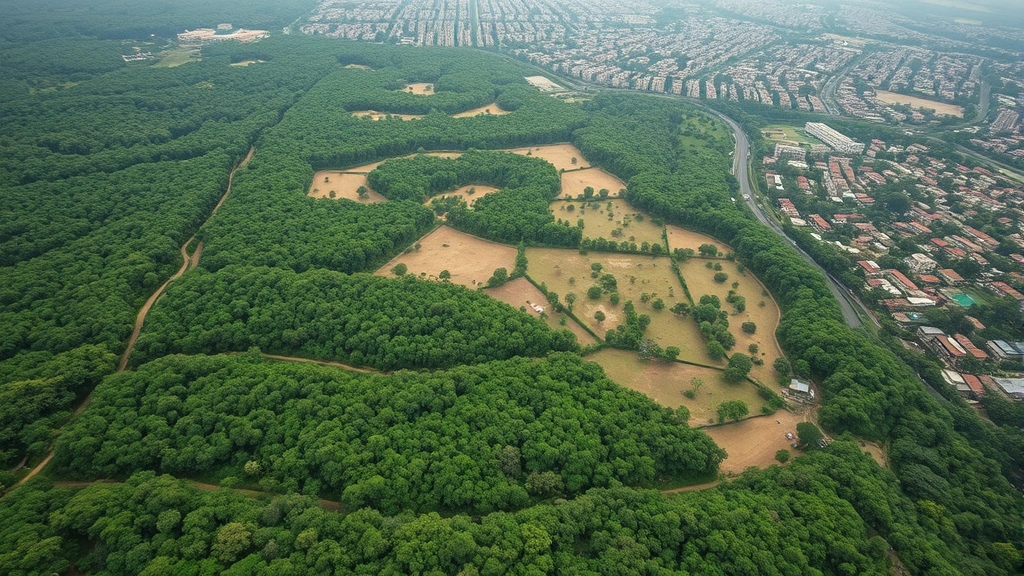
Adaptation strategies require integrating climate resilience into urban planning. Green infrastructure—urban forests, green roofs, permeable pavements—can mitigate heat island effects while providing multiple co-benefits including stormwater management and air quality improvement. Bangalore’s existing tree cover of approximately 8% falls far below the recommended 25-30% for healthy urban ecosystems. Expanding tree cover requires dedicating resources and political commitment to long-term environmental restoration over short-term development pressures.
Policy Frameworks and Governance Gaps
Bangalore’s environmental challenges reflect governance gaps and policy implementation failures rather than absence of regulatory frameworks. The Karnataka State Pollution Control Board, Central Pollution Control Board, and Bangalore Mahanagara Palike possess regulatory authority over environmental management. However, enforcement remains weak, resources inadequate, and coordination mechanisms ineffective.
The master plan for Bangalore, last comprehensively revised in 2015, lacks integration of climate resilience and ecosystem protection into development policies. Zoning regulations permit industrial development adjacent to residential areas, creating pollution exposure for vulnerable populations. Lake preservation policies exist but lack enforcement mechanisms. Environmental Impact Assessment requirements apply to major projects but often lack rigorous implementation and monitoring.
The economic incentive structures embedded in governance systems prioritize revenue generation and development approvals over environmental protection. Municipal corporations depend on property taxes and development charges for revenue, creating pressures to approve construction projects regardless of environmental impacts. Industrial pollution generates tax revenue, creating conflicts of interest in enforcement. This institutional structure perpetuates what ecological economists term “perverse subsidies”—economic structures that reward environmentally destructive activities.
Recent policy initiatives show incremental progress. The Bangalore Metropolitan Region Development Authority’s revised master plan incorporates green space requirements and environmental restoration targets. The state government’s “Bengaluru Vision 2050” initiative acknowledges sustainability as a priority. However, translating policy commitments into implementation requires substantial resource allocation, institutional capacity building, and political will to resist powerful development interests.
The integration of environmental economics into policy frameworks remains underdeveloped. Natural capital accounting—systematically valuing ecosystem services and incorporating environmental degradation into economic metrics—could fundamentally reorient policy priorities. Bangalore’s ecosystem services, conservatively valued at ₹50,000+ crores annually, remain invisible in conventional economic accounting. Making these values explicit in policy decisions could catalyze prioritization of environmental protection.
Bangalore’s environmental challenges demand interdisciplinary approaches integrating ecological science, economic analysis, and social policy. The city’s future prosperity depends on recognizing that environmental sustainability and economic development represent complementary rather than competing objectives. Transitioning toward a sustainable economy requires fundamental restructuring of production systems, consumption patterns, and governance institutions to align economic activity with ecological boundaries.
FAQ
What is the primary source of Bangalore’s water supply?
Bangalore’s primary water source is the Cauvery River, which supplies approximately 1,325 million liters daily through major pipeline projects. However, this supply meets only 50% of the city’s demand, necessitating extensive groundwater extraction that exceeds sustainable recharge rates.
How does Bangalore’s air quality compare to other Indian cities?
Bangalore consistently ranks among India’s most polluted cities, with average PM2.5 concentrations of 45-55 micrograms per cubic meter—exceeding national standards by 10-40%. During winter months, the Air Quality Index frequently reaches unhealthy levels affecting vulnerable populations.
What percentage of Bangalore’s original biodiversity remains?
Approximately 15-20% of Bangalore’s original biodiversity remains in fragmented habitats. The city has lost approximately 85% of original wetland areas and over 90% of native forest cover, dramatically reducing wildlife populations and ecosystem functionality.
How much waste does Bangalore generate daily?
Bangalore generates approximately 6,500 metric tons of municipal solid waste daily, with only 25% receiving proper recycling. Landfill sites operate beyond designed capacity, creating environmental and health hazards for surrounding communities.
What economic sectors contribute most to Bangalore’s environmental pollution?
The information technology sector, manufacturing industries, and transportation systems represent the primary pollution sources. Vehicular emissions account for 50% of air pollution, industrial emissions contribute 30%, and the remainder derives from construction and biomass burning.
How can Bangalore transition toward sustainable economic development?
Sustainable development requires integrating environmental economics into policy frameworks, implementing natural capital accounting, strengthening regulatory enforcement, investing in green infrastructure, and transitioning toward circular economy models. Renewable energy adoption for homes and businesses represents one crucial pathway alongside broader systemic changes in production and consumption systems.