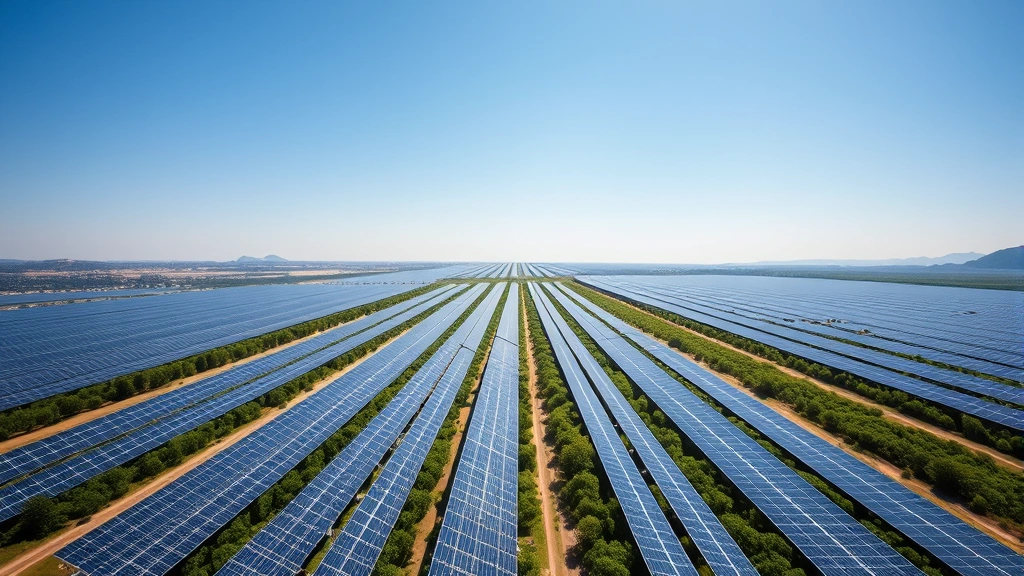
Is Green Economy Profitable? Expert Insights on Economic Returns and Sustainable Growth
The question of profitability in the green economy has evolved from a niche concern to a central focus for investors, policymakers, and business leaders worldwide. Evidence increasingly demonstrates that sustainable economic practices generate substantial financial returns while simultaneously addressing environmental challenges. This paradigm shift represents one of the most significant economic transformations of the twenty-first century, reshaping how we measure value, assess risk, and plan for long-term prosperity.
Global investment in clean energy, sustainable agriculture, and environmental technologies has reached unprecedented levels. According to recent data, green economy sectors are expanding at rates that outpace traditional industries, with renewable energy investments alone exceeding $300 billion annually. This article explores the profitability question through rigorous economic analysis, examining empirical evidence, market trends, and expert perspectives that illuminate why environmental sustainability and financial success are increasingly intertwined rather than opposed.
Understanding the Green Economy Framework
The green economy represents an economic model that generates growth while reducing environmental risks and ecological scarcity. Unlike traditional economic frameworks that externalize environmental costs, green economy principles integrate ecological capital into financial decision-making. Understanding what defines environmental science and economics provides essential context for evaluating profitability claims.
Green economy sectors encompass renewable energy production, sustainable forestry, organic agriculture, environmental remediation, circular economy manufacturing, sustainable transportation, and green building. These industries collectively represent a market valued at over $12 trillion globally, with growth projections suggesting expansion to $26 trillion by 2050. The profitability question hinges on understanding how environmental accounting translates into competitive advantage and shareholder value.
Ecological economics—a discipline bridging environmental science and economic theory—reveals that traditional GDP measurements systematically undervalue natural capital. When environmental costs are properly internalized through mechanisms like carbon pricing or ecosystem service valuation, green investments demonstrate superior returns compared to environmentally destructive alternatives. This reframing fundamentally changes profitability calculations.
Financial Performance of Green Sectors
Empirical data consistently demonstrates strong financial performance across green economy sectors. Renewable energy companies have achieved grid parity—the point where clean energy costs equal or undercut fossil fuels—in most global markets. Solar photovoltaic costs have declined 89% since 2010, while wind energy costs have fallen 70% over the same period, making these technologies economically competitive without subsidies in many regions.
Investment returns in renewable energy projects range from 8-12% annually, comparable to traditional infrastructure investments. Battery storage technology, crucial for renewable integration, has experienced cost reductions exceeding 85% over the past decade, unlocking new revenue opportunities in grid stabilization and industrial applications. Renewable energy for residential applications demonstrates particularly strong consumer adoption driven by economic benefits.
Green building represents another highly profitable sector. LEED-certified buildings command 3-5% rental premiums and demonstrate 20-30% lower operating costs due to reduced energy and water consumption. Commercial real estate investors increasingly recognize environmental certification as a value driver rather than cost burden. Studies from the World Bank confirm that green infrastructure investments generate returns exceeding 4:1 in cost-benefit ratios.
Sustainable agriculture and forestry operations show improved profitability through premium pricing for certified products, reduced input costs, and enhanced resilience to climate variability. Organic agricultural products command 20-40% price premiums in developed markets, while sustainable forestry operations achieve better long-term yields through ecosystem health maintenance. These sectors demonstrate that environmental stewardship and profitability align when proper market mechanisms exist.
Cost-Benefit Analysis and Long-Term Returns
Comprehensive cost-benefit analysis reveals why green economy investments appear increasingly attractive to sophisticated investors. Traditional analyses often exclude environmental externalities—costs imposed on society through pollution, resource depletion, and ecosystem degradation. When these costs are included, green alternatives consistently demonstrate superior net benefits.
Consider energy generation: coal-fired power plants impose estimated external costs of $0.04-0.14 per kilowatt-hour through health impacts and environmental damage. Solar and wind impose minimal external costs. When factored into levelized cost of electricity calculations, renewable sources demonstrate clear economic superiority. The United Nations Environment Programme estimates that environmental externalities add $10-30 trillion annually to global economic costs—expenses that green economy solutions directly address.
Long-term return horizons favor green investments. While fossil fuel infrastructure requires continuous resource extraction and faces stranded asset risk as markets transition, renewable infrastructure generates returns over 25-30 year lifespans with minimal operating costs and no fuel expenses. This structural advantage compounds over time, making green investments superior for patient capital and institutional investors with long time horizons.
Climate risk represents an increasingly material financial consideration. Physical risks from extreme weather, water scarcity, and ecosystem collapse impose measurable costs on enterprises lacking environmental resilience. Transition risks emerge as carbon pricing expands and regulations tighten, penalizing carbon-intensive operations. Companies investing in green transition strategies mitigate these risks while capturing growth opportunities in expanding sustainable markets.
Market Opportunities and Revenue Streams
The green economy creates diverse revenue opportunities beyond traditional business models. Carbon markets, while still developing, generated $851 billion in transaction value in 2021, creating profitable opportunities for emissions reduction project developers and traders. Voluntary carbon markets are expanding rapidly as corporations commit to net-zero targets, driving demand for verified carbon credits.
Circular economy business models generate profitability through material recovery, remanufacturing, and waste-to-value conversion. Companies implementing circular strategies report 5-20% cost reductions while accessing new revenue streams from recovered materials. Sustainable fashion brands demonstrate circular economy profitability through reduced waste costs and premium consumer pricing.
Environmental consulting, impact measurement, and sustainability certification represent rapidly growing service sectors. Demand for environmental compliance expertise, greenhouse gas accounting, and sustainability reporting has created substantial consulting opportunities commanding premium rates. Green finance advisory services—helping corporations and governments structure environmental investments—represent one of the fastest-growing professional service categories.
Ecosystem service monetization creates additional revenue streams. Companies operating in water-dependent industries increasingly invest in watershed protection, recognizing that maintaining ecosystem functions protects long-term water security and reduces treatment costs. Agricultural enterprises profit from soil carbon sequestration programs, converting environmental stewardship into direct revenue. These mechanisms align profit incentives with environmental protection.
Technology licensing in clean energy, sustainable materials, and environmental remediation generates recurring revenue streams. Companies developing breakthrough technologies for carbon capture, renewable energy efficiency, or sustainable production processes command significant licensing fees and royalties. This intellectual property model creates scalable profitability without proportional environmental impact.
Risk Mitigation Through Environmental Investment
Beyond direct revenue generation, green economy investments provide essential risk mitigation that traditional financial analysis often undervalues. Understanding human-environment interaction dynamics reveals how environmental degradation creates systemic financial risks across supply chains and asset values.
Supply chain resilience improves through environmental management. Companies investing in sustainable sourcing reduce vulnerability to resource price volatility, regulatory disruption, and supply interruption. Agriculture-dependent enterprises particularly benefit from climate adaptation investments that enhance crop resilience and water efficiency. These risk-reduction benefits directly improve financial stability and reduce cost-of-capital.
Regulatory risk diminishes for environmentally progressive companies. As carbon pricing expands, pollution regulations tighten, and environmental disclosure requirements increase, companies with established green practices face lower compliance costs and regulatory uncertainty. This regulatory arbitrage creates competitive advantage and improves long-term profitability for early movers.
Reputational risk management increasingly drives profitability. Consumer and employee preferences shift toward environmentally responsible companies, affecting brand value, talent recruitment, and customer loyalty. Companies with strong environmental credentials command customer premiums and experience lower employee turnover. These intangible benefits generate measurable financial returns through improved operational efficiency and market positioning.
Physical climate risks threaten asset values in vulnerable locations. Real estate, agriculture, and infrastructure investments face increasing exposure to extreme weather, sea-level rise, and water stress. Green infrastructure investments—natural flood barriers, drought-resistant landscaping, climate-resilient building design—reduce physical risks while enhancing property values. Insurance costs decline for climate-resilient assets, improving investment returns.
Policy Incentives and Economic Mechanisms
Government policies create substantial economic incentives for green investment. Tax credits for renewable energy, electric vehicles, and energy efficiency improvements reduce capital costs and improve returns. Feed-in tariffs guarantee long-term revenue streams for renewable generators, reducing investment risk. Renewable portfolio standards create stable demand for clean energy, supporting project financing.
Carbon pricing mechanisms—whether through cap-and-trade systems or carbon taxes—fundamentally improve green economy profitability by raising fossil fuel costs. The European Union’s Emissions Trading System, covering approximately 40% of EU greenhouse gas emissions, has driven billions in green investment by making carbon-intensive operations economically disadvantageous. Similar systems in China, South Korea, and other jurisdictions create comparable incentives.
Green bonds mobilize capital for environmental projects at favorable rates. Global green bond issuance exceeded $500 billion in 2021, enabling renewable energy, sustainable transportation, and ecosystem restoration projects to access low-cost financing. This dedicated capital channel reflects investor recognition of green investment profitability and environmental imperative.
Subsidy reform—eliminating fossil fuel subsidies that artificially depress carbon-intensive energy costs—represents a crucial policy mechanism. The International Monetary Fund estimates global fossil fuel subsidies at $7 trillion annually when environmental costs are included. Removing these distortions would dramatically improve green economy competitiveness. Policy advocacy organizations increasingly focus on subsidy elimination as a high-leverage profitability enhancement mechanism.
International frameworks like the Paris Agreement and sustainable development goals create policy momentum supporting green investment. Climate commitments drive national green investment plans, infrastructure development, and technology deployment that generate profitable opportunities for businesses aligned with climate objectives. This policy alignment reduces regulatory uncertainty and supports market growth.
Challenges and Market Barriers
Despite compelling profitability evidence, significant barriers limit green economy expansion. Upfront capital requirements for renewable energy infrastructure and green building exceed conventional alternatives, creating financing challenges despite superior lifetime returns. This capital intensity particularly constrains development in emerging markets with limited access to green finance.
Technology maturity varies significantly across green sectors. While renewable energy and electric vehicles achieve commercial viability, emerging technologies like hydrogen production, advanced carbon capture, and sustainable aviation fuels remain economically marginal. Investment in technology development requires patient capital willing to accept longer payback periods and higher risk.
Market failures persist despite policy interventions. Environmental externalities remain incompletely priced in most markets. Fossil fuels continue receiving implicit subsidies through tax advantages and infrastructure investment. These distortions artificially advantage carbon-intensive alternatives, requiring stronger policy correction for complete green economy profitability realization.
Infrastructure transition creates stranded asset risks and employment disruption in fossil fuel-dependent regions. Rapid green energy transition threatens coal mining employment, oil industry jobs, and fossil fuel infrastructure investment. Managing just transition—supporting affected workers and communities—requires policy investment that reduces near-term profitability but proves essential for social stability and long-term sustainability.
Measurement and verification challenges limit green investment. Standardized environmental impact accounting remains underdeveloped, creating uncertainty about claimed environmental benefits and sustainability credentials. Greenwashing—misleading environmental claims—undermines investor confidence. Developing robust impact measurement frameworks represents a crucial prerequisite for accelerating green investment.
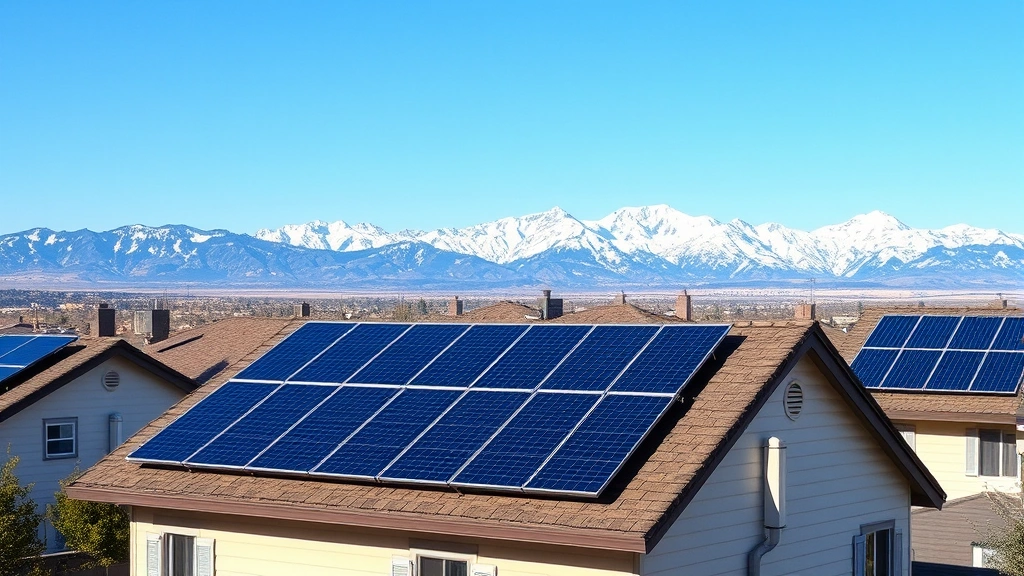
” alt=”Solar panels installed on residential rooftops with mountains visible in background, demonstrating distributed renewable energy infrastructure integration”/>
Capital allocation inefficiencies divert investment from optimal green opportunities. Institutional investors face regulatory constraints, fiduciary duty interpretations, and analytical frameworks that undervalue long-term environmental returns. Pension funds, insurance companies, and sovereign wealth funds increasingly recognize climate-related financial risks, but portfolio allocation shifts toward green assets proceed more slowly than climate urgency suggests.
European Central Bank research demonstrates how climate risk affects financial stability, creating incentives for regulatory intervention supporting green finance. As financial regulators worldwide implement climate risk frameworks, capital allocation increasingly favors green investments, removing structural barriers to profitability realization.
Reducing carbon footprint across supply chains requires systematic business model transformation beyond simple technology substitution. Companies must fundamentally redesign operations, supply chains, and product portfolios—changes requiring substantial management attention and organizational change capacity. This complexity slows transition speed despite economic incentives.
Expert Perspectives on Green Economy Profitability
Leading economists increasingly affirm green economy profitability. Resources for the Future, a prominent environmental economics research organization, publishes extensive research demonstrating positive economic returns from climate action and environmental investment. Their analyses consistently show that climate mitigation costs represent a fraction of climate damage costs, making environmental investment economically rational.
Corporate executives managing major energy, automotive, and technology companies report that green transition strategies improve profitability. Renewable energy company CEOs describe expanding margins as technology costs decline and market penetration increases. Automotive executives acknowledge that electric vehicle profitability approaches parity with internal combustion engines while capturing growing market demand. Real estate developers emphasize that sustainable building practices command market premiums exceeding cost increases.
Investment management professionals increasingly recognize green assets as superior long-term performers. Asset managers controlling over $130 trillion—approximately 50% of global invested capital—have committed to net-zero emissions alignment, reflecting confidence in green economy profitability and climate risk materiality. This capital reallocation toward sustainable investments creates powerful market forces supporting green economy expansion.
Academic researchers studying ecological economics demonstrate theoretically and empirically that environmental sustainability and economic prosperity are complementary rather than conflicting objectives. When environmental externalities are properly valued, sustainable practices consistently outperform environmentally destructive alternatives on financial metrics. This scholarly consensus reshapes policy discussions and investment frameworks.
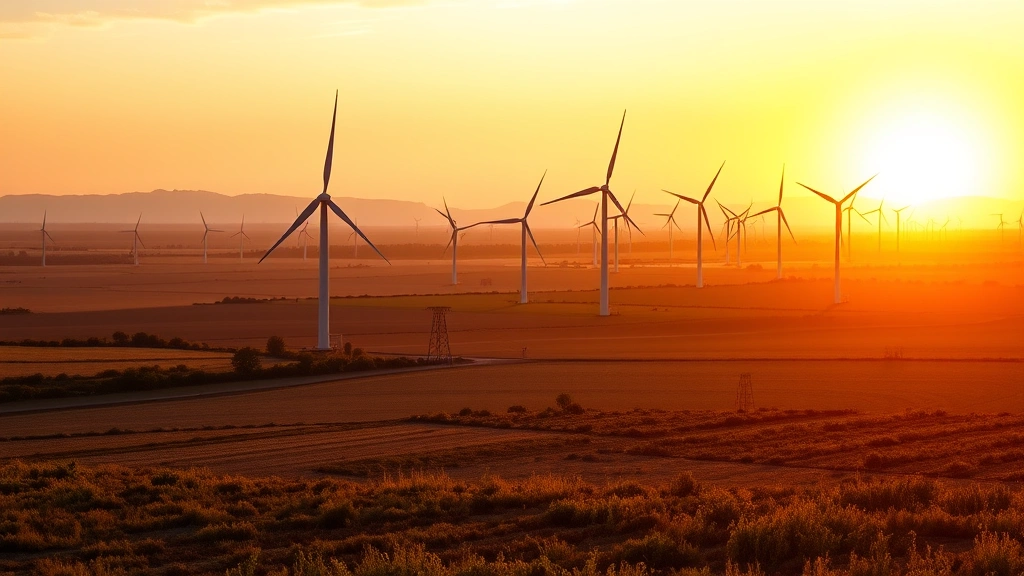
” alt=”Wind turbines in agricultural landscape at sunset, showing renewable energy infrastructure coexisting with farmland and natural vegetation”/>
FAQ
Is the green economy actually profitable, or is it subsidized?
Green sectors achieve profitability through both market mechanisms and policy support, similar to all industries. Renewable energy achieves grid parity in most markets without subsidies, while fossil fuels continue receiving substantial implicit subsidies. As policy frameworks correct these distortions, green economy profitability improves substantially. Studies indicate that properly priced, green investments generate superior returns.
What sectors offer the strongest profitability in the green economy?
Renewable energy, green building, sustainable agriculture, and environmental technology represent the most mature profitable sectors. Emerging opportunities exist in battery storage, carbon capture, sustainable materials, and circular economy businesses. Profitability varies by geography, technology maturity, and policy environment, but multiple sectors demonstrate compelling returns.
How do green investments compare to traditional investments financially?
Over long-term horizons, green investments increasingly outperform traditional alternatives when environmental externalities are considered. Renewable energy infrastructure generates 8-12% annual returns with minimal operating costs. Green real estate commands premiums and demonstrates lower operating expenses. Risk-adjusted returns favor green investments as climate and regulatory risks increase.
What policy changes would most improve green economy profitability?
Carbon pricing implementation, fossil fuel subsidy elimination, renewable energy mandate expansion, and green finance regulatory frameworks would most significantly improve green economy profitability. These changes level competitive playing fields, internalize environmental costs, and reduce regulatory uncertainty for green investors.
Are there geographic variations in green economy profitability?
Significant geographic variations exist based on renewable resources, labor costs, policy support, and infrastructure development. Sunny regions achieve superior solar economics; windy areas favor wind power. Developed nations with green finance infrastructure and policy support enable faster deployment. Emerging markets increasingly offer attractive green investment opportunities as technology costs decline.


