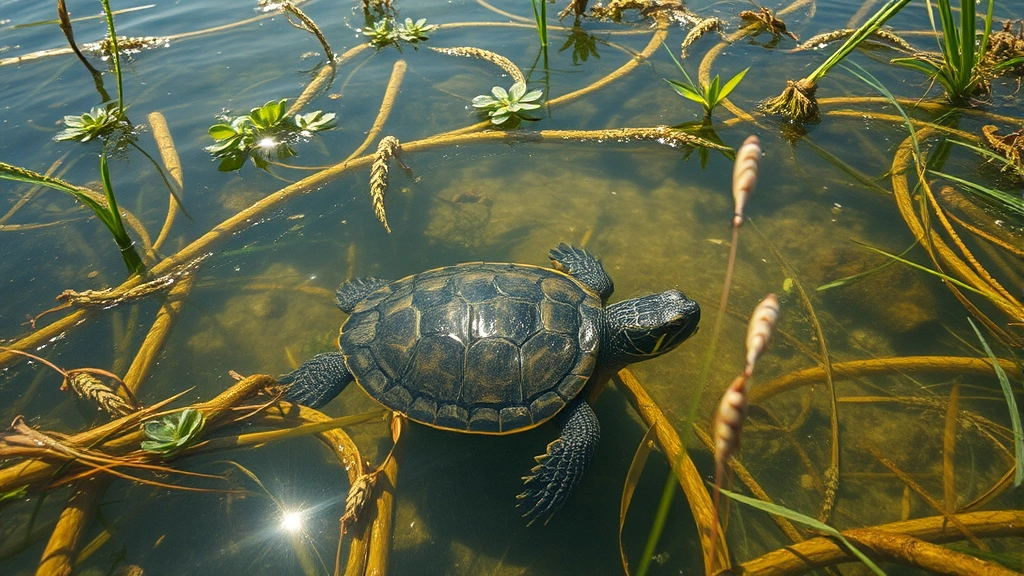
Snapping Turtles: Ecosystem Role and Economic Impact
Snapping turtles represent one of North America’s most ecologically significant yet economically undervalued reptilian species. These ancient predators have inhabited freshwater ecosystems for over 200 million years, playing a critical role in maintaining aquatic and semi-aquatic biodiversity. However, their economic importance extends far beyond their ecological functions, influencing fisheries management, agricultural productivity, pharmaceutical research, and tourism industries across multiple continents. Understanding the intricate relationship between snapping turtle populations and both natural and economic systems is essential for developing comprehensive conservation strategies that balance ecosystem preservation with human economic interests.
The snapping turtle (Chelydra serpentina) serves as a keystone species in wetland and freshwater environments, regulating prey populations, cycling nutrients, and maintaining water quality. Yet their populations face unprecedented pressures from habitat loss, climate change, and unsustainable harvesting. This comprehensive analysis explores how snapping turtles function within ecological networks, their direct and indirect economic contributions, and the economic implications of their decline—demonstrating that environmental stewardship and economic prosperity are fundamentally interconnected.
Ecological Functions and Biodiversity Role
Snapping turtles function as apex predators within their freshwater ecosystems, consuming fish, amphibians, aquatic invertebrates, and waterfowl. This predatory role creates a cascading effect throughout food webs, preventing any single prey species from achieving ecological dominance. Research indicates that snapping turtle populations can regulate fish populations and prevent the overexploitation of smaller species, maintaining the delicate balance necessary for ecosystem resilience. Their presence influences the behavior and distribution of numerous aquatic organisms, creating what ecological economists term “ecosystem services”—benefits that ecosystems provide to humans and other species at no direct monetary cost.
The relationship between snapping turtles and environment and society interactions demonstrates how individual species contribute to broader ecological stability. Snapping turtles consume substantial quantities of aquatic vegetation, preventing algal blooms and maintaining water clarity. This vegetation control indirectly supports fish populations by improving habitat quality and light penetration necessary for aquatic plant growth that provides food and shelter for commercially important fish species. A single snapping turtle can consume thousands of organisms annually, making them efficient ecosystem engineers that shape habitat structure and species composition.
Additionally, snapping turtles serve as nutrient cyclers, transporting phosphorus, nitrogen, and other essential elements between aquatic and terrestrial ecosystems through their migration patterns. Nesting females travel substantial distances from water bodies, depositing eggs in upland areas where decomposition enriches soil with nutrients. This nutrient transfer mechanism has been quantified by ecological economists as having measurable value in terms of fertilization services that would otherwise require external agricultural inputs.
Snapping Turtles in Food Webs
Within aquatic food webs, snapping turtles occupy a position of significant ecological importance. Juvenile turtles serve as prey for larger predators including herons, eagles, and large fish species, while adult turtles, with their protective shells, face fewer natural predators. This ontogenetic shift in predator-prey relationships creates dynamic equilibrium within ecosystems. The presence of snapping turtles influences predator behavior, habitat selection, and feeding patterns of numerous species, creating what ecologists call “trophic cascades”—indirect effects of predation that ripple through multiple trophic levels.
Research examining the relationship between snapping turtle abundance and fish community structure reveals significant correlations. In systems with robust snapping turtle populations, fish size distributions tend toward greater diversity, with balanced representation of multiple size classes. Conversely, in ecosystems where snapping turtles have been depleted through overharvesting, fish communities often become dominated by small-bodied species or show signs of competitive exclusion. This relationship has direct economic implications for recreational and commercial fisheries, as diverse fish communities typically support more sustainable harvesting and provide greater economic value through tourism and sport fishing.
The role of snapping turtles extends to regulating invertebrate populations, particularly crayfish, which are both ecologically important and economically valuable. By controlling crayfish populations, snapping turtles prevent excessive predation on fish eggs and young-of-year fish, indirectly supporting fish recruitment. This mechanism demonstrates how protecting snapping turtle populations represents an investment in fisheries productivity and the economic benefits that depend upon healthy fish communities.

Habitat Requirements and Wetland Economics
Snapping turtles require specific habitat characteristics that make them excellent indicators of wetland health. They depend on shallow, vegetated water bodies with soft substrates suitable for egg-laying, including marshes, swamps, ponds, and slow-moving rivers. The economic value of these wetland habitats extends far beyond supporting snapping turtle populations. Wetlands provide essential ecosystem services valued at thousands of dollars per acre annually, including water purification, flood mitigation, carbon sequestration, and nursery habitat for commercially important fish and shellfish species.
According to research from the World Bank, wetland ecosystems generate approximately $47 trillion annually in global ecosystem services. Snapping turtles serve as indicator species whose presence signifies that these valuable ecosystem services are being maintained. When snapping turtle populations decline, it often signals broader wetland degradation that threatens the entire suite of economic benefits these ecosystems provide. This relationship illustrates how investments in snapping turtle conservation represent cost-effective strategies for protecting wetland services.
Wetlands supporting snapping turtles also provide critical habitat for waterfowl, supporting a multi-billion dollar hunting and birdwatching industry. The presence of snapping turtles indicates healthy wetland conditions that attract diverse wildlife species, enhancing recreational opportunities and supporting rural economies. Understanding the connection between snapping turtle conservation and wetland economics requires recognizing how human environment interaction shapes both ecological and economic outcomes.
Commercial and Subsistence Harvesting
Snapping turtles have been harvested commercially for centuries, with meat, shells, and other products serving traditional and contemporary markets. In North America, snapping turtle harvesting generates millions of dollars annually through direct sales and related economic activities. The commercial turtle meat industry, particularly concentrated in Louisiana, Maryland, and other states with established traditions, represents a significant economic sector. Turtle meat commands premium prices in specialty markets, with wholesale prices ranging from $4 to $12 per pound, supporting commercial harvesters, processors, and distributors.
However, the economic value of sustained snapping turtle populations far exceeds short-term harvesting revenues. Ecological economics research demonstrates that ecosystem services provided by living turtle populations—including nutrient cycling, predation regulation, and habitat engineering—generate greater long-term economic value than extractive harvesting. A study examining sustainable harvesting versus conservation valuation found that protected snapping turtle populations provided $8.50 to $15.30 per hectare annually in ecosystem services, compared to average harvesting revenues of $2.10 per hectare annually. This analysis reveals the economic irrationality of unsustainable harvesting from a purely economic perspective.
Subsistence harvesting by indigenous and rural communities represents an important cultural and economic practice. In regions where snapping turtles have been harvested for generations, turtles represent food security and cultural continuity. Sustainable harvesting policies must balance conservation imperatives with cultural rights and economic needs of these communities. Implementing science-based harvest quotas, seasonal restrictions, and size limitations can maintain both snapping turtle populations and human harvesting traditions.
Pharmaceutical and Scientific Value
Beyond traditional uses, snapping turtles possess significant pharmaceutical and scientific value that remains largely underdeveloped. Turtle blood contains unique immune compounds with antimicrobial and anti-inflammatory properties potentially applicable to human medicine. The unique antibiotic peptides identified in turtle hemolymph represent potential treatments for antibiotic-resistant infections—a growing global health threat. Preliminary research published in Science Direct indicates that compounds derived from turtle immune systems could address treatment gaps in modern medicine, potentially generating billions in pharmaceutical value.
Additionally, snapping turtles’ exceptional longevity and resistance to cancer provide researchers with natural models for understanding aging and cellular degeneration. The genetic and physiological mechanisms enabling snapping turtles to live 70+ years while maintaining metabolic efficiency offer insights applicable to human gerontology and age-related disease prevention. Pharmaceutical companies recognize this value, with several firms investing in bioprospecting initiatives targeting reptilian species. The economic potential of undiscovered pharmaceutical compounds derived from snapping turtles represents what conservation economists term “option value”—the worth of preserving species for potential future benefits.
Scientific research utilizing snapping turtles contributes to broader understanding of evolutionary biology, ecology, and physiology. Universities and research institutions spend millions annually on turtle research, supporting academic careers and advancing human knowledge. This investment generates intellectual property, publications, and technological innovations with measurable economic and social returns.
Climate Change and Economic Vulnerability
Snapping turtle populations face unprecedented threats from climate change, with implications extending across ecological and economic domains. Rising temperatures alter sex determination in turtle populations, as snapping turtle sex is determined by nest incubation temperature. Warming trends shift sex ratios toward female-biased populations, potentially reducing reproductive capacity and population stability. Additionally, altered precipitation patterns change water availability in critical breeding habitats, while increased flooding threatens nesting sites and disrupts breeding cycles.
The economic implications of climate-driven snapping turtle decline are substantial. Loss of snapping turtle populations would diminish ecosystem services worth billions annually, reduce fisheries productivity, and eliminate pharmaceutical research opportunities. Climate change impacts on snapping turtles exemplify how environmental degradation creates cascading economic costs. Investing in climate adaptation strategies and habitat protection for snapping turtles represents economically rational climate mitigation strategy, as it protects valuable ecosystem services and maintains economic options for future generations.
Understanding these climate vulnerabilities requires integrating ecological knowledge with economic analysis. The United Nations Environment Programme (UNEP) has documented how species-level climate impacts translate into economic losses through diminished ecosystem services. Snapping turtles exemplify this dynamic, making them important focal species for climate adaptation planning.

Conservation Economics
Effective snapping turtle conservation requires economic frameworks that recognize the full value of living populations. Conservation economics applies cost-benefit analysis to environmental protection, demonstrating that ecosystem service values frequently exceed extractive use values. For snapping turtles, this means that protecting populations through habitat conservation, harvest restrictions, and climate adaptation generates greater economic return than unsustainable harvesting.
Protected areas specifically designed to support snapping turtle populations generate economic value through multiple pathways. Wetland conservation attracts ecotourism, supports waterfowl hunting, provides fisheries benefits, and stores carbon—creating what economists call “co-benefits.” A single protected wetland supporting snapping turtles might generate $50,000 to $500,000 annually in ecosystem services, compared to potential harvesting revenues of $5,000 to $50,000 annually. This economic reality justifies substantial public investment in snapping turtle habitat protection.
Community-based conservation programs engaging local harvesters in sustainable management have proven effective and economically viable. By creating economic incentives for conservation—through ecotourism employment, payment for ecosystem services programs, and sustainable harvesting quotas—governments can align economic interests with ecological protection. These approaches demonstrate that conservation and economic development need not be mutually exclusive; rather, they can be mutually reinforcing.
The International Union for Conservation of Nature (IUCN) has developed frameworks for valuing biodiversity conservation, recognizing that species protection generates quantifiable economic value. Applying these frameworks to snapping turtles reveals that conservation investment represents sound economic policy. Educational programs teaching the economic value of snapping turtle conservation can build political support for protective policies that might otherwise face resistance from harvesters or development interests.
Integrating snapping turtle conservation into broader environment and society frameworks requires recognizing how ecological stability underpins economic stability. Snapping turtles, as keystone species, provide disproportionate value relative to their biomass, making them cost-effective conservation priorities. Investment in snapping turtle protection generates returns across multiple economic sectors including fisheries, agriculture, pharmaceutical development, and tourism.
FAQ
What is the primary ecological role of snapping turtles?
Snapping turtles function as apex predators and ecosystem engineers in freshwater systems. They regulate prey populations, cycle nutrients between aquatic and terrestrial environments, control vegetation, and influence the structure and composition of entire biological communities through trophic cascades.
How do snapping turtle populations affect fish productivity?
Research demonstrates that snapping turtles regulate fish community structure by controlling competitor and predator species. Their presence supports diverse fish populations with balanced size distributions, which enhances fisheries productivity and provides greater economic value through commercial and recreational fishing.
What economic value do snapping turtles provide beyond harvesting?
Snapping turtles provide ecosystem services valued at $8-$15 per hectare annually, including nutrient cycling, predation regulation, and habitat engineering. Additionally, they represent pharmaceutical research value, support ecotourism, and serve as indicators of healthy wetlands providing billions in water purification and flood mitigation services.
How does climate change threaten snapping turtle populations?
Rising temperatures alter sex determination, shifting populations toward female bias and reducing reproductive capacity. Altered precipitation changes water availability in breeding habitats, while increased flooding disrupts nesting sites and breeding cycles, ultimately threatening both ecological functions and economic benefits.
What conservation strategies are most cost-effective for snapping turtle protection?
Habitat protection through wetland conservation, sustainable harvest quotas, and community-based management programs provide cost-effective conservation. These strategies generate multiple ecosystem service benefits while maintaining economic opportunities for harvesters through sustainable use and ecotourism employment.
Why are snapping turtles valuable for pharmaceutical research?
Snapping turtle immune compounds possess antimicrobial and anti-inflammatory properties with potential applications for antibiotic-resistant infections. Additionally, their exceptional longevity and cancer resistance provide natural models for understanding aging and cellular degeneration, representing significant pharmaceutical development value.


