Table of Contents
Introduction
Picture this: your home doesn’t just keep your family safe and comfortable—it actually helps heal the planet while slashing your energy bills. Sounds too good to be true? It’s not. With climate change breathing down our necks and energy costs climbing faster than a rocket, renewable energy for homes has shifted from “nice to have” to “we really need this.” And honestly? It’s about time.
Here’s what’s wild—more homeowners are jumping on the renewable energy bandwagon than ever before. We’re talking about a massive movement toward taking control of our energy future. Think about it: every solar panel installed, every geothermal system running quietly underground, every wind turbine spinning—that’s all part of fighting climate change one house at a time. Want to be part of the solution? Learning how to reduce greenhouse gas emissions through smart home energy choices is your starting point.
Now here’s the kicker—renewable energy systems aren’t just for tech-savvy early adopters anymore. They’re becoming surprisingly affordable (thank you, advancing technology and government incentives). Solar panels soaking up sunshine, geothermal systems tapping into the earth’s steady warmth—these aren’t just feel-good environmental choices. They’re smart financial moves that can save you serious money over time. And when you pair them with home energy efficiency improvements? That’s when the magic really happens. It’s like upgrading your home’s entire energy ecosystem.
But wait—there’s more to the green living puzzle. Smart homeowners know that small actions add up to big impacts. Take something as simple as understanding how to recycle glass bottles properly—it’s all part of creating a truly sustainable lifestyle. Combine that with proven effective ways to save energy at home, and you’re not just reducing your environmental footprint. You’re building real energy independence. (And who doesn’t want to worry less about rising utility bills?)
What You’ll Learn in This Guide
Ready to transform your home into an energy-smart powerhouse? This guide breaks down everything you need to know about renewable energy for homes—no engineering degree required. We’re going to walk through this together, step by step.
- Types of Renewable Energy for Homes: We’ll explore your options—solar, wind, geothermal, and bioenergy—and help you figure out what actually makes sense for your specific situation and budget.
- Benefits of Using Renewable Energy at Home: Beyond feeling good about helping the planet, we’ll dig into the real benefits: lower bills, energy independence, and why your home’s value might thank you later.
- Installation and Maintenance Considerations: The practical stuff you need to know—from getting your property assessed to keeping everything running smoothly for years to come.
- Costs, Savings, and Incentives: Let’s talk numbers. Initial costs, government rebates, tax credits, and how to calculate when you’ll start seeing real savings (spoiler: it’s probably sooner than you think).
Throughout this guide, we’ll also peek at some fascinating green technology innovations that are changing the game for homeowners everywhere. Because staying current with these advances? That’s how you make smart decisions that’ll benefit you for decades.
Look, whether you’re driven by cutting costs, protecting the environment, or just wanting more control over your energy future, renewable energy offers some pretty compelling advantages. We’ll give you straight talk, expert insights, and connect you with trusted resources every step of the way. Understanding how reducing your carbon footprint fits into the bigger picture will help you see why this matters—not just for your wallet, but for the world we’re leaving behind.
So let’s dive in and explore what renewable energy can do for your home. No overwhelming technical jargon, no pushy sales pitches—just clear, practical information to help you make the best decisions for your family and your future. Your home could be part of the solution. And trust me, that feels pretty amazing.
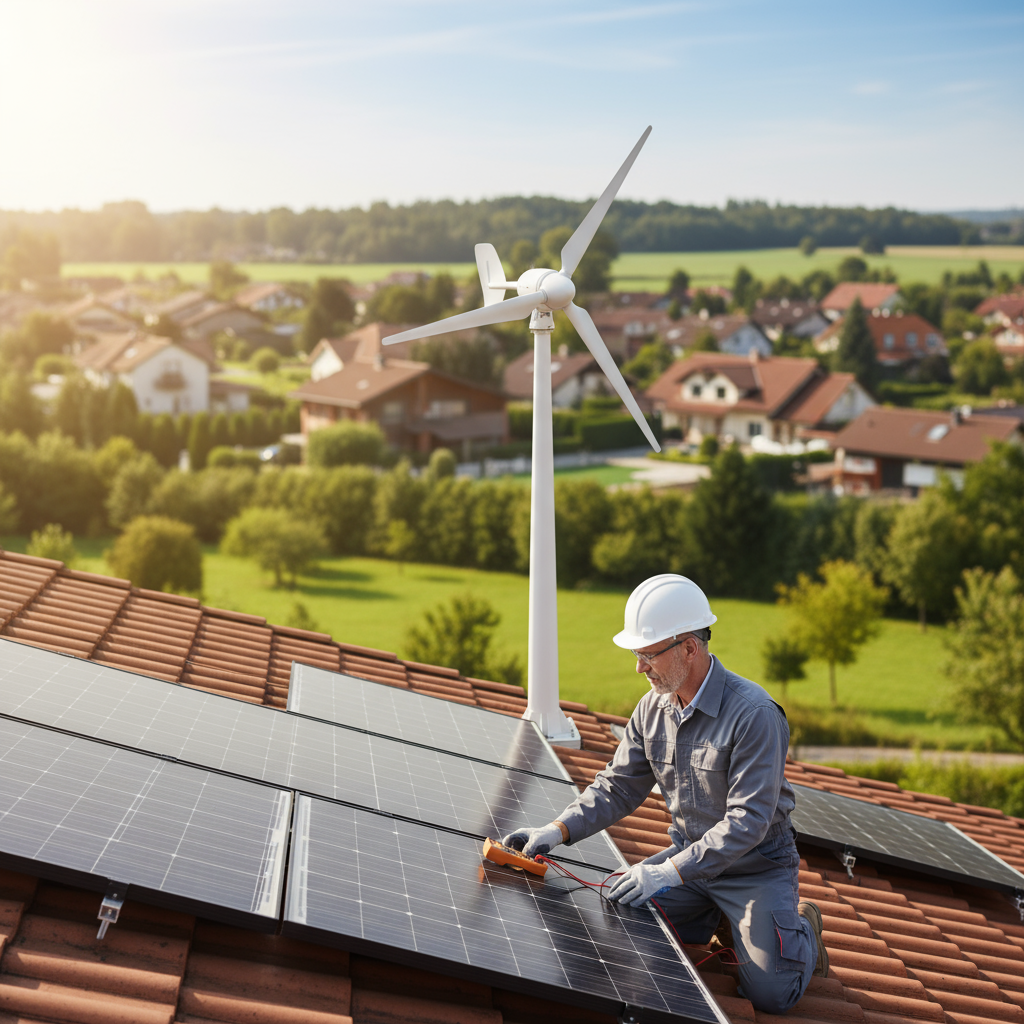
Renewable energy is changing how we power our homes—and it’s about time. More homeowners are making the switch, and honestly? The reasons are pretty compelling. We’re talking about real savings, energy independence, and doing something meaningful for the planet. But here’s the thing: not all renewable energy options work for every home. Some are game-changers, others might not be worth your time or money. Let’s break down what’s actually available and figure out which options make sense for your situation. Because when you understand what each type brings to the table, you can make a choice that actually works for your home, your budget, and your goals.
Exploring Different Types of Renewable Energy for Homes
So what are your options? There’s more variety than most people realize. Solar leads the pack—and for good reason. It’s adaptable, increasingly affordable, and works almost anywhere you get decent sunlight. Those panels on your roof? They’re converting sunshine into electricity or heat for your daily needs. Pretty cool when you think about it. If you’re considering solar, you’ll want to understand how to build sustainable eco-friendly systems since they complement solar installations beautifully.
Now, wind energy is a different story entirely. Got consistent breezes where you live? Small wind turbines might be worth exploring. They’re not as common as solar (mainly because you need the right conditions), but they can be fantastic for supplementing your power needs. The catch? You need space and steady wind patterns. Geothermal is where things get really interesting. This system taps into the earth’s steady underground temperature to heat and cool your home. It’s incredibly efficient—Mother Nature does most of the heavy lifting. And if you’re already thinking about efficiency, check out these ways to save energy at home to maximize your renewable energy investment.
Key Aspects of Renewable Energy Types
Let’s get into the details that actually matter when you’re choosing what works for your home:
- Solar Energy Uses and Benefits: Solar panels capture sunlight through photovoltaic cells (for electricity) or solar thermal systems (for heating water). They’re incredibly versatile—you can scale them up or down depending on your home size and energy needs. But here’s what really determines success: your location, which way your roof faces, and the quality of panels you choose. Get these right, and you’re looking at seriously reduced utility bills while supporting clean energy.
- Wind Energy Applications: Small wind turbines work by catching wind currents and converting them to power. Perfect for homes in open areas, on hills, or near the coast where wind is reliable. The reality? You need adequate space and consistent wind speeds to make it worthwhile. But when conditions are right, wind can be an excellent backup to solar or your main grid connection during peak demand times.
- Geothermal Integration: This is engineering at its finest. Geothermal heat pumps use the earth’s consistent underground temperature (around 50-60°F year-round) to regulate your home’s climate with minimal energy input. The result? High efficiency, long-term savings, and a dramatically smaller carbon footprint. Plus, it works regardless of weather—scorching summer or freezing winter, your system just hums along.
- Emerging Technologies: Don’t overlook bioenergy (power from organic materials) and small-scale hydroelectric options. They’re less mainstream but can be perfect in the right circumstances. Got a stream running through your property? That could be power. Live in an area with abundant agricultural waste? Bioenergy might make sense. These aren’t for everyone, but they’re expanding the renewable toolkit.
Here’s the bottom line: renewable energy isn’t one-size-fits-all. Your location, energy usage, and budget all play crucial roles in determining what makes sense. A solar setup that works brilliantly in Arizona might not be the best choice in Seattle. That’s why understanding your options matters so much. Once you know what’s possible, you can start thinking about the bigger picture—the real benefits that make this whole transition worthwhile.
The Multifaceted Benefits of Using Renewable Energy at Home
Okay, let’s talk about why homeowners are making this switch in droves. The environmental impact is huge—you’re literally cutting your household’s carbon footprint while contributing to cleaner air and fighting climate change. But let’s be honest: most people also care about the money. Renewable energy systems slash electricity bills over time, and government incentives often sweeten the deal by reducing upfront costs. Then there’s energy independence—probably the most underrated benefit. You’re no longer at the mercy of utility rate hikes or power outages. Want to understand the broader environmental picture? Learning how to reduce greenhouse gas emissions shows you how renewable energy fits into the bigger sustainability puzzle.
The financial benefits go deeper than monthly savings. Renewable energy installations typically boost property values and make homes more attractive to buyers who prioritize sustainability. Smart homeowners also combine renewable installations with energy saving strategies to maximize efficiency and returns. Energy independence is the game-changer, though. When you generate your own power, you’re protected from grid outages and rising energy costs. It’s like having insurance for your energy needs while taking control of your environmental impact.
Key Aspects of Renewable Energy Benefits at Home
The advantages span several areas that can genuinely transform your home ownership experience:
- Environmental Impact and Sustainability: When you switch to renewable sources, you’re dramatically reducing fossil fuel dependence and cutting greenhouse gas emissions from your home. This isn’t just good for the planet—it creates healthier air quality in your immediate area and positions you as a sustainability leader in your community. Every kilowatt-hour you generate cleanly is one less that needs to come from potentially polluting sources.
- Cost Savings and Financial Incentives: Yes, installation costs can be steep initially. But think long-term: reduced energy bills month after month, year after year. Many regions offer tax credits, rebates, or grants that can cut your upfront investment significantly and speed up payback periods. Some homeowners see their systems pay for themselves in 5-7 years, then enjoy free or dramatically reduced energy costs for decades.
- Enhanced Energy Independence: This might be the most valuable benefit of all. Generating your own power means you’re not subject to utility company rate changes or vulnerable to grid failures. Live in an area prone to outages or price volatility? Your renewable system provides consistency and peace of mind. It’s energy security you control.
- Property Value and Marketability: Today’s buyers increasingly want homes with renewable energy features. Studies show these homes often sell faster and for higher prices than comparable properties without green energy systems. You’re not just investing in your current energy needs—you’re making your home more attractive to future buyers who value sustainability and efficiency.
So you’re thinking about renewable energy for your home? Smart move. You’ve got some fantastic options to choose from—solar panels soaking up all that free sunshine, wind turbines catching every breeze, and geothermal systems that tap into the earth’s steady underground temps. The beauty is there’s something for almost every situation. Got a sunny roof? Solar’s your friend. Live somewhere windy? Maybe a small turbine makes sense. And if you’re in the right spot, options like bioenergy or even micro-hydroelectric can work wonders.
Here’s what makes this switch so appealing: you’re not just helping the planet (though that’s huge). Your wallet will thank you too. We’re talking about seriously lower utility bills—sometimes they disappear entirely. Plus, your home’s value gets a nice boost, and don’t get me started on all the tax credits and rebates available right now. But here’s my favorite part: energy independence. No more worrying about power outages or watching electricity prices climb year after year. That peace of mind? Priceless.
Now, let’s be real about the installation side of things. Success comes down to doing your homework first. You need to know how much sun your roof actually gets, whether you have decent wind, and what your land can handle. This isn’t a DIY weekend project—hire certified pros who know what they’re doing. They’ll make sure everything’s safe and actually works the way it should. And yes, there are upfront costs to consider, but when you factor in the incentives and calculate your payback timeline, the numbers usually make a lot of sense.
Ready to dive deeper into sustainable living? I’ve got some resources that’ll keep you moving in the right direction. Start with learning how to build a rain garden—it’s a brilliant way to handle stormwater naturally while creating beautiful, eco-friendly landscaping. Feeling community-minded? Check out how to start a community garden and bring fresh, local food production right to your neighborhood. Want to squeeze even more efficiency from your home? These ways to save energy at home will help you cut waste and maximize your renewable investment. And since we’re talking about your carbon footprint, definitely explore how to reduce greenhouse gas emissions for the bigger picture. Don’t overlook the small stuff either—simple practices like recycling glass bottles all add up. For a comprehensive look at your environmental impact, our guide on how to reduce your carbon footprint ties everything together beautifully. And if you love seeing what’s on the horizon, you’ll find our piece on green technology innovations absolutely fascinating.
Look, going renewable isn’t just about cutting your electric bill (though that’s pretty sweet). You’re making a statement about the kind of future you want to build. Every solar panel installed, every kilowatt-hour generated cleanly—it all adds up. Your home becomes part of the solution instead of part of the problem. That’s powerful stuff. So take what you’ve learned, explore those resources, and start planning your next steps. The planet needs more homes like the one you’re creating, and honestly? Your future self will thank you for making this move today.
Frequently Asked Questions
-
What is the best type of renewable energy for homes?
- The best option depends on your location, budget, and energy needs, with solar energy being the most widely used and versatile choice.
-
How much can I save by switching to renewable energy?
- Savings vary based on system size, energy consumption, and local incentives, but many homeowners significantly reduce or eliminate their energy bills over time.
-
Are there government incentives for installing renewable energy?
- Yes, many governments offer tax credits, rebates, and grants to help offset installation costs and encourage adoption.
-
Is maintenance of renewable energy systems difficult?
- Most renewable systems require minimal maintenance; routine inspections and cleaning help ensure peak efficiency and longevity.
-
Can renewable energy fully power my home?
- This depends on the system size and your energy demands. Many homes achieve full or partial energy independence with properly sized systems.