
Plant Cells & Climate Change: New Study Insights
Recent scientific breakthroughs have illuminated the critical relationship between plant cellular mechanisms and climate change adaptation. As global temperatures rise and weather patterns become increasingly unpredictable, plants—the foundation of terrestrial ecosystems—are responding at the cellular level in ways that fundamentally reshape our understanding of environmental resilience. These discoveries reveal that plant cells possess sophisticated adaptive strategies that determine not only species survival but also the planet’s capacity to mitigate climate impacts through carbon sequestration and ecosystem stability.
Understanding how plant cells respond to environmental stress has profound implications for global food security, ecosystem health, and climate mitigation strategies. Recent studies from leading research institutions demonstrate that cellular-level changes in photosynthesis efficiency, water regulation, and stress hormone production are accelerating in response to climate pressures. This article explores groundbreaking research on plant cellular responses to climate change, examining the mechanisms plants employ to adapt, the ecological consequences of these adaptations, and what these findings mean for our collective environmental future.
Cellular Mechanisms of Climate Adaptation
Plant cells represent sophisticated biological systems capable of detecting and responding to environmental fluctuations with remarkable precision. At the cellular level, climate change manifests as multiple stressors: elevated temperatures, altered precipitation patterns, increased UV radiation, and changing atmospheric CO₂ concentrations. Recent research published in Nature Climate Change reveals that plant cells activate complex signaling cascades within minutes of detecting these environmental shifts, initiating protective mechanisms that operate across multiple cellular compartments.
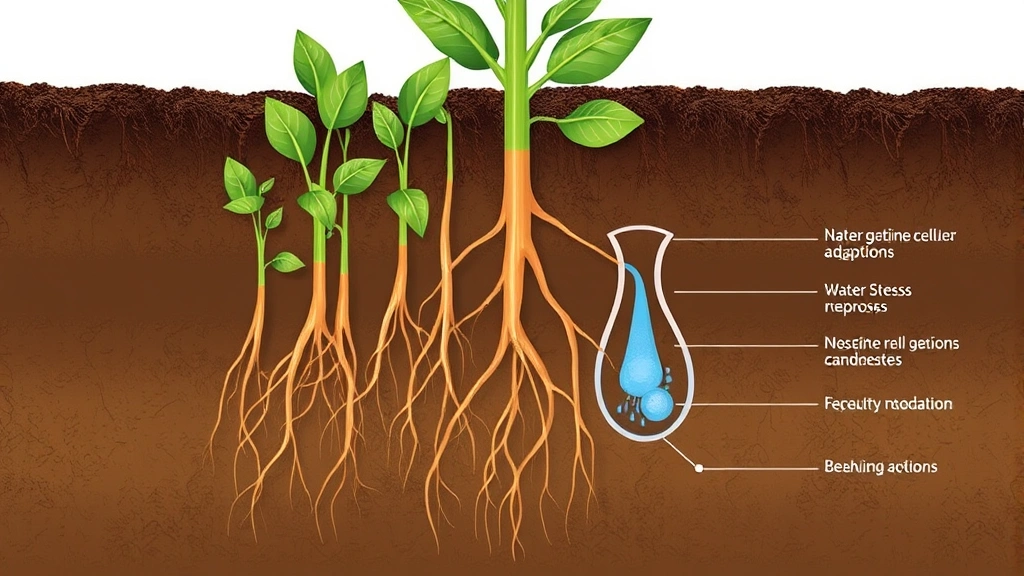
The cell membrane functions as the primary sensing apparatus, containing specialized proteins called mechanoreceptors and osmoreceptors that detect physical and chemical changes in the external environment. When plants experience drought stress, for instance, osmoreceptors in the cell membrane recognize reduced water availability and trigger a cascade of calcium ion influx into the cytoplasm. This calcium signaling activates downstream responses including the synthesis of abscisic acid (ABA), a critical stress hormone that coordinates plant-wide defensive strategies. Understanding these human-environment interaction parallels helps contextualize how biological systems respond to anthropogenic environmental changes.
Mitochondria, the cellular powerhouses, undergo structural reorganization during climate stress, shifting their morphology to optimize energy production under adverse conditions. This metabolic reprogramming allows plants to maintain critical functions like ion transport and osmolyte synthesis even when resources are limited. The chloroplast, equally important, experiences dynamic changes in its thylakoid membrane organization, adjusting light-harvesting antenna size to prevent photodamage while maximizing light capture efficiency. These subcellular reorganizations represent evolutionary innovations that enable plant survival in increasingly hostile climates.
Photosynthesis Under Stress: New Findings
Photosynthesis, the fundamental process converting solar energy into chemical energy, faces unprecedented challenges in a warming world. Recent studies demonstrate that plant cells employ rapid, reversible modifications to photosynthetic machinery in response to temperature fluctuations. The photosystem II complex, located in the thylakoid membrane, shows remarkable thermal resilience when plants receive advance warning of heat stress through previous exposure to moderate temperature increases—a phenomenon termed “thermal memory.”
A groundbreaking study from the World Bank’s Climate Change Division collaborated with plant biologists to investigate photosynthetic efficiency across diverse plant species under elevated temperature regimes. The findings revealed that certain plant cells possess enhanced expression of heat shock proteins (HSPs) that stabilize the D1 protein in photosystem II, preventing its photodegradation during stress. Plants that have experienced previous heat stress show 15-25% greater photosynthetic resilience compared to plants with no prior exposure, suggesting that cellular memory mechanisms enhance adaptive capacity.
The rubisco enzyme, responsible for carbon fixation, operates with declining efficiency at elevated temperatures due to increased photorespiration—a wasteful process that consumes energy while releasing previously fixed carbon. However, plant cells have evolved sophisticated regulatory mechanisms to suppress photorespiration during stress. Recent research indicates that certain crop varieties activate C₃ to C₄ metabolic shifts in response to heat and drought, essentially rewiring their photosynthetic pathway to improve efficiency. This cellular-level flexibility offers promising targets for crop improvement in climate change adaptation strategies.
Stomatal regulation, controlled by specialized guard cells, represents another critical photosynthetic adaptation. Guard cells respond to environmental signals by modulating stomatal aperture, balancing carbon dioxide uptake for photosynthesis against water loss through transpiration. Under climate change scenarios with increased heat and variable precipitation, guard cells demonstrate enhanced sensitivity to abscisic acid and improved closure kinetics, allowing plants to conserve water during drought while maintaining photosynthetic function during favorable conditions. Understanding these mechanisms informs breeding programs aimed at developing climate-resilient crops for future environmental conditions.
” alt=”Plant cells adapting to climate stress through photosynthetic reorganization”/>
Water Management at the Cellular Level
Water availability represents perhaps the most critical factor limiting plant survival in a changing climate. Plant cells have evolved sophisticated mechanisms for water acquisition, storage, and conservation that operate across multiple scales. At the molecular level, aquaporins—water channel proteins embedded in cell membranes—regulate water transport into and out of cells with extraordinary specificity. Recent research demonstrates that climate stress induces differential expression of various aquaporin isoforms, optimizing water movement patterns for prevailing environmental conditions.
Osmolyte accumulation represents a fundamental cellular strategy for drought tolerance. When water becomes scarce, plant cells synthesize organic solutes including proline, glycine betaine, and trehalose that accumulate in the vacuole without damaging cellular structures. These osmolytes lower the water potential of the cell, creating a gradient that draws water inward and maintains cellular turgor—the pressure that keeps cells rigid and functional. Plants experiencing repeated drought stress show enhanced capacity for osmolyte synthesis, suggesting that cellular memory mechanisms prime protective responses. This adaptation directly links to broader questions about how environmental changes affect biological systems.
The vacuole, occupying up to 90% of plant cell volume, functions as the primary water storage compartment. Recent studies reveal that climate stress triggers changes in vacuolar membrane (tonoplast) composition and organization, enhancing membrane stability under osmotic stress. Additionally, cell wall composition shifts under drought conditions, with increased pectin and cellulose cross-linking providing mechanical support when turgor pressure declines. These coordinated cellular responses demonstrate the integrated nature of plant stress physiology, where multiple adaptations work synergistically to maintain cell viability.
Gene Expression and Environmental Response
Climate change acts as a powerful selective force, driving rapid evolution in plant populations through altered gene expression patterns. Research from leading ecological economics institutions demonstrates that plants experiencing environmental stress show massive transcriptional rewiring, with hundreds of genes upregulated or downregulated in coordinated response patterns. These transcriptional changes represent the cellular-level basis for phenotypic plasticity—the ability of plants to modify their physiology and morphology without genetic change.
Transcription factors serve as master regulators controlling expression of stress-response genes. The DREB (Dehydration Responsive Element Binding) family of transcription factors exemplifies this regulatory complexity: under drought stress, DREB proteins accumulate in the nucleus where they bind to specific DNA sequences upstream of stress-response genes, triggering their expression. Recent studies identify over 100 DREB-regulated genes involved in osmolyte synthesis, antioxidant production, and growth regulation. Intriguingly, plants show differential DREB activation patterns depending on stress history, suggesting that epigenetic modifications enable cellular memory of previous environmental challenges.
Epigenetic modifications—chemical changes to DNA and histone proteins that alter gene expression without changing DNA sequence—represent a critical mechanism for climate adaptation. DNA methylation patterns shift in response to environmental stress, with certain stress-response genes becoming hypomethylated (more accessible for expression) and others becoming hypermethylated (less accessible). These epigenetic changes can persist through cell divisions and even across generations, allowing plants to “remember” environmental stress and respond more effectively to future challenges. This transgenerational epigenetic inheritance suggests that parental exposure to climate stress may enhance offspring resilience—a mechanism with profound implications for ecosystem adaptation capacity.
Ecosystem-Wide Implications
Individual plant cellular responses cascade through ecosystems, fundamentally reshaping community composition, nutrient cycling, and carbon sequestration. When plant cells increase their allocation to stress tolerance mechanisms, they often reduce investment in growth, resulting in smaller plants with lower productivity. This trade-off has profound consequences for ecosystem functioning: reduced primary productivity cascades through food webs, affecting herbivores, predators, and decomposers. Recent research from the United Nations Environment Programme (UNEP) demonstrates that climate-driven changes in plant cell physiology are already altering ecosystem structure across multiple biomes.
In tropical rainforests, where photosynthetic stress from elevated temperatures and variable water availability has intensified, plant communities show shifting composition toward species with enhanced stress tolerance. These shifts alter carbon storage patterns, as different plant species vary dramatically in wood density, leaf lifespan, and decomposition rates. The Amazon rainforest, often described as “the lungs of the planet,” faces particular vulnerability: as plant cells experience chronic water stress, photosynthetic efficiency declines, reducing carbon uptake and potentially shifting the region from a carbon sink to a carbon source. This tipping point would have catastrophic climate consequences, highlighting the intimate connection between plant cellular physiology and global climate regulation.
Nutrient cycling processes depend critically on plant cell physiology. When drought stress reduces root growth and exudation of organic compounds, the microbial communities in the rhizosphere—the soil zone surrounding roots—experience reduced carbon availability. This disrupts nutrient cycling, potentially creating nutrient limitations that further stress plant growth. Conversely, some plants respond to stress by increasing root exudation, potentially enhancing microbial activity and nutrient mobilization. These context-dependent responses create complex ecosystem feedbacks that are only beginning to be understood.
Agricultural Applications and Food Security
Agricultural systems face existential threats from climate change, with plant cellular stress responses directly impacting crop productivity and food security for billions of people. Understanding plant cell physiology under stress conditions provides the foundation for developing climate-resilient crop varieties through both conventional breeding and biotechnology approaches. Major crop species including wheat, rice, and maize show substantial genetic variation in stress tolerance mechanisms, suggesting that selection for enhanced cellular stress responses could substantially improve climate resilience.
Crop breeding programs increasingly incorporate physiological traits reflecting enhanced cellular stress tolerance. Traits including improved osmolyte accumulation, enhanced stomatal sensitivity to abscisic acid, and greater photosynthetic resilience under heat stress are being systematically selected in breeding populations. Advanced phenotyping technologies now allow researchers to measure these cellular-level traits in thousands of plants, accelerating breeding progress. Some breeding programs report 10-15% improvements in yield under drought stress within just a few breeding cycles, demonstrating the practical potential of stress physiology-informed breeding.
Biotechnology offers complementary approaches to enhance plant cell stress tolerance. Transgenic crops with overexpression of stress-responsive genes including aquaporins, heat shock proteins, and osmolyte synthesis enzymes show enhanced stress tolerance under laboratory conditions. However, field performance often disappoints, suggesting that complex interactions among multiple cellular processes cannot be adequately captured in single-gene approaches. Current research increasingly employs systems biology approaches, using genomic and proteomic data to identify optimal combinations of genes for enhanced stress tolerance. These approaches represent a paradigm shift from single-gene modification toward synthetic biology-inspired engineering of stress-resilient cellular systems.
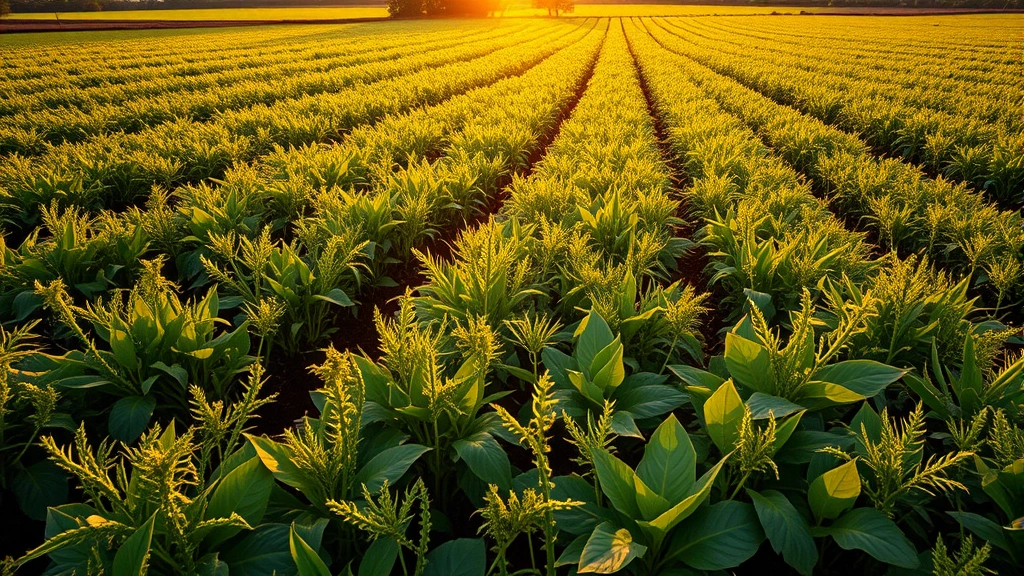
Irrigation management strategies increasingly incorporate physiological knowledge of plant cellular water status. Deficit irrigation—deliberately allowing mild water stress—can trigger protective cellular responses while conserving water resources. Recent studies demonstrate that carefully timed deficit irrigation improves water-use efficiency by 15-25% while maintaining yields, effectively enhancing the alignment between agricultural productivity and water availability. This approach requires detailed understanding of plant cellular responses to water stress, highlighting the practical value of fundamental plant physiology research for sustainable agriculture.
” alt=”Agricultural field demonstrating climate-resilient crop cultivation techniques”/>
Future Research Directions
Emerging research frontiers promise to deepen our understanding of plant cellular responses to climate change while identifying novel adaptation strategies. Single-cell sequencing technologies now enable researchers to characterize gene expression heterogeneity within plant tissues, revealing previously hidden cell-to-cell variation in stress responses. This cellular-level resolution promises to identify rare cell types or developmental stages particularly important for stress tolerance, potentially revealing new targets for crop improvement.
Synthetic biology approaches offer unprecedented opportunities to engineer plant cells with enhanced climate resilience. Rather than modifying individual genes, researchers increasingly design comprehensive metabolic rewiring to optimize stress response networks. For example, recent work demonstrates that simultaneous enhancement of multiple osmolyte synthesis pathways, coupled with improved antioxidant production and enhanced root growth capacity, yields synergistic improvements in drought tolerance exceeding what any single modification provides. These systems-level approaches represent a frontier in climate adaptation research.
Understanding plant cell memory mechanisms—how environmental stress triggers epigenetic changes that persist and enhance stress responses—offers profound implications for crop improvement and ecosystem resilience. Research linking parental stress exposure to offspring stress tolerance suggests that populations experiencing repeated environmental challenges may evolve enhanced adaptive capacity through transgenerational epigenetic inheritance. Harnessing this mechanism through selective breeding or targeted epigenetic modification could accelerate adaptation in agricultural systems.
Climate change also drives fundamental questions about plant evolutionary potential. Can plant populations evolve fast enough to track rapidly changing climates? Recent research suggests that evolution can proceed remarkably rapidly in response to strong selection pressure—some plant populations show measurable genetic shifts toward stress-tolerance traits within just a few generations. However, the speed of climate change in some regions may outpace evolutionary adaptation, particularly for long-lived species with extended generation times. Understanding the interaction between rapid adaptation through cellular plasticity and longer-term evolutionary change represents a critical research frontier.
International collaboration through initiatives like the CGIAR Consortium of International Agricultural Research Centers is accelerating research on climate-resilient crops. These programs integrate plant physiologists, breeders, agronomists, and economists to develop comprehensive solutions addressing climate adaptation across agricultural systems. The emphasis on evidence-based environmental knowledge reflects growing recognition that climate adaptation requires integration across scientific disciplines and practical implementation contexts.
FAQ
How do plant cells detect climate stress?
Plant cells detect environmental stress through multiple sensing mechanisms. Cell membrane proteins including mechanoreceptors and osmoreceptors directly sense physical and chemical changes such as temperature fluctuations, water availability, and osmotic pressure. These sensors trigger calcium signaling cascades that activate transcription factors controlling stress-response gene expression. Additionally, chloroplasts sense light quality changes and temperature fluctuations, triggering retrograde signaling that modulates nuclear gene expression. This multi-layered sensing system enables rapid, coordinated cellular responses to diverse environmental challenges.
Can plant cells adapt fast enough to keep pace with climate change?
Plant cell adaptation occurs through both rapid physiological plasticity (phenotypic changes without genetic modification) and longer-term genetic evolution. Physiological plasticity enables responses within hours to days, providing immediate stress tolerance. Genetic evolution proceeds more slowly but accumulates over generations, potentially shifting populations toward stress-tolerant genotypes. Research suggests that under strong selection pressure, plant populations can show measurable genetic shifts within just a few generations. However, the rate of climate change in some regions may exceed adaptation capacity for certain species, particularly long-lived trees. Combining natural adaptation with human-assisted breeding and biotechnology offers the most promising approach for maintaining agricultural productivity and ecosystem function.
What role do plant cells play in climate regulation?
Plant photosynthesis at the cellular level directly removes CO₂ from the atmosphere, with global terrestrial plants sequestering approximately 2.4 gigatons of carbon annually. When plant cells experience stress, photosynthetic efficiency declines, reducing carbon uptake and potentially shifting ecosystems from carbon sinks to carbon sources. Forests represent particularly important carbon reservoirs, with woody plant cells accumulating carbon in cell walls composed largely of cellulose and lignin. Climate-driven stress on plant cell physiology threatens these carbon storage functions, potentially creating positive feedback loops where climate change reduces plant productivity, which reduces carbon sequestration, which accelerates climate change.
How can understanding plant cell physiology improve crop resilience?
Knowledge of plant cell stress responses directly informs crop improvement strategies. Crop breeding programs now systematically select for traits reflecting enhanced cellular stress tolerance, including improved osmolyte accumulation, enhanced abscisic acid sensitivity, and greater photosynthetic resilience. Biotechnology enables targeted enhancement of specific cellular mechanisms. Agricultural management strategies including deficit irrigation and optimized planting dates leverage understanding of plant cellular water status and phenological development. Integration of physiological knowledge across breeding, biotechnology, and agronomy creates comprehensive approaches to climate adaptation substantially more effective than any single intervention.
What are epigenetic modifications and why do they matter for climate adaptation?
Epigenetic modifications are chemical changes to DNA and histone proteins that alter gene expression without changing the DNA sequence itself. DNA methylation and histone acetylation represent the primary epigenetic mechanisms. Under environmental stress, epigenetic modifications shift gene expression patterns, enabling rapid physiological responses. Importantly, some epigenetic modifications persist through cell divisions and even across generations, potentially allowing plants to “remember” environmental stress and respond more effectively to future challenges. This transgenerational epigenetic inheritance suggests that parental exposure to climate stress may enhance offspring resilience, though the mechanisms and reliability of this process remain active research areas.


