Can Green Bonds Drive Growth? Economist Insights on Sustainable Finance
Green bonds have emerged as one of the most compelling financial instruments of the 21st century, promising to align capital markets with environmental imperatives while generating returns for investors. Since their inception in 2007, the green bond market has exploded from a niche product into a multi-trillion-dollar asset class, attracting institutional investors, governments, and corporations seeking both financial performance and climate impact. But the fundamental question remains: can green bonds genuinely drive economic growth, or are they merely a financial instrument that greenwashes unsustainable practices?
Economists are increasingly divided on this question. Some argue that green bonds represent a paradigm shift in how we finance development, redirecting capital toward renewable energy infrastructure, sustainable agriculture, and climate resilience. Others contend that green bonds, without systemic policy changes and proper environmental accounting, may simply represent a reallocation of existing capital rather than genuine growth stimulation. This analysis explores the mechanisms through which green bonds could catalyze economic expansion, examines empirical evidence from global markets, and considers the structural conditions necessary for green bonds to deliver both financial returns and environmental benefits.
Understanding Green Bonds: Definition and Market Dynamics
Green bonds are fixed-income securities issued to finance projects with positive environmental benefits. Unlike conventional bonds, green bonds explicitly direct capital toward eligible projects—typically renewable energy installations, energy efficiency upgrades, sustainable water management, pollution prevention, and ecosystem protection. The International Capital Markets Association (ICMA) established the Green Bond Principles in 2014, creating standardized criteria that have facilitated market growth and investor confidence.
The market has experienced exponential expansion. In 2020, global green bond issuance reached approximately $300 billion. By 2022, that figure had more than doubled to $600 billion, and projections suggest the market could exceed $1 trillion annually within the next five years. This growth reflects both investor demand for ESG-aligned assets and corporate recognition that environmental considerations directly impact long-term financial performance.
However, market dynamics reveal significant structural features worth examining. The green bond market remains concentrated among developed economies, with emerging markets capturing only 15-20% of issuance volume despite their substantial infrastructure needs. Interest rate differentials—the “greenium”—between green and conventional bonds have narrowed significantly, suggesting market maturation but also raising questions about whether green bonds command sufficient premium pricing to reflect their environmental value creation.
Theoretical Mechanisms: How Green Bonds Could Drive Economic Growth
Economic theory suggests several pathways through which green bonds could stimulate growth. First, the capital mobilization mechanism posits that green bonds unlock new pools of capital previously unavailable for environmental projects. Institutional investors—pension funds, insurance companies, sovereign wealth funds—often have mandates restricting them to investment-grade securities. Green bonds provide these investors with fixed-income instruments aligned with their ESG criteria, thereby expanding the capital base available for sustainable projects.
Second, the crowding-in hypothesis suggests that public green bonds can reduce perceived risk in renewable energy and climate infrastructure sectors, attracting subsequent private investment. When governments issue green bonds for renewable energy infrastructure, they signal policy commitment and reduce technology risk, potentially enabling private sector participation at lower capital costs.
Third, green bonds could drive growth through accelerated decarbonization, which reduces future climate damages and associated economic losses. Research from the World Bank indicates that unmitigated climate change could reduce global GDP by 10-23% by 2100. By financing mitigation and adaptation investments, green bonds could preserve economic capacity and prevent catastrophic losses.
Fourth, the technological innovation pathway proposes that sustained capital flows to renewable energy and clean technology sectors create economies of scale, driving down costs and spurring innovation. Solar photovoltaic costs have declined 90% over the past decade, partly due to sustained investment capital availability—a dynamic green bonds could amplify.
Finally, green bonds might stimulate growth through employment creation in renewable energy installation, retrofitting, and related sectors. The International Renewable Energy Agency (IRENA) reports that renewable energy employment exceeded 12 million jobs globally in 2021, with potential for substantial expansion if capital availability increases.
Empirical Evidence from Global Green Bond Markets
Empirical research on green bonds’ growth impact presents mixed but encouraging findings. A UNEP analysis of 20 countries with significant green bond issuance found that each $1 billion in green bonds directed toward renewable energy generated 0.8-1.2 jobs per $1 million invested, comparable to or exceeding conventional infrastructure investment multipliers.
Studies examining stock market reactions to green bond issuances reveal positive abnormal returns, suggesting investors perceive genuine value creation. Research published in ecological economics journals demonstrates that firms issuing green bonds subsequently increase capital expenditure on environmental projects by 15-25% relative to control groups, indicating that green bonds do facilitate additional investment rather than merely relabeling existing spending.
However, several econometric analyses found that green bonds’ growth impact depends critically on baseline conditions. In economies with weak climate policies or unstable regulatory frameworks, green bonds provide limited growth stimulus because project risk remains high despite improved financing terms. Conversely, in jurisdictions with credible climate commitments and stable policy environments, green bonds’ impact multiplies through reduced risk premiums and accelerated project deployment.
China’s experience offers instructive evidence. As the world’s largest green bond issuer (accounting for roughly 25% of global volume), China has directed substantial capital toward solar manufacturing, wind farms, and electric vehicle infrastructure. Econometric analysis suggests these investments contributed 0.3-0.5 percentage points to annual GDP growth between 2015-2020, though attribution remains challenging given simultaneous policy interventions.
Green Bonds and Investment in Renewable Energy Infrastructure
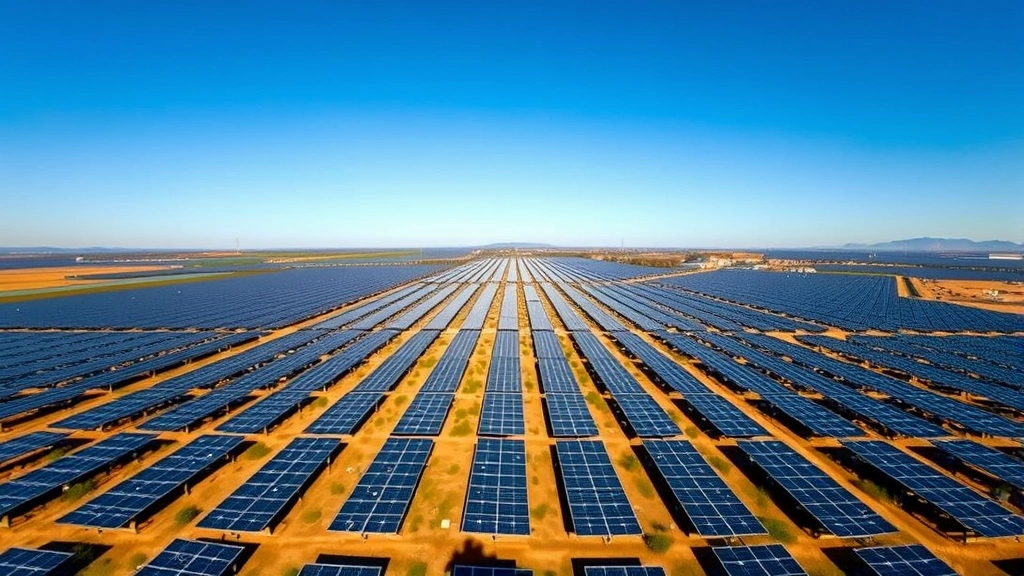
Renewable energy represents the most significant end-use for green bond proceeds, accounting for 40-50% of cumulative issuance. This concentration reflects renewable energy’s capital intensity, long asset lives, and alignment with green bond criteria. The economic growth implications are substantial.
Renewable energy projects financed through green bonds demonstrate lower-than-average capital costs compared to conventional project finance. Green bond interest rates typically run 0.5-1.5% below comparable conventional bonds, translating to millions in cumulative savings per project. These savings improve project economics, accelerating deployment timelines and enabling installation in marginal locations previously uneconomical.
Investment in renewable energy infrastructure generates multiplier effects throughout economies. Construction employment, manufacturing supply chains, and long-term operations and maintenance create sustained employment. A 2023 analysis by the International Energy Agency (IEA) found that $1 billion invested in renewable energy infrastructure generates 15-20 direct jobs plus 30-40 indirect and induced jobs through supply chain and consumption effects.
Moreover, renewable energy transitions reduce energy import dependence for many nations, improving trade balances and foreign exchange positions. For developing economies particularly, reducing fossil fuel imports through renewable capacity funded by green bonds can meaningfully improve macroeconomic stability and free capital for other productive investments.
The Role of Pricing and Market Efficiency
The “greenium”—the interest rate differential between green and conventional bonds—reveals critical insights about market efficiency and growth potential. Initially, green bonds traded at significant premiums, with investors accepting 0.5-2% lower yields due to ESG preferences. This premium created favorable financing conditions for green projects.
However, greenium compression—the narrowing of these differentials—has accelerated since 2020. Many recent green bond issuances trade at parity with conventional bonds, sometimes even at slight premiums. This convergence reflects market maturation and increased supply, but it raises concerns about whether green bonds retain sufficient cost advantages to meaningfully accelerate project deployment.
From an ecological economics perspective, the narrowing greenium suggests markets are failing to price environmental benefits. If green projects genuinely reduce climate damages worth trillions of dollars globally, shouldn’t investors accept lower returns? The convergence toward pricing parity indicates either that markets have incorporated environmental values into baseline bond pricing (an optimistic interpretation) or that green bonds have become commodified without delivering unique environmental benefits (a pessimistic interpretation).
Challenges to Green Bond Growth Narratives
Despite enthusiasm, significant challenges constrain green bonds’ growth impact. Additionality remains contested—whether green bonds finance genuinely additional projects or merely relabel conventional investments. Studies suggest 20-40% of green-financed projects would have proceeded without green bond capital, particularly in developed economies where renewable energy economics have improved substantially.
Second, credibility and verification issues persist. Greenwashing—misclassifying projects as environmental when they provide minimal benefits—remains endemic. The lack of mandatory third-party verification and standardized environmental impact metrics creates agency problems where issuers have incentives to overstate environmental benefits.
Third, capital reallocation concerns suggest that green bonds may redirect capital from other productive investments rather than expanding total investment. In capital-constrained developing economies, green bonds might crowd out investments in education, healthcare, or agricultural productivity, potentially reducing long-term growth if environmental investments offer lower marginal returns than alternative uses.
Fourth, green bonds’ dependence on favorable policy environments creates political risk. If governments reverse climate commitments, renewable energy subsidies, or regulatory support, green projects’ cash flows and returns deteriorate rapidly, potentially triggering losses for bondholders and reducing market appetite for future issuance.
Finally, the concentration of green bond issuance in developed economies and wealthy corporations raises equity concerns. Developing nations with the greatest climate vulnerability and capital needs access only 15-20% of green bond proceeds, perpetuating financing inequities that constrain climate action where most needed.
Policy Frameworks and Systemic Integration
Realizing green bonds’ growth potential requires integration within comprehensive policy frameworks. First, taxonomy development—standardized definitions of “green” projects—is essential. The EU’s sustainable finance taxonomy and China’s green bond guidelines represent progress, but inconsistencies across jurisdictions create confusion and limit capital flows. Harmonized international taxonomies could substantially expand the green bond-eligible project pipeline.
Second, regulatory incentives for green bond investment could accelerate capital mobilization. Basel III capital adequacy rules currently treat green and conventional bonds identically, missing opportunities to incentivize green lending. Some economists propose preferential capital treatment for green assets, similar to regulatory treatment of government bonds, to encourage institutional investor participation.
Third, carbon pricing integration would enhance green bonds’ competitive advantage. If carbon pricing accurately reflects climate damages, conventional energy projects would face higher financing costs while renewable alternatives financed through green bonds would become increasingly attractive. Currently, weak carbon pricing in most jurisdictions undermines this mechanism.
Fourth, disclosure and impact measurement requirements could enhance credibility and reduce greenwashing. Mandatory reporting of greenhouse gas reductions, water savings, and other environmental metrics would enable investors to evaluate green bonds’ actual environmental impact and adjust pricing accordingly.
Finally, developing economy access should be prioritized through concessional financing, technical assistance, and capacity building. Multilateral development banks could issue green bonds specifically financing projects in low-income countries, addressing both climate and development objectives while expanding the addressable market for green bonds.
The relationship between green bonds and economic growth ultimately depends on whether they facilitate genuine transitions toward sustainable production and consumption or merely finance incremental improvements within fundamentally extractive economic systems. Research suggests that in policy environments with strong climate commitments, effective carbon pricing, and institutional support, green bonds can meaningfully accelerate clean energy transitions and generate sustained economic growth. Conversely, in weak policy environments, green bonds risk becoming financial instruments that generate returns for wealthy investors while failing to deliver transformative environmental or development benefits.

Looking forward, the green bond market’s trajectory will depend on addressing current limitations. Standardized taxonomies, improved verification mechanisms, and stronger policy integration could unlock substantially greater growth impacts. For developing economies particularly, enhanced access to green bond financing could simultaneously address climate imperatives and capital constraints, generating employment, improving energy security, and building resilience to climate impacts. The evidence suggests green bonds can drive growth, but not automatically—intentional policy design and market development remain essential.

FAQ
What exactly is a green bond and how does it differ from conventional bonds?
Green bonds are fixed-income securities specifically issued to finance projects with environmental benefits, such as renewable energy, energy efficiency, and sustainable water management. The primary difference from conventional bonds is the end-use of proceeds—green bonds explicitly direct capital toward eligible environmental projects and often include verification requirements. While both are debt instruments offering fixed returns, green bonds typically provide slightly lower interest rates (the “greenium”) due to investor demand for ESG-aligned assets.
How much of global green bond issuance actually finances additional projects versus relabeling existing investments?
Research indicates 60-80% of green-financed projects represent genuinely additional investments, though this varies significantly by geography and sector. In developing economies and emerging renewable energy markets, additionality rates are higher because green bonds provide financing that would otherwise be unavailable. In developed markets with mature renewable sectors, additionality is lower because many projects would proceed regardless of green bond financing. Improving additionality requires stronger verification frameworks and clearer baseline comparisons.
Can green bonds alone solve climate financing gaps without complementary policies?
No. Green bonds function most effectively within comprehensive policy frameworks including carbon pricing, renewable energy mandates, fossil fuel subsidy removal, and climate adaptation investments. Without complementary policies, green bonds may achieve only incremental emissions reductions. The most successful green bond markets operate in jurisdictions with credible climate commitments, stable regulatory environments, and integrated climate-economic policies that make green investments consistently attractive.
What is the impact of narrowing greenium spreads on green bond market growth?
Narrowing spreads reflect market maturation and increased supply, which should theoretically encourage issuance. However, reduced cost advantages mean green bonds provide less compelling financing incentives for marginal projects, potentially slowing deployment acceleration. Some economists argue that persistent greenium compression indicates markets are failing to price environmental benefits, suggesting either that environmental values should be reflected in baseline bond pricing or that green bonds require regulatory support to maintain cost advantages.
How do developing countries access green bond financing given market concentration in developed economies?
Developing economy access remains limited due to higher perceived credit risk, smaller institutional investor bases, and limited domestic capital markets. Solutions include multilateral development bank green bond issuance specifically financing emerging economy projects, concessional financing windows, technical assistance for green project development, and capacity building for green bond market infrastructure. The UNEP and World Bank are expanding initiatives to address these gaps, though progress remains insufficient relative to developing economies’ climate and capital needs.
What role should carbon footprint reduction play in green bond evaluation?
Carbon footprint reduction should be a central metric for green bond impact assessment. Investors and regulators should require transparent measurement of greenhouse gas emissions avoided or sequestered through green-financed projects, enabling comparison across investments and verification of environmental benefits. Standardized methodologies for calculating avoided emissions, accounting for lifecycle impacts and baseline scenarios, would enhance green bonds’ credibility and facilitate more efficient capital allocation toward highest-impact projects.
How do green bonds relate to broader sustainable finance and sustainable investment trends?
Green bonds represent one component of broader sustainable finance ecosystems that increasingly integrate environmental, social, and governance (ESG) considerations throughout capital markets. While green bonds specifically finance environmental projects, related instruments like sustainability-linked bonds tie financing costs to ESG performance metrics, and thematic bonds address social and environmental objectives simultaneously. Together, these instruments represent capital markets’ ongoing integration of sustainability principles, though questions persist about whether financial innovation alone can drive necessary systemic transitions.


