Arid Environments’ Role in Economy: Journal Insight
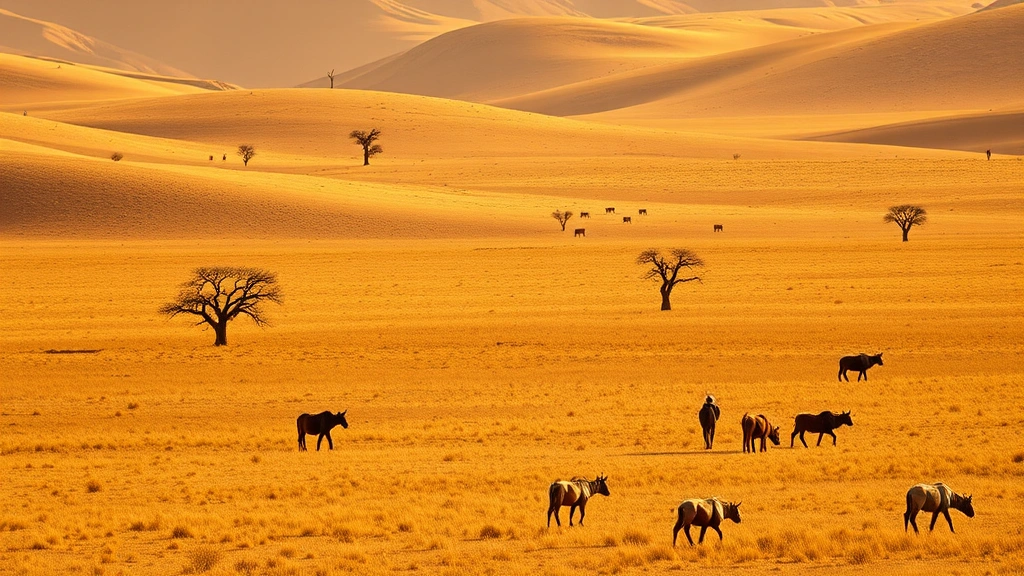
Arid and semi-arid ecosystems cover approximately 41% of Earth’s terrestrial surface and support over 2 billion people. Despite their challenging environmental conditions, these regions represent critical economic zones that contribute significantly to global agriculture, mineral extraction, renewable energy production, and biodiversity conservation. The Journal of Arid Environments serves as a vital academic platform for understanding the intricate relationships between economic development and ecological sustainability in these fragile landscapes. Recent research published in this peer-reviewed journal reveals how economic activities in arid zones must balance resource extraction with long-term environmental preservation.
The economic significance of arid environments extends far beyond their geographic boundaries. These regions produce essential commodities including petroleum, phosphate, rare earth elements, and agricultural products that supply global markets. Simultaneously, arid ecosystems face unprecedented pressures from climate change, desertification, and unsustainable resource management practices. Understanding these dynamics requires interdisciplinary research that combines ecological science, economics, and environmental policy—precisely the focus of contemporary arid environment research.
Economic Contributions of Arid Regions
Arid environments generate substantial economic value through multiple sectors. According to research documented in the Journal of Arid Environments, these regions contribute trillions of dollars annually to the global economy through diverse activities. The economic landscape of arid zones encompasses livestock production, mineral extraction, tourism, renewable energy development, and increasingly, ecosystem services valuation.
The economic analysis of arid environments reveals complex trade-offs between short-term resource extraction and long-term sustainability. Countries such as Saudi Arabia, Australia, and Namibia derive substantial GDP from arid region resources. However, this economic dependency creates vulnerability to environmental degradation and climate variability. Recent economic models presented in arid environment journals emphasize the need for diversified economic strategies that reduce reliance on single extractive industries.
The World Bank estimates that desertification costs affected countries approximately $490 billion annually in ecosystem service losses. This figure underscores the critical importance of integrating ecological economics into policy frameworks for arid regions. World Bank research demonstrates that investments in sustainable arid land management generate positive return-on-investment ratios while preserving productive capacity.
Agricultural Productivity and Food Security
Agriculture in arid environments represents one of humanity’s most challenging economic endeavors. Despite water scarcity and harsh climatic conditions, arid regions produce significant proportions of global food supplies. The Journal of Arid Environments regularly publishes research on innovative irrigation technologies, drought-resistant crop varieties, and sustainable pastoral management systems that enhance agricultural resilience.
Approximately 70% of global drylands are used for livestock production, making pastoralism economically crucial for hundreds of millions of people. However, overgrazing and unsustainable rangeland management threaten both ecosystem health and economic viability. Contemporary research emphasizes regenerative grazing practices that sequester carbon, improve soil health, and maintain productive capacity. These approaches align with broader sustainability goals while maintaining economic output.
Irrigated agriculture in arid zones faces mounting economic pressures from groundwater depletion. The Ogallala Aquifer in North America and the Nubian Aquifer in Africa exemplify critical water resources supporting agricultural economies. Economic analyses in arid environment journals explore the true cost of water extraction, including environmental externalities often excluded from conventional agricultural economics. Transitioning toward more water-efficient crops and precision irrigation technologies represents a crucial economic adaptation strategy.
Understanding human environment interaction in agricultural contexts reveals how economic incentives shape land use decisions. Subsidies for water-intensive crops in arid regions create perverse economic signals that encourage unsustainable practices. Policy reforms incorporating true environmental costs into agricultural pricing mechanisms could substantially improve long-term economic and ecological outcomes.
Mineral Resources and Extractive Industries
Arid regions contain disproportionately high concentrations of economically valuable mineral deposits. Phosphate mining in North Africa, copper extraction in Chile’s Atacama Desert, and rare earth element production in Mongolia represent major contributors to regional economies and global supply chains. The Journal of Arid Environments documents extensive research on extractive industry impacts on water resources, soil quality, and ecosystem services.
Mining operations in arid environments create complex economic-ecological relationships. While generating immediate employment and government revenue, large-scale extraction often imposes long-term environmental costs that diminish future economic opportunities. The concept of “resource curse” economics describes scenarios where natural resource wealth paradoxically correlates with reduced economic development and increased environmental degradation. Arid region mining frequently exemplifies this pattern, with countries experiencing declining ecosystem health despite substantial mineral revenues.
Economic valuation of mining externalities remains contentious but increasingly necessary for informed policy decisions. When environmental costs—including water contamination, habitat destruction, and desertification acceleration—are incorporated into cost-benefit analyses, many proposed mining projects demonstrate negative net economic value. Progressive arid region economies increasingly require environmental impact bonds and restoration funds that ensure mining companies internalize ecological costs.
Renewable Energy Potential in Arid Zones
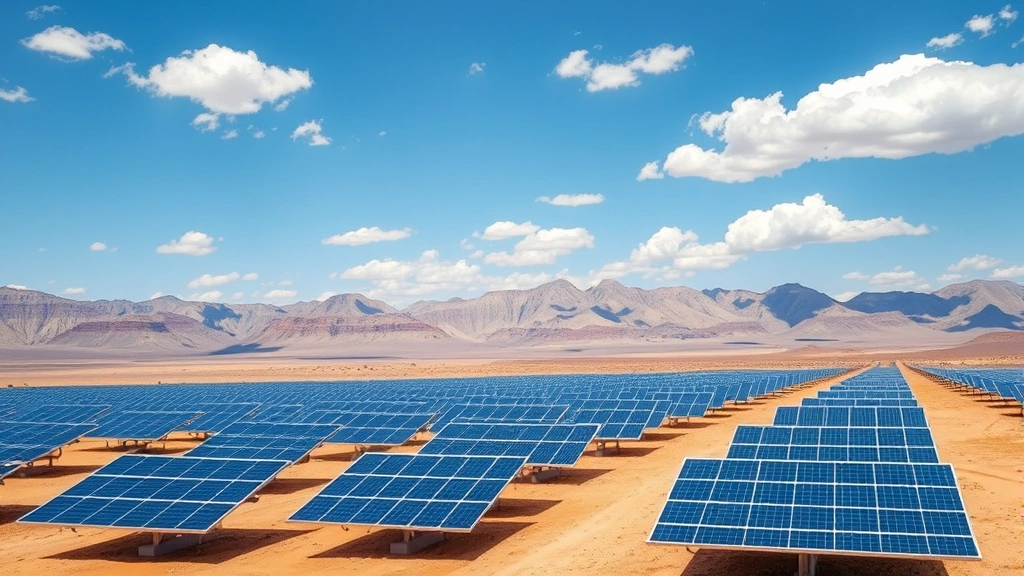
Arid environments possess exceptional potential for renewable energy development, offering economic opportunities aligned with climate mitigation objectives. Solar irradiance in desert regions exceeds 2,500 kWh/m²/year—substantially higher than temperate zones. The Concentrated Solar Power (CSP) industry in North Africa and the Middle East exemplifies how arid geography can drive clean energy economics.
Renewable energy development in arid zones presents significant economic advantages beyond energy generation. Manufacturing solar panels, wind turbines, and associated infrastructure creates employment in regions often facing limited economic diversification. Research published in the Journal of Arid Environments examines how renewable energy transitions can strengthen economic resilience while reducing greenhouse gas emissions. renewable energy solutions increasingly extend beyond individual homes to utility-scale projects transforming arid regional economies.
However, renewable energy infrastructure development in arid ecosystems requires careful ecological planning. Large solar installations and wind farms can impact desert wildlife, alter water availability, and modify landscape-level processes. Life cycle assessments of renewable energy projects must account for manufacturing impacts, installation effects, and end-of-life considerations. Sustainable renewable energy development in arid regions balances energy production benefits against ecological conservation priorities.
Water Management and Economic Implications
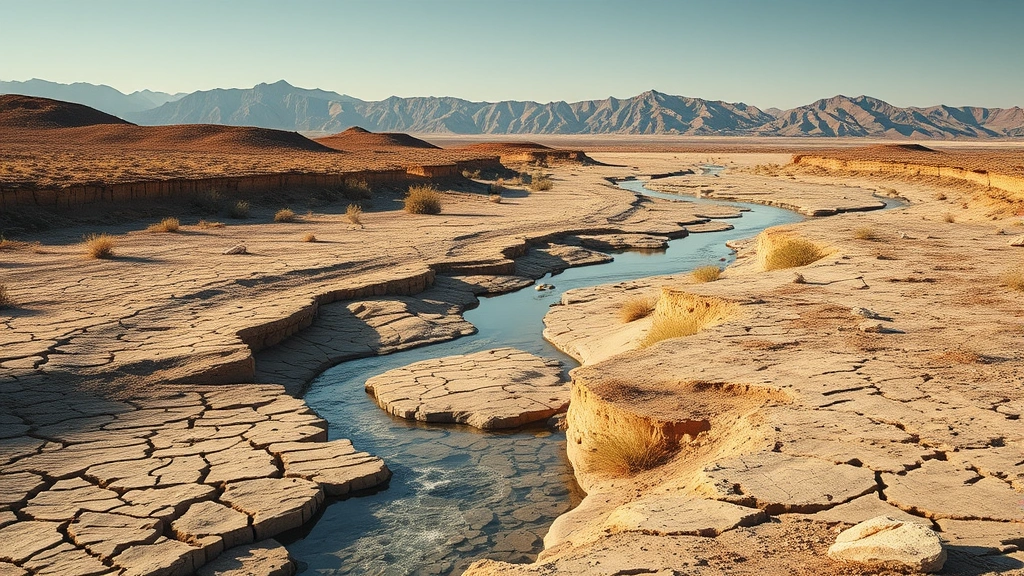
Water scarcity fundamentally constrains economic development in arid regions. Competition among agricultural, industrial, municipal, and environmental water demands creates complex allocation challenges with profound economic consequences. The Journal of Arid Environments extensively covers water economics research examining pricing mechanisms, allocation efficiency, and sustainable management frameworks.
Economic water scarcity—where infrastructure limitations rather than absolute water availability constrain supply—characterizes many arid regions. Investments in water harvesting, aquifer recharge, and desalination technologies represent capital-intensive interventions with variable economic returns. Cost-benefit analyses must incorporate opportunity costs, including foregone agricultural production or ecosystem services when water is redirected to alternative uses.
Transboundary water management introduces additional economic complexities in arid regions. The Nile, Tigris-Euphrates, and Colorado Rivers exemplify how water scarcity creates interstate economic tensions. International water agreements must balance competing economic interests while protecting ecosystem integrity. Economic instruments including water trading markets and payment for ecosystem services offer potential mechanisms for efficient allocation while maintaining environmental flows.
Biodiversity Economics in Desert Ecosystems
Desert ecosystems, despite appearing desolate, harbor remarkable biodiversity with significant economic value. Pharmaceutical compounds derived from desert plants, genetic resources for crop improvement, and ecosystem services including carbon sequestration represent undervalued economic assets. The Journal of Arid Environments documents research quantifying biodiversity contributions to arid region economies.
Ecotourism in arid regions generates substantial economic returns while creating incentives for conservation. Protected areas including national parks and nature reserves in desert regions attract millions of visitors annually, generating revenue for local communities and government agencies. However, tourism development must be carefully managed to prevent ecosystem degradation that ultimately undermines the economic foundation of tourism industries.
Bioprospecting—the systematic search for economically valuable biological compounds—represents an emerging economic opportunity in arid regions. Desert plants and microorganisms produce unique chemical compounds potentially valuable for pharmaceuticals, cosmetics, and industrial applications. Benefit-sharing agreements ensuring that local communities and source countries receive equitable compensation for genetic resources represent crucial economic justice mechanisms.
Climate Change Impacts on Arid Economy
Climate change disproportionately threatens arid region economies through accelerated desertification, increased drought frequency, and altered precipitation patterns. The IPCC projects that arid and semi-arid regions will experience 5-20% reductions in water availability by 2050. These changes carry profound economic implications for agriculture, water supply, and ecosystem-dependent industries.
Economic modeling of climate change impacts in arid regions reveals cascading effects across multiple sectors. Reduced agricultural productivity threatens food security and rural livelihoods. Declining water availability constrains hydroelectric power generation and industrial production. Increased climate variability heightens economic uncertainty, complicating investment decisions and long-term planning. The United Nations Environment Programme emphasizes that climate adaptation investments in arid regions generate substantial economic benefits by reducing climate change damages.
Economic adaptation strategies for arid regions include diversifying income sources, improving water use efficiency, and developing climate-resilient agricultural systems. jobs that help the environment increasingly concentrate in arid region climate adaptation sectors, including renewable energy installation, water management engineering, and ecological restoration.
Sustainable Development Frameworks
Integrating economic development with ecological sustainability in arid regions requires comprehensive policy frameworks grounded in ecological economics principles. The Journal of Arid Environments advocates for approaches that recognize natural capital as foundational to economic prosperity. Sustainable development frameworks for arid zones emphasize regenerative practices that enhance ecosystem services while generating economic value.
Payment for Ecosystem Services (PES) mechanisms represent innovative economic instruments for arid region conservation. Compensating landowners for maintaining vegetation cover, protecting water sources, and sequestering carbon creates economic incentives aligned with conservation objectives. Research demonstrates that well-designed PES programs can simultaneously improve ecological outcomes and rural incomes.
Circular economy principles offer promising frameworks for arid region resource management. Minimizing waste, maximizing material reuse, and reducing extraction intensity decreases environmental pressure while maintaining economic productivity. Industries implementing circular economy practices—including renewable energy sectors and water-efficient agriculture—demonstrate that environmental responsibility and economic competitiveness are compatible objectives.
Understanding true costs of environmental degradation requires comprehensive economic accounting incorporating natural capital depreciation. National income accounting that excludes environmental resource depletion systematically overestimates economic progress. Progressive arid region economies increasingly adopt environmental accounting frameworks that reveal sustainable development pathways aligned with genuine economic interests.
reducing carbon footprint in arid region economies requires systemic transitions across energy, agriculture, and industrial sectors. Economic policies incorporating carbon pricing, renewable energy subsidies, and sustainable agriculture incentives accelerate these transitions while generating employment and innovation opportunities.
The transition toward sustainable arid region economies represents one of the defining economic challenges of the 21st century. Research institutions publishing in the Journal of Arid Environments provide essential scientific foundations for policy decisions affecting billions of people. Integrating ecological science with economic analysis offers pathways toward prosperity that respect planetary boundaries and preserve future economic opportunities.
FAQ
What percentage of Earth’s land area comprises arid environments?
Arid and semi-arid ecosystems cover approximately 41% of Earth’s terrestrial surface, supporting over 2 billion people across diverse economic systems and livelihood strategies.
How do arid regions contribute to global mineral supplies?
Arid regions contain disproportionately high concentrations of economically valuable minerals including phosphate, copper, rare earth elements, and petroleum. These resources supply critical global supply chains but often impose significant environmental costs.
What renewable energy advantages do arid zones possess?
Arid environments receive exceptional solar irradiance exceeding 2,500 kWh/m²/year, enabling highly productive solar and concentrated solar power installations. Wind resources in many arid regions also exceed temperate zone averages.
How does water scarcity constrain arid region economies?
Water scarcity limits agricultural productivity, constrains industrial development, and creates competition among multiple users. Economic water scarcity—where infrastructure limitations prevent accessing available water—characterizes many arid regions.
What role does the Journal of Arid Environments play in economic research?
The Journal of Arid Environments publishes peer-reviewed research examining ecological-economic relationships in arid zones, providing scientific foundations for sustainable development policy and practice.
How can arid regions balance economic development with conservation?
Sustainable development frameworks incorporating ecological economics principles, payment for ecosystem services, circular economy practices, and environmental accounting enable arid regions to pursue prosperity aligned with ecological limits.
What climate change impacts threaten arid region economies?
Climate change accelerates desertification, increases drought frequency, and alters precipitation patterns. The IPCC projects 5-20% water availability reductions by 2050 in many arid regions, with cascading economic consequences.
How do extractive industries affect arid region sustainability?
Mining and petroleum extraction generate immediate economic benefits but often impose long-term environmental costs including water contamination, habitat destruction, and desertification acceleration that diminish future economic opportunities.