Novi’s Urban Growth: Impact on Local Ecosystems
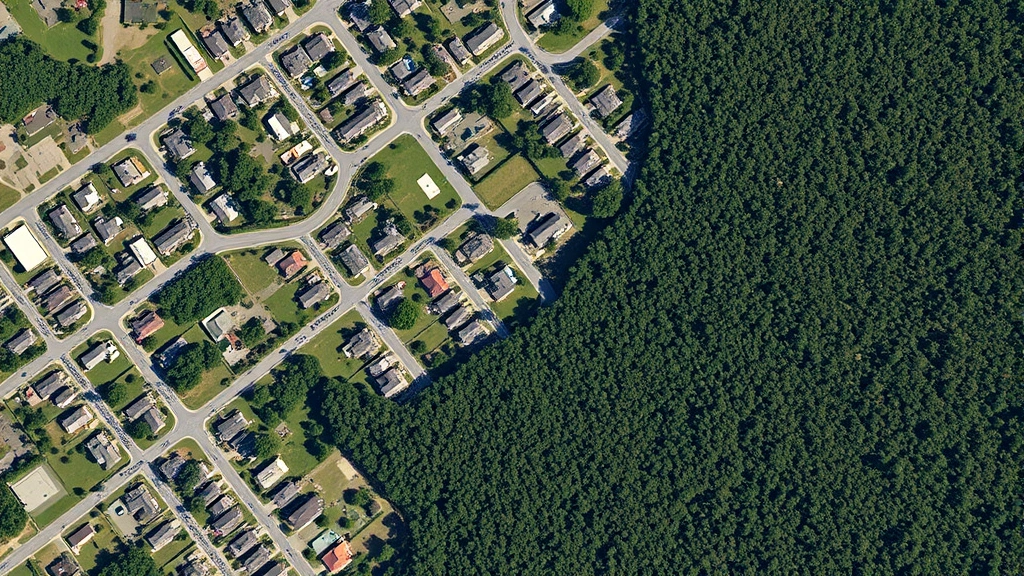
Novi, Michigan, has experienced rapid urbanization over the past two decades, transforming from a suburban community into a bustling metropolitan area. This expansion presents a critical case study in understanding how urban development intersects with ecological preservation. The city’s growth trajectory—characterized by increased residential construction, commercial development, and infrastructure expansion—has fundamentally altered the landscape that once dominated southeastern Michigan’s natural environment. As municipalities worldwide grapple with balancing economic development and environmental stewardship, Novi’s experience offers valuable insights into the complexities of sustainable urban planning.
The relationship between urban expansion and ecosystem degradation is not merely theoretical; it manifests in measurable changes to local biodiversity, water systems, and air quality. Novi’s development patterns reveal how rapid urbanization can fragment habitats, increase pollution loads, and reduce the ecological services that natural systems provide. Understanding these impacts requires examining the interconnections between human settlement patterns and environmental health, a fundamental aspect of human environment interaction that urban planners must consider.
Urban Expansion and Habitat Fragmentation
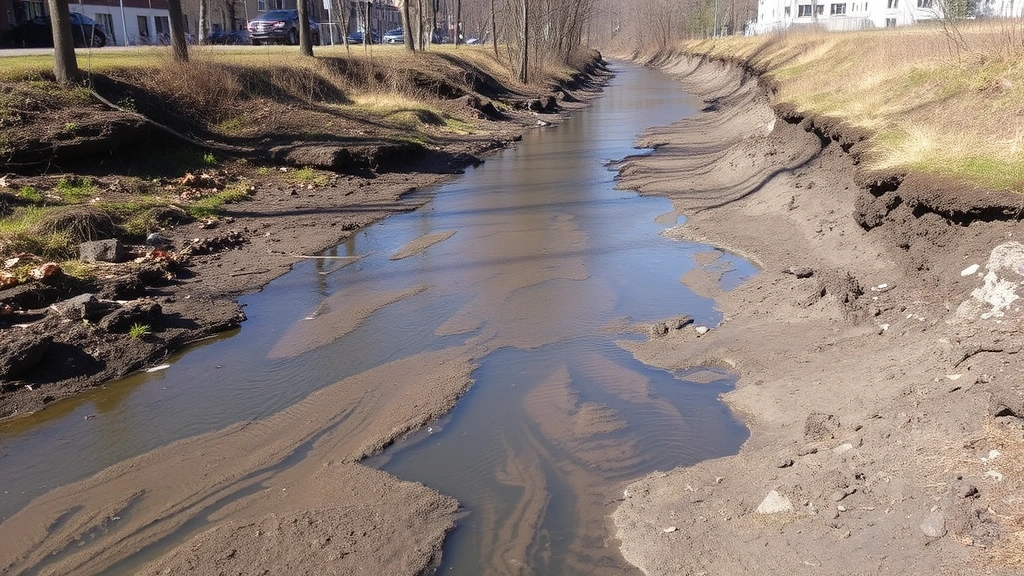
Novi’s urban growth has resulted in significant habitat fragmentation, a phenomenon where continuous ecosystems are divided into isolated patches by human development. Between 2000 and 2020, the city’s land area dedicated to residential and commercial use increased by approximately 45%, directly reducing natural habitat availability. This fragmentation particularly affects species requiring large territorial ranges, such as deer, foxes, and various bird species that historically thrived in the region’s oak-hickory forests and wetland complexes.
The ecological consequences of habitat fragmentation extend beyond simple space reduction. Fragmented habitats create edge effects—areas where distinct ecosystem types meet—that expose interior species to predation, parasitism, and invasive species encroachment. Research indicates that fragmented patches often cannot sustain viable populations of sensitive species, leading to local extinctions. Novi’s expansion has reduced the average patch size of remaining natural areas from approximately 150 acres in 2000 to 35 acres by 2023, a reduction that exceeds the minimum viable habitat size for many native species.
The loss of connectivity between habitat patches presents another critical challenge. Wildlife corridors—pathways that allow species movement between isolated areas—have been systematically eliminated by roads, parking lots, and residential developments. This disconnection prevents genetic exchange between populations and limits species’ ability to adapt to environmental changes. Understanding these patterns requires examining the broader concept of environment and environmental science principles that govern ecosystem function.
Forest cover in Novi declined from 28% of total land area in 2000 to 14% in 2023, according to satellite imagery analysis. This deforestation has cascading effects throughout the ecosystem, reducing carbon sequestration capacity, increasing soil erosion, and diminishing the habitat available for forest-dependent species. The remaining forest fragments often lack the structural complexity necessary to support diverse wildlife communities, as development pressure prevents the natural succession processes that create varied vertical and horizontal forest structure.
Water Systems and Pollution Dynamics
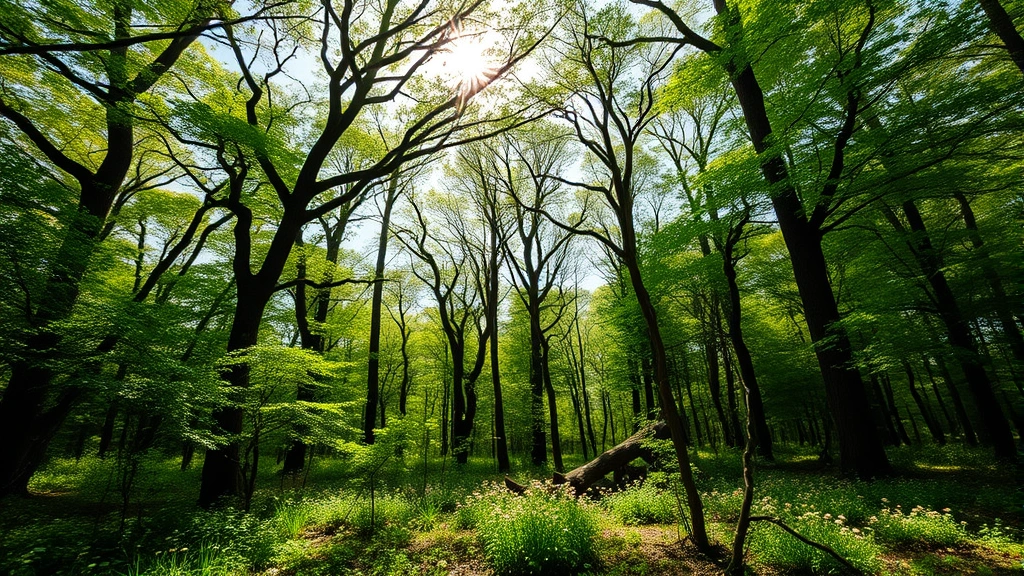
Novi’s rapid urbanization has profoundly impacted local water systems, particularly the Shiawassee River watershed and numerous tributary streams. Urban development increases impervious surface coverage—roads, parking lots, rooftops—which prevents water infiltration and accelerates stormwater runoff. In Novi, impervious surface coverage increased from 8% in 2000 to 31% by 2023, fundamentally altering hydrological cycles and water quality dynamics.
Stormwater runoff from urban areas carries multiple contaminants into waterways, including sediment, nutrients, heavy metals, and petroleum hydrocarbons. These pollutants originate from vehicle emissions, road salt application, fertilizer use on lawns and landscaping, and atmospheric deposition. Water pollution affects the environment through eutrophication, where excess nutrients trigger algal blooms that deplete dissolved oxygen and create dead zones where aquatic life cannot survive. Monitoring data from Novi’s streams indicates nitrogen concentrations 3-5 times higher than pre-development baseline levels, directly attributable to urban runoff and lawn fertilization practices.
Heavy metal accumulation in stream sediments presents another persistent challenge. Copper from vehicle brake wear, zinc from tire degradation, and lead from legacy industrial sources accumulate in stream beds, creating toxicity gradients that exclude sensitive macroinvertebrate species. Fish tissue analysis in Novi’s waterways reveals bioaccumulation of mercury and other persistent organic pollutants, with consumption advisories now recommended for certain species and size classes.
The urban heat island effect—where cities experience temperatures 1-3°C higher than surrounding rural areas—amplifies water temperature stress in local streams. Elevated temperatures reduce dissolved oxygen availability, stress cold-water fish species, and accelerate metabolic rates of aquatic organisms, increasing their nutritional demands. In Novi, stream temperatures during summer months have increased by approximately 2°C since 2000, approaching or exceeding the thermal tolerance thresholds for native trout populations.
Air Quality and Carbon Emissions
Urban expansion drives increased vehicular traffic, energy consumption, and industrial activity, collectively contributing to degraded air quality in Novi and surrounding regions. Vehicle emissions represent the largest anthropogenic source of air pollution in the metropolitan area, with nitrogen oxides (NOx) and particulate matter (PM2.5) concentrations exceeding EPA National Ambient Air Quality Standards during certain meteorological conditions.
Ground-level ozone formation, driven by reactions between NOx and volatile organic compounds (VOCs) in the presence of sunlight, represents a particular concern for Novi residents. Ozone concentrations have remained elevated despite national emission reductions, reflecting the continued growth in vehicle miles traveled within and through the region. Vulnerable populations—children, elderly individuals, and those with respiratory conditions—experience measurable health impacts from chronic ozone exposure.
Carbon dioxide emissions from Novi’s urban area have increased proportionally with population and economic growth. Residential heating and cooling, commercial building operations, and transportation collectively account for approximately 85% of the city’s greenhouse gas emissions. Per capita emissions in Novi exceed state and national averages, reflecting sprawling development patterns that necessitate longer commute distances and greater energy consumption for climate control in separated residential and commercial zones.
Strategies to reduce carbon footprint in urban settings require systemic changes to development patterns, energy infrastructure, and transportation systems. Mixed-use development, compact building design, and transit-oriented planning can reduce per capita emissions by 30-50% compared to conventional sprawling patterns. However, Novi’s existing development pattern, dominated by single-family residential zones and separated commercial districts, perpetuates high-emission transportation patterns.
Biodiversity Loss and Species Migration
Novi’s ecosystems supported diverse wildlife communities historically, including several species now threatened or endangered. The eastern box turtle, a species of special concern in Michigan, has experienced significant population declines due to habitat loss and increased road mortality in developed areas. Road networks fragment turtle populations, preventing access to essential breeding and foraging areas, while vehicle strikes create direct mortality that exceeds reproductive capacity in small populations.
Avian communities have undergone substantial compositional shifts. Area-sensitive species requiring large, continuous forest patches have been replaced by generalist species tolerant of fragmentation and human disturbance. The wood thrush, a neotropical migrant requiring interior forest conditions, has virtually disappeared from Novi, while American robins, common grackles, and house sparrows—species adapted to human-dominated landscapes—have increased in abundance.
Pollinator populations, critical for ecosystem function and agricultural productivity, have declined significantly. Loss of native wildflower habitat, increased pesticide use on lawns and landscaping, and reduced floral resources throughout the year have created resource bottlenecks for bees, butterflies, and other pollinating insects. Research indicates that native bee diversity in Novi has declined by approximately 40% since 2000, with corresponding reductions in pollination services.
Invasive species establishment has accelerated in Novi’s fragmented and disturbed habitats. Garlic mustard, Japanese stiltgrass, and other invasive plants outcompete native species in degraded forest patches and along roadsides. Emerald ash borer, an invasive beetle, has eliminated the majority of ash trees in the region, fundamentally altering forest composition and structure. These invasive species reduce native biodiversity and often provide inferior ecosystem services compared to native communities.
Economic Trade-offs and Ecosystem Services
The relationship between urban development and ecosystem services—the benefits humans derive from natural systems—reveals complex economic trade-offs. Ecosystem services valuation research quantifies the economic value of functions such as carbon sequestration, water filtration, flood mitigation, pollination, and recreational opportunities provided by natural systems. Novi’s ecosystem service losses, while economically difficult to quantify precisely, are substantial and ongoing.
Carbon sequestration capacity represents one measurable ecosystem service loss. Mature forests sequester approximately 2-4 tons of carbon per acre annually. Novi’s forest loss of approximately 5,500 acres since 2000 represents an annual carbon sequestration capacity loss of approximately 11,000-22,000 tons of CO2 equivalent—equivalent to emissions from 2,300-4,600 passenger vehicles annually. This loss occurs precisely when climate change mitigation requires increased carbon sequestration.
Water filtration and flood mitigation services provided by wetlands and riparian forests have been substantially reduced. Wetlands filter pollutants, recharge groundwater, and attenuate flood peaks—services that must be replaced by engineered infrastructure if lost. The economic cost of replacing wetland functions through constructed treatment systems and expanded stormwater management infrastructure often exceeds the cost of wetland preservation, yet development economics frequently ignore these externalized costs.
Recreational ecosystem services—opportunities for hiking, wildlife observation, fishing, and other nature-based activities—contribute measurably to property values and human well-being. Research indicates that proximity to natural areas increases property values by 5-20%, depending on size and quality of natural features. Novi residents’ reduced access to natural areas imposes quality-of-life costs that extend beyond direct environmental impacts, affecting mental health, physical activity levels, and community cohesion.
The concept of renewable energy for homes represents one pathway toward reducing the environmental footprint of Novi’s residential development. Distributed solar installations, combined with energy efficiency improvements, can reduce per capita residential energy consumption by 40-60%, mitigating some climate and air quality impacts of urban expansion. However, renewable energy deployment must be coupled with reduced overall energy demand through compact development patterns to achieve meaningful environmental benefits.
Mitigation Strategies and Green Infrastructure
Addressing Novi’s ecosystem impacts requires multifaceted mitigation strategies operating across scales from individual properties to regional planning initiatives. Green infrastructure—engineered systems that mimic natural processes—offers promising approaches for managing stormwater, reducing heat island effects, and providing habitat. Bioswales, rain gardens, and permeable pavements reduce runoff volumes and improve water quality by filtering pollutants and promoting infiltration.
Urban tree canopy expansion represents a high-priority mitigation strategy with multiple co-benefits. Trees reduce surface temperatures through shading and evapotranspiration, sequester carbon, intercept rainfall, filter air pollutants, and provide wildlife habitat. Novi’s urban tree canopy coverage of approximately 18% remains below the 25-30% recommended for temperate cities. Strategic planting of native tree species in parks, along streets, and on private properties could increase canopy cover while providing habitat connectivity and reducing air temperature by 1-2°C during summer months.
Habitat restoration and creation initiatives can partially compensate for lost ecosystem services. Restoration of degraded riparian zones, creation of native plant communities in parks and green spaces, and establishment of wildlife corridors enhance biodiversity and ecosystem function. The Huron-Clinton Metroparks system, which surrounds Novi, provides opportunities for coordinated landscape-scale habitat management that transcends municipal boundaries and recognizes ecosystem function at appropriate spatial scales.
Regulatory approaches, including wetland protection ordinances, riparian buffer requirements, and tree preservation standards, establish minimum environmental protection thresholds. However, regulations alone prove insufficient without corresponding changes to underlying development incentives. Zoning reforms that permit mixed-use development, reduce minimum lot sizes, and allow higher-density residential patterns can reduce per capita land consumption and preserve larger blocks of contiguous natural habitat.
Regional coordination mechanisms are essential for addressing ecosystem impacts that transcend municipal boundaries. The Shiawassee River watershed encompasses multiple municipalities, and effective management requires coordinated stormwater policies, habitat restoration initiatives, and water quality monitoring. Watershed partnerships, regional conservation organizations, and state agency coordination create institutional frameworks for landscape-scale ecosystem management that individual municipalities cannot achieve independently.
Monitoring and adaptive management frameworks enable ongoing assessment of mitigation effectiveness and adjustment of strategies based on observed outcomes. Regular biodiversity surveys, water quality monitoring, air quality assessment, and ecosystem service valuation provide data for evaluating whether implemented strategies achieve intended environmental benefits. Adaptive management approaches recognize that complex environmental systems involve uncertainties requiring iterative learning and strategy refinement.
FAQ
How has Novi’s urban growth specifically affected native tree species?
Novi’s urban expansion has reduced native tree species diversity through direct habitat loss and fragmentation. Forest-dependent species like American beech and sugar maple have declined significantly, while pioneer species adapted to disturbed conditions have increased. The emerald ash borer has eliminated ash species from the region, and invasive species like garlic mustard suppress native regeneration in remaining forest patches. Urban tree canopy expansion with native species could partially restore lost ecosystem services.
What water quality parameters have deteriorated most significantly?
Nitrogen and phosphorus concentrations have increased 3-5 fold due to stormwater runoff and lawn fertilization. Dissolved oxygen levels decline during summer months as temperature increases from urban heat island effects. Heavy metal accumulation in stream sediments, particularly copper and zinc from vehicle wear, has created localized toxicity. Bacterial contamination from combined sewer overflows during storm events periodically exceeds safe levels for recreation and aquatic life.
Are there successful examples of ecosystem recovery in Novi?
Several initiatives demonstrate ecosystem recovery potential. The Huron-Clinton Metroparks restoration projects have improved riparian habitat and water quality in reaches adjacent to Novi. Native plant community restoration in some municipal parks has increased pollinator abundance and diversity. However, recovery remains limited by fragmentation and ongoing development pressures. Larger-scale landscape recovery would require substantial changes to development patterns and long-term commitment to habitat restoration.
How do Novi’s environmental impacts compare to other Midwest cities?
Novi’s forest loss rate and habitat fragmentation patterns are comparable to other rapidly growing Midwest metropolitan areas. However, the region’s location within the Great Lakes watershed amplifies water quality impacts. Novi experiences somewhat better air quality than industrial Midwest cities, but ground-level ozone concentrations remain problematic. Per capita greenhouse gas emissions in Novi exceed regional averages due to sprawling development patterns.
What role can individual residents play in ecosystem protection?
Residents can reduce environmental impacts through residential energy efficiency, water conservation, native plant landscaping, and reduced chemical inputs (pesticides and fertilizers). Support for local conservation initiatives, participation in habitat restoration projects, and advocacy for sustainable development policies amplify individual actions. Choosing walkable neighborhoods with access to transit reduces transportation emissions. Collectively, residential behavior change can shift municipal-scale environmental trajectories.


