Can Green Policies Boost Economy? Economist Insights
The intersection of environmental policy and economic growth has long been debated among economists, policymakers, and business leaders. Traditionally, many viewed environmental regulations as drags on economic productivity, creating unnecessary compliance costs and limiting industrial expansion. However, a growing body of empirical research and real-world case studies suggests a more nuanced reality: well-designed green policies can simultaneously protect ecosystems and stimulate economic activity. Leading economists increasingly argue that the false dichotomy between environmental protection and economic prosperity must be abandoned in favor of integrated policy frameworks that leverage market mechanisms and innovation.
The shift in economic thinking reflects decades of accumulated evidence demonstrating that pollution carries substantial hidden costs—healthcare expenses from air quality degradation, agricultural losses from soil contamination, and infrastructure damage from climate-related extreme weather. When these externalities are properly quantified and incorporated into policy design, green initiatives often emerge as net economic winners. This article explores how environmental regulations drive innovation, create employment, attract investment, and ultimately enhance long-term economic resilience while addressing critical ecological challenges.
The Economic Case for Green Policies
Contemporary economic analysis reveals that environmental degradation represents a massive economic burden systematically underestimated in traditional GDP calculations. The World Bank estimates that environmental damage and resource depletion cost developing countries approximately 4-6% of their annual GDP, with air pollution alone causing global economic losses exceeding $5 trillion annually when accounting for health impacts and lost productivity. This perspective fundamentally reframes green policy: rather than imposing costs on economies, environmental regulations correct market failures by internalizing externalities that businesses previously ignored.
Economists distinguish between weak and strong environmental policies based on their design mechanisms. Weak policies often rely on command-and-control approaches that specify exact compliance methods, potentially stifling innovation. Strong policies, conversely, employ market-based instruments like carbon pricing, cap-and-trade systems, and green bonds that allow businesses flexibility in achieving environmental targets. Research from the World Bank demonstrates that market-based environmental policies consistently outperform prescriptive regulations in generating economic efficiency while achieving superior environmental outcomes. When businesses can choose how to reduce emissions or pollution, they naturally gravitate toward the most cost-effective solutions, often discovering innovations that simultaneously cut environmental impact and operational expenses.
The relationship between environmental quality and economic productivity operates through multiple channels. Cleaner air and water reduce healthcare burdens, increasing worker productivity and reducing absenteeism. Preserved ecosystems maintain critical services—pollination, water filtration, climate regulation—that underpin agricultural and manufacturing sectors. Understanding human-environment interaction becomes essential for policymakers seeking to design economically efficient environmental strategies. Countries implementing comprehensive environmental policies consistently report higher productivity gains than those relying solely on resource extraction without ecosystem restoration.

Innovation and Technological Advancement
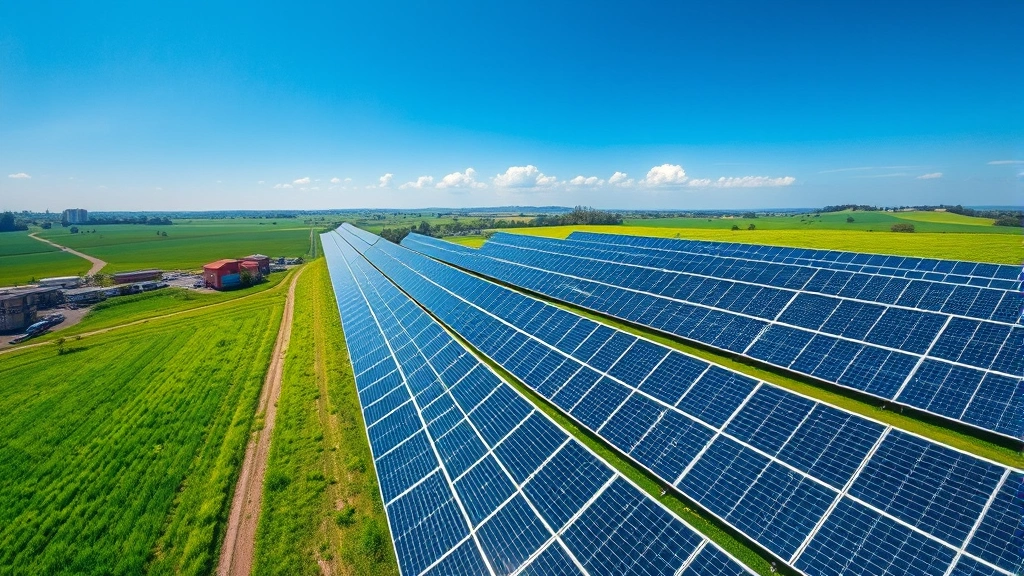
Perhaps the most compelling economic argument for green policies emerges from their role as innovation catalysts. Environmental regulations create market demand for new technologies and processes, spurring research and development investments that generate spillover benefits across entire economies. The renewable energy sector exemplifies this dynamic perfectly. When governments implemented feed-in tariffs and renewable portfolio standards—policies mandating specific percentages of electricity from renewable sources—solar photovoltaic costs declined 90% over the past decade, wind turbine efficiency improved dramatically, and battery storage technologies became economically competitive with fossil fuels.
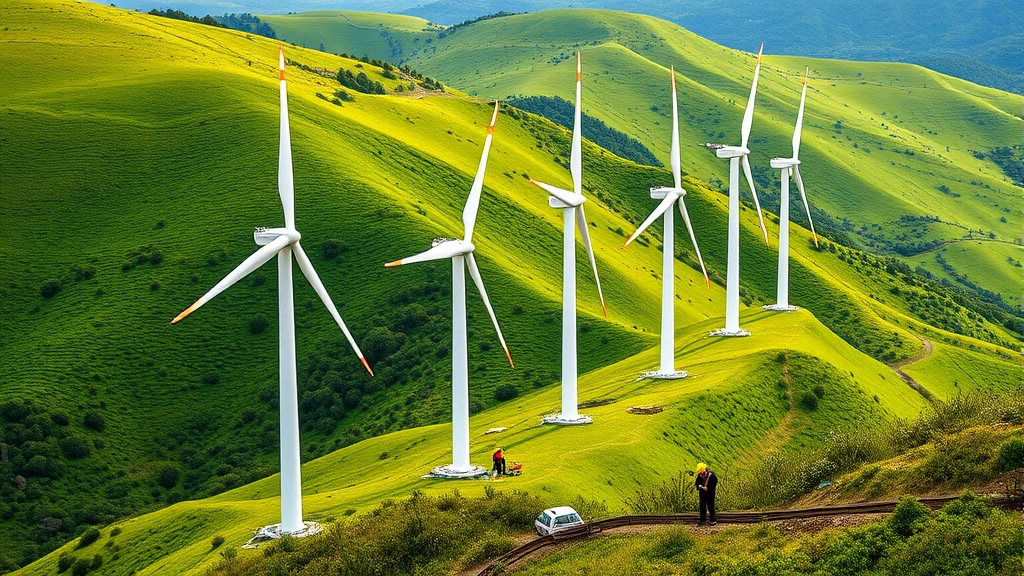
Economists recognize this as “induced innovation,” where policy-created demand stimulates technological breakthroughs that subsequently reduce compliance costs. Companies facing emissions reduction targets invest in research yielding efficiency improvements, waste reduction technologies, and alternative materials that often prove profitable independent of regulatory requirements. Renewable energy adoption for homes demonstrates how policy support for clean technology creates competitive advantages in global markets. Germany, Denmark, and Costa Rica have leveraged renewable energy policies into technological leadership positions, exporting expertise and equipment worldwide while building domestic industries employing hundreds of thousands of workers.
Patent analysis reveals the innovation boost from environmental policies. Studies examining patent filings in response to emissions regulations show statistically significant increases in clean technology patents, with spillover effects enhancing productivity in adjacent industries. This innovation premium extends beyond energy sectors into materials science, agriculture, manufacturing, and transportation. The electric vehicle revolution, accelerated by emissions standards and subsidies, has catalyzed battery technology advancement benefiting renewable energy storage, consumer electronics, and grid stabilization technologies. These innovations create competitive advantages for early-adopting nations, establishing market dominance in industries projected to define 21st-century economies.
Employment Creation and Job Quality
Green policy implementation consistently generates employment growth exceeding job losses in declining fossil fuel sectors. International Labor Organization research documents that renewable energy industries create 2-3 times more jobs per dollar invested compared to fossil fuel energy production. Solar installation, wind farm construction and maintenance, energy efficiency retrofitting, sustainable agriculture, and ecosystem restoration all employ workers across skill levels, from entry-level positions to specialized engineering roles. Critically, green jobs frequently offer superior wages, benefits, and unionization rates compared to extractive industries they replace.
The transition dynamics matter significantly for economic and social outcomes. Communities historically dependent on coal mining, oil extraction, or heavy manufacturing require deliberate policy support to facilitate workforce transitions. Successful transition frameworks combine education and training programs, income support during retraining periods, and targeted investment in emerging industries. Germany’s Energiewende (energy transition) policy illustrates both successes and challenges: while renewable energy employment surpassed coal industry employment, communities in eastern coal regions experienced significant disruption requiring substantial government support. Policymakers increasingly recognize that green economy transition requires complementary social policies addressing worker displacement, regional inequality, and community resilience.
Employment quality considerations extend beyond wage levels to include job stability and geographic distribution. Renewable energy and environmental restoration create geographically distributed employment, benefiting rural and remote communities often lacking manufacturing opportunities. Unlike concentrated fossil fuel extraction, solar and wind farms distribute benefits across broader populations. Energy efficiency retrofitting particularly supports local employment, as installation work cannot be outsourced and generates demand for local construction workers, electricians, and technicians. Reducing carbon footprints through building efficiency improvements directly correlates with construction employment and skilled trade opportunities, providing economic security for workers transitioning from declining industries.
Investment Flows and Market Opportunities
Green policies reshape investment landscapes by establishing long-term demand signals for sustainable technologies and practices. Institutional investors—pension funds, insurance companies, university endowments—increasingly divest from fossil fuels and allocate capital toward renewable energy, sustainable agriculture, and circular economy enterprises. Environmental, Social, and Governance (ESG) investing has grown into a multi-trillion dollar asset category, with UNEP reporting that sustainable finance now represents over 35% of professionally managed assets globally. This capital reallocation reflects both ethical commitments and economic calculations: sustainable businesses demonstrate superior long-term returns and resilience to regulatory and climate risks.
Green bonds—debt instruments financing environmental projects—have mobilized hundreds of billions in capital for renewable energy, sustainable infrastructure, and ecosystem restoration. Governments, corporations, and development banks issue green bonds at competitive rates, with investors accepting lower yields in exchange for environmental impact. This mechanism channels investment toward projects generating positive externalities that markets previously undervalued. Climate-focused venture capital has exceeded $50 billion annually in recent years, funding breakthrough technologies in carbon capture, sustainable materials, alternative proteins, and clean transportation. These investment flows create multiplier effects throughout economies, generating demand for manufacturing, engineering, and professional services.
The investment premium for green policies extends to sovereign risk assessments. Countries implementing comprehensive environmental and climate policies attract lower borrowing costs from international capital markets, as investors perceive reduced climate and environmental risks. Conversely, nations dependent on fossil fuel exports face increasing capital market pressure, with major financial institutions restricting investments in coal and oil sectors. This creates a positive feedback loop where green policy adoption improves investment climate, attracts capital, and finances further environmental improvements.
Cost-Benefit Analysis of Environmental Regulations
Rigorous economic analysis comparing costs and benefits of environmental policies consistently reveals net positive returns. The U.S. Environmental Protection Agency’s retrospective analyses of major regulations demonstrate that benefits exceed costs by ratios of 4:1 to 25:1, depending on the regulation. Clean air standards prevent hundreds of thousands of premature deaths annually, with monetized health benefits vastly exceeding compliance costs. Water quality regulations protect fisheries and recreation industries worth billions while reducing healthcare expenses from contaminated water sources. Climate policies preventing catastrophic warming generate benefits measured in trillions of dollars by avoiding infrastructure damage, agricultural losses, and mass migration.
Cost-benefit analysis methodologies have evolved to incorporate ecosystem services valuations, recognizing that natural capital—forests, wetlands, coral reefs, soils—provides economic value through water purification, carbon sequestration, flood prevention, and biodiversity support. Research in ecological economics quantifies these services using replacement cost methods, market valuation approaches, and contingent valuation surveys. Studies consistently demonstrate that ecosystem protection costs substantially less than replacing natural services through technological alternatives. Mangrove forest preservation costs far less than constructing seawalls for storm protection; wetland restoration proves cheaper than building water treatment facilities; pollinator protection through habitat preservation outperforms mechanical crop pollination.
However, cost-benefit analyses must account for distributional effects, recognizing that policy costs and benefits accrue unevenly across populations and regions. Carbon taxes, while economically efficient, disproportionately burden low-income households lacking resources for efficiency improvements. Effective policy design incorporates progressive mechanisms—revenue recycling through income tax reductions, targeted support for vulnerable populations, and just transition programs—ensuring environmental protection doesn’t exacerbate inequality. Comprehensive policy analysis requires integrating economic efficiency with equity considerations, recognizing that sustainable economies must provide broadly shared prosperity.
Regional Economic Impacts and Transition Challenges
Green policy implementation creates geographically uneven economic effects, with some regions experiencing rapid growth while others face significant disruption. Regions with technological expertise, renewable resources, and existing manufacturing capacity often capture disproportionate benefits from green transitions. Germany and Scandinavia leveraged existing industrial competencies and renewable resources to build world-leading renewable energy sectors. Conversely, regions historically dependent on fossil fuel extraction face employment losses and fiscal challenges as extraction industries decline. Appalachian coal mining regions in the United States exemplify these dynamics, with decades of economic decline following coal industry contraction.
Successful green transitions require deliberate place-based policies addressing regional disparities. Economic diversification strategies encourage emerging industries leveraging local assets—wind manufacturing in regions with manufacturing expertise, agricultural innovation in farming communities, tourism and recreation in ecologically valuable areas. Infrastructure investment in broadband, transportation, and research facilities supports new enterprise development. Workforce development programs provide training in growing sectors, helping displaced workers transition to emerging opportunities. Financial mechanisms like development banks and targeted tax incentives attract investment to lagging regions. Sustainable fashion industry growth demonstrates how green sectors can revitalize manufacturing regions, creating skilled employment in design, production, and logistics.
Regional transition challenges intensify in developing countries where fossil fuel exports constitute major revenue sources and employment. Indonesia, Nigeria, and other nations face difficult choices between continued extraction generating short-term income and green transition offering long-term sustainability. International finance mechanisms—climate finance, debt-for-climate swaps, technology transfer agreements—help offset transition costs, enabling developing nations to pursue green development without sacrificing immediate development needs. Climate Policy Initiative research demonstrates that combining domestic green investment with international support enables equitable transitions protecting both ecosystems and development prospects.
Measuring Success Beyond GDP
Traditional GDP metrics inadequately capture environmental policy benefits, as they ignore natural capital depletion and ecosystem service flows. A country logging all forests while leaving citizens with degraded watersheds and extinct species appears economically successful by GDP measures despite experiencing massive genuine wealth loss. Alternative metrics like Genuine Progress Indicator (GPI), Natural Capital Accounts, and Inclusive Wealth Index incorporate environmental and social factors alongside economic production, providing more comprehensive prosperity assessments. New Zealand, Scotland, and other nations increasingly employ well-being frameworks evaluating policy success through health, environmental quality, social connection, and opportunity dimensions rather than GDP growth alone.
Ecosystem service accounting quantifies contributions of natural systems to human economies, revealing that environmental protection generates substantial economic value. Global ecosystem services—pollination, water purification, climate regulation, nutrient cycling—provide economic value estimated at $125 trillion annually, vastly exceeding global GDP. When businesses and governments account for these services, environmental protection emerges as economically rational investment. Companies maintaining forest watersheds, protecting pollinator habitats, and preserving soil health invest in assets generating returns exceeding typical financial investments while securing supply chains against environmental degradation.
The emerging field of regenerative economics extends beyond sustainability—maintaining current ecological capacity—to actively enhance natural capital and ecosystem services. Regenerative agriculture rebuilds soil carbon while improving farm productivity. Restored forests sequester carbon while supporting biodiversity and recreation. Circular economy models eliminate waste while reducing resource extraction and manufacturing impacts. These approaches demonstrate that environmental improvement and economic growth can become mutually reinforcing when policies align incentives properly. Understanding environmental impacts of emerging technologies becomes essential for ensuring that innovation serves rather than undermines sustainability goals.
FAQ
Do green policies actually create net economic benefits?
Rigorous economic analyses consistently demonstrate that well-designed green policies generate net positive economic returns. Cost-benefit studies of air and water quality regulations show benefits exceeding costs by factors of 4-25:1. Renewable energy and efficiency improvements reduce long-term energy costs despite upfront investments. However, benefits accrue over extended periods and distribute unevenly, requiring complementary policies addressing transition costs and equity concerns.
How do green policies affect employment?
Green sectors create more jobs per dollar invested than fossil fuel industries, with renewable energy generating 2-3 times more employment. However, employment effects vary geographically and by skill level. Successful transitions require workforce development, income support during retraining, and targeted regional investment. Communities historically dependent on extractive industries need deliberate policy support to facilitate worker transitions and economic diversification.
Can developing countries afford green transitions?
Developing countries face particular challenges financing green transitions while meeting immediate development needs. International mechanisms—climate finance, concessional lending, technology transfer—help offset transition costs. Evidence suggests that developing countries can pursue green development cost-effectively by leapfrogging fossil fuel infrastructure, deploying renewable energy and efficient technologies from inception rather than replacing existing systems.
What types of green policies work best economically?
Market-based instruments like carbon pricing, cap-and-trade systems, and green bonds outperform command-and-control regulations in generating economic efficiency. These mechanisms allow businesses flexibility in achieving environmental targets, spurring cost-reducing innovations. Complementary policies addressing equity and transition costs—progressive revenue recycling, workforce development, regional investment—enhance both economic and social outcomes.
How do green policies affect competitiveness?
Early-adopting nations gain competitive advantages in growing clean technology sectors, establishing market dominance in industries projected to define 21st-century economies. However, unilateral green policies may disadvantage domestic industries competing against less-regulated foreign competitors. International policy coordination through trade agreements and carbon border adjustments ensures that environmental leadership translates into sustained competitive advantage rather than carbon leakage to less-regulated jurisdictions.
What evidence exists for green policy success?
Multiple countries demonstrate green policy success: Denmark generates 80% of electricity from renewables while maintaining competitive manufacturing; Costa Rica achieves 99% renewable electricity with lower costs than fossil fuel alternatives; Germany’s renewable energy sector employs more workers than coal mining historically did. These examples prove that environmental protection and economic prosperity can align when policies incorporate innovation incentives and just transition mechanisms.


