Table of Contents
Introduction
Water pollution is everywhere. And honestly? It’s one of those problems that keeps getting worse while most of us go about our daily lives completely unaware of what’s happening to our most precious resource. Think about it—every time you turn on the tap, you’re trusting that the water flowing out is safe. But what if it’s not?
The reality is pretty sobering. Our water gets contaminated from all sorts of places you might not expect—factories dumping waste, farms using too many chemicals, even simple household activities that seem harmless. The ripple effects are huge. We’re talking about drinking water that makes people sick, fish dying in rivers, and entire communities losing access to clean water. But here’s what’s interesting: most people have no idea how much their everyday choices contribute to this mess. The good news? Small changes can make a real difference. Learning how to build a rain garden might sound like a weekend project, but it’s actually a powerful way to manage stormwater and improve water quality right in your neighborhood. And something as simple as understanding how to recycle glass bottles properly can prevent nasty chemicals from ending up in our waterways.
You know what’s amazing about environmental problems? They bring people together. When communities decide to take action, incredible things happen. Take community gardens, for example. Sure, they’re great for growing fresh vegetables, but did you know they also help prevent water pollution? When you follow a guide on how to start a community garden, you’re not just creating green space—you’re replacing concrete and compacted soil with plants that actually absorb harmful runoff. It’s like giving your neighborhood a natural water filter. And when these grassroots efforts connect with smart policies and education, that’s when real change happens. If you want to dive deeper into proven strategies that work, checking out how to reduce water pollution effective strategies for cleaner water will give you the technical knowledge to back up your passion.
Here’s something that might surprise you: water pollution isn’t just about water. It’s connected to everything—your carbon footprint, local wildlife, even the economy. When you start seeing these connections, it becomes clear why tackling water pollution matters so much. That’s why learning how to reduce carbon footprint isn’t just about climate change—it’s also about protecting our water sources. Everything’s connected, and that’s actually encouraging because it means small steps in multiple areas add up to big changes.
What You’ll Learn in This Guide
Ready to become part of the solution? This guide will give you everything you need to make a real impact on water pollution, whether you’re working alone, with your community, or pushing for bigger policy changes.
- Understanding the Sources of Water Pollution: We’ll break down where contamination actually comes from—factories, farms, and yes, even your own home—so you can spot the problems and understand why they matter for everyone’s health.
- Effective Reduction Techniques: Get practical, actionable methods you can start using today, from properly disposing of household chemicals to cutting down on plastic waste and choosing products that won’t harm our waterways.
- Long-term Prevention Strategies: Discover how smart policies, education programs, and community action create lasting protection for water quality that benefits future generations.
- Recognizing When to Seek Professional Help: Learn to identify serious contamination issues that need expert intervention and understand when individual efforts aren’t enough.
As we dive deeper into this guide, you’ll get a clear picture of how water pollution actually works. We’re not just talking theory here—you’ll see real examples, learn practical steps you can take immediately, and understand how your actions connect with larger community and industry efforts. Plus, we’ll explore the policies and education programs that make sure these efforts stick around for the long haul. Whether you’re ready to jump in with hands-on solutions or you want to understand the bigger picture first, we’ve got pathways to professional resources for when pollution problems get serious.
But here’s what I think is most important: understanding water pollution gives you power. Not just to fix problems in your own backyard, but to speak up for real change in environmental policies. When you know what you’re talking about—backed by solid information from sources like how to reduce water contamination—you can have meaningful conversations with neighbors, participate in community initiatives, and even influence local decision-makers.
By the time you finish this guide, you’ll have both the knowledge and the tools to tackle water pollution head-on. Your actions matter more than you think, and when you combine personal commitment with smart strategies, you’re not just protecting water sources—you’re helping create a healthier planet for everyone. So let’s get started on this journey together. Clean, safe water isn’t just a nice idea—it’s something we can actually achieve.
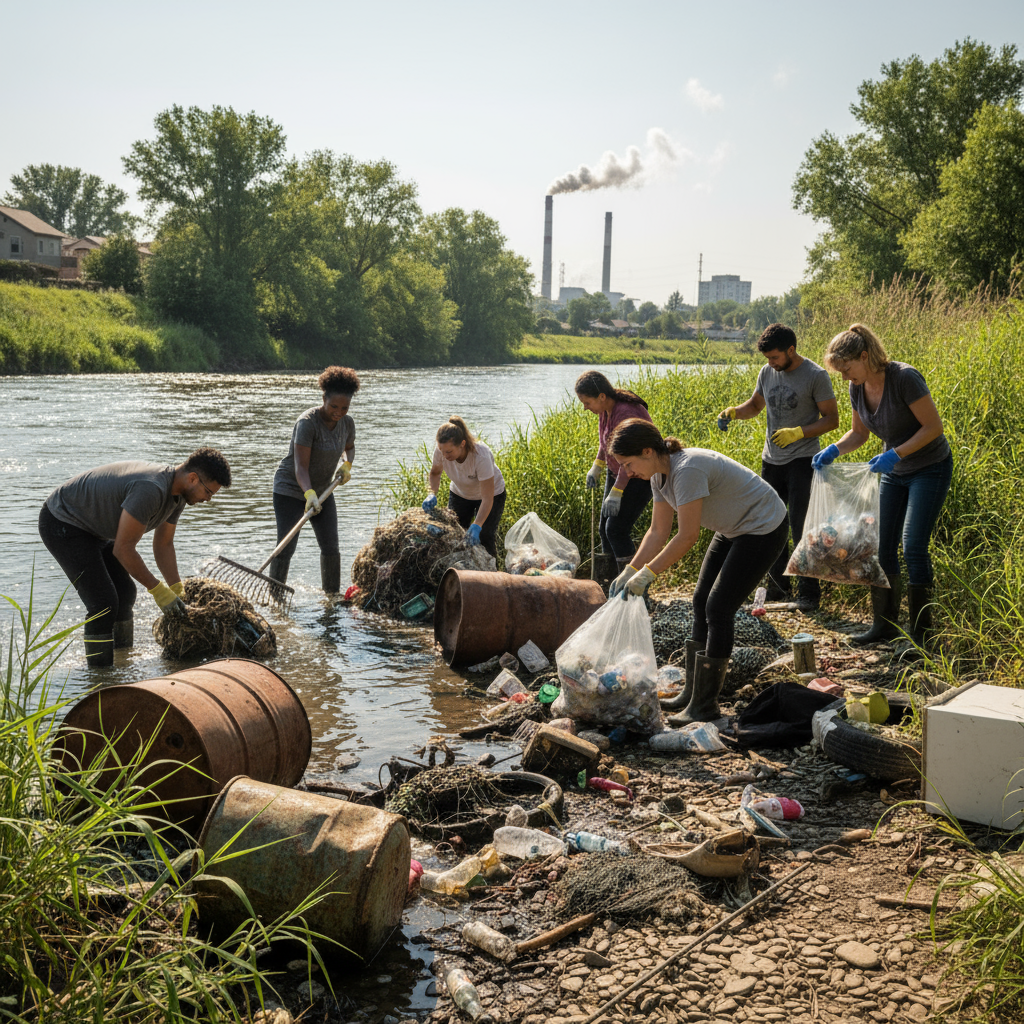
Here’s something that might surprise you: every time you turn on the tap, you’re connected to a massive, interconnected web of water that touches every corner of our planet. But here’s the problem—that same water is under attack. Pollution is choking our rivers, poisoning our lakes, and turning our oceans into toxic soup. And the scary part? We’re all part of the problem, whether we realize it or not. The good news is we can also be part of the solution. Let’s dig into where this pollution comes from and, more importantly, what you can actually do about it today.
Sources and Causes of Water Pollution
Want to fix water pollution? You’ve got to know your enemy first. Think of water pollution like a crime scene—there are obvious suspects and some sneaky ones hiding in plain sight. The biggest troublemakers fall into two camps: point sources (think factory pipes dumping straight into rivers) and non-point sources (like runoff from your neighbor’s perfectly manicured lawn). Industrial discharge is the heavyweight champion of water destruction. We’re talking toxic chemicals, heavy metals, and untreated wastewater flowing directly into rivers and lakes. Picture this: one factory can contaminate miles of waterway in a single day, wiping out fish populations and making water unsafe for drinking.
But wait—there’s more. Agricultural runoff might sound harmless, but it’s actually a silent killer. When it rains, all those fertilizers and pesticides from farms wash into nearby water sources like an unwelcome cocktail. The result? Algae blooms that suck oxygen from water and create dead zones where nothing can survive. Then there’s the stuff happening right in our own backyards. Household waste—from the paint you pour down the drain to plastic bottles tossed carelessly—adds up fast. And don’t get me started on marine dumping, where we literally treat the ocean like the world’s biggest garbage can.
Common Sources
Let’s break down the four biggest culprits poisoning our water:
- Industrial Discharge: Factories and plants release various pollutants, including chemicals and heavy metals, often without adequate treatment. These toxins accumulate in aquatic environments, disrupting ecosystems and contaminating drinking water sources.
- Agricultural Runoff: Fertilizers, pesticides, and livestock waste from farms enter waterways, causing eutrophication and toxicity. Sustainable farming practices can mitigate these effects substantially.
- Household Waste: Improper disposal of household chemicals, plastic waste, and untreated sewage poses direct threats to local water bodies. Implementing proper disposal and recycling programs is crucial.
- Marine Dumping: The practice of dumping waste directly into the ocean harms marine life and contributes to plastic pollution, demanding stricter regulations and global cooperation.
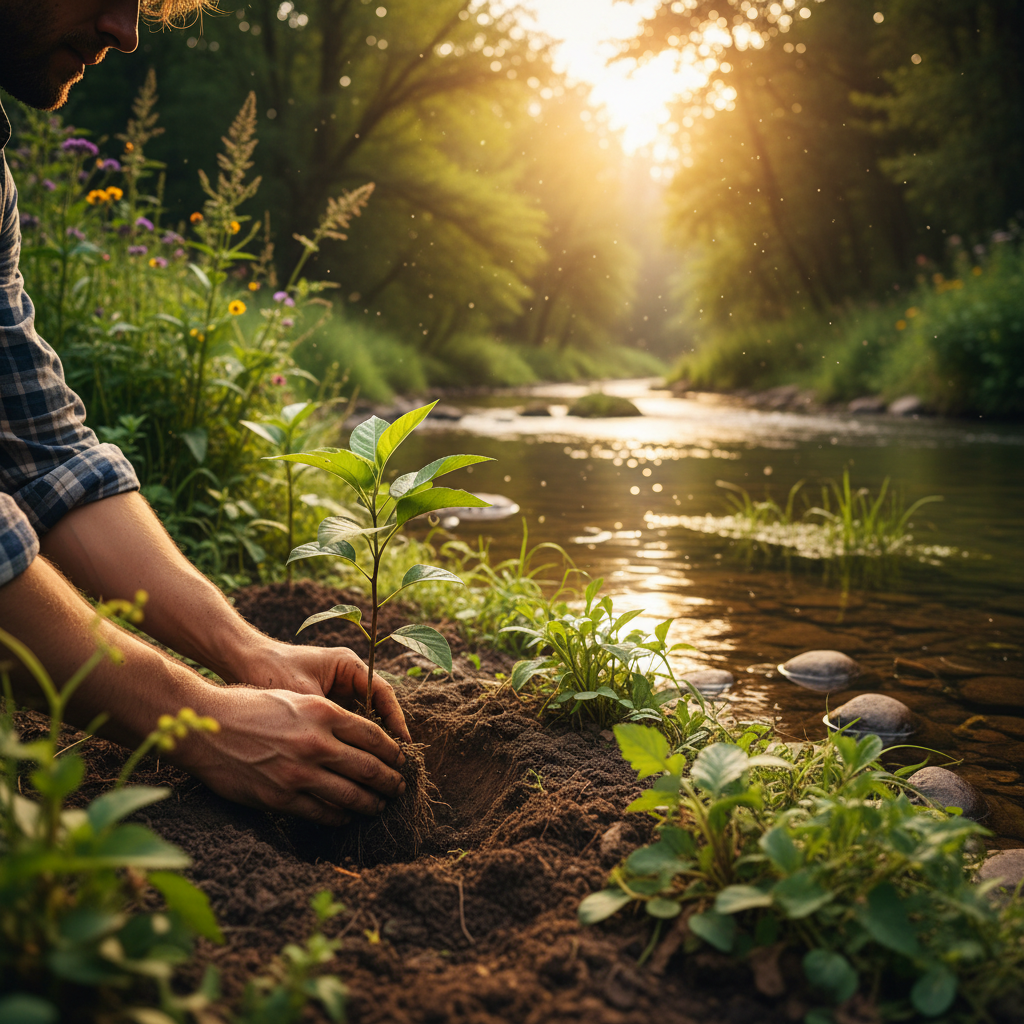
These problems don’t exist in isolation—they’re all connected like pieces of a twisted puzzle. But here’s where it gets interesting: understanding the problem is half the battle won. You want to see how communities are fighting back with nature-based solutions? Check out how to build a rain garden and how to start a community garden. These aren’t just feel-good projects—they’re actual water filtration systems disguised as beautiful landscaping.
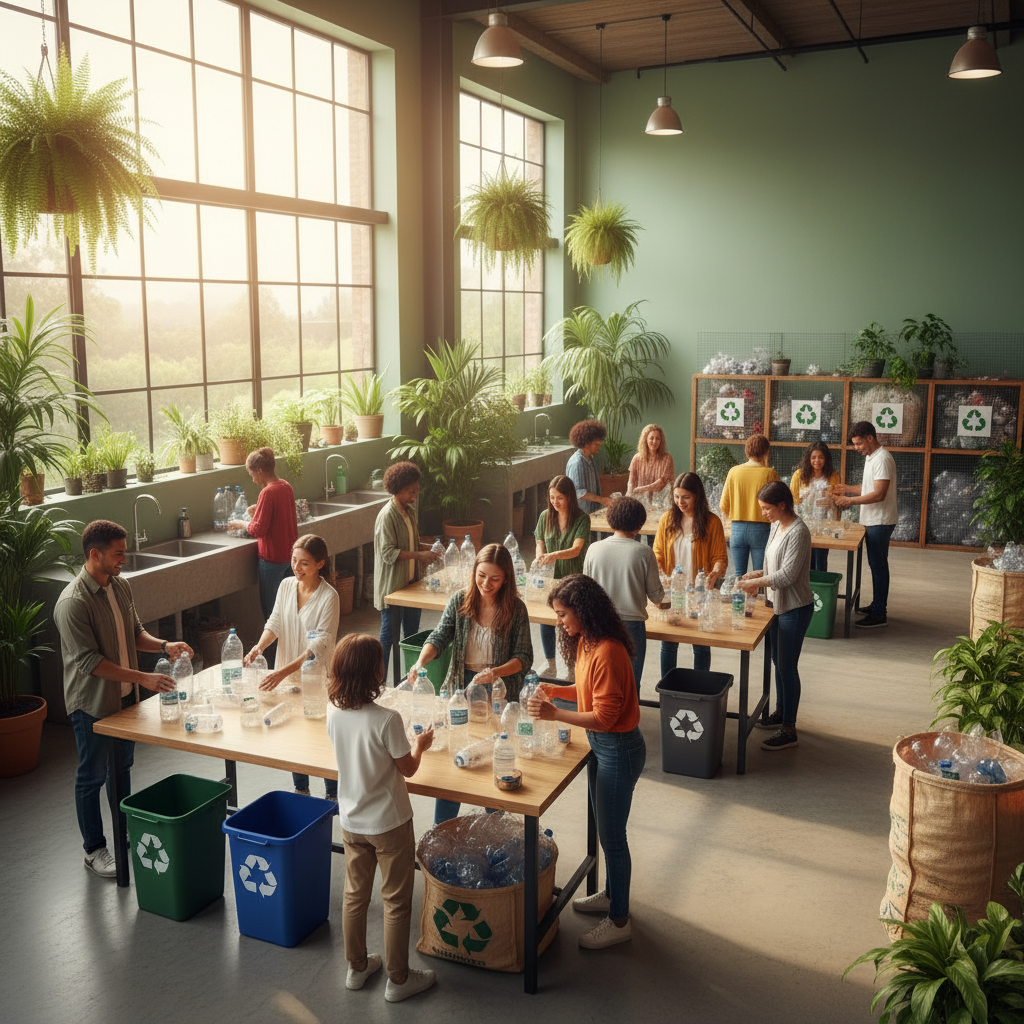
And here’s something you can start doing tomorrow: tackle the plastic problem head-on through smart recycling. Start with the guides on how to recycle glass bottles, how to recycle old electronics, and how to recycle old clothes. Every bottle you recycle properly is one less piece of plastic potentially ending up in a waterway.
What’s really cool is how water protection connects to everything else. Cleaner water means lower greenhouse gas emissions too—it’s all connected. Learn more about this relationship in how to reduce greenhouse gas emissions. When you see the big picture like this, every small action starts to feel pretty powerful.
Effective Ways to Reduce Water Pollution
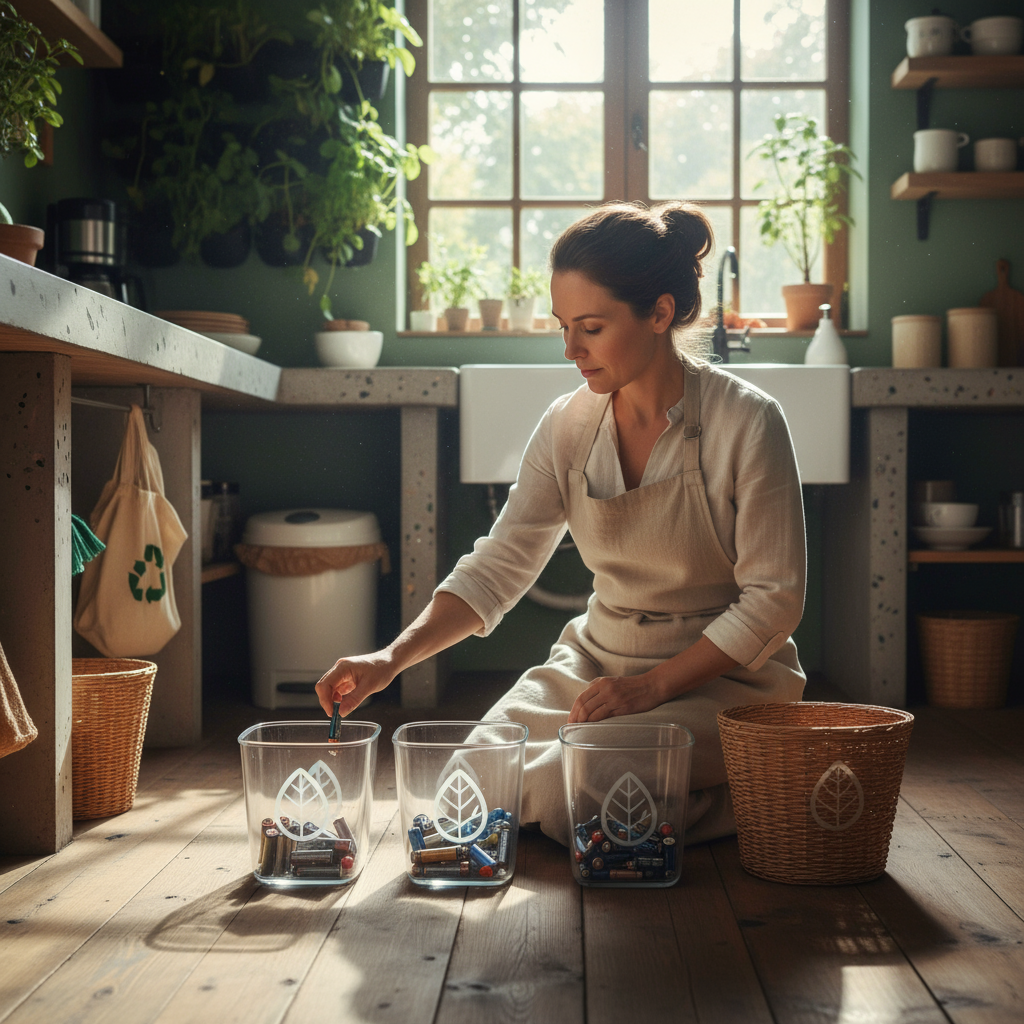
Ready for the good news? You don’t need a PhD in environmental science to make a real difference. Some of the most effective solutions start right in your kitchen, bathroom, and backyard. It’s about changing small habits that add up to massive impact when millions of people do them. Stop pouring chemicals down the drain. Choose products that won’t poison waterways. Reduce your plastic consumption. Sounds simple? That’s because it is. Take pest control, for example—instead of reaching for chemical sprays that eventually wash into groundwater, try the methods outlined in natural pest control methods. Your garden will thank you, and so will the local ecosystem. And speaking of proper disposal—those old batteries sitting in your junk drawer? They need special handling. Check out how to recycle batteries properly before they leak heavy metals into soil and water.
The bigger picture involves community action and industrial responsibility. Wastewater treatment plants are like the kidneys of our water system—they filter out the bad stuff before it reaches natural water sources. But they only work if everyone does their part. Industries need strict oversight (and we need to demand it). Farmers can adopt practices that keep nutrients on their fields instead of in our rivers. For comprehensive strategies that connect water protection with broader sustainability goals, dive into how to reduce water pollution and how to reduce water contamination. These resources show how water protection fits into the bigger environmental puzzle.
Key Aspects of Water Pollution Reduction
Here’s your action plan—four areas where you can make an immediate impact:
- Proper Disposal of Household Chemicals: Avoid pouring chemicals down drains or toilets. Use designated disposal sites for paints, solvents, medicines, and automotive products to prevent toxic contamination.
- Reducing Plastic Use and Littering: Minimize single-use plastics and participate in cleanup efforts. Responsible waste management reduces the plastic load in rivers and oceans, protecting aquatic life and water quality.
- Using Eco-Friendly Products: Choose biodegradable soaps, detergents, and pesticides that break down naturally. These products lessen harmful residue in water and support healthier ecosystems.
- Community and Industrial Measures: Support and advocate for robust wastewater treatment facilities and enforce strict industrial pollutant regulations. Encourage sustainable farming practices that reduce runoff and soil degradation.
Want to supercharge your impact? Combine water protection with other sustainable lifestyle changes. Building a solar oven reduces your energy footprint while keeping you connected to natural systems. Learning how to reduce carbon footprint creates ripple effects that benefit water systems too. Even your clothing choices matter—supporting sustainable fashion brands means fewer toxic dyes and chemicals entering waterways during production. The beautiful thing about environmental action is how everything connects. Protect water, and you’re protecting entire ecosystems. Protect ecosystems, and you’re protecting the future.
So here we are—having dug deep into water pollution and honestly? It’s a bigger challenge than most of us realize. But here’s what I’ve learned (and what you probably have too): when you understand where the problem comes from—industrial waste, farm runoff, everyday household chemicals, and yes, all that stuff we dump in our oceans—you’re already halfway to being part of the solution. The good news? There are real, practical ways to fight back. Proper chemical disposal, cutting down on plastic, choosing products that won’t harm our waterways, and supporting better wastewater treatment all add up. And the long game? That’s where environmental regulations, education, and communities working together really shine.
Ready to make a difference? Start small but start today. Learn how to recycle glass bottles the right way—because every bottle that doesn’t end up polluting our water matters. Want to go bigger? Consider starting a community garden that naturally filters runoff (plus, you’ll grow amazing vegetables). And if you’re feeling ambitious, dive into how to reduce greenhouse gas emissions—water conservation and climate action go hand in hand. For the full playbook on tackling water pollution, the experts at SustainWise Hub have strategies that actually work.
Look, protecting our water isn’t just about following rules or checking boxes. It’s about combining what you do personally with what we can accomplish together as communities and through smart policies. Every conscious choice you make—no matter how small it seems—ripples outward. You’re protecting ecosystems, keeping people healthy, and making sure future generations have clean water too. That’s not just hope, that’s real impact. So embrace this journey with confidence, knowing that your actions today are creating the cleaner, healthier planet we all want to see.
Frequently Asked Questions
-
What are the main causes of water pollution?
- Water pollution primarily arises from industrial waste, agricultural runoff, household chemicals, and marine dumping.
-
How can individuals help reduce water pollution?
- Individuals can reduce pollution by properly disposing of chemicals, minimizing plastic use, recycling, and choosing eco-friendly products.
-
What role do governments play in water pollution control?
- Governments enforce environmental laws, regulate industrial discharge, oversee wastewater treatment, and promote public education to protect water quality.
-
When should professional help be sought for water pollution?
- Professional intervention is needed for persistent contamination, health hazards, or large-scale environmental damage beyond community control.