
Table of Contents
Introduction
That constant hum of traffic outside your window. The neighbor’s leaf blower at 7 AM on Saturday. The construction crew that starts drilling just as you’re settling into focus mode. Sound familiar? We’re living in a world that’s gotten seriously loud—and it’s not just annoying anymore. It’s actually harming our health.
Noise pollution is basically unwanted sound that messes with our daily lives and well-being. Think about it: our cities buzz with traffic, factories churn out industrial noise, and even our homes aren’t quiet anymore (hello, dishwashers that sound like jet engines). The result? Millions of people dealing with stress, sleep problems, and concentration issues they never had to worry about a generation ago. If you’re already thinking about creating a healthier home environment, you might also want to check out natural pest control methods that keep your space both peaceful and chemical-free.
Here’s what’s encouraging: we can actually do something about this. Communities are creating quiet zones and green spaces that act like natural sound barriers. (Plus, they’re beautiful.) At home, simple changes like better insulation or choosing quieter appliances make a real difference. And if you’re already working on sustainable living practices—like reducing greenhouse gas emissions—you’ll find that many noise reduction strategies overlap perfectly with eco-friendly choices.
The bigger picture? Noise pollution connects to everything else we care about environmentally. Urban planning that reduces noise also protects wildlife. Policies that limit industrial noise improve air quality too. When you start thinking about projects like building a rain garden, you realize how all these environmental pieces fit together. It’s not just about being quieter—it’s about creating spaces where both people and nature can thrive.
What You’ll Learn in This Guide
We’re going to walk through everything you need to know about noise pollution and—more importantly—what you can actually do about it. Whether you’re dealing with issues at home, work, or in your neighborhood, you’ll walk away with practical strategies that work.
- Understanding Noise Pollution Basics: You’ll gain a clear overview of what noise pollution is, its common sources, and why it poses a threat to health and the environment.
- Health and Environmental Impacts: Discover how noise pollution affects physical and mental well-being along with its ecological consequences, framing the urgency of reduction efforts.
- Practical Noise Reduction Techniques: Explore everyday measures for homes, workplaces, and communities that effectively lower noise levels and promote peace.
- The Role of Community and Policy: Learn how local governments and community groups contribute through regulations, policies, and collective action to combat noise pollution long-term.
Ready to dive in? We’ll start by helping you identify the noise sources affecting your daily life, then move into proven strategies that actually work. You’ll also learn how to get your community involved—because lasting change happens when we work together. And if you’re interested in other sustainable practices, understanding how to recycle glass bottles fits right into the same mindset of reducing your environmental impact.
Look, reducing noise pollution isn’t just about creating quieter spaces. It’s about building healthier communities where people can actually rest, focus, and enjoy their surroundings. Every small change you make—from soundproofing a room to supporting quiet zone initiatives—adds up to something meaningful.
So let’s get started. The solutions are more accessible than you might think, and the benefits? They’ll improve your quality of life starting today.
You know that constant hum of traffic outside your window? Or the neighbor’s leaf blower at 7 AM on a Saturday? That’s noise pollution—and it’s doing more damage than you might think. We’re living in an increasingly noisy world, and honestly, most of us have just accepted it as part of modern life. But here’s the thing: we don’t have to. Understanding where all this racket comes from (and what it’s actually doing to us) is the first step toward creating quieter, healthier spaces for everyone. Let’s dig into what noise pollution really means and explore some practical ways to dial down the volume in our daily lives.
Understanding Noise Pollution and Its Common Sources
So what exactly counts as noise pollution? Think of it as any unwanted sound that messes with the natural balance and negatively affects living things—especially us humans. These sounds come from everywhere: rush hour traffic, construction sites, that one neighbor who mows their lawn at dawn. You name it.
Here’s where it gets interesting. Green spaces aren’t just pretty to look at—they’re actually noise fighters. Projects like how to build a rain garden and how to start a community garden create natural sound barriers that literally absorb and soften noise before it reaches your ears. Pretty clever, right?
The biggest noise culprits? Traffic tops the list, followed by construction work, neighborhood parties that go way too late, and yes—even your own appliances. If you live near industrial areas, you’re probably dealing with some serious vibrations and high-decibel noise that can mess with your health over time. Even something as simple as how to recycle glass bottles plays a part in reducing environmental noise by cutting down on landfill operations and transportation emissions. Every little bit helps.
Key Aspects of Noise Pollution
Let’s break down the main noise troublemakers you’re probably dealing with:
- Urban Traffic and Transportation Noise: That constant stream of cars, trains, and planes isn’t just annoying—it’s a 24/7 source of stress on your system. These persistent, high-volume sounds mess with your sleep and can actually contribute to hearing problems over time.
- Industrial and Construction Activities: Factory noise and construction sites are the worst offenders when it comes to irregular, ear-splitting sounds. They don’t just bother humans—wildlife gets the raw end of the deal too. These situations need serious regulation and smart solutions.
- Neighborhood and Community Sounds: Block parties, loud music, that generator next door—these are the “little” noises we often ignore but they add up fast. A little community awareness goes a long way here.
- Environmental Noise and Sustainable Practices: When you adopt eco-friendly practices like natural pest control methods, you’re not just being kind to the planet—you’re creating quieter, more balanced ecosystems that naturally reduce noise disturbances and support local wildlife.
Getting a handle on where noise pollution comes from is your first step toward actually doing something about it. Once you understand the problem, you can start implementing real solutions—whether that’s in your own home or working with your community to create quieter, healthier neighborhoods.
Ready to fight back against all that noise? Let’s explore some practical, sustainable ways to turn down the volume in your daily life. From simple changes at home to bigger community efforts, there are plenty of tools in your noise-fighting toolkit.
Practical Ways to Reduce Noise Pollution and Prevention Strategies
Fighting noise pollution isn’t a one-person job—it takes everyone working together. But you can start right at home. Smart energy choices actually double as noise reduction strategies. Those ways to save energy at home like better insulation and quieter appliances? They’re not just cutting your electric bill—they’re making your space more peaceful. And when you switch to renewable energy for homes, you’re often getting quieter power systems that reduce your neighborhood’s overall noise footprint.
The connections run deeper than you might expect. When you focus on how to reduce greenhouse gas emissions and how to reduce carbon footprint, you’re not just helping the climate—you’re cutting down on the noise pollution that comes from fossil fuel use and all that transportation. It’s like getting two benefits for the price of one.
Key Practical Strategies for Noise Reduction
Here are some real, actionable ways to bring down the noise levels in your world:
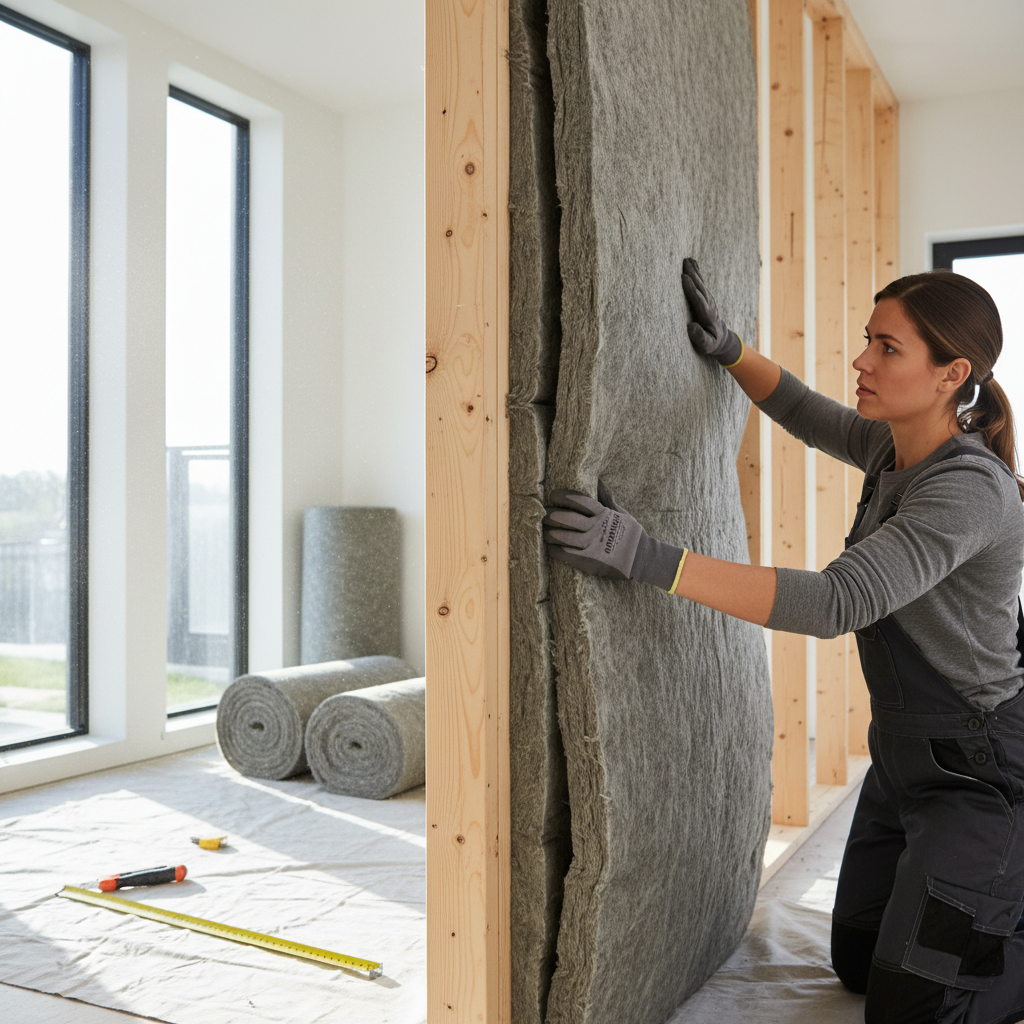
- At Home: Think soundproofing, but make it simple. Heavy curtains, area rugs, strategic furniture placement—these all absorb sound naturally. Keep your appliances well-maintained and your TV volume reasonable. Your neighbors will thank you.
- Community-Based Initiatives: Push for quiet zones in residential areas and reasonable curfews for noisy activities. Support more green spaces—parks and gardens are natural sound buffers that make neighborhoods better places to live.
- Work and Industrial Sites: This is where technology really shines. Noise barriers, quieter machinery, and smart scheduling of loud work during less sensitive hours make a huge difference. And if you work in a noisy environment, proper ear protection isn’t optional—it’s essential.
- Urban Planning and Long-Term Prevention: The best noise solutions happen at the planning stage. Noise barriers, green buffers, and smart zoning that keeps industrial noise away from where people live. Modern noise monitoring technology helps cities stay on top of the problem before it gets out of hand.
Making real progress on noise pollution takes everyone—residents, businesses, and local governments—working toward the same goal. But when we do it right, we end up with quieter, healthier communities that everyone can enjoy.

Here’s the bottom line: tackling noise pollution isn’t just about making our world quieter—it’s about building healthier communities where we can actually thrive. We’ve looked at everything from rumbling traffic and industrial machinery to that neighbor who seems to think 2 AM is the perfect time for power tools. The reality? Chronic noise exposure doesn’t just annoy us—it genuinely harms our health, disrupts our sleep, and even throws off local wildlife. That’s why taking action matters, and it’s going to take all of us working together to make a real difference.
The good news? You don’t need a PhD in acoustics to start making changes. Simple tweaks around your home—like adding some soundproofing, keeping your appliances in good shape, or just being mindful about volume levels—can create surprisingly peaceful spaces. But think bigger, too. Community green spaces and designated quiet zones aren’t just nice to have; they’re game-changers for neighborhood well-being. And when businesses start using noise control technology and scheduling operations more thoughtfully? That’s when you see community-wide improvements that actually stick.
Ready to take action? Start with nature-based solutions that do double duty. Learning how to build a rain garden gives you a practical way to manage stormwater while naturally muffling noise and boosting your local ecosystem. Want to get your neighbors involved? Starting a community garden brings people together around green space expansion and creates that shared awareness we need for quieter neighborhoods. Plus, when you focus on ways to reduce greenhouse gas emissions, you’re often supporting the same goals that help control noise. For a broader perspective on sustainable practices, check out this Sustainability guide on eco-friendly agriculture techniques—they support land use that naturally reduces environmental noise while promoting biodiversity.
Every step you take makes a difference, no matter how small it might seem. Soundproofing your bedroom, advocating for green initiatives in your community, or simply being more conscious about noise—it all adds up to create the peaceful, healthier world we’re all hoping for. Stay curious, stay engaged, and remember that you’ve got more power than you think. And if you’re looking for more ways to live sustainably, our guide on recycling glass bottles offers another practical step toward greener living. With the right approach and commitment, those quieter spaces and thriving environments aren’t just possible—they’re absolutely within reach.
Frequently Asked Questions
-
What is noise pollution?
- Noise pollution is excessive or harmful sound that negatively affects health and the environment.
-
How can individuals reduce noise pollution at home?
- By using soundproof materials, maintaining appliances, and controlling volume levels.
-
What roles do governments play in controlling noise pollution?
- Governments enforce regulations, create policies, and support community noise control programs.
-
When should I report noise pollution?
- If noise levels are consistently disruptive and affect your health or wellbeing, it may be time to report it.
-
Can noise pollution affect wildlife?
- Yes, noise pollution can disturb animal communication, breeding, and habitat use.