
Table of Contents
Introduction
Your morning coffee. The car ride to work. That late-night Netflix binge with the AC cranked up. These everyday moments? They’re all part of your carbon story. And here’s the thing—every single choice you make leaves a mark on our planet. Right now, as climate change becomes impossible to ignore, shrinking your carbon footprint isn’t just nice to have. It’s essential. Picture this: cleaner air, stable weather patterns, and a world where your kids (and their kids) can actually thrive. It all starts with what you do today.
Look, reducing your carbon footprint goes way beyond “being green.” It’s about stepping up to one of the biggest challenges of our time. The numbers tell a stark story—globally, we’re averaging about 4 metric tons of carbon per person each year. But if you’re in a developed country? That number shoots way higher. (And honestly, that gap should make us all a little uncomfortable.) The good news? You have more power than you think. Once you know where your emissions are coming from—your commute, your energy bills, even your trash—you can actually do something about it. Not sure where to begin? Try learning how to build a rain garden. It might sound small, but managing stormwater and boosting local biodiversity makes a real dent in runoff pollution and those sneaky indirect emissions.
Here’s what’s fascinating: your carbon footprint is basically a mirror of how you live. How you get around, power your home, and deal with waste—these are your biggest impact areas. But here’s where it gets exciting. You’re not in this alone. Take starting a community garden, for example. You’re not just cutting emissions from food transport and packaging (though that’s awesome). You’re building something bigger—neighborhood connections, local food security, and a shared mission that actually matters. These gardens prove that local action can create global change, one tomato at a time.
Now, let’s zoom out for a second. Tackling greenhouse gases isn’t a solo mission—it needs all of us working together, combining personal changes with bigger policy shifts and smart innovations. When you dive into how to reduce greenhouse gas emissions, you’ll discover strategies that range from energy tweaks to transportation swaps to renewable energy choices. Sure, it might feel overwhelming at first. But here’s the secret: those “small” changes? They add up fast. Something as simple as recycling glass bottles properly saves landfill space and cuts the energy needed to make new glass. Every bottle matters.
What You’ll Learn in This Guide
This guide is your roadmap to making a real difference. Whether you’re just starting to think about your environmental impact or you’re ready to level up your eco-game, you’ll find practical steps you can actually use in real life.
- Understanding Carbon Footprints: We’ll break down what your carbon footprint actually means—from the obvious stuff like driving to the hidden impacts like product manufacturing—so you can see your real impact clearly.
- Identifying Major Emission Sources: Let’s pinpoint the big players in your personal emissions game: transportation, home energy, food choices, and waste. Once you know where to focus, you can make changes that actually count.
- Practical Reduction Techniques: Time for action! You’ll get specific strategies—switching to renewable energy, tweaking your diet, rethinking how you get around, and cutting waste—that you can start using right away.
- Community and Professional Support: Discover how connecting with local groups, sustainability programs, and expert advice can amplify your impact and keep you motivated for the long haul.
As we move through this guide together, you’ll get the full picture—not just what to do, but why it works and how to make it stick. You’ll see real examples and step-by-step approaches that prove how individual actions, when enough people embrace them, can shift the entire planet’s trajectory. Coming up, we’ll cover everything from calculating your footprint to cutting your energy bills to choosing foods that don’t cost the earth. And if you want to start making changes right now, check out these ways to save energy at home—it’s one of the fastest ways to shrink your emissions and your utility bills at the same time.
By the time you finish this guide, you’ll have everything you need to make confident, informed choices that benefit both your wallet and the planet. Every action matters—even the ones that feel small. Together, they’re part of a massive movement toward sustainability, resilience, and taking care of the only home we’ve got. Ready to dive in? Let’s build that greener, healthier future, starting with your carbon footprint today.
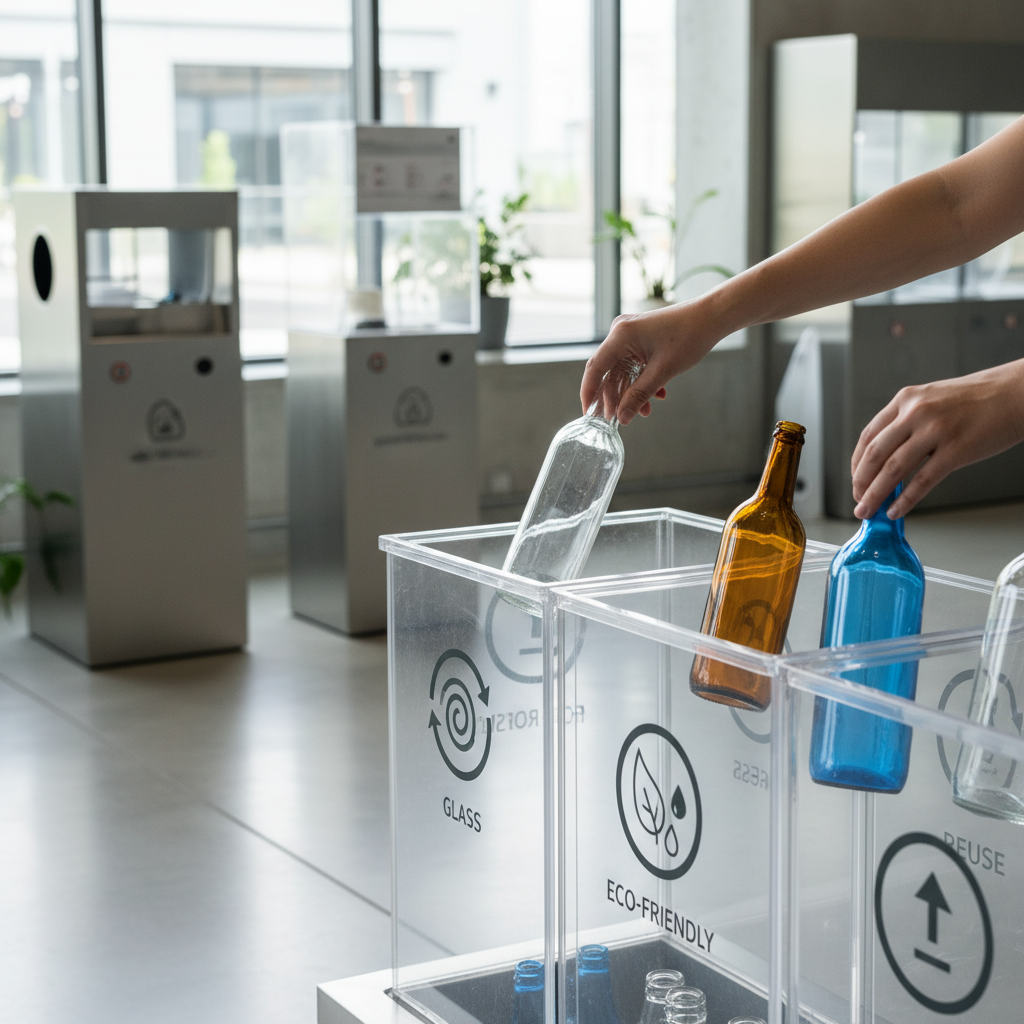
Here’s the thing about reducing your carbon footprint—it’s not just some feel-good environmental gesture. It’s actually one of the most powerful ways you can fight climate change, both as an individual and as part of a bigger movement. When you start looking at what makes up your carbon footprint and where those pesky greenhouse gas emissions come from, something pretty amazing happens: you realize there are real, doable solutions right at your fingertips. We’re going to walk through the biggest contributors to carbon emissions and share practical ways you can tackle them in your everyday life. Because here’s what I’ve learned—when people understand these areas and take action, they don’t just help the planet. They become part of something bigger: a collective push toward sustainability that actually makes a difference.
Major Sources of Carbon Footprint
Let’s talk about where your carbon footprint really comes from. Spoiler alert: it’s probably not what you think. The biggest culprits? They’re hiding in plain sight—your daily activities and the systems we’ve all grown used to relying on. Take transportation, for example. Your car, that flight to visit family, even the bus you take to work—they’re all burning fossil fuels and pumping out carbon emissions. And honestly? Transportation is one of the heavyweight champions of carbon production. But that’s not all. Your home is working overtime too. Every time you flip a light switch or crank up the heat, you’re likely tapping into electricity generated from coal, natural gas, or oil. Those cozy evenings at home? They come with a carbon cost. Then there’s food—and this one might surprise you. That burger on your plate or the milk in your coffee represents some serious emissions. Livestock farming produces methane and nitrous oxide, which are actually way more potent than regular CO2 when it comes to warming the planet. And don’t even get me started on waste. Those overflowing landfills? They’re methane factories. Plus, all that stuff we toss instead of recycling just adds to the problem. If you want to dig deeper into the solutions side, check out how to reduce greenhouse gas emissions effectively—it’s a great companion to understanding these sources.
Now, why does knowing all this matter? Because when you can see the problem clearly, you can target your efforts where they’ll actually make a difference. Imagine if we could modernize our energy systems and switch to renewable sources—suddenly, those emissions from buildings would plummet. Or what if more people embraced plant-based eating? That would directly tackle food production emissions. The cool thing is, understanding these sectors also gives policymakers the roadmap they need to create smart environmental policies and incentives. The reality is, carbon emissions are complex, but that doesn’t mean the solutions have to be. It just means we need to tackle multiple fronts at once.
Common Sources
Want to know where to focus your carbon-cutting efforts? Here are the big players you should keep on your radar:
- Transportation – cars, planes, and public transit emissions: Your daily commute and vacation flights are major carbon contributors because they’re still heavily dependent on fossil fuels. The good news? Switching to electric vehicles or using public transportation can seriously shrink your footprint.
- Energy use – electricity and heating in homes and businesses: This one’s all about the source. If your electricity comes from coal or gas, your carbon intensity is high. But if you’re powered by solar or wind? You’re golden.
- Food production – especially meat and dairy: Here’s a reality check—livestock farming produces methane, which is way more powerful than CO2 in the short term. Cutting back on meat or choosing sustainable sources can make a real impact.
- Waste – landfill emissions and non-recyclable materials: Those landfills are basically methane production facilities as organic waste breaks down without oxygen. Better recycling and composting can change this game completely.
What I love about this list is that every single item represents somewhere you can actually take action. You’re not powerless here. When you combine understanding each source with targeted changes, you’re building a comprehensive strategy that actually works. And that sets us up perfectly for talking about the practical stuff—the daily changes that add up to something significant.
Practical Ways to Reduce Your Carbon Footprint
Alright, now for the good stuff—what can you actually do about all this? Once you understand where emissions come from, the next step is rolling up your sleeves and making some strategic lifestyle changes. And I promise, these aren’t about living in a cave or giving up everything you enjoy. Let’s start with transportation. Public transit, cycling, carpooling—these aren’t just good for your wallet, they’re carbon-cutting powerhouses. Electric and fuel-efficient cars might cost more upfront, but they pay dividends for the planet (and often your bank account) over time. Your home is another goldmine of opportunities. Solar panels, wind turbines, even just upgrading to LED bulbs and better insulation—these changes can dramatically slash your energy footprint. And here’s something that might surprise you: what you eat matters just as much as how you get around. Being mindful about your diet and waste habits doesn’t mean becoming a monk. It means making informed choices about carbon-heavy foods and reducing unnecessary waste. If you’re looking for more specifics on the home energy front, effective ways to save energy at home has some excellent practical tips to complement what we’re talking about here.
Here’s what’s really exciting about these changes—they snowball. Small, consistent actions don’t just help the environment. They often boost your health, cut your utility bills, and connect you with like-minded people in your community. When families and friend groups start embracing these practices together, you’re not just changing your own habits—you’re shifting culture. And that’s powerful. The key to sticking with it? Set goals you can actually achieve and tap into local green initiatives for support and motivation. Bottom line: practical, informed adjustments to daily life aren’t just the foundation of reducing your carbon footprint—they’re your contribution to global environmental health.
Key Aspects of Practical Reduction
Ready to make this real? Here are the key areas where your efforts will pack the biggest punch:
- Transportation Changes: Public transit, carpooling, biking, walking—these are your first line of defense against transportation emissions. When you do need to drive, electric or hybrid vehicles keep you moving while cutting emissions.
- Energy Use at Home: This is where renewable energy sources like solar or wind become game-changers, replacing those carbon-heavy fossil fuels. Pair that with efficiency upgrades—LED bulbs, better insulation, smart thermostats—and you’re cutting unnecessary energy waste left and right.
- Food and Waste Habits: Plant-based meals and reduced meat consumption directly tackle those livestock methane emissions we talked about. On the waste side, minimizing food waste, recycling properly, and composting organic materials keeps methane out of landfills.
- Engagement and Education: Get involved in community initiatives and stay curious about sustainability topics. This isn’t just about individual action—it’s about building collective momentum. Education empowers you and drives the long-term behavioral changes that create lasting impact.

Here’s the thing about reducing your carbon footprint—it’s not just another trendy environmental term you hear thrown around. It’s actually something real you can do every single day. Think about it: your morning commute, the way you heat your home, what you grab for lunch, even how you deal with your trash. All of it adds up to greenhouse gas emissions. But here’s the good news—once you understand where these emissions come from, you can start making smarter choices. Small changes? They matter more than you think. And when millions of people make those same small changes? That’s when we start seeing real impact.
Now, let’s talk about the big four: transportation, home energy, food, and waste. Sounds overwhelming, right? It’s really not. Each one of these areas is actually packed with opportunities to make a difference. Take public transportation instead of driving solo. Swap out those energy-hungry appliances for efficient ones. Cut back on meat a few days a week. Actually use that recycling bin. The beautiful thing is, most of these changes will save you money too. (Who doesn’t love a smaller electric bill?) Plus, you’ll probably feel better—both physically and about your impact on the planet.
Ready to actually do something about it? Start with projects that make sense for your situation. Maybe you’ve got space for a rain garden—they’re fantastic for managing stormwater and you can learn how to build a rain garden step by step. Want to get your neighbors involved? There’s nothing quite like starting a community garden to bring people together while growing fresh food locally. For a broader approach, check out our comprehensive guide on how to reduce greenhouse gas emissions—it covers everything from energy to transportation. And if you want immediate results at home, there are plenty of ways to save energy at home that’ll cut both your emissions and your bills. While you’re building these sustainable habits, you might also want to think about how to build an emergency fund—because financial stability and environmental responsibility often go hand in hand.
Look, reducing your carbon footprint isn’t about being perfect overnight. It’s about progress, not perfection. Every choice you make—whether it’s biking to work on a nice day or remembering to turn off lights when you leave a room—adds up. And here’s something cool: when people see you making these changes, they start thinking about their own habits. That’s how individual action becomes community action, and community action becomes the kind of change that actually moves the needle. You’ve got the tools and the knowledge. Now it’s time to put them to work.
Frequently Asked Questions
-
What is the easiest way to start reducing my carbon footprint?
- Start simple—take the bus instead of driving, and turn off electronics when you’re not using them. These easy wins build momentum and show you that reducing emissions doesn’t have to be complicated.
-
How does eating less meat help the environment?
- Meat production creates a lot of greenhouse gases, especially methane from livestock. When you eat less meat, you’re reducing demand for these resource-heavy farming practices. Even going meatless one day a week makes a difference.
-
Can renewable energy sources really make a difference?
- Absolutely. Solar panels, wind power, and other renewables replace electricity that would otherwise come from burning fossil fuels. The more people switch to clean energy, the cleaner our entire electrical grid becomes.
-
How do I measure my current carbon footprint?
- Online carbon calculators are your best friend here. They look at how you travel, what you eat, how much energy you use, and your waste habits to give you a personalized picture of your emissions.
-
Are there community programs to help reduce carbon footprints?
- Most cities and towns have sustainability programs, and there are tons of environmental groups looking for volunteers. Joining up multiplies your impact and connects you with people who share your values.