How Ecosystems Support Ducks: Biologist Insights
Ducks represent one of nature’s most successful waterfowl adaptations, thriving across diverse ecosystems from Arctic tundras to subtropical wetlands. Their survival depends on intricate ecological relationships that extend far beyond simple food availability. Understanding how environmental systems sustain duck populations reveals fundamental principles of ecosystem function, nutrient cycling, and species interdependence that resonate throughout biological communities worldwide.
Biologists have long recognized that duck populations serve as ecological indicators—their health reflects the overall vitality of wetland ecosystems. When wetland environments deteriorate due to pollution, habitat loss, or climate disruption, duck numbers decline sharply. Conversely, robust duck populations signal healthy water systems with adequate food webs, clean water chemistry, and stable vegetation communities. This relationship between ducks and their environment demonstrates how species-specific survival mechanisms integrate into broader ecological frameworks.
Wetland Habitats: The Foundation of Duck Survival
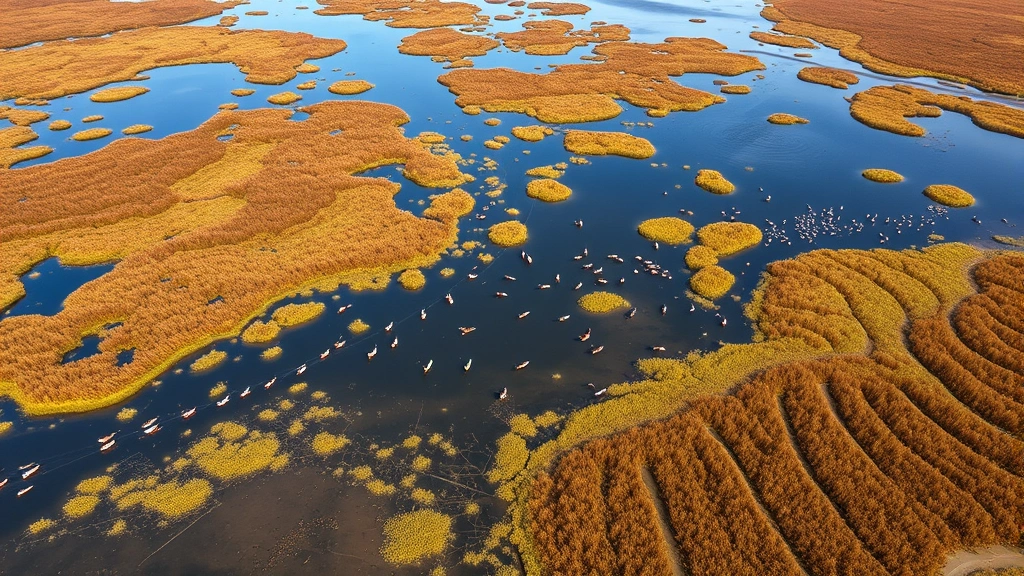
Wetland ecosystems represent the primary environmental support system for duck populations globally. These transitional zones between aquatic and terrestrial environments create unique conditions that ducks have evolved to exploit over millions of years. Marshes, swamps, ponds, and shallow lakes provide the physical structure, water chemistry, and biological productivity that sustains duck communities year-round and during migration periods.
The architectural complexity of wetlands directly influences duck survival rates. Emergent vegetation—cattails, rushes, and sedges rising above water surfaces—creates essential habitat structure for nesting, roosting, and predator avoidance. Submerged aquatic vegetation provides both food resources and protective cover for ducklings during vulnerable early development stages. Open water areas enable foraging, social interactions, and escape routes from terrestrial predators. This spatial heterogeneity within wetlands allows different duck species to partition available resources and occupy distinct ecological niches.
Research from the World Bank’s environmental initiatives demonstrates that wetland conservation directly correlates with waterfowl population stability. When wetlands are drained for agricultural expansion or urban development, duck populations collapse within 2-3 years. This sensitivity makes ducks valuable bioindicators for wetland ecosystem health monitoring.
The sediment composition of wetlands affects duck survival through multiple pathways. Fine silts and organic-rich muds support diverse invertebrate communities that form the nutritional foundation of duck diets. Acidic wetlands with low pH support different biological communities than alkaline systems, creating regionally distinct duck assemblages. Understanding environment and environmental science principles helps explain these localized adaptations.
Water Quality and Chemical Balance
Duck survival depends critically on water quality parameters that reflect broader ecosystem chemistry. Dissolved oxygen concentrations must remain above 4-5 mg/L for extended periods to support the aquatic invertebrates and fish that ducks consume. Oxygen depletion—often triggered by excessive nutrient loading or algal blooms—eliminates food resources and forces ducks to relocate or perish.
Nutrient cycling through nitrogen and phosphorus pathways fundamentally shapes duck habitat quality. Moderate nutrient availability stimulates primary productivity, supporting dense populations of aquatic plants and invertebrates. However, excessive nutrient inputs from agricultural runoff or sewage create eutrophication—oxygen-depleting algal blooms that destroy habitat quality. This nutrient balance represents a critical environmental variable that biologists monitor continuously in duck populations.
pH levels influence duck survival indirectly through effects on invertebrate communities and plant growth. Acidic wetlands (pH below 6.0) support different vegetation and invertebrate assemblages than neutral or alkaline systems. Ducks have evolved regional populations adapted to these distinct chemical conditions, demonstrating how water chemistry shapes evolutionary trajectories. Heavy metal contamination—particularly mercury, lead, and cadmium—accumulates in duck tissues through food web bioaccumulation, causing neurological damage, reproductive failure, and population declines.
Salinity gradients in coastal and estuarine wetlands create distinct duck communities. Brackish and salt marshes support specialized duck species adapted to osmotic stress, while freshwater ducks cannot survive in high-salinity environments. This environmental variable creates geographic boundaries for duck species distributions and influences migratory patterns.
The United Nations Environment Programme’s water quality initiatives highlight how pollution impacts waterfowl populations across continents. Industrial discharge, agricultural chemicals, and plastic contamination all degrade water quality in ways that reduce duck survival and reproduction rates.
Food Web Dynamics and Nutritional Requirements
Duck nutrition depends entirely on environmental food web structure and productivity. Different duck species occupy distinct dietary niches reflecting their morphological adaptations and ecological roles. Dabbling ducks (mallards, pintails, teal) feed primarily on aquatic plants, seeds, and small invertebrates in shallow water, while diving ducks (canvasbacks, scaup, goldeneyes) pursue aquatic insects, crustaceans, and small fish in deeper environments.
Aquatic invertebrate communities—particularly dipteran larvae (midges, mosquitoes), chironomids, amphipods, and dragonfly nymphs—provide essential protein and lipids for duck growth and reproduction. Environmental conditions that support invertebrate diversity directly translate to duck population productivity. Cold-water streams with high oxygen content and rocky substrates support different invertebrate assemblages than warm, muddy ponds, creating regionally distinct duck communities.
Aquatic plant productivity forms the energetic foundation of duck ecosystems. Pondweeds (Potamogeton species), coontail, water lilies, and wild rice produce seeds and tubers that sustain ducks through winter months when other food sources diminish. Environmental conditions—water depth, nutrient availability, light penetration, temperature—determine which aquatic plants thrive in specific wetlands. Similar to how butterfly survival depends on plant diversity, duck populations require diverse plant communities to meet seasonal nutritional demands.
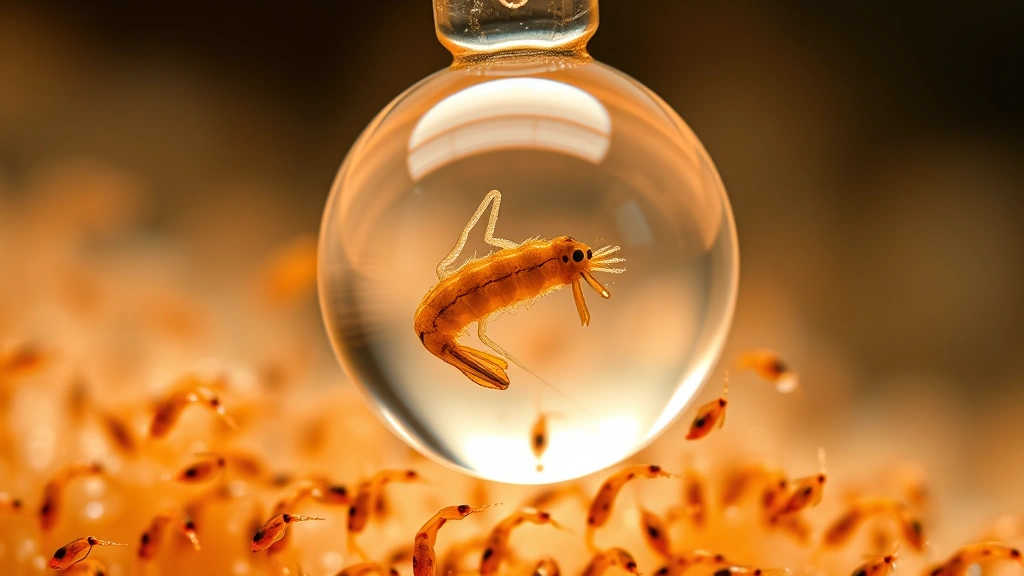
Zooplankton (copepods, cladocerans, rotifers) represent critical food resources for duckling survival during early development. Environmental factors controlling zooplankton population dynamics—temperature, light availability, nutrient concentrations—directly influence duckling growth rates and fledging success. Years with high zooplankton productivity see elevated duckling survival, while poor zooplankton production results in widespread duckling mortality.
Vegetation Communities and Nesting Ecosystems
Nesting habitat availability represents a crucial environmental factor limiting duck population growth. Female ducks require specific vegetation structures for concealing nests from predators while maintaining proximity to water and food resources. Emergent marsh vegetation, grasslands adjacent to wetlands, and dense shrub communities all provide essential nesting habitat depending on duck species.
Environmental conditions that promote vegetation growth—adequate water levels, appropriate fire regimes, nutrient availability—directly enhance nesting habitat quality. Wetlands managed with periodic water level fluctuations maintain diverse vegetation structure that accommodates multiple duck species simultaneously. Conversely, static water levels allow invasive species to dominate, reducing habitat heterogeneity and nesting opportunities.
Upland nesting habitat adjacent to wetlands becomes increasingly important as wetland nesting cover becomes scarce. Grasslands, prairie potholes, and agricultural fields provide alternative nesting locations for many duck species. Environmental disturbance that eliminates upland vegetation—urban sprawl, intensive agriculture, prairie conversion—forces ducks to rely entirely on wetland nesting habitat, increasing vulnerability to nest predation and flooding.
Nest predation risk varies dramatically with environmental conditions and vegetation structure. Dense vegetation reduces mammalian predator access while concealing nests from avian predators. Open nesting areas expose eggs to ravens, crows, and raptors. Environmental management that maintains appropriate vegetation density and structural diversity optimizes the balance between predator avoidance and foraging accessibility.
Seasonal Environmental Cycles
Duck survival throughout annual cycles depends on predictable environmental patterns that provide seasonal resource availability. Spring snowmelt increases water levels in northern wetlands, flooding nesting habitat and initiating plant growth that sustains breeding populations. Summer conditions maintain warm water temperatures and high productivity supporting duckling development. Autumn cooling triggers seed production in aquatic plants and concentrates invertebrate populations in remaining water bodies.
Winter environmental conditions represent the most challenging period for duck survival in temperate and northern regions. Open water areas become critical as ice cover eliminates most wetland habitat. Ducks congregate in unfrozen lakes, rivers, and coastal waters where food availability determines survival rates. Environmental factors—winter severity, open water availability, food resource abundance—create dramatic year-to-year variation in winter survival rates.
Climate-driven shifts in seasonal timing increasingly disrupt duck population dynamics. Earlier spring warming advances plant growth and invertebrate emergence, creating phenological mismatches where resource peaks occur before ducklings hatch. Delayed autumn freeze-up extends open water availability but may reduce pre-migration fattening if food resources decline earlier. These environmental timing shifts demonstrate how climate patterns integrate with ecosystem function to influence wildlife populations.
Photoperiod changes drive physiological responses in ducks, triggering migration, breeding, and molt cycles synchronized with seasonal environmental changes. As daylength shifts, ducks adjust hormone levels, behavior patterns, and habitat use in response to environmental signals. Environmental disturbances like pollution can disrupt these sensitive physiological systems.
Climate Systems and Migration Patterns
Large-scale climate patterns fundamentally shape duck migration systems and survival opportunities. Atlantic and Pacific storm systems drive wind patterns that ducks exploit during migration, reducing energy expenditure during long-distance flights. El Niño and La Niña climatic oscillations alter precipitation patterns across North America, influencing wetland water availability and timing of resource availability.
Temperature gradients between breeding and wintering grounds create the environmental basis for duck migration. Northern breeding grounds provide extended daylight and high summer productivity supporting rapid duckling growth. Southern wintering grounds remain ice-free during winter, providing refuge when northern wetlands freeze completely. Environmental shifts that reduce this contrast—earlier spring warming, later autumn cooling—compress the temporal window available for migration and breeding.
Drought cycles represent extreme environmental stressors that devastate duck populations. Multi-year droughts in prairie pothole regions eliminate thousands of wetlands, collapsing duck breeding habitat across millions of acres. Recovery requires several years of above-average precipitation to restore wetland conditions. This environmental variability creates boom-and-bust population cycles that wildlife managers struggle to predict and manage.
Atmospheric circulation patterns influence environmental conditions across duck migration routes. The North Atlantic Oscillation and Pacific Decadal Oscillation create multi-year climate patterns affecting snowfall, temperature, and precipitation across North America. These large-scale climate drivers operate independently of local management actions, imposing environmental constraints on duck population dynamics that managers cannot control directly.
Predator-Prey Relationships in Duck Ecosystems
Predation pressure represents a critical environmental force shaping duck survival and behavior. Aerial predators—raptors, eagles, and falcons—force ducks to utilize protective cover and maintain vigilance during foraging. Aquatic predators—pike, bass, and muskellunge—consume ducklings, creating selection pressure for nesting habitat far from predator-rich waters. Mammalian predators—foxes, coyotes, raccoons, and mink—target nests and flightless molting ducks.
Environmental conditions affecting predator abundance indirectly influence duck survival. Ecosystems with abundant small mammal populations support high predator densities, increasing nest predation rates. Conversely, environments where predators face food limitation show reduced predation pressure on ducks. This predator-prey dynamic demonstrates how environmental factors propagate through food webs, affecting species far removed from the original environmental perturbation.
Predator avoidance behaviors reflect environmental learning and evolutionary adaptation. Ducks recognize predator silhouettes, respond to alarm calls from other species, and select nesting habitat based on perceived predation risk. Environmental conditions that provide visual concealment and escape routes enhance survival regardless of actual predator abundance, demonstrating how perception of environmental risk influences behavior.
Disease transmission through predator populations can affect duck ecosystems indirectly. Avian influenza and other pathogens circulate through predator communities, with environmental stress increasing susceptibility to infection. Wetland ecosystems supporting diverse predator communities may experience increased disease transmission, creating unexpected environmental linkages between trophic levels.
Human environment interactions increasingly modify predator communities through direct persecution, habitat alteration, and trophic cascades. Removal of apex predators changes environmental conditions in ways that may benefit or harm duck populations depending on which predators are eliminated.
Economic analyses from ecological economics research demonstrate that ecosystem services provided by duck populations—including nutrient cycling, seed dispersal, and pest control—generate substantial economic value. Ecological Economics journal publishes extensive research on valuing these environmental services. Reducing carbon footprints through wetland conservation preserves these valuable ecosystem functions.
Conservation strategies increasingly incorporate ecosystem-based approaches recognizing that duck survival depends on maintaining entire environmental systems rather than protecting individual species. Wetland restoration, water quality improvement, and habitat management all represent investments in environmental infrastructure that sustains duck populations while providing multiple co-benefits including flood control, water purification, and carbon sequestration.
Understanding how ecosystems support ducks illuminates fundamental ecological principles applicable across diverse taxa and environments. The complex web of environmental factors—physical, chemical, and biological—that sustains duck populations demonstrates why conservation requires systems-thinking approaches integrating hydrology, chemistry, biology, and climate science. As environmental conditions shift due to climate change and anthropogenic disturbance, maintaining duck populations will require increasingly sophisticated environmental management informed by rigorous ecological science.
FAQ
What environmental factors are most critical for duck survival?
Water quality, wetland habitat structure, food web productivity, and seasonal environmental cycles represent the most critical factors. Ducks require clean water, diverse vegetation, abundant invertebrates and plants, and predictable seasonal patterns for successful survival and reproduction across their annual cycles.
How do climate changes affect duck populations?
Climate shifts alter snowmelt timing, water availability, breeding season duration, and food resource phenology. Earlier spring warming and delayed autumn freeze-up compress breeding windows, while drought cycles eliminate wetland habitat. These environmental changes create population instability and geographic range shifts as ducks track changing environmental conditions.
Why are wetlands so important for ducks?
Wetlands provide the complete suite of environmental requirements ducks need: nesting habitat, food resources, water for foraging and safety, and protection from predators. These transitional ecosystems support the biological productivity and habitat complexity that duck populations cannot find in other environments, making wetland conservation essential for duck survival.
How does water pollution impact duck populations?
Pollution reduces water quality, eliminates invertebrate food sources, contaminates duck tissues through bioaccumulation, and disrupts reproductive success. Nutrient pollution causes algal blooms that deplete oxygen, while heavy metals and pesticides cause neurological damage and reproductive failure, collectively reducing duck population growth rates and survival.
Can ducks adapt to environmental changes?
Ducks demonstrate behavioral flexibility and some genetic adaptation to environmental variation, but rapid environmental changes often exceed adaptive capacity. Evolutionary adaptation occurs over generations, while ducks must respond to climate changes occurring over decades, creating mismatches between environmental conditions and duck life history traits.


