Human Impact on Ecosystems: A Scientific Overview
Human activities have fundamentally transformed Earth’s ecosystems over the past two centuries, creating unprecedented ecological challenges that demand immediate scientific attention and policy intervention. From atmospheric composition to oceanic chemistry, the fingerprints of human civilization are evident across every biome and ecosystem on the planet. Understanding the mechanisms and magnitude of these impacts is essential for developing effective mitigation strategies and protecting the biodiversity that sustains all life.
The relationship between human societies and natural ecosystems has evolved from one of relative balance to one of significant dominance. Today, humans appropriate approximately 25-30% of the planet’s net primary productivity, fundamentally altering energy flows through ecological networks. This comprehensive overview examines the scientific evidence documenting how human activities affect the environment, exploring the interconnected pathways through which our economic systems, agricultural practices, industrial processes, and consumption patterns cascade through natural systems with far-reaching consequences.
Climate Change and Atmospheric Disruption
The emission of greenhouse gases through fossil fuel combustion, deforestation, and industrial processes represents one of the most consequential human impacts on ecosystems. Since the Industrial Revolution, atmospheric carbon dioxide concentrations have increased by over 50%, rising from approximately 280 parts per million to nearly 425 parts per million today. This rapid increase in radiative forcing agents has triggered a warming response that exceeds natural variability ranges observed over the past 800,000 years.
The mechanisms linking human emissions to climate disruption are well-established through multiple lines of evidence. Carbon isotope analysis demonstrates that atmospheric CO₂ increases derive primarily from fossil fuel combustion rather than natural sources. Satellite measurements confirm that atmospheric radiative properties have changed in ways consistent with increased greenhouse gas concentrations. Temperature records across multiple independent datasets show warming trends that correlate precisely with anthropogenic emissions trajectories.
Climate change cascades through ecosystems via multiple pathways. Rising temperatures alter phenological timing, disrupting the synchronization between predators and prey, pollinators and flowering plants, and migratory species and resource availability. Range shifts move species poleward and upslope, fragmenting populations and reducing genetic diversity. Heat stress directly impacts metabolic rates, reproductive success, and survival across taxa from coral reef organisms to alpine vegetation. Ocean warming reduces oxygen solubility, creating expanding dead zones where anaerobic conditions prevent most aerobic life.
The atmospheric disruption extends beyond climate warming. Ozone depletion from chlorofluorocarbon emissions has been partially reversed through international cooperation, yet continues affecting ultraviolet radiation reaching Earth’s surface. Atmospheric aerosol pollution from sulfur dioxide and particulate matter reduces light availability for photosynthesis while creating respiratory health crises in urban regions. Nitrogen and sulfur oxide emissions drive acid precipitation that alters soil chemistry and freshwater ecosystems across entire continental regions.
Biodiversity Loss and Species Extinction
Scientific evidence indicates that current extinction rates exceed background rates by factors of 100 to 1,000, depending on taxonomic group and geographic region. This biodiversity crisis stems directly from human habitat destruction, overexploitation, pollution, invasive species introductions, and climate change. The ways humans affect the environment have created cascading extinctions that fundamentally alter ecosystem structure and function.
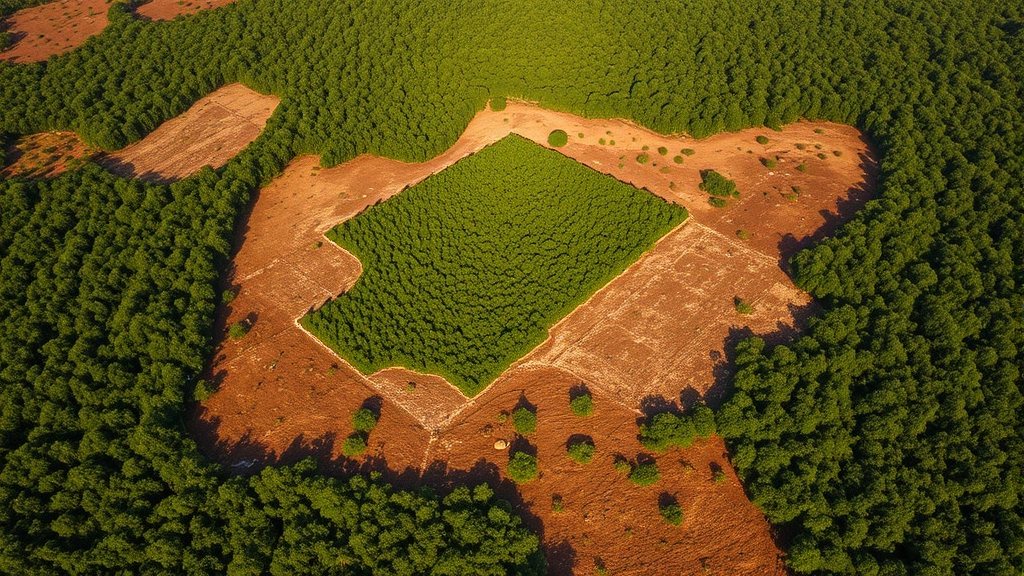
Habitat fragmentation represents the primary driver of species loss globally. Forest conversion for agriculture, urban expansion, and infrastructure development has reduced tropical rainforest extent by approximately 50% from pre-industrial levels. These fragmented landscapes isolate populations, reduce genetic diversity, and eliminate migration corridors essential for long-distance dispersers. Species with large home ranges, low reproductive rates, or specialized habitat requirements face particularly acute extinction risks.
The loss of key functional groups creates trophic cascades that reverberate through food webs. Apex predator removal eliminates top-down controls on herbivore populations, leading to overgrazing and vegetation community shifts. Pollinator declines reduce reproductive success across flowering plant communities, with consequences for fruit and seed production that cascade to dependent fauna. The decline of large megafauna removes ecosystem engineers that structure habitats through browsing, trampling, and nutrient redistribution.
Invasive species introductions, facilitated by global trade networks and transportation systems, represent a particularly insidious form of human-driven ecosystem disruption. Invasive species outcompete natives through superior competitive abilities, introduce novel pathogens, or fundamentally alter environmental conditions. Island ecosystems prove especially vulnerable to invasive species impacts due to limited native species diversity and absence of co-evolved predators and competitors.
Understanding how bees help the environment highlights the cascading consequences of losing key functional groups. Pollinator services generate estimated economic value exceeding $500 billion annually, yet pollinator populations decline globally from pesticide use, habitat loss, and climate change. This biodiversity loss threatens agricultural productivity, ecosystem stability, and human food security simultaneously.

Water Systems and Pollution
Human activities fundamentally alter hydrological cycles through dam construction, groundwater extraction, and land cover changes that modify infiltration and runoff patterns. Agricultural irrigation accounts for approximately 70% of global freshwater withdrawals, exceeding natural recharge rates in many aquifer systems and causing permanent depletion of ancient water reserves. Dams fragment riverine ecosystems, blocking fish migration, altering flow regimes, and eliminating nutrient-rich flood pulses that sustain floodplain productivity.
Water pollution from agricultural runoff, industrial discharge, and urban stormwater creates persistent chemical and biological contamination throughout freshwater and marine ecosystems. Nitrogen and phosphorus from agricultural fertilizers drive eutrophication, stimulating algal blooms that consume dissolved oxygen and create hypoxic dead zones. These dead zones now affect over 400 coastal regions globally, with the largest extending across 22,000 square kilometers in the Gulf of Mexico.
Pesticide and pharmaceutical residues persist in aquatic ecosystems at concentrations that disrupt endocrine systems, impair immune function, and reduce reproductive success across aquatic vertebrates. Microplastics from synthetic textiles, tire wear, and plastic degradation now permeate every aquatic ecosystem from alpine streams to abyssal ocean trenches, with documented ingestion by organisms across size ranges from zooplankton to whales. These plastic particles accumulate toxic compounds and transfer contaminants through food webs.
Acidification of freshwater systems from acid precipitation alters water chemistry, reducing calcium availability for shell-forming organisms and impairing fish reproduction and development. Heavy metal contamination from mining, smelting, and industrial processes accumulates in sediments and bioaccumulates through food chains, reaching toxic concentrations in apex predators. Mercury contamination from coal combustion and artisanal gold mining creates neurotoxicity risks for millions of people globally.
Soil Degradation and Land Use Change
Soil represents one of Earth’s most vital yet undervalued resources, containing more carbon than the atmosphere and all living biomass combined. Human agricultural practices degrade soil through excessive tilling, monoculture cropping, and chemical fertilizer dependence, reducing organic matter content and microbial diversity. Soil erosion from cultivated lands globally exceeds soil formation rates by orders of magnitude, with estimates suggesting that 24 billion tons of fertile topsoil are lost annually.
Large-scale land use conversion from natural ecosystems to agriculture, pasture, and urban areas eliminates the structural complexity and biodiversity that characterize undisturbed systems. Tropical forest conversion to cattle pasture eliminates carbon sinks while reducing biodiversity and hydrological regulation. Wetland drainage for agriculture destroys habitat for wetland-dependent species while eliminating natural water filtration and flood buffering functions. Grassland conversion to cropland disrupts fire regimes and reduces belowground carbon storage.
The different types of environment respond differently to human land use pressures, but all experience degradation when natural vegetation is replaced by simplified managed systems. Tropical regions experience particularly rapid transformation due to high biodiversity and increasing economic pressures for land conversion. Boreal forests face threats from climate change-driven range shifts and increasing insect pest outbreaks facilitated by warmer winters.
Salinization of agricultural soils from irrigation in arid regions renders vast areas unsuitable for crop production. Desertification processes expand across drylands due to overgrazing, excessive water extraction, and climate change-induced precipitation shifts. These processes create positive feedback loops where vegetation loss reduces water infiltration and increases surface albedo, further reducing precipitation and vegetation productivity.
Ocean Acidification and Marine Ecosystem Collapse
Ocean acidification represents a direct consequence of atmospheric CO₂ increases, as the ocean absorbs approximately 30% of anthropogenic emissions. This absorbed CO₂ reacts with seawater to form carbonic acid, reducing ocean pH by 0.1 units since pre-industrial times and increasing hydrogen ion concentrations by 30%. This seemingly modest pH change represents a fundamental shift in ocean chemistry with cascading consequences for marine organisms.
Organisms with calcium carbonate shells and skeletons—including pteropods, corals, echinoderms, and mollusks—face particular vulnerability to acidification. Reduced carbonate ion availability impairs shell formation and increases dissolution rates of existing shells. Pteropod dissolution has already been documented in the Southern Ocean, where naturally low pH conditions from upwelling create preview conditions of future acidification scenarios. These pteropods form crucial food sources for fish, whales, and seabirds, making their decline consequential for entire marine food webs.
Coral reefs, often called rainforests of the sea, face existential threats from the combined stressors of warming, acidification, and pollution. Bleaching events occur when temperature stress causes corals to expel their symbiotic algae, leading to starvation if stress persists. The 2016 global bleaching event affected approximately 30% of the world’s coral reefs, with some regions experiencing 100% mortality. Recovery requires extended periods of cool conditions that become increasingly rare as ocean warming accelerates.
Fish larvae and early life stages prove particularly sensitive to acidification, with studies documenting impaired sensory systems, behavioral disruption, and reduced survival at pH levels projected for 2100. These impacts threaten recruitment dynamics for commercially important fish species, with consequences for global food security given that over 3 billion people depend on marine biodiversity for nutrition.
Commercial overfishing has removed approximately 90% of large predatory fish biomass from the ocean, fundamentally altering trophic structure and ecosystem stability. Fishing practices including bottom trawling physically destroy seafloor habitats, eliminating complex three-dimensional structures essential for countless species. Bycatch of non-target species, including marine mammals, sea turtles, and seabirds, represents a persistent source of mortality that threatens population viability for vulnerable species.

Economic Perspectives on Environmental Damage
The externalization of environmental costs represents a fundamental economic failure that distorts markets and incentivizes environmentally destructive practices. Traditional economic accounting systems fail to incorporate the value of ecosystem services—including pollination, water purification, climate regulation, and nutrient cycling—that sustain economic activity. This accounting gap means that economic growth often reflects depletion of natural capital rather than genuine wealth creation.
The relationship between environment and society demonstrates that ecological degradation creates substantial economic costs through reduced agricultural productivity, increased disease burden, infrastructure damage from extreme weather, and lost recreational and cultural values. The Stern Review estimated that climate change impacts could reduce global GDP by 5-20% if warming exceeds 2-3 degrees Celsius, with costs falling disproportionately on developing nations least responsible for emissions.
Ecological economics frameworks attempt to incorporate biophysical constraints and ecosystem service valuations into economic analysis. World Bank research on natural disaster economic impacts demonstrates how ecosystem degradation increases vulnerability to climate hazards. Mangrove loss increases coastal storm surge impacts; watershed degradation increases flood severity; coral reef loss increases coastal vulnerability to wave action.
Payment for ecosystem services programs attempt to create economic incentives for conservation by compensating landowners for maintaining ecosystem functions. These programs show mixed results, with success depending on baseline conditions, monitoring capacity, and political commitment. Carbon offset programs face criticism for questionable additionality and permanence, yet represent one mechanism attempting to internalize climate costs into economic decision-making.
The circular economy paradigm proposes redesigning production and consumption systems to eliminate waste and maintain material value through reuse, repair, and recycling. This approach contrasts with linear take-make-dispose models that dominate contemporary economies. Implementing circular systems requires technological innovation, supply chain restructuring, and policy reforms that shift from volume-based to value-based economic metrics.
Interconnected Ecological Feedback Systems
Ecosystems function as complex adaptive systems with multiple feedback loops that determine stability and resilience. Human impacts often trigger positive feedback loops that amplify initial disturbances and shift systems toward alternative stable states. Understanding these feedback mechanisms is essential for predicting ecosystem responses and identifying intervention points for restoration.
The nature of human-environment interaction creates feedback loops operating across multiple temporal and spatial scales. Vegetation loss increases surface albedo and reduces evapotranspiration, reducing local precipitation and creating conditions that prevent vegetation recovery—a positive feedback that drives desertification. Forest loss reduces atmospheric moisture recycling, potentially shifting entire regions toward drier climate regimes. Permafrost thaw releases methane and CO₂ that accelerate warming, triggering further thaw in a runaway feedback process.
Tipping points represent critical thresholds where small changes in forcing variables trigger abrupt ecosystem transitions. Amazon rainforest models suggest that approximately 20-25% forest loss may trigger transition toward savanna-like conditions, with substantial implications for global carbon cycling and climate regulation. Arctic sea ice loss reduces surface albedo, accelerating warming in a feedback that models suggest could trigger abrupt transitions in regional climate patterns.
Biodiversity loss reduces ecosystem resilience by eliminating functional redundancy that buffers against disturbances. Diverse ecosystems maintain multiple species performing similar functions, ensuring that ecosystem function persists when some species decline. Simplified systems with few species performing each function face greater vulnerability to species loss and environmental fluctuations. This relationship between diversity and stability has profound implications for agricultural systems that eliminate wild plant diversity in favor of monocultures.
Restoration ecology attempts to reverse human-driven ecosystem degradation by restoring structure, composition, and function toward historical reference conditions or toward novel ecosystems adapted to contemporary conditions. Successful restoration requires understanding the feedback mechanisms that maintain degraded states and implementing interventions that shift systems toward desired alternative stable states. This might involve reintroducing keystone species, restoring disturbance regimes, or removing invasive species that prevent native vegetation recovery.
The interconnected nature of ecological impacts means that addressing environmental challenges requires integrated approaches spanning multiple sectors and scales. Climate change mitigation alone proves insufficient without simultaneous efforts to reduce habitat loss, pollution, and overexploitation. Conversely, conservation efforts prove limited without addressing underlying drivers of environmental degradation including population growth, consumption patterns, and economic systems that externalize environmental costs.
FAQ
What are the major ways human activities affect ecosystems?
Human activities affect ecosystems through climate change, habitat destruction, pollution, overexploitation of resources, and invasive species introductions. These impacts operate through multiple interconnected pathways, including atmospheric disruption, biodiversity loss, water system degradation, soil erosion, and ocean acidification. The cumulative effect represents a fundamental transformation of Earth’s biophysical systems.
How does climate change impact biodiversity?
Climate change affects biodiversity through temperature increases that exceed species thermal tolerance ranges, altered precipitation patterns that disrupt water availability, range shifts that fragment populations, phenological mismatches between species interactions, and increased frequency of extreme weather events. Species with narrow thermal tolerances, specialized habitat requirements, or low reproductive rates face highest extinction risks.
What ecosystem services are most threatened by human activities?
Pollination, water purification, climate regulation, and nutrient cycling represent ecosystem services most threatened by human activities. Pollinator declines threaten crop productivity and wild plant reproduction. Water quality degradation impairs freshwater ecosystem function and human water security. Carbon cycle disruption through deforestation and fossil fuel use accelerates climate change. Soil degradation reduces nutrient cycling capacity and agricultural productivity.
Can ecosystems recover from human damage?
Ecosystems possess variable recovery capacity depending on disturbance magnitude, ecosystem type, and available recovery time. Some systems like tropical forests demonstrate remarkable recovery when disturbances cease, while others like coral reefs face reduced recovery capacity due to multiple stressors. Recovery timescales range from decades for fast-growing systems to centuries for complex systems like old-growth forests. Human-assisted restoration can accelerate recovery when properly designed.
What role does consumption play in environmental degradation?
Consumption patterns drive environmental degradation through resource extraction, manufacturing emissions, transportation, and waste generation. High-consumption lifestyles in developed nations generate disproportionate environmental impacts relative to population size. Shifting toward sustainable consumption requires reducing material throughput, extending product lifespans, and transitioning toward renewable energy and circular economic systems.
How do economic systems contribute to ecosystem damage?
Economic systems contribute to ecosystem damage by externalizing environmental costs, treating natural capital as unlimited, and prioritizing short-term profit over long-term sustainability. Market failures prevent prices from reflecting environmental impacts, creating incentives for overexploitation. Accounting systems fail to incorporate ecosystem service values, making conservation economically undervalued relative to extraction and conversion.


