
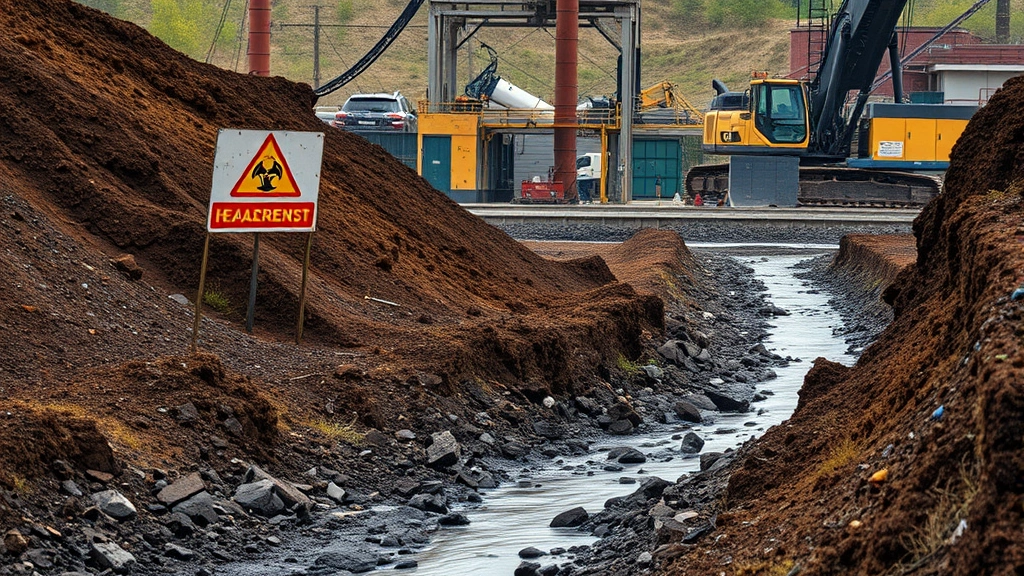
Impact of Hazardous Environments on Economy: Understanding the Hidden Costs
Hazardous environments represent one of the most significant yet underestimated drains on global economic productivity. From toxic industrial sites to polluted waterways, these dangerous zones impose measurable costs on businesses, governments, and communities. The economic impact extends far beyond immediate remediation expenses, affecting workforce health, property values, insurance premiums, and long-term sustainable development. Understanding these interconnections reveals why environmental protection is fundamentally an economic imperative.
The relationship between hazardous conditions and economic performance follows predictable patterns. Workers exposed to dangerous environments experience higher rates of illness and injury, reducing productivity and increasing healthcare expenditures. Regions with severe environmental hazards struggle to attract investment, talent, and tourism revenue. Ecosystems degraded by hazardous pollution lose their capacity to provide essential services—water purification, carbon sequestration, crop pollination—that underpin economic activity. These cascading effects create a multiplier impact that compounds over decades.
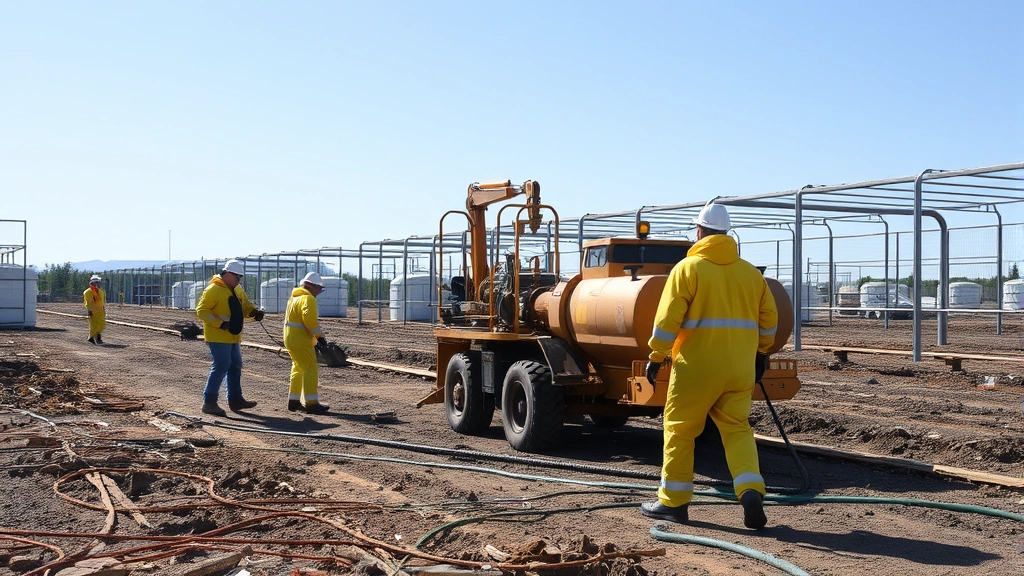
Defining Hazardous Environments and Economic Boundaries
A hazardous environment encompasses any location where environmental conditions pose direct threats to human health, safety, or ecological integrity. These include contaminated industrial sites, polluted air zones, toxic waste repositories, flood-prone areas, and regions with severe chemical or biological hazards. The term “hazardous environment” in economic analysis refers to spaces where environmental quality has degraded below sustainable thresholds, creating measurable costs to economic actors.
The scientific definition of environment encompasses all external conditions affecting organisms and systems. When these conditions become hazardous, the economic implications become profound. Unlike simple cost-benefit analyses, hazardous environmental economics requires understanding human environment interaction through multiple disciplinary lenses—environmental science, economics, public health, and ecological science converge to explain why hazardous zones create persistent economic drag.
Hazardous environments differ from general environmental degradation in their acute danger levels and immediate economic consequences. A moderately polluted river affects aquatic ecosystems gradually; a chemical spill creates instantaneous economic disruption. This distinction matters for policy responses and cost calculations. The World Bank estimates that environmental hazards cost developing nations approximately 4-6% of annual GDP through health impacts, lost productivity, and ecosystem damage.

Direct Economic Costs of Environmental Hazards
Direct costs represent the most quantifiable economic impacts of hazardous environments. These include remediation expenses, emergency response, medical treatment, and infrastructure repair. When industrial facilities contaminate soil with heavy metals, cleanup costs can reach hundreds of millions of dollars. The Superfund program in the United States has allocated over $35 billion to remediate hazardous waste sites, demonstrating the scale of direct economic burden.
Remediation costs escalate with environmental complexity. Sites with multiple contaminants, deep groundwater pollution, or sensitive ecosystems nearby require sophisticated technologies and extended timelines. The average Superfund site remediation costs $25-30 million and spans 10-15 years. Meanwhile, contaminated brownfield sites reduce surrounding property values by 5-15%, creating permanent economic losses beyond remediation expenses.
Insurance and liability costs compound direct remediation expenses. Companies operating in or near hazardous environments face elevated insurance premiums, ranging from 2-5 times standard rates. Environmental liability insurance policies often include exclusions for known hazards, forcing companies to self-insure against catastrophic environmental events. These hidden costs rarely appear in traditional economic accounting but represent substantial drains on business capital.
Emergency response costs create additional direct economic burdens. Oil spills, chemical releases, and industrial accidents generate immediate response expenditures—containment equipment, specialized personnel, transportation—that often reach millions within hours. The 2010 Deepwater Horizon oil spill cost approximately $65 billion in direct expenses, cleanup, and penalties, making it one of history’s costliest environmental disasters.
Workforce Productivity and Health Expenditure Impacts
Hazardous environments systematically reduce workforce productivity through illness, injury, and psychological stress. Workers exposed to toxic substances experience elevated rates of respiratory disease, cancer, neurological damage, and reproductive harm. The World Health Organization estimates that environmental hazards cause 24% of global disease burden, with occupational exposure accounting for significant portions in industrial regions.
Healthcare expenditure increases substantially in populations living or working near hazardous environments. Respiratory diseases, cancers, and developmental disorders associated with pollution exposure require ongoing medical management. Studies demonstrate that children in heavily polluted areas miss 20-30% more school days than peers in cleaner environments, creating long-term educational and economic deficits. These health costs transfer from individuals to healthcare systems, employers, and government budgets.
Lost work productivity extends beyond direct illness. Workers experiencing chronic health conditions show reduced cognitive function, decreased work quality, and higher absenteeism. Research indicates that air pollution exposure reduces worker productivity by 5-10% in heavily contaminated regions. When multiplied across entire industries and regions, these marginal productivity losses accumulate to billions in foregone economic output.
Psychological impacts of living in hazardous environments create additional economic costs. Chronic stress from environmental hazard exposure correlates with depression, anxiety, and reduced quality of life. These mental health effects reduce worker engagement, increase turnover, and necessitate additional healthcare spending. The economic cost of psychological impacts from environmental hazards remains largely unmeasured but represents a significant hidden burden.
Worker compensation claims increase dramatically in regions with environmental hazards. Companies in contaminated areas face higher workers’ compensation insurance costs and claim frequencies. This creates a financial penalty for operating in or near hazardous zones, incentivizing companies to relocate to cleaner regions. Such migration patterns reinforce geographic inequality and concentrate economic disadvantage in historically polluted areas.
Property Values and Real Estate Market Effects
Hazardous environments create persistent property value deflation affecting residential, commercial, and industrial real estate. Proximity to contaminated sites, polluted waterways, or air quality violations consistently reduces property values by 10-30%, depending on hazard severity and proximity. This depreciation represents permanent wealth loss for property owners and reduces tax revenues for local governments.
The real estate market efficiently prices environmental hazards into property values through a process called hedonic valuation. Buyers and renters demonstrate clear willingness-to-pay premiums for properties in clean environments and apply substantial discounts to properties in hazardous zones. Neighborhoods near Superfund sites experience property value declines of 15-25%, creating concentrated economic disadvantage for lower-income residents who cannot afford relocation.
Commercial property markets respond even more dramatically to environmental hazards. Industrial facilities, office parks, and retail developments command significantly lower values in contaminated areas. This discourages business investment, reduces commercial tax base, and limits economic development opportunities. Cities with extensive environmental contamination struggle to attract corporate headquarters, research facilities, and professional services companies that generate high-value employment.
Real estate development cycles slow considerably in regions with environmental hazards. Developers face extended permitting timelines, environmental assessments, and remediation requirements that increase project costs and timelines. These friction costs reduce development velocity and discourage new investment. Historic industrial cities with legacy contamination often experience decades of economic stagnation as developers avoid risk-laden properties.
Mortgage lending patterns reflect environmental hazard risks. Lenders increasingly incorporate environmental risk assessments into loan decisions, restricting credit availability in hazardous zones. This credit contraction reduces purchasing power and further depresses property values. Renters in hazardous areas face elevated rents relative to property values as landlords compensate for higher vacancy risks and maintenance costs.
Ecosystem Services Valuation and Economic Loss
Hazardous environments degrade ecosystem services—the economic benefits nature provides to human economies. Polluted water systems lose capacity to filter contaminants and support fisheries. Contaminated soils cannot support agricultural productivity. Degraded forests provide diminished carbon sequestration and water regulation services. These losses represent invisible economic costs that traditional accounting systems fail to capture.
The concept of environmental science includes quantifying these ecosystem service values. Research demonstrates that intact ecosystems provide economic services worth trillions annually—pollination, water purification, climate regulation, disease control. When hazardous conditions degrade ecosystems, these service values decline proportionally. A 50% reduction in ecosystem health translates to approximately 50% reduction in ecosystem service value.
Water-related ecosystem services suffer particularly acute damage from hazardous environments. Contaminated rivers and aquifers lose water purification capacity, requiring expensive treatment infrastructure. Polluted coastal zones lose fishery productivity, affecting food security and employment for millions. The United Nations Environment Programme estimates that water pollution costs developing nations $260 billion annually in lost ecosystem services and healthcare expenses.
Agricultural productivity declines substantially when hazardous soil contamination occurs. Heavy metal accumulation, persistent organic pollutant (POP) contamination, and acidification reduce crop yields and limit land use options. Farmers in contaminated regions experience 20-40% yield reductions, directly translating to income loss and food insecurity. Ecosystem service loss from agricultural land degradation extends across entire supply chains, affecting food prices and nutritional security.
Carbon sequestration services decline when forests and wetlands face hazardous conditions. Pollution-stressed ecosystems show reduced growth rates and increased mortality, limiting their capacity to absorb atmospheric carbon. This compounds climate change impacts and reduces the economic value of natural carbon sinks. The loss of ecosystem-based climate mitigation represents an opportunity cost as societies must develop more expensive technological alternatives.
Regional Development and Investment Deterrence
Hazardous environments systematically deter business investment and economic development, creating persistent regional disadvantage. Corporations conducting site selection analysis consistently rank environmental quality as a primary factor, along with workforce skills and transportation infrastructure. Regions with severe environmental hazards struggle to compete for manufacturing facilities, research centers, and service sector employment.
Foreign direct investment (FDI) particularly avoids hazardous regions. Multinational corporations face reputational risks from operating in severely contaminated areas and face pressure from shareholders and consumers to maintain environmental standards. Developing nations with legacy industrial contamination struggle to attract FDI, limiting capital inflows and technology transfer that typically accompany foreign investment.
The Ecorise Daily Blog and similar resources document how environmental quality increasingly influences corporate location decisions. Tech companies, pharmaceutical firms, and professional services organizations explicitly seek locations with excellent environmental quality and strong environmental governance. This creates a competitive advantage for clean regions and disadvantage for contaminated areas.
Hazardous environments reduce entrepreneurship and startup formation. Small business creation requires accessible capital, skilled workers, and supportive ecosystems. Regions with environmental hazards struggle to provide these conditions, as venture capital concentrates in clean, economically dynamic regions. Brain drain accelerates as talented individuals and families relocate to cleaner, healthier communities, further weakening local economies.
Tourism and recreation industries suffer severely from environmental hazards. Hazardous conditions reduce visitor attraction, limiting revenue from tourism, hospitality, and outdoor recreation sectors. Coastal regions with water contamination lose beach tourism revenue. Mountain regions with air quality problems lose hiking and outdoor recreation business. These sectors provide significant employment and tax revenue, particularly for rural and less-developed regions.
Insurance, Liability, and Risk Management Costs
Environmental liability represents a growing cost for businesses, governments, and property owners in hazardous regions. Companies face potential liability for environmental damage caused by their operations, requiring extensive insurance coverage and risk management protocols. Environmental liability insurance premiums increase exponentially with hazard exposure, creating financial penalties for operations in contaminated areas.
Regulatory compliance costs escalate in hazardous environments. Facilities operating in or near contaminated zones face stricter monitoring requirements, more frequent inspections, and more stringent pollution controls. These regulatory burdens increase operational costs by 5-15% relative to facilities in cleaner areas. Small businesses often cannot absorb these costs and relocate or cease operations.
Catastrophic risk management becomes essential for operations in hazardous environments. Companies must maintain emergency response capabilities, containment equipment, and specialized personnel to address potential environmental incidents. These preventive costs represent insurance against catastrophic liability but reduce profitability and competitiveness relative to facilities in safer locations.
Climate change amplifies liability risks in hazardous environments. Increased flooding, extreme weather, and temperature extremes elevate risks of environmental accidents at contaminated sites. Climate-related flooding can mobilize contaminants, spreading hazardous pollution across broader areas. Insurance costs for facilities in hazardous zones located in climate-vulnerable regions reflect these compounding risks.
Litigation costs from environmental contamination create substantial financial burdens. Affected parties—residents, workers, environmental groups—increasingly pursue legal action against polluters. Environmental litigation can span decades, generating legal fees, settlements, and judgments that dwarf initial remediation costs. The cumulative liability burden discourages continued operation in hazardous zones.
Long-term Economic Recovery and Remediation Strategies
Economic recovery from hazardous environments requires sustained investment and strategic remediation approaches. Successful recovery involves three components: contamination remediation, ecosystem restoration, and economic revitalization. Each component requires distinct investments and timelines, with total recovery often spanning 20-30 years.
Remediation technologies continue advancing, offering more cost-effective contamination cleanup. Bioremediation uses microorganisms to degrade contaminants. Phytoremediation employs plants to extract or stabilize pollutants. These biological approaches cost 30-50% less than traditional excavation and treatment methods. Investment in remediation technology research generates economic returns through reduced cleanup costs and faster site recovery.
Green remediation practices integrate environmental restoration with economic development. Brownfield redevelopment transforms contaminated sites into parks, housing, and commercial spaces. Successful brownfield projects generate property tax revenue, create employment, and restore ecosystem services. The EPA estimates that brownfield redevelopment generates $17 in economic benefits for every $1 invested in cleanup.
Ecosystem restoration creates both environmental and economic benefits. Wetland restoration improves water quality, reduces flooding risk, and supports fishery productivity. Forest restoration increases carbon sequestration, supports biodiversity, and enables sustainable timber harvesting. These restoration projects generate employment while rebuilding ecosystem service capacity.
Policy frameworks supporting environmental recovery prove essential for long-term success. Carbon pricing mechanisms, pollution taxes, and environmental regulations create financial incentives for contamination prevention and cleanup. Subsidy programs for remediation and ecosystem restoration accelerate recovery timelines. Strong environmental governance reduces new hazard creation while supporting cleanup of legacy contamination.
Understanding how to reduce carbon footprint and minimize environmental impacts prevents future hazardous environment creation. Corporate sustainability commitments, circular economy practices, and clean technology adoption reduce pollution generation at source. Prevention proves far more cost-effective than remediation, as cleanup costs typically exceed pollution prevention investments by 5-10 fold.
Economic valuation of ecosystem services increasingly influences policy decisions. When governments incorporate ecosystem service values into cost-benefit analyses, environmental protection becomes economically rational. Research demonstrating the economic benefits of clean environments supports policy shifts toward stronger environmental protection and remediation investment.
International cooperation amplifies remediation effectiveness. Transboundary pollution—air pollution crossing national borders, river contamination affecting multiple countries—requires coordinated responses. International environmental agreements, technology transfer programs, and financial assistance for developing nations support global hazard reduction. The United Nations Environment Programme coordinates many such initiatives, recognizing that environmental hazards transcend political boundaries.
Corporate responsibility programs increasingly support environmental remediation in communities where companies operate. Voluntary cleanup programs, community investment initiatives, and environmental restoration projects create shared value—improving environmental quality while enhancing corporate reputation. These programs demonstrate that hazard remediation can align business interests with community wellbeing.
FAQ
How do hazardous environments reduce economic productivity?
Hazardous environments reduce productivity through multiple pathways: worker illness and absenteeism decrease labor supply and quality, property value depreciation reduces investment incentives, ecosystem service degradation raises input costs, and regulatory compliance increases operational expenses. These effects compound, creating sustained economic underperformance in contaminated regions.
What is the global economic cost of environmental hazards?
The World Bank estimates environmental hazards cost the global economy $4-6 trillion annually when accounting for health impacts, lost ecosystem services, and productivity losses. This represents 5-8% of global GDP, with impacts concentrated in developing nations and low-income populations.
How long does environmental remediation typically take?
Remediation timelines vary substantially based on contamination type and extent. Simple soil contamination may require 3-5 years, while complex groundwater or industrial contamination often spans 10-20 years. Long-term monitoring ensures contaminant levels remain below health standards, sometimes extending timelines to 30+ years.
Can hazardous environments be economically reversed?
Yes, but reversal requires sustained investment and 20-30 year timelines. Successful examples include the Ruhr Valley industrial region in Germany, which transitioned from severely contaminated to economically dynamic through systematic remediation and economic diversification. The World Bank documents numerous successful environmental recovery projects demonstrating economic viability.
How do environmental hazards affect different income groups differently?
Low-income populations disproportionately live in hazardous environments, as contaminated properties command lower prices. This creates concentrated environmental injustice, where vulnerable populations experience higher health burdens and limited economic mobility. Environmental remediation prioritizing low-income communities addresses both equity and efficiency concerns.
What role do sustainable practices play in preventing hazardous environments?
Sustainable practices—circular economy approaches, clean technology adoption, sustainable fashion brands, and pollution prevention—prevent contamination at source. Prevention costs 80-90% less than remediation, making sustainability economically rational alongside environmental benefits.