

Can Eco-friendly Policies Boost Economies? Study Shows
The debate between environmental protection and economic growth has long dominated policy discussions worldwide. However, recent comprehensive research challenges this false dichotomy, demonstrating that strategically implemented eco-friendly policies can simultaneously enhance environmental quality and stimulate economic expansion. This paradigm shift represents a fundamental transformation in how governments, businesses, and economists approach sustainability—moving from viewing environmental regulation as a cost to recognizing it as an investment opportunity.
Multiple studies from leading economic institutions reveal that nations implementing robust environmental standards have experienced measurable GDP growth, job creation, and innovation acceleration. The evidence suggests that the traditional trade-off between environmental protection and economic prosperity is not merely overstated—it may be entirely inverted. Countries prioritizing ecological sustainability are increasingly outpacing those maintaining status quo industrial practices.
Understanding this relationship requires examining the mechanisms through which environmental policies generate economic benefits, analyzing real-world case studies, and exploring the long-term financial implications of ecological stewardship. This comprehensive analysis synthesizes recent research findings with economic theory to demonstrate why environmental investment represents sound fiscal policy.
Economic Benefits of Environmental Policies
Recent economic analyses demonstrate that environmental policies generate substantial economic returns through multiple pathways. When governments establish regulatory frameworks addressing pollution, resource depletion, and climate change, they simultaneously create market conditions favoring innovation, efficiency improvements, and new business opportunities.
The relationship between environmental protection and economic prosperity operates through several interconnected mechanisms. First, regulations incentivize companies to develop cleaner production methods, reducing operational costs through improved resource efficiency. A manufacturing facility investing in pollution control technology typically discovers that reduced waste translates directly to lower material expenses and improved profit margins. This efficiency gain extends beyond individual companies to entire supply chains, as businesses pressure suppliers to meet environmental standards.
Second, environmental policies internalize previously externalized costs. When industries must account for pollution damage, water contamination, or air quality degradation, pricing becomes more accurate, allowing markets to function more efficiently. This correction eliminates distortions that previously masked true production costs, leading to more rational resource allocation across economies.
Third, environmental regulations create certainty for long-term investment planning. Companies can confidently invest in clean technology knowing that regulatory frameworks will remain stable and competitors cannot undercut environmental standards. This certainty reduces investment risk and accelerates capital deployment toward sustainable infrastructure.
Research from the World Bank indicates that nations with stringent environmental regulations consistently demonstrate stronger long-term economic performance than those with lax standards. The correlation becomes particularly evident when examining 20-year economic trajectories—countries investing heavily in environmental infrastructure show resilience during economic downturns and faster recovery cycles.

Job Creation and Green Employment
Perhaps the most tangible economic benefit of eco-friendly policies manifests through employment generation. The green economy creates jobs faster than traditional sectors, with renewable energy, energy efficiency, sustainable agriculture, and environmental remediation industries expanding exponentially.
Transitioning toward renewable energy alone generates employment opportunities across manufacturing, installation, maintenance, and infrastructure development. A solar installation technician, wind farm engineer, or battery storage specialist represents just the beginning of employment pathways. Supporting sectors—supply chain management, logistics, materials science, and grid modernization—create additional employment for millions of workers.
The employment multiplier effect amplifies these direct job gains. Workers in green industries spend wages locally, supporting retail, service, and hospitality sectors. Studies indicate that green sector employment multipliers exceed those of fossil fuel industries by 25-40%, meaning each direct green job supports more additional employment than traditional energy sectors.
Energy efficiency retrofitting provides particularly significant employment potential. Weatherizing buildings, upgrading HVAC systems, and installing modern insulation requires skilled craftspeople—electricians, carpenters, engineers, and project managers. This work cannot be offshored, remains distributed across geographic regions, and provides middle-income employment opportunities for workers without advanced degrees.
Consider how reducing carbon footprint initiatives at scale requires workforce development, training programs, and educational infrastructure. These investments strengthen human capital while addressing environmental imperatives, creating virtuous cycles of economic and ecological improvement.
Innovation and Technological Advancement
Environmental policies function as powerful innovation catalysts, driving technological breakthroughs that extend far beyond environmental applications. When regulations establish performance standards or emissions limits, companies must innovate or face competitive disadvantage, spurring research and development investments that yield breakthrough technologies.
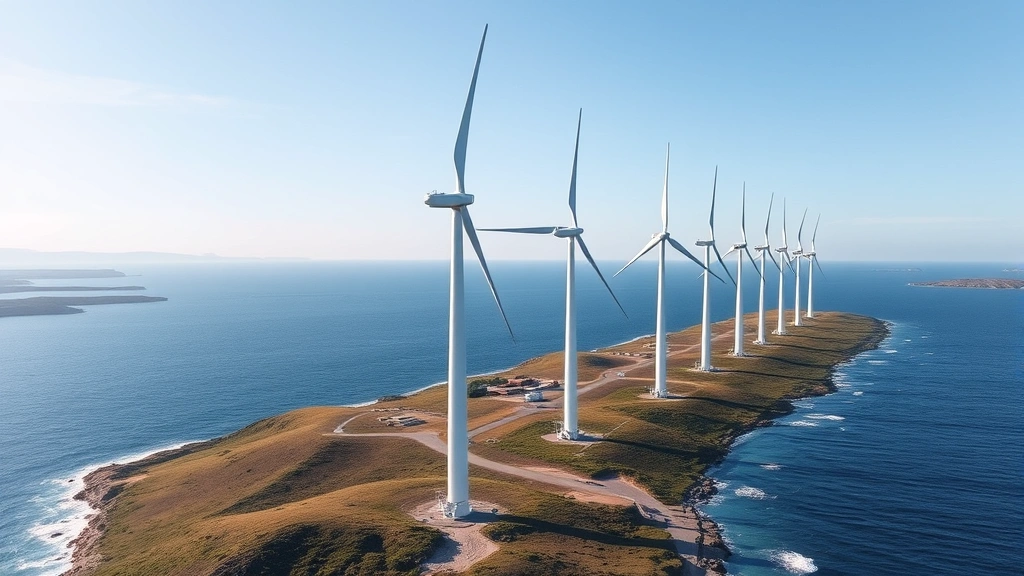
The renewable energy sector exemplifies this dynamic. Solar photovoltaic costs declined 89% between 2010 and 2020, primarily driven by policy support creating stable demand and encouraging manufacturing scale-up. Wind turbine efficiency improvements, battery storage breakthroughs, and grid modernization technologies all accelerated through policy-driven innovation cycles. These technologies subsequently found applications across multiple sectors—automotive, aerospace, consumer electronics—multiplying economic benefits far beyond energy.
Environmental regulations similarly accelerated development of circular economy technologies—materials recycling, industrial symbiosis, and waste-to-resource conversion systems. Companies developing advanced recycling technologies, biodegradable materials, or industrial process improvements create intellectual property assets generating long-term competitive advantages and export opportunities.
The innovation stimulus extends to services and business models. Environmental constraints spurred development of the sharing economy, product-as-service business models, and digital optimization platforms that improve resource utilization. These innovations generate economic value while reducing environmental impact, demonstrating that environmental and economic objectives increasingly align.
Understanding human environment interaction at systemic levels reveals how technological innovation addressing ecological challenges creates broader economic opportunities. The same engineers developing carbon capture technologies might apply their expertise to industrial processes, resource recovery, or materials science.
International Evidence and Case Studies
Global case studies consistently demonstrate that environmental leadership generates economic advantages. Denmark, Germany, Costa Rica, and other nations pioneering environmental policies have achieved both ecological and economic success simultaneously.
Denmark’s renewable energy transition provides compelling evidence. The nation committed to wind energy development during the 1980s when critics predicted economic disaster. Instead, Denmark developed the world’s leading wind turbine manufacturing industry, creating thousands of high-value jobs and generating export revenues exceeding billions annually. Today, Denmark operates as a renewable energy technology leader and exporter, demonstrating how environmental commitment translates to competitive advantage.
Germany’s Energiewende (energy transition) similarly illustrates economic benefits of environmental commitment. Despite predictions of economic collapse, Germany maintained industrial competitiveness while dramatically increasing renewable electricity generation. The transition created hundreds of thousands of jobs in renewable manufacturing, installation, and infrastructure development. German companies now dominate global markets for solar panels, wind turbines, and energy storage systems.
Costa Rica provides a developing-nation example of environmental-economic synergy. The nation committed to reforestation and renewable energy development despite being a developing economy. This commitment attracted sustainable tourism investments, enhanced agricultural productivity through ecosystem services, and positioned Costa Rica as a leader in ecological economics. The nation now generates over 99% of electricity from renewable sources while maintaining robust economic growth and becoming a premier eco-tourism destination.
China’s renewable energy investments, despite broader environmental challenges, demonstrate massive economic potential in clean technology sectors. China now leads global manufacturing of solar panels, wind turbines, and batteries—industries generating millions of jobs and positioning the nation as a clean technology superpower. These investments represent strategic economic positioning beyond environmental benefits.
Research from ecological economics journals, available through UNEP (United Nations Environment Programme), documents how environmental investments consistently outperform fossil fuel alternatives over multi-decade timeframes when accounting for health costs, climate damages, and ecosystem service losses.
Cost of Inaction and Climate Economics
Perhaps most compellingly, economic analyses demonstrate that failing to implement environmental policies generates catastrophic economic costs far exceeding investment requirements. The economics of climate change, pollution, and resource depletion reveal environmental protection as fiscally essential.
Climate change alone imposes escalating economic damages—extreme weather events, agricultural disruptions, infrastructure damage, and health impacts. The World Bank estimates unmitigated climate change could reduce global GDP by 10% or more by 2100. Insurance markets, real estate valuations, and infrastructure investments increasingly reflect climate risk, meaning inaction generates immediate economic consequences through capital misallocation and risk premiums.
Air pollution costs economies trillions annually through health expenditures, lost productivity, and premature mortality. The World Health Organization estimates air pollution causes 7 million premature deaths yearly, with associated economic costs in developed nations representing 2-3% of GDP. Environmental policies reducing pollution generate immediate health cost savings exceeding implementation expenses.
Water depletion, soil degradation, and fishery collapse impose economic costs through agricultural productivity loss, food price volatility, and resource conflicts. These externalized costs eventually manifest as economic disruptions—supply chain failures, price shocks, and geopolitical instability. Environmental investments preventing resource degradation represent economic insurance policies with exceptionally high returns.
The concept of impacts humans have had on the environment encompasses economic damage cascading through interconnected systems. Ecosystem collapse in one region generates economic ripples globally through trade disruptions, commodity price volatility, and migration pressures. Environmental policies preventing degradation provide economic stability and resilience.
Policy Mechanisms Driving Economic Growth
Specific policy instruments demonstrate measurable economic effectiveness while achieving environmental objectives. Understanding these mechanisms reveals why well-designed environmental policies consistently generate economic benefits.
Carbon pricing mechanisms—either carbon taxes or cap-and-trade systems—internalize climate costs while creating incentives for emission reduction innovation. Revenue generated through carbon pricing funds infrastructure investment, tax reduction, or direct support for affected workers. Studies indicate well-designed carbon pricing generates net economic benefits within 10-15 years through efficiency gains and innovation acceleration.
Renewable energy standards establish market certainty encouraging massive capital deployment toward clean energy infrastructure. The resulting manufacturing scale-up, technological improvement, and cost reduction creates durable competitive advantages. Renewable energy jobs demonstrate remarkable wage stability and growth potential compared to declining fossil fuel sectors.
Energy efficiency regulations mandate performance standards for appliances, buildings, and vehicles, driving innovation that reduces operational costs for consumers and businesses. An energy-efficient refrigerator costs slightly more initially but saves significantly on electricity over its lifetime. Multiplied across millions of appliances and buildings, efficiency improvements generate macroeconomic savings exceeding regulatory compliance costs.
Circular economy policies requiring product recycling or limiting landfill disposal create markets for recovered materials, remanufactured products, and waste-derived energy. These policies transform waste from disposal costs into revenue opportunities, improving business profitability while reducing environmental impact.
Green infrastructure investment in renewable energy, public transportation, and ecosystem restoration generates immediate employment while creating productive assets providing decades of economic benefits. Green infrastructure projects typically demonstrate superior returns on investment compared to conventional infrastructure when accounting for environmental and health co-benefits.
Examining renewable energy for homes implementation reveals how individual-level adoption, driven by policy incentives, scales into macroeconomic transformation. Rooftop solar subsidies, net metering policies, and tax credits accelerate adoption while creating distributed manufacturing and installation jobs.
Sectoral Transformations and Opportunities
Environmental policies catalyze comprehensive sectoral transformations creating new economic opportunities while disrupting existing structures. Understanding these shifts reveals where economic growth emerges as environmental objectives drive business model innovation.
Transportation electrification represents a multi-trillion-dollar sectoral transformation. Electric vehicle adoption, driven by emissions regulations and incentive policies, redirects automotive manufacturing toward battery production, electric drivetrains, and intelligent transportation systems. This transition creates opportunities for new manufacturers, component suppliers, charging infrastructure developers, and software companies managing vehicle-grid integration.
Building retrofit markets offer substantial economic opportunities as policies establish efficiency standards or carbon reduction targets. Retrofitting existing buildings—improving insulation, upgrading heating systems, installing renewable energy—requires skilled labor, materials, and engineering services. This work creates geographically distributed employment while improving asset values and reducing operational costs.
Sustainable agriculture represents an emerging high-value sector as policies support regenerative practices, organic certification, and agroforestry. These practices improve soil health, enhance biodiversity, and create premium market opportunities while reducing input costs and climate vulnerability.
Circular economy services—product repair, remanufacturing, materials recovery, and waste processing—create employment-intensive industries requiring local presence and skilled workers. These services generate economic value from materials previously discarded, improving profitability while reducing environmental impact.
Environmental consulting and green finance represent rapidly growing sectors as organizations navigate environmental compliance, climate risk assessment, and sustainable investment strategies. These knowledge-intensive services employ highly educated workers while commanding premium compensation.
Exploring sustainable fashion brands development illustrates how environmental commitments drive innovation, brand differentiation, and premium market positioning. Companies embracing sustainability create competitive advantages through customer loyalty, supply chain efficiency, and operational cost reduction.
Return to Blog Home to explore additional environmental economics analysis and policy implications.
FAQ
Do environmental policies actually help the economy grow?
Yes. Comprehensive research demonstrates that well-designed environmental policies generate net economic benefits through innovation acceleration, job creation, efficiency improvements, and avoided climate damages. Countries implementing strong environmental standards consistently outperform those with lax regulations over multi-decade timeframes. The initial perception of environmental regulation as economically burdensome contradicts empirical evidence showing that environmental investment generates superior long-term returns compared to continued environmental degradation.
How many jobs does the green economy create?
The renewable energy sector alone employs millions globally, with employment growth rates 5-10 times faster than fossil fuel industries. When including energy efficiency, sustainable agriculture, environmental remediation, and green construction, the green economy already employs tens of millions worldwide. Job creation accelerates as policies transition toward 100% renewable energy and circular economy models, with projections indicating hundreds of millions of green jobs possible by 2050.
What is the economic cost of climate inaction?
Unmitigated climate change could reduce global GDP by 10% or more by 2100, with damages accelerating exponentially. Current annual costs from climate-related disasters, health impacts, and resource degradation exceed trillions of dollars globally. Environmental investment costs—typically 1-3% of GDP annually—represent minor expenses compared to climate damage costs, making environmental policy economically rational from purely financial perspectives.
Which environmental policies generate the strongest economic returns?
Carbon pricing mechanisms, renewable energy standards, energy efficiency regulations, and green infrastructure investment consistently demonstrate superior economic returns. These policies create clear market incentives for innovation, establish long-term investment certainty, and generate co-benefits including health improvement, job creation, and energy security. Policies combining regulatory standards with economic incentives typically outperform single-instrument approaches.
How do environmental policies affect international competitiveness?
Nations pioneering environmental technologies and policies gain competitive advantages in rapidly growing global markets. Denmark, Germany, and China dominate renewable energy technology manufacturing through early environmental policy adoption. Environmental leadership attracts sustainable investment, enables premium market positioning, and creates intellectual property advantages. Conversely, nations delaying environmental transition risk economic obsolescence as global markets shift toward sustainable products and services.
Can developing nations afford environmental policies?
Environmental policies enable developing nations to leapfrog obsolete fossil fuel infrastructure, avoiding expensive lock-in to stranded assets. Renewable energy increasingly costs less than fossil fuels, making environmental transition economically advantageous. Green infrastructure creates employment-intensive opportunities suited to developing economies, while avoiding pollution health costs preserves human capital and productivity. Environmental investment represents development strategy, not economic burden for developing nations.