Table of Contents
Introduction
Picture this: your next energy bill arrives, and instead of that familiar sinking feeling, you actually smile. Sounds too good to be true? It’s not. Saving energy at home isn’t just about being eco-friendly anymore (though that’s a pretty great bonus). It’s about taking control of those monthly bills that seem to climb higher every year.
Here’s something that might surprise you—your home is probably wasting energy in ways you’ve never even considered. We’re talking about real money slipping through the cracks, literally and figuratively. But here’s the good news: once you know where to look, fixing these issues is often easier than you’d think.
Let’s talk numbers for a second. Residential energy use? It’s a massive chunk of global greenhouse gas emissions. That means every small change you make actually matters. Take something as simple as building a rain garden in your yard. Sure, it looks beautiful and helps with water management, but it’s also quietly reducing the energy your local water treatment plant needs to process runoff. Pretty clever, right?
And speaking of clever—when was the last time you thought about your glass bottles? I know, sounds random, but stay with me. Recycling those glass bottles properly uses about 40% less energy than making new ones from scratch. That’s the kind of easy win we’re talking about here.
Now, if you really want to amplify your impact, consider rallying your neighbors. Starting a community garden might sound like a big project (and okay, it kind of is), but think about it—local food means less transportation, less packaging, and stronger neighborhood connections. Plus, there’s something pretty satisfying about eating tomatoes you helped grow instead of ones that traveled 1,500 miles to reach your plate.
But let’s get back to your house specifically. Those windows you’ve been meaning to replace? They’re probably costing you more than you realize. Energy-efficient windows can slash your heating and cooling costs while making your home more comfortable year-round. And if you’re feeling ambitious, look into sustainable growing techniques for your yard—they’re not just good for your plants, they actually help sequester carbon in your soil.
What You’ll Learn in This Guide
Alright, let’s cut to the chase. This guide isn’t going to overwhelm you with theory or make you feel guilty about your current energy use. Instead, we’re going to walk through practical strategies that actually work—the kind you can start implementing this weekend.
- Understanding Energy Consumption: We’ll show you exactly where your energy dollars are going and how to spot the biggest opportunities for savings. No complicated calculations required—just straightforward tips you can use right away.
- Energy-Efficient Appliances and Lighting: Learn which upgrades give you the biggest bang for your buck and how to make smart choices that pay for themselves over time.
- Home Insulation and Weatherproofing: Discover the simple fixes that can dramatically improve your home’s efficiency, from the obvious (like sealing air leaks) to the surprisingly effective tricks most people miss.
- Smart Home Technologies and Behavioral Changes: Find out which high-tech solutions are worth the investment and which low-tech habits can save you just as much money.
Each section breaks things down into manageable steps with real examples from actual homeowners who’ve been where you are now. Whether you’re motivated by saving money, helping the environment, or just wanting a more comfortable home, we’ve got strategies that fit your goals and budget.
Coming up, we’ll start by figuring out where your energy is actually going—and trust me, some of the answers will surprise you. Then we’ll dive into the tools and technologies that can help, along with the simple maintenance tricks that keep everything running efficiently. We’ll also cover insulation and weatherproofing strategies that make a real difference without breaking the bank.
But here’s what I’m most excited to share: the behavioral changes that cost absolutely nothing but can cut your energy use significantly. Plus, we’ll explore how projects like reducing greenhouse gas emissions at the community level can amplify what you’re doing at home.
Ready to turn your home into an energy-saving machine? Let’s jump in and start making changes that will have you looking forward to opening those utility bills instead of dreading them.
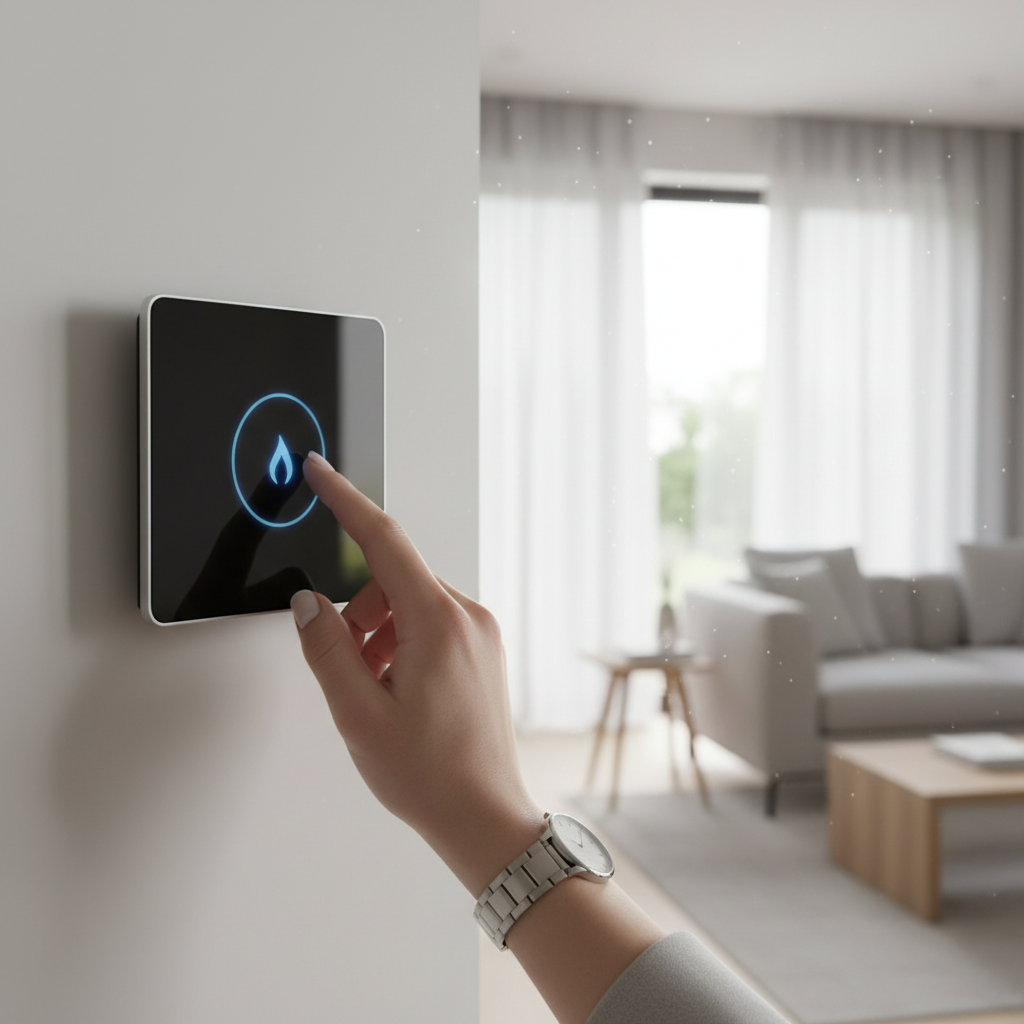
Want to slash your energy bills and help the planet at the same time? Understanding how your home actually uses energy is your first step toward real savings. Once you know which areas are energy hogs and can decode those confusing utility bills, you’ll spot opportunities everywhere. We’re going to walk through exactly how energy gets used in different parts of your home—and why getting a handle on it matters more than you might think. Trust me, the changes you make won’t just shrink your monthly bills; they’ll make a genuine difference for the environment too.
Understanding Energy Consumption at Home
Here’s the thing about home energy use—it’s all over the map depending on your house size, layout, and what systems you’ve got running. But there are four big players that typically eat up most of your energy: heating and cooling, lighting, all those electronics and appliances, and water heating. Each one has its own personality when it comes to energy demand.
Getting smart about where your energy actually goes? That’s where you want to focus first. And here’s something most people don’t realize—learning to read your energy bill is like getting a window into your home’s energy soul. It shows you usage patterns, when you’re hitting peak consumption, and (this is the good part) where you’re wasting money.
Now, let’s talk about the elephant in the room: your heating and cooling system. This bad boy often gobbles up the biggest chunk of your energy use, especially if you live somewhere with brutal summers or freezing winters. Regular maintenance and upgrading to efficient models can save you serious cash. But don’t sleep on lighting either—switching to LEDs and adding smart controls can make a surprisingly big dent in your bills.
Then there’s the sneaky stuff. Ever heard of “phantom load”? That’s when your electronics suck power even when they’re supposedly “off.” Your TV, computer, coffee maker—they’re all quietly draining energy 24/7. Unplugging unused devices and choosing energy-smart appliances helps stop this silent money leak. And water heating? Yeah, that’s often more expensive than people expect. But there are ways to tackle that too—think tankless systems or even solar water heaters.
If you’re looking to expand your energy-saving mindset beyond your four walls, checking out sustainable outdoor practices can complement everything you’re doing inside your home.
Common Energy-Consuming Areas
Let’s break down the main energy-hungry spots in your home. Knowing what each one does helps you make smarter choices:
- Heating and Cooling Systems: These keep you comfortable, but they can be energy monsters. The secret? Efficient models and keeping those ducts and filters in good shape to avoid waste.
- Lighting: Those old incandescent bulbs are energy vampires compared to LEDs. Upgrade your fixtures and throw in some timers or motion sensors—your wallet will thank you.
- Electronics and Appliances: Look for that ENERGY STAR certification when you’re shopping. It’s like a guarantee of lower electricity use. And seriously, unplug stuff or use smart power strips to kill that standby power drain.
- Water Heating: This one can really surprise you on your bill. Efficient water heaters, tank insulation, and just being mindful about hot water use makes a real difference.
Here’s where it gets interesting—once you master reading your energy bill, you become a bit of a detective. You’ll see exactly when you’re using the most energy, and that’s gold for figuring out when to shift your usage to save money. Monthly tracking also shows you if your changes are actually working or if you need to try something else.
Sure, this might sound a little technical at first, but there are tons of tools and guides out there that make energy bill analysis way easier than it used to be. Pretty much any homeowner can figure this out.
With this foundation under your belt—knowing where energy goes and how to read your data—you’re ready to dive into practical solutions. Up next, we’re talking energy-efficient appliances and lighting that actually deliver on their promises.
Energy-Efficient Appliances and Lighting
Alright, let’s get into the fun stuff—the gear that actually cuts your energy use without making you sacrifice comfort. Energy-efficient appliances and lighting aren’t just trendy; they’re probably the most straightforward way to slash your household energy consumption.
When you see that Energy Star label? That’s not just marketing fluff. These appliances have to meet tough efficiency standards, which means they use way less electricity or gas than regular models. Translation: lower monthly bills and a smaller environmental footprint. We’re talking refrigerators, washers, dryers, heating and cooling equipment—the works.
And here’s the kicker—many of these upgrades come with rebates or incentives that help offset the upfront costs. So you’re not just saving money long-term; you might catch a break on the purchase price too.
Now, lighting upgrades are where you can see results fast. Switching to LED bulbs? You’ll use up to 75% less energy than those old incandescent bulbs, and they last forever (okay, not literally forever, but much longer). Add smart lighting controls like dimmers, timers, and motion sensors, and you’re looking at convenience plus serious savings. Lights only come on when you need them.
If you’re thinking bigger picture about sustainable living, you might want to explore community efforts like starting a community garden. It’s another way to make an environmental impact that goes hand-in-hand with your home energy conservation.
Key Aspects of Energy-Efficient Appliances and Lighting
Here’s what you need to know when you’re ready to upgrade your home’s energy game:
- Benefits of Energy Star Certified Products: These aren’t just efficient—they maintain performance while cutting energy and water use. You get the same results with lower bills and less environmental impact.
- Types of Appliances to Prioritize: Go after the heavy hitters first: refrigerators, dishwashers, and HVAC units. These are your biggest energy users, so they give you the most bang for your buck.
- Switching to LED Bulbs: LEDs are game-changers. They last longer, use less power, run cooler, and come in every style you can imagine. Plus, they pay for themselves pretty quickly.
- Using Smart Lighting Controls: Automated controls are like having a really smart assistant managing your lights. They adjust based on whether anyone’s home and how much natural light you have. Remote control is just a nice bonus.
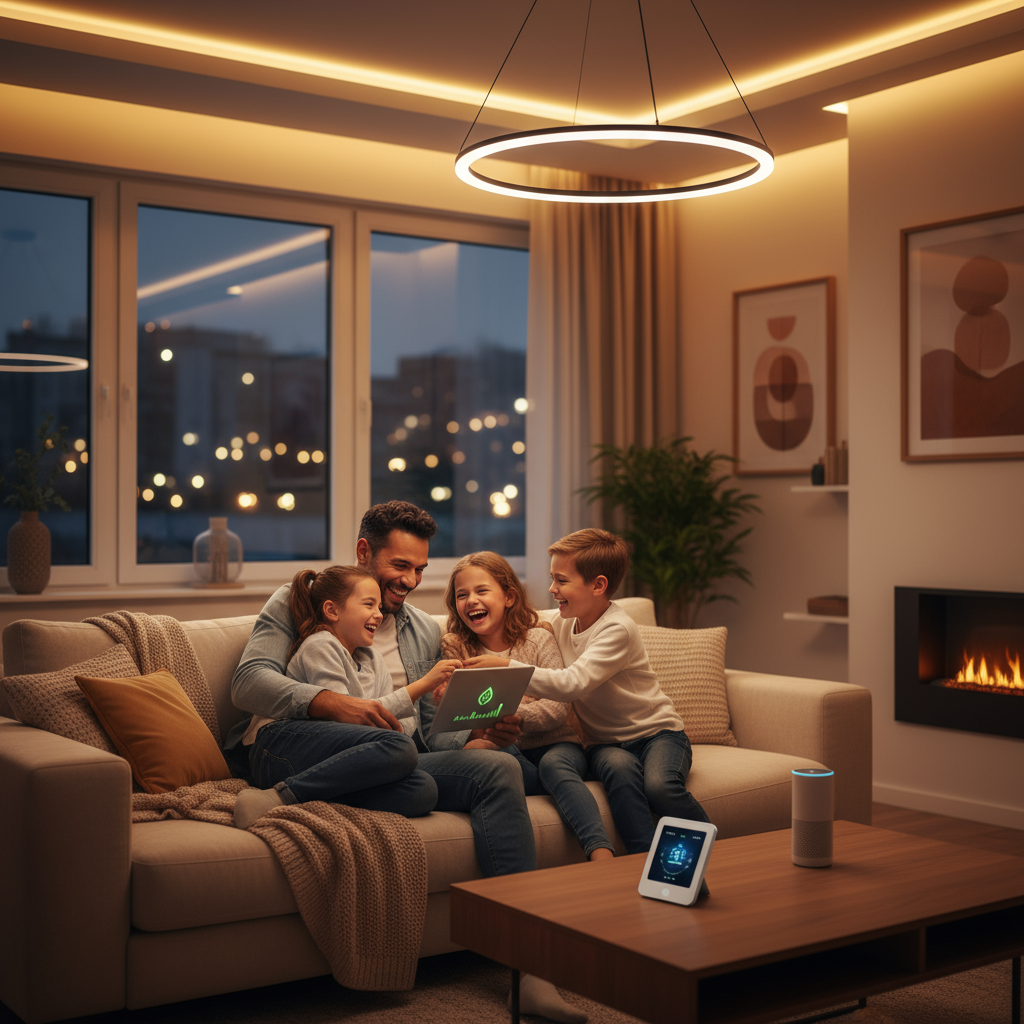
Want to know where your money goes every month? Take a look at your energy bill. Your heating and cooling systems are probably the biggest culprits, along with lighting, appliances, and water heating. The good news? These are exactly the areas where you can make the biggest dent in your costs. Swapping out old appliances for Energy Star models and ditching those ancient incandescent bulbs for LEDs isn’t just smart for your wallet—it’s like giving the planet a little high-five too.
But here’s something most people overlook: your home itself might be working against you. Think of poor insulation like wearing a winter coat with holes in it—you’re just throwing money out the window (sometimes literally). Sealing up air leaks around windows and doors, beefing up your attic insulation, and adding some weatherstripping are weekend projects that keep paying you back. Your HVAC system won’t have to work overtime, and you’ll actually feel more comfortable year-round.
Now, let’s talk about the cool stuff—smart home technology. Smart thermostats are like having a personal assistant for your energy use, learning your habits and adjusting temperatures automatically. No more heating an empty house or coming home to a freezer. Energy monitoring systems? They’re like fitness trackers for your home, showing you exactly where every watt goes. Pair these with simple habits (yes, actually turning off lights when you leave a room) and you’ll be amazed at what adds up.
Ready to get started? First, take a good look around your place and spot the energy hogs. Upgrading to energy-efficient lighting and appliances gives you the biggest bang for your buck over time. Don’t skip the boring stuff like insulation and weatherproofing—they’re the unsung heroes of energy savings. Smart thermostats and monitoring systems add that extra layer of control that makes everything easier. And if you’re feeling ambitious, why not think bigger? Starting a community garden can spread the sustainability love beyond your own four walls. Even incorporating sustainable agriculture techniques in your yard complements all the great work you’re doing indoors.
Here’s the thing—this isn’t just about cutting costs (though who doesn’t love that?). It’s about taking control and knowing you’re doing something good for the planet. Every change you make ripples outward, inspiring others and creating a better future. Want to dive deeper into green living? Check out our guide on reducing greenhouse gas emissions for more ways to make a difference. Remember, small steps today mean big wins tomorrow—for your bank account and for generations to come.
Frequently Asked Questions
-
What is the easiest way to start saving energy at home?
- Begin with simple behaviors like turning off unused lights and appliances.
-
Are energy-efficient appliances worth the investment?
- Yes, they reduce long-term energy costs and often qualify for rebates.
-
How often should I perform an energy audit?
- It is recommended to do an energy audit every few years or before major renovations.
-
Can smart home technology really reduce energy bills?
- Yes, by optimizing energy consumption and identifying waste, smart technology can lower bills.
-
What are the best insulation improvements for older homes?
- Adding attic and wall insulation along with sealing gaps is most effective.