Tech’s Environmental Impact: Current Insights
Technology has become the defining force shaping our relationship with the natural world. From renewable energy systems to artificial intelligence-driven conservation, technological innovations offer pathways toward sustainability. Yet simultaneously, the production, consumption, and disposal of technological devices impose unprecedented environmental burdens on ecosystems globally. Understanding this paradox requires examining both the transformative potential and the hidden costs embedded in our digital infrastructure, supply chains, and consumption patterns.
The environmental impact of technology today is multifaceted and complex. While digital solutions enable efficiency gains that reduce carbon emissions across sectors, the underlying infrastructure supporting these technologies—data centers, mining operations, manufacturing facilities—consumes vast quantities of energy and natural resources. This article explores the current landscape of technology’s environmental footprint, examining critical areas where technological advancement intersects with ecological health, resource depletion, and climate change.
The Digital Carbon Footprint
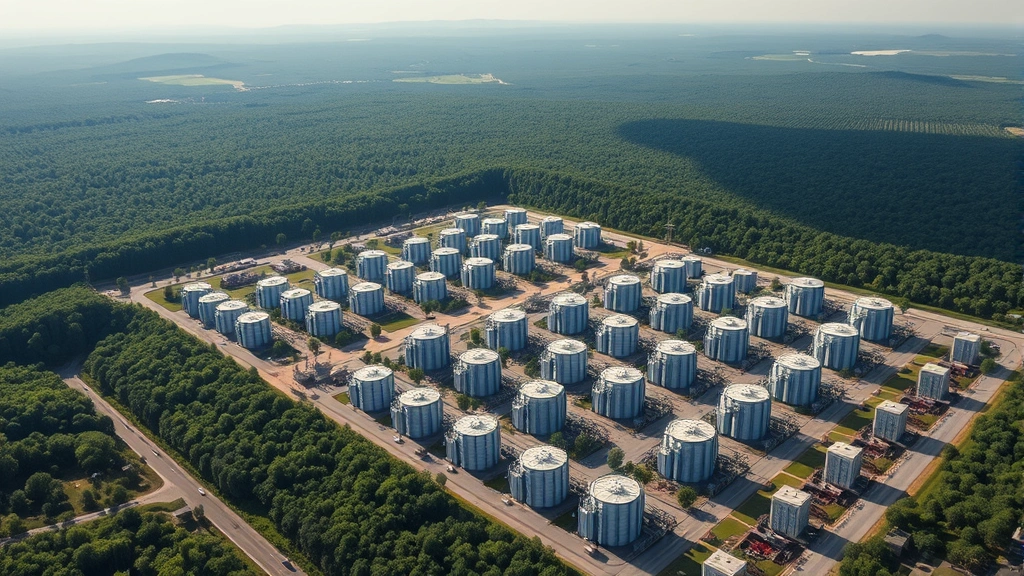
The information and communication technology sector accounts for approximately 2-3% of global greenhouse gas emissions, a figure comparable to aviation industry emissions. Data centers alone consume roughly 1% of worldwide electricity, a proportion that continues rising as cloud computing, streaming services, and artificial intelligence applications expand exponentially. Each search query, video stream, and cloud backup requires energy—predominantly sourced from fossil fuels in many regions, though this proportion is gradually shifting toward renewables.
The carbon intensity of digital infrastructure varies significantly by geography. Data centers located in regions with abundant hydroelectric or wind power generate substantially lower emissions per unit of computation than those relying on coal-fired electricity. Major technology companies have committed to carbon neutrality targets, with some achieving impressive renewable energy procurement rates. However, embodied carbon—the emissions generated during manufacturing and transportation of hardware—represents a substantial and often overlooked component of technology’s climate impact. A single smartphone requires significant energy to produce, accounting for 80-90% of its lifecycle emissions before it ever reaches a consumer’s hands.
The relationship between human-environment interaction examples and technology reveals how our digital choices cascade through environmental systems. Streaming video content consumes approximately 300 times more energy than reading text, yet consumers rarely consider this hidden cost. As artificial intelligence systems become increasingly sophisticated, their computational requirements expand dramatically, with some large language models requiring millions of kilowatt-hours to train.
Mining and Resource Extraction
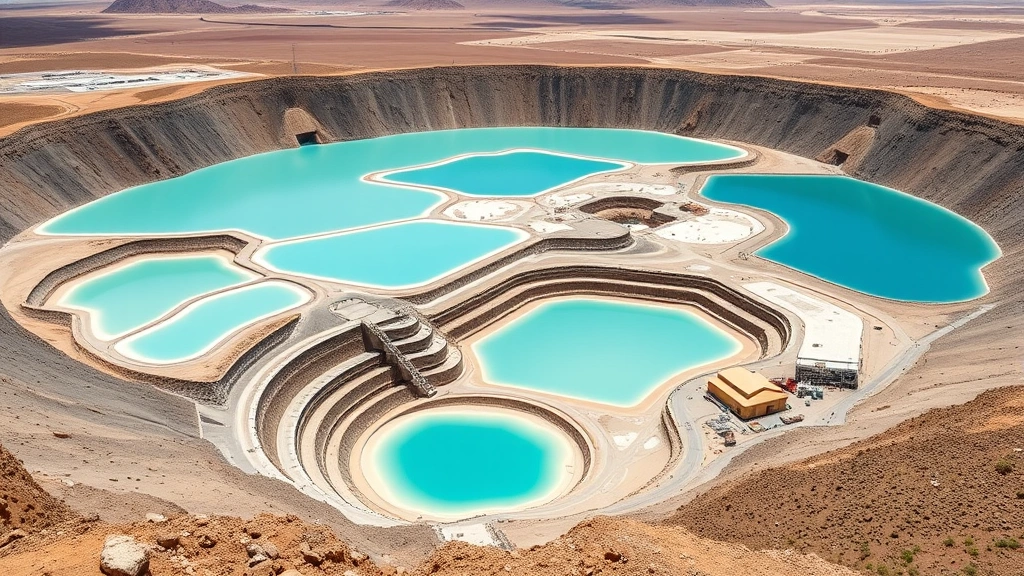
Technological devices depend on finite mineral resources extracted from increasingly remote and ecologically sensitive locations. Lithium mining for battery production, cobalt extraction in the Democratic Republic of Congo, and rare earth element processing in China represent critical supply chain vulnerabilities with severe environmental consequences. Mining operations generate acid mine drainage, habitat destruction, water contamination, and soil degradation affecting indigenous communities and wildlife populations.
The demand for battery metals has intensified dramatically as electric vehicles and renewable energy storage systems proliferate. Lithium extraction consumes approximately 65% of the water used in the Atacama Desert, exacerbating water scarcity in already arid regions. Cobalt mining operations have been linked to human rights violations and environmental contamination affecting local water supplies and agricultural productivity. Rare earth element processing generates radioactive waste and toxic byproducts requiring careful management across decades.
Understanding types of environment affected by resource extraction is essential for comprehending technology’s full environmental cost. Terrestrial, aquatic, and atmospheric environments all experience degradation from mining activities. The World Bank estimates that mining accounts for significant portions of deforestation in tropical regions, destroying critical carbon sinks and biodiversity hotspots. Copper mining, essential for electrical infrastructure and renewable energy systems, generates enormous volumes of waste rock and tailings containing heavy metals that persist in ecosystems for centuries.
Technological innovation in extraction methods offers some mitigation potential. Improved mining efficiency, water recycling systems, and habitat restoration programs represent progress toward reducing environmental impact. However, these advances often prove insufficient to offset increased demand from expanding technological adoption globally.
E-Waste and Circular Economy Challenges
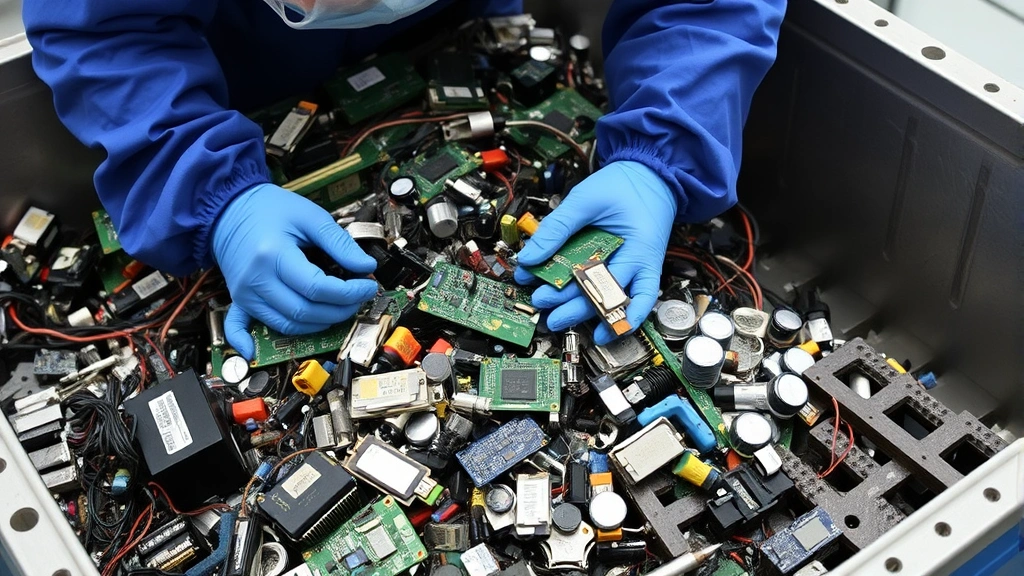
Electronic waste represents one of the fastest-growing waste streams globally, with approximately 60 million tonnes generated annually. Smartphones, computers, and consumer electronics contain valuable materials—copper, gold, silver, rare earths—alongside toxic substances including lead, mercury, and cadmium. Improper disposal contaminates soil and water, affecting human health and ecosystem integrity in developing nations where much e-waste is informally recycled.
The linear consumption model dominating technology industries—design for obsolescence, rapid upgrade cycles, planned replacements—fundamentally conflicts with positive impacts on the environment by humans. Devices designed with integrated batteries and non-repairable components generate waste prematurely, while software updates deliberately slow older devices, encouraging replacement. Right-to-repair movements challenge this paradigm, advocating for modular design, component longevity, and extended manufacturer responsibility.
Circular economy principles offer alternative frameworks where materials cycle continuously rather than following linear extraction-production-disposal pathways. Extended producer responsibility schemes, deposit return systems, and design-for-disassembly approaches reduce environmental burden. However, implementing circular systems requires substantial infrastructure investment, regulatory frameworks, and consumer behavior shifts. Currently, less than 20% of electronic waste is formally recycled, with recovery rates for valuable materials ranging from 30-50% depending on processing sophistication.
The environmental economics of e-waste management demonstrate that prevention costs far less than remediation. UNEP research indicates that improving collection and recycling infrastructure in developing nations could recover materials worth billions annually while preventing toxic contamination. Yet investment in these systems remains inadequate relative to the scale of electronic waste generation.
Water Consumption and Pollution
Technology’s water footprint extends far beyond direct consumption by data centers and manufacturing facilities. Semiconductor production requires ultrapure water for cooling and processing, with fabrication plants consuming millions of gallons daily. In water-scarce regions, this extraction competes directly with agricultural irrigation and drinking water supplies, raising critical questions about resource allocation and environmental justice.
Manufacturing processes release chemical pollutants into aquatic ecosystems, including perfluorinated compounds used in semiconductor production that persist indefinitely in the environment. These forever chemicals accumulate in organisms and have been detected in drinking water supplies globally. The production of printed circuit boards, touchscreens, and batteries involves chemical baths and cleaning processes generating hazardous wastewater requiring sophisticated treatment.
Thermal pollution from data centers cooling systems alters aquatic ecosystem conditions, affecting fish populations and aquatic plant communities. Some data centers located near rivers and lakes discharge heated water, raising local water temperatures above tolerance thresholds for temperature-sensitive species. These thermal impacts cascade through food webs, affecting reproduction, migration, and survival of aquatic organisms.
Understanding environment and society relationships reveals how technology-driven water pollution disproportionately affects vulnerable populations lacking access to alternative water sources. Communities downstream from manufacturing facilities and data centers experience reduced water quality and quantity, affecting health outcomes and economic productivity.
Renewable Energy and Tech Solutions
Technology simultaneously contributes to environmental degradation and enables climate solutions. Renewable energy systems—solar panels, wind turbines, smart grids—depend on technological innovation for deployment at scale necessary to decarbonize energy systems. Solar panel manufacturing has improved dramatically, with modern panels generating energy equivalent to their production costs within 2-4 years, contrasting sharply with earlier generations requiring 7-10 years.
Smart grid technologies optimize electricity distribution, reducing transmission losses and enabling integration of variable renewable sources. Internet of Things sensors monitor environmental conditions, water usage, and energy consumption, providing data for efficiency improvements. Precision agriculture technologies reduce fertilizer and water inputs while improving crop yields, addressing food security and environmental sustainability simultaneously.
Artificial intelligence applications show promise for climate modeling, materials discovery, and optimization of complex systems. Machine learning algorithms identify patterns in environmental data that human analysts might miss, accelerating discovery of solutions to ecological challenges. However, realizing these benefits requires deliberate investment in green technology development and deployment, rather than assuming technological advancement automatically produces environmental benefits.
The transition toward sustainable technology depends on definition of environment science principles integrated into product development and policy frameworks. Life cycle assessment methodologies evaluate total environmental impact across production, use, and disposal phases, enabling informed decisions about technology adoption. Cradle-to-cradle design approaches minimize environmental burden through material selection, durability, and end-of-life recovery planning.
Supply Chain Environmental Costs
Technology supply chains span continents, involving extraction, processing, manufacturing, assembly, transportation, and distribution activities distributed across numerous countries with varying environmental regulations. This geographic fragmentation obscures total environmental costs, with companies often unaware of impacts generated by distant suppliers. Transparency initiatives and supply chain auditing programs attempt to address this information asymmetry, yet enforcement remains inconsistent.
Labor practices and environmental standards in manufacturing countries significantly influence environmental outcomes. Nations competing for manufacturing investment sometimes offer lenient environmental regulations, attracting polluting industries. Workers in these facilities face occupational hazards from chemical exposures, while communities experience air and water contamination affecting health across generations. The environmental justice dimension of technology supply chains reveals how wealth concentration in developed nations enables externalization of environmental costs to developing regions.
Transportation generates substantial emissions, particularly for air freight used for time-sensitive components and finished products. Optimizing supply chains to reduce transportation distance and consolidate shipments offers emission reduction opportunities. However, just-in-time manufacturing systems prioritizing speed over efficiency often necessitate air freight, increasing carbon intensity relative to slower but more consolidated shipping methods.
Regulatory frameworks increasingly require supply chain transparency and environmental accountability. The European Union’s Digital Product Passport initiative mandates disclosure of material composition, repairability information, and environmental impact data, enabling consumers and businesses to make informed purchasing decisions. Similar regulations proposed or implemented in other jurisdictions aim to shift market incentives toward sustainable design and production practices.
The economic analysis of technology’s environmental costs reveals substantial externalities—environmental damages not reflected in market prices. Ecological economics frameworks value ecosystem services lost through technology production and use, quantifying costs of carbon emissions, water depletion, habitat destruction, and pollution. When externalities are internalized through carbon pricing, resource taxes, or extended producer responsibility fees, sustainable technology alternatives often prove economically competitive with conventional options.
FAQ
What percentage of global emissions comes from technology and data centers?
Information and communication technology accounts for 2-3% of global greenhouse gas emissions, with data centers consuming approximately 1% of worldwide electricity. This proportion continues increasing as cloud computing, artificial intelligence, and streaming services expand globally.
How much e-waste is generated annually worldwide?
Approximately 60 million tonnes of electronic waste is generated globally each year. Less than 20% is formally recycled, with most ending up in landfills or informal recycling operations that expose workers and communities to toxic substances.
Which minerals are most critical for technology production?
Lithium, cobalt, copper, rare earth elements, and nickel are essential for batteries, semiconductors, and electronics. Mining these materials generates significant environmental impacts including habitat destruction, water contamination, and greenhouse gas emissions.
Can technology help solve environmental problems?
Yes, renewable energy systems, smart grids, precision agriculture, and environmental monitoring technologies enable climate solutions and resource efficiency improvements. However, realizing these benefits requires deliberate sustainable design, manufacturing practices, and policy frameworks supporting green technology deployment.
What are circular economy solutions for technology?
Circular economy approaches include right-to-repair movements, modular product design, extended producer responsibility, formal e-waste recycling infrastructure, material recovery systems, and remanufacturing of components. These reduce environmental burden by extending product lifespans and recovering valuable materials.
How does technology affect water resources?
Technology manufacturing and data center operations consume significant water quantities for cooling and processing. Chemical pollutants from manufacturing contaminate aquatic ecosystems, while thermal pollution from data centers alters water temperatures affecting aquatic life.


