
Depositional Environments: Key to Economic Resources
Depositional environments represent the physical, chemical, and biological conditions under which sediments accumulate in specific geographic locations. These environments shape the distribution and quality of Earth’s most valuable economic resources, from fossil fuels to metal ores to freshwater aquifers. Understanding depositional environments is fundamental to economic geology, resource exploration, and sustainable development strategies that balance extraction with environmental stewardship.
The economic significance of depositional environments extends far beyond simple resource location. The sedimentary sequences formed in ancient depositional settings contain the geological record of Earth’s climate, sea level changes, and biological evolution. This information directly influences investment decisions worth trillions of dollars in the energy sector, mining operations, and agricultural productivity. As global demand for minerals, energy, and water intensifies, the ability to interpret depositional environments becomes increasingly critical for economic planning and environmental protection.

Understanding Depositional Environments and Their Economic Framework
Depositional environments form the foundation of economic geology because they determine where sediments accumulate and how those sediments transform into economically valuable resources. The concept encompasses fluvial (river), deltaic, marine, lacustrine (lake), and aeolian (wind-blown) systems, each creating distinct sedimentary packages with unique characteristics. The study of these environments integrates principles from geology, hydrology, chemistry, and ecology to explain resource formation and distribution patterns.
The economic value locked within depositional environments is staggering. Approximately 90% of the world’s oil and natural gas reserves occur in marine and deltaic depositional systems. Coal deposits, formed in ancient swamps and deltaic environments, provide roughly 25% of global primary energy. Metal ores including copper, zinc, lead, and gold often concentrate in specific depositional settings through chemical precipitation or mechanical sorting processes. Groundwater aquifers, essential for agriculture and drinking water supplies supporting billions of people, develop preferentially in certain depositional configurations.
From an ecological economics perspective, depositional environments represent natural capital that generates both extractive and non-extractive economic benefits. While mining and hydrocarbon extraction derive direct economic value, depositional systems also provide ecosystem services including water filtration, carbon sequestration, and biodiversity support. The challenge for modern economies involves optimizing the use of these systems while maintaining their long-term productive capacity and ecological integrity.
Major Types of Depositional Environments and Resource Distribution
The classification of depositional environments reflects the energy conditions, water chemistry, and sediment supply characteristics of specific geographic settings. Each environment type produces distinctive sediment textures, mineralogies, and structures that geologists use to interpret ancient depositional conditions and predict resource locations.
Terrestrial depositional environments include fluvial systems (rivers and streams), alluvial fans, deserts, and swamps. These environments typically contain coarser sediments and develop in response to topographic gradients and climate patterns. Economic resources in terrestrial settings include placer deposits of gold and other heavy minerals, coal seams, and certain mineral ores concentrated through weathering and transport processes.
Transitional environments such as deltas, estuaries, and tidal flats represent zones where riverine and marine processes interact. These highly productive systems accumulate sediments rapidly and create ideal conditions for petroleum generation and accumulation. The Mississippi Delta, Nile Delta, and Amazon Delta represent modern examples of deltaic systems that have generated enormous economic value through oil and gas production while simultaneously supporting fisheries and agricultural productivity.
Marine depositional environments encompass shallow shelf settings, deep ocean basins, and submarine canyons. Shallow marine environments, particularly during periods of high sea level, create expansive carbonate platforms and siliciclastic deposits that host major petroleum accumulations. Deep marine settings preserve organic-rich sediments that generate substantial hydrocarbon reserves. Understanding marine types of environments helps explain global resource distribution patterns and guides exploration strategies.
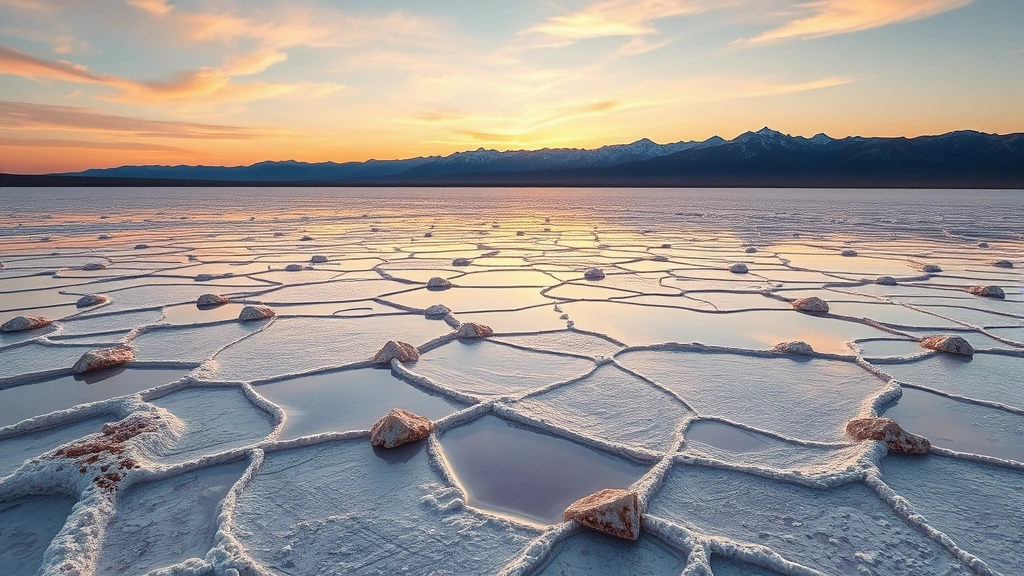
Lacustrine (lake) environments create distinctive depositional patterns influenced by lake chemistry, depth, and climate. Saline lakes accumulate economically important evaporite minerals including halite, potash, and boron compounds. Freshwater lakes develop organic-rich mudstones capable of hydrocarbon generation. Modern examples like the Dead Sea, Great Salt Lake, and East African Rift lakes demonstrate the continued economic significance of lacustrine depositional systems.
Fluvial Systems and Alluvial Resources
Fluvial depositional environments, shaped by flowing water in rivers and streams, create sedimentary sequences with distinctive channel, levee, and floodplain deposits. These systems transport sediment from highlands to lowlands, sorting materials by density and size through mechanical processes. The economic importance of fluvial systems extends from placer mining operations to groundwater resources to agricultural productivity in floodplain zones.
Placer deposits represent the most direct economic product of fluvial systems. Gold, tin, diamonds, and other heavy, durable minerals concentrate in river channels and floodplain deposits where lighter sediments are winnowed away by flowing water. Placer mining has supported human economies for millennia, and modern alluvial gold mining remains economically significant in developing nations. These operations, however, often generate substantial environmental impacts through habitat destruction, water pollution, and mercury contamination.
Fluvial systems also create productive aquifers in alluvial sediments. The porosity and permeability characteristics of channel sands and gravels allow rapid groundwater movement, making these systems ideal for water supply development. Major river valleys including the Ganges, Indus, and Rhine support agricultural economies dependent on alluvial groundwater resources. Climate change and increasing water demand create pressure on these systems, necessitating sophisticated management approaches that balance extraction with ecosystem preservation.
The economic analysis of fluvial systems must account for both direct resource extraction and ecosystem service provision. A comprehensive accounting approach recognizes that maintaining fluvial system integrity—through preserving riparian vegetation, managing sediment transport, and protecting water quality—generates long-term economic benefits exceeding short-term extraction gains. This definition of human environment interaction illustrates how economic activity fundamentally depends on natural system function.
Marine and Deltaic Depositional Settings
Marine and deltaic depositional environments represent Earth’s most economically valuable sedimentary systems, containing the vast majority of global petroleum reserves. These environments combine high sediment accumulation rates with organic-rich sediments, structural complexity, and favorable burial and thermal conditions for hydrocarbon generation and preservation.
Deltaic systems, where rivers meet ocean basins, create complex three-dimensional sedimentary geometries with rapid facies changes. The Mississippi Delta, containing approximately 400 billion barrels of recoverable oil equivalent, exemplifies the economic magnitude of deltaic petroleum systems. The Nile, Amazon, and Southeast Asian deltas similarly host major petroleum provinces. The economic value of deltaic oil and gas production exceeds $500 billion annually, making these systems central to global energy security and economic development.
Beyond petroleum, deltaic and marine environments support other economically valuable resources. Phosphate deposits, essential for fertilizer production supporting global agriculture, concentrate in shallow marine environments through biogenic and chemical processes. Sulfur deposits associated with salt domes in marine sequences provide raw materials for chemical manufacturing. Iron ore deposits in marine iron formations represent major sources of metallurgical-grade iron used in steel production.
The economic analysis of marine and deltaic systems must incorporate climate change considerations. Sea level rise, changing ocean currents, and altered sediment delivery patterns will reshape these depositional environments over coming decades. Petroleum companies and governments increasingly recognize that understanding future depositional changes is essential for long-term investment decisions. This intersection of geology, climate science, and economics represents a frontier of contemporary resource management.
Coastal human environment interaction in deltaic zones generates complex economic and environmental challenges. Approximately 40% of global population lives within 100 kilometers of coastlines, with many major cities situated on deltaic plains. The economic value of deltaic agricultural land, fisheries, and urban infrastructure is extraordinary, yet these same systems face accelerating subsidence, sea level rise, and saltwater intrusion. Sustainable development in deltaic zones requires integrating geological knowledge, hydrological modeling, and economic planning.
Lacustrine Environments and Mineral Accumulation
Lacustrine (lake) depositional environments create distinctive mineral accumulations through chemical precipitation and biological processes. These systems are particularly sensitive to climate variations, which control lake level, water chemistry, and sediment supply. The economic significance of lacustrine deposits lies primarily in evaporite minerals and petroleum source rocks.
Evaporite deposits, including halite (rock salt), sylvite (potassium chloride), and boron minerals, accumulate in restricted lacustrine basins where evaporation exceeds water input. The Dead Sea region, containing the world’s largest potassium chloride reserves, generates annual revenues exceeding $3 billion from potash production. The Great Salt Lake, Searles Lake, and other North American lacustrine evaporite deposits supply essential minerals for chemical manufacturing, agriculture, and industrial processes.
Lacustrine oil shales and organic-rich mudstones represent another economically significant resource category. The Green River Formation in the western United States contains an estimated 1.5 trillion barrels of oil equivalent in shale deposits. While current technology makes large-scale oil shale extraction uneconomical compared to conventional petroleum, advancing technologies and increasing oil prices may render these resources economically viable. The economic viability of oil shale production depends critically on understanding the depositional environments that created these organic-rich sequences.
Freshwater lacustrine systems provide economic value through groundwater resources and agricultural productivity in surrounding floodplain zones. Lakes create recharge zones for regional aquifer systems, contributing to water security for downstream populations. Climate change threatens many lacustrine systems through altered precipitation patterns, increased evaporation, and changing inflow from glacial and snowmelt sources. Understanding depositional patterns in ancient lacustrine sequences helps predict how modern lake systems will respond to climate forcing.
Economic Implications for Resource Exploration
The practical application of depositional environment knowledge drives exploration success and economic returns in the extractive industries. Petroleum companies invest billions annually in exploration based on depositional models that predict where hydrocarbon source rocks, migration pathways, and structural traps coincide. The success rate of exploration wells increases substantially when guided by sophisticated depositional and structural interpretations.
Depositional models also inform mining exploration strategies. Understanding the depositional environments that produce economically significant ore concentrations allows exploration geologists to focus drilling and sampling efforts in high-probability zones. Copper porphyry deposits, associated with volcanic and subvolcanic depositional settings, are discovered more efficiently when exploration targets specific paleoenvironmental interpretations. Similarly, understanding the depositional settings of gold-bearing epithermal deposits guides exploration in active and ancient volcanic terranes.
The economic value of improved exploration efficiency is substantial. A single major petroleum discovery can generate billions of dollars in economic value. Reducing exploration costs through better depositional understanding directly improves company profitability and shareholder returns. From a societal perspective, more efficient resource discovery reduces the environmental footprint of exploration activities by requiring fewer exploratory wells and less land disturbance.
Depositional models also support reserve estimation and production planning. Understanding the three-dimensional geometry of reservoirs, predicted from depositional environment interpretation, allows more accurate forecasting of recoverable resource quantities. This information directly influences capital investment decisions, production scheduling, and long-term economic planning for resource-dependent regions.
Climate Change and Shifting Depositional Patterns
Climate change fundamentally alters depositional environments through multiple mechanisms including changes in precipitation patterns, sea level rise, temperature-driven shifts in weathering rates, and modifications to biological productivity. These changes will reshape resource distribution and economic value of depositional systems over coming decades.
Sea level rise, driven by thermal expansion of ocean water and melting of continental ice sheets, represents perhaps the most significant climate-driven change to marine and deltaic depositional environments. Coastal areas experiencing relative sea level rise will see saltwater intrusion into freshwater aquifers, threatening water supplies for millions of people. Deltaic agricultural zones will experience increased flooding and soil salinization, reducing productivity. Conversely, some regions may experience relative sea level fall, exposing previously submerged continental shelves and creating new depositional environments.
Altered precipitation patterns will reshape fluvial and lacustrine depositional systems. Regions experiencing increased precipitation will see enhanced fluvial sediment transport, potentially increasing placer mineral concentration in river channels. Conversely, areas becoming drier will experience reduced river flow, decreased aquifer recharge, and contraction of lacustrine systems. These changes have profound implications for resource availability and economic development in water-scarce regions.
Climate change will also modify biological productivity in depositional systems, affecting the generation of organic-rich sediments. Ocean acidification and warming will alter marine productivity patterns, potentially reducing the deposition of organic material in marine basins. This has long-term implications for petroleum generation, though on timescales of millions of years. More immediately, changes in freshwater productivity affect lacustrine resource development.
Understanding these climate-driven changes in depositional environments is essential for long-term resource planning. Governments and corporations must incorporate climate science into resource management strategies, recognizing that depositional systems will not maintain static characteristics. This integration of climate science, geology, and economics represents an emerging field that will increasingly influence resource policy and investment decisions.
Sustainable Development and Depositional Systems
Sustainable development requires balancing resource extraction from depositional systems with ecosystem preservation and long-term productive capacity maintenance. This challenge involves recognizing the multiple values that depositional environments provide beyond extractive resources, including ecosystem services, biodiversity support, and cultural significance.
Ecological economics frameworks provide useful tools for evaluating depositional system management. These approaches quantify ecosystem services including water purification, carbon sequestration, nutrient cycling, and biodiversity support, assigning economic values that reflect their contribution to human wellbeing. When ecosystem services are quantified and incorporated into economic analyses, the case for conservation and sustainable management becomes stronger.
Integrated resource management in depositional systems requires coordination among multiple stakeholders with competing interests. Agricultural producers, water utility managers, fishery interests, petroleum companies, and conservation organizations all depend on depositional systems but have divergent priorities. Successful management requires transparent information sharing, scientific understanding, and governance structures that balance competing demands while maintaining ecosystem integrity.
Technological innovation offers opportunities for reducing environmental impacts of resource extraction from depositional systems. Improved drilling technologies reduce land disturbance in petroleum exploration. Enhanced oil recovery techniques allow production from existing fields without requiring new exploration wells. Water treatment technologies enable safe use of marginal quality water resources. These innovations, guided by scientific understanding of depositional environments, can reduce environmental footprints while maintaining economic productivity.
The World Bank and UNEP recognize that sustainable management of geological resources is essential for achieving sustainable development goals. The World Bank funds research and capacity building in resource-dependent developing nations to improve resource management practices. UNEP promotes environmental standards in resource extraction industries, recognizing that long-term economic sustainability depends on ecological stability.
The concept of circular economy approaches offers particular promise for depositional system management. Rather than viewing resources as one-time extractions, circular economy thinking emphasizes recovery, recycling, and reuse of materials. This approach reduces pressure on primary depositional resources while creating economic value through secondary material processing. Understanding depositional environments supports circular economy development by clarifying which materials can be effectively recycled and which require primary extraction.
FAQ
What exactly are depositional environments and why do they matter economically?
Depositional environments are specific geographic and physical settings where sediments accumulate and ultimately transform into economically valuable resources. They matter economically because approximately 90% of global petroleum reserves, major metal ore deposits, coal seams, and critical mineral resources form in specific depositional settings. Understanding these environments allows industries to locate resources more efficiently, estimate resource quantities more accurately, and plan sustainable extraction strategies.
How do fluvial depositional systems create economic value?
Fluvial systems create economic value through multiple mechanisms. They concentrate heavy, durable minerals like gold in placer deposits through mechanical sorting. They develop productive aquifers in alluvial sediments that supply water for agriculture and drinking. They create fertile floodplain soils that support agricultural productivity. Understanding fluvial depositional patterns helps optimize extraction of these resources while maintaining ecosystem functions.
Why are deltaic and marine depositional environments so economically significant?
Deltaic and marine environments are economically dominant because they accumulate sediments rapidly, preserve organic-rich materials suitable for petroleum generation, and create complex structural configurations favorable for hydrocarbon accumulation. These environments contain approximately 90% of global petroleum reserves, generating over $500 billion in annual production value. They also host phosphate deposits, sulfur resources, and iron ore deposits essential for global agriculture and manufacturing.
How does climate change affect depositional environments and resource availability?
Climate change alters depositional environments through sea level rise, modified precipitation patterns, temperature-driven changes in weathering rates, and shifts in biological productivity. These changes will reshape resource distribution, affect aquifer recharge rates, modify coastal sedimentation patterns, and alter the generation of organic-rich sediments. Long-term resource planning must incorporate climate science to anticipate these changes.
Can we achieve sustainable development while extracting resources from depositional systems?
Yes, but it requires integrated management approaches that balance extraction with ecosystem preservation. This involves quantifying ecosystem services provided by depositional systems, implementing technological innovations to reduce environmental impacts, coordinating among multiple stakeholders with competing interests, and adopting circular economy principles that emphasize recycling and material reuse. Successful examples exist where resource extraction and environmental protection coexist through careful planning and management.
What is the connection between depositional environments and groundwater resources?
Specific depositional environments, particularly fluvial alluvial deposits and certain marine sandstones, develop high porosity and permeability characteristics that make them excellent aquifers. Understanding depositional patterns helps identify where groundwater resources are abundant and predicts how these aquifers will respond to pumping and climate change. Depositional environment interpretation is essential for water security planning in many regions.
How do geologists use depositional environment knowledge in petroleum exploration?
Geologists create depositional models that predict where petroleum source rocks, migration pathways, and structural traps occur. By understanding the depositional settings that produce organic-rich sediments and favorable structural geometries, exploration teams can focus drilling efforts in high-probability zones. This improves exploration success rates and reduces the number of dry wells, directly improving economic returns and reducing environmental impacts.


