
Balancing Economy & Ecosystems: Economist Insights
Economists increasingly recognize that sustainable prosperity requires integrating ecological health into economic systems. Environmental degradation imposes substantial costs that markets fail to price accurately.

Dynamic Environment and Economy: A Comprehensive Guide
The dynamic environment encompasses complex, interconnected ecological and economic systems. Understanding their interaction is essential for sustainable prosperity and addressing planetary challenges.

Is Green Economy Sustainable? Economist Insights
Green economy promises to reconcile growth with environmental protection, yet economists debate whether it achieves genuine sustainability or merely shifts environmental costs elsewhere.
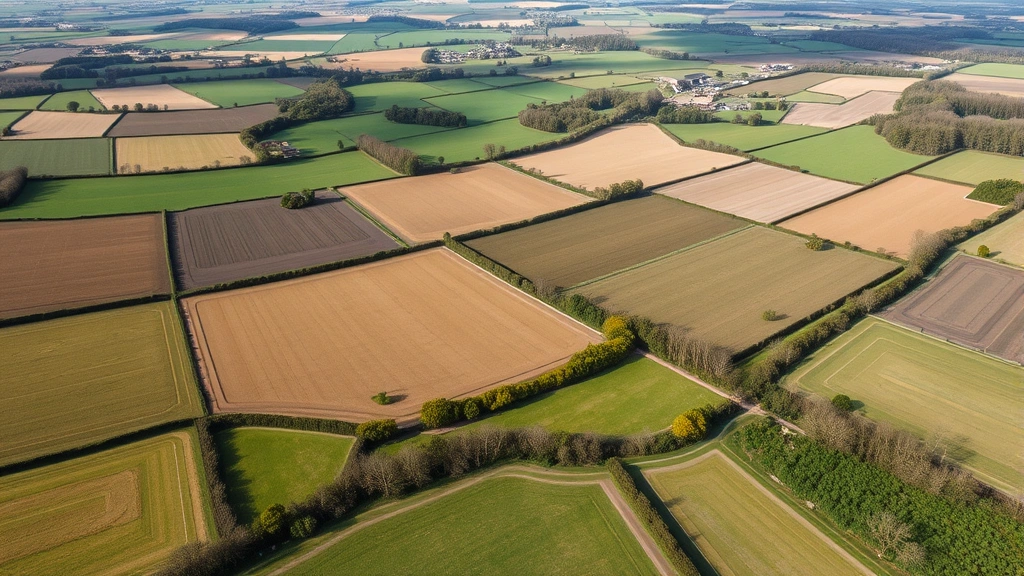
DEFRA’s Role in UK’s Economy: An Insider’s Perspective
DEFRA orchestrates UK food systems, environmental markets, and rural economies through policy design, subsidy mechanisms, and climate transition governance—shaping agricultural viability, biodiversity markets, and regional prosperity.

Balancing Economy and Ecosystems: A Scholarly Review
Balancing economic growth with ecosystem preservation requires moving beyond simplistic frameworks toward sophisticated models recognizing nature as essential capital generating flows of critical goods and services.

Human-Environment Interaction: Key Concepts Explained
Human-environment interaction defines how people depend on, modify, and respond to nature, creating feedback loops shaping ecological and economic futures amid planetary boundaries.
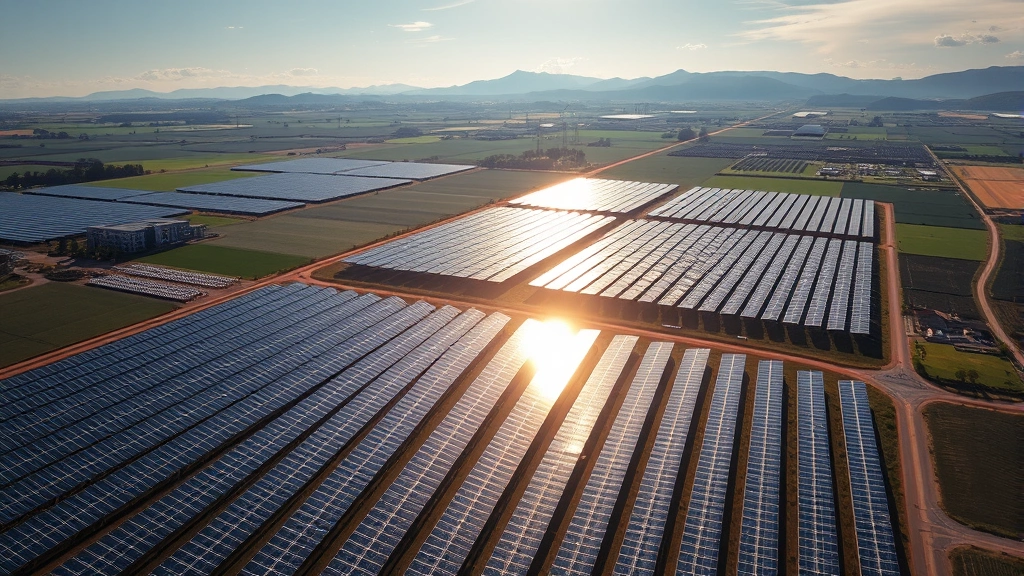
Can Green Policies Boost Economy? Economist Insights
Green policies boost economies through job creation, innovation, and ecosystem protection. Evidence from Denmark, Germany, and Costa Rica proves environmental regulations and prosperity coexist.
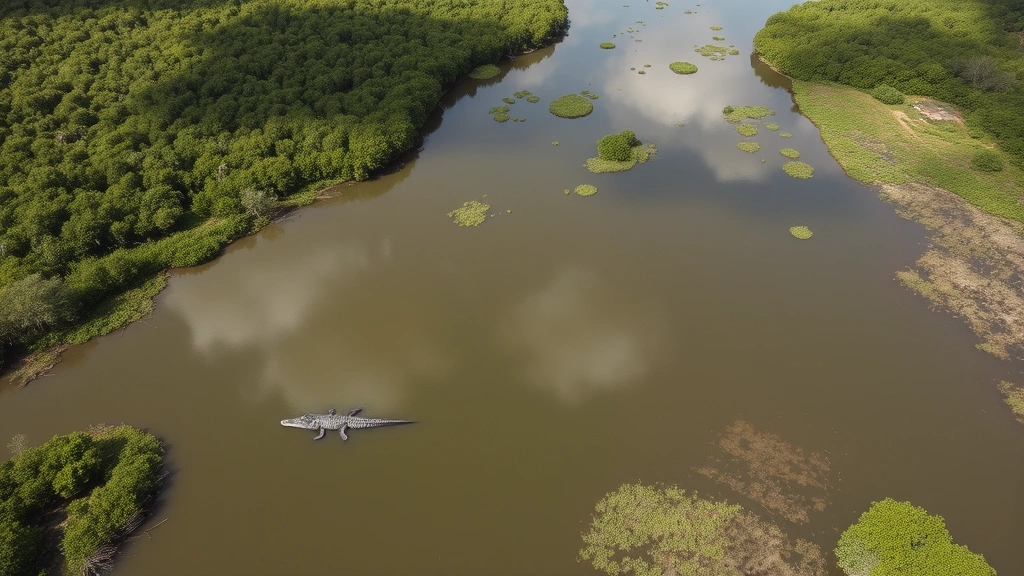
Crocodiles and Wetlands: Key Ecosystem Benefits
Crocodiles function as keystone species maintaining wetland ecosystem health through predation, nutrient cycling, and habitat modification, providing critical ecosystem services worth thousands per hectare annually.
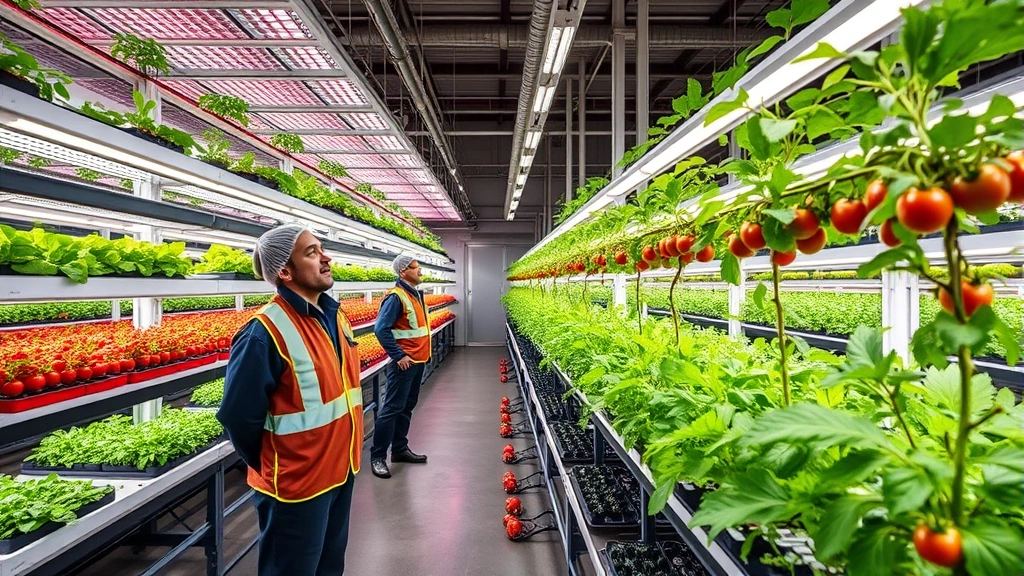
Controlled Environments: Economists Weigh In
Economists analyze controlled environment agriculture's capital intensity, resource efficiency, and market dynamics. While promising for specialty crops and water-stressed regions, scaling challenges persist.

How to Rename Conda Environment: Easy Guide
Learn three methods to rename Conda environments safely: clone-and-remove, direct file system renaming, and YAML-based recreation. Master environment management best practices.