How Business Impacts the Ecosystem: Study Insights
The relationship between business operations and ecosystem health represents one of the most critical challenges facing modern economies. Contemporary research demonstrates that industrial activities, supply chains, and commercial practices generate profound environmental consequences that extend far beyond immediate operational boundaries. Understanding these impacts requires examining the complex interconnections between corporate decision-making and natural system degradation, from carbon emissions and biodiversity loss to water contamination and soil depletion.
Recent comprehensive studies reveal that businesses worldwide contribute significantly to ecosystem disruption through resource extraction, manufacturing processes, waste generation, and land-use changes. The types of environment affected include terrestrial, aquatic, and atmospheric systems, each experiencing distinct pressures from commercial activities. This analytical examination synthesizes current research findings to illuminate how business practices reshape ecological systems and what pathways exist toward sustainable operational models.
The urgency of addressing business-ecosystem interactions has intensified as scientific evidence accumulates regarding tipping points in climate systems, biodiversity collapse, and ecosystem service degradation. Organizations increasingly recognize that long-term business viability depends upon understanding and mitigating their environmental footprint, creating opportunities for transformative change across sectors and geographies.
Understanding Business-Ecosystem Interactions
Business operations fundamentally alter ecological systems through multiple pathways operating simultaneously across different spatial and temporal scales. The concept of the business environment extends beyond competitive market dynamics to encompass the natural systems upon which all economic activity ultimately depends. Human environment interaction through commercial enterprises creates cascading effects throughout interconnected ecological networks.
Contemporary ecological economics frameworks recognize that businesses function within nested environmental systems rather than external to them. This perspective contrasts sharply with conventional economic models that treated nature as an infinite source of inputs and receptacle for waste. Research from institutions like the World Bank’s Environment Program demonstrates that ecosystem services—including pollination, water filtration, climate regulation, and nutrient cycling—possess substantial economic value that traditional accounting systems fail to capture.
The business-ecosystem relationship exhibits complex feedback mechanisms where environmental degradation directly threatens operational continuity. Supply chain disruptions from water scarcity, agricultural productivity decline from soil depletion, and infrastructure damage from extreme weather events increasingly impose costs upon businesses previously externalized onto society and future generations. Understanding these interactions requires integrating ecological science with economic analysis to reveal hidden dependencies and vulnerabilities.
Recent studies quantify the magnitude of ecosystem impacts across industries. Manufacturing sectors generate approximately 23% of global greenhouse gas emissions according to research compiled by environmental economics institutes, while agriculture—a business sector directly dependent upon ecosystem services—occupies 38% of global land area. These figures illustrate the pervasive nature of business-ecosystem interactions and the impossibility of isolating commercial operations from environmental consequences.
Direct Environmental Impacts of Commercial Operations
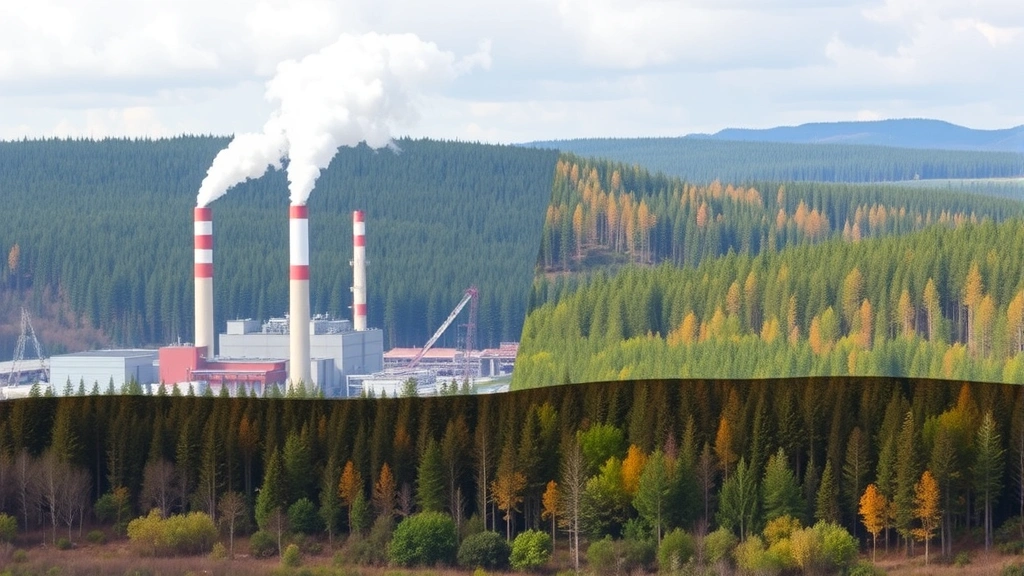
Direct impacts emerge from core business activities including production, processing, transportation, and waste management. Manufacturing facilities release pollutants into air, water, and soil through chemical processes, combustion, and inadequate waste treatment. How humans affect the environment through industrial processes represents a dominant mechanism of ecosystem alteration in developed and developing economies alike.
Greenhouse gas emissions from business operations constitute the most globally significant direct impact, with carbon dioxide, methane, and nitrous oxide released through energy consumption, process emissions, and fugitive sources. The Intergovernmental Panel on Climate Change documents that business-sector emissions drive atmospheric warming, which cascades through ecosystems via altered precipitation patterns, temperature extremes, and ecosystem regime shifts. These impacts manifest as coral bleaching, range shifts in species distributions, altered phenology in plant-animal interactions, and destabilization of food webs.
Water contamination represents another critical direct impact, with industrial discharge introducing heavy metals, persistent organic pollutants, microplastics, and nutrient runoff into aquatic ecosystems. Agricultural businesses apply synthetic fertilizers and pesticides that create dead zones in coastal waters, disrupt endocrine systems in aquatic organisms, and accumulate in food chains. Mining operations generate acid mine drainage that renders waterways unsuitable for aquatic life and human consumption across vast geographical areas.
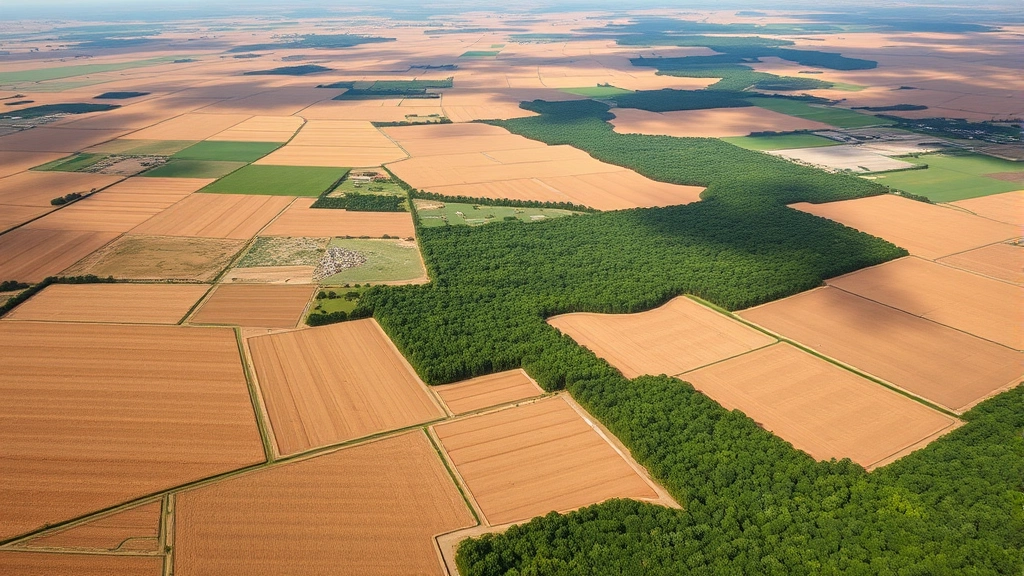
Land-use conversion driven by business expansion destroys habitat directly through deforestation for timber harvesting, agricultural expansion, and infrastructure development. Tropical rainforests—containing approximately 50% of terrestrial species—face conversion to cattle ranching, palm oil plantations, and resource extraction at rates exceeding 10 million hectares annually. These conversions eliminate species before scientific documentation occurs and disrupt carbon sequestration processes that regulate climate stability.
Solid waste generation from commercial operations accumulates in landfills, oceans, and terrestrial ecosystems, introducing toxic substances and creating physical barriers to organism movement and reproduction. Plastic waste, particularly from packaging and consumer goods industries, persists in environments for centuries, fragmenting into microplastics that penetrate food chains and accumulate in organisms from zooplankton to apex predators.
Supply Chain and Indirect Ecosystem Effects
Supply chains extend business environmental impacts far beyond direct operational boundaries, creating indirect effects that frequently exceed direct impacts in magnitude. Extraction of raw materials—metals, minerals, timber, agricultural commodities—generates ecosystem disruption at source locations often distant from manufacturing and consumption centers. This geographic separation allows businesses and consumers to remain disconnected from environmental consequences of their consumption patterns.
Agricultural supply chains produce substantial ecosystem impacts through monoculture farming practices that reduce biodiversity, deplete soil organic matter, and create dependence upon synthetic inputs. Industrial animal agriculture, supplying meat and dairy products to global markets, occupies 77% of agricultural land while producing only 18% of global calories. This sector generates methane emissions from ruminant digestion, nitrous oxide from manure management, and widespread water pollution from concentrated animal waste.
Fishing industries targeting wild-capture fisheries generate ecosystem impacts through bycatch of non-target species, habitat destruction from bottom trawling, and overharvesting that disrupts marine food webs. Approximately 40% of global fish catches constitute bycatch, discarded dead or dying, representing massive ecosystem service losses and species population declines. These impacts propagate through marine ecosystems, affecting predators dependent upon fish populations and altering ecosystem structure and function.
Transportation and logistics networks create distributed emissions and habitat fragmentation across supply chains. The shipping industry alone generates approximately 3% of global carbon emissions while introducing invasive species through ballast water discharge. Road and rail networks fragment habitats, creating barriers to species movement and increasing mortality through vehicle collisions.
Outsourcing manufacturing to regions with weaker environmental regulations creates distance between businesses and visible ecosystem damage, perpetuating practices that would face opposition in stricter regulatory environments. This geographic arbitrage in environmental standards represents a significant mechanism through which global supply chains concentrate ecosystem damage in economically vulnerable regions.
” alt=”Industrial facility with surrounding forest landscape showing ecosystem impact gradient”>
Sectoral Analysis: Industries with Greatest Ecological Footprints
Different business sectors generate distinct ecosystem impacts reflecting their resource requirements, production processes, and waste profiles. Definition of environment science encompasses frameworks for analyzing these sectoral differences and quantifying relative impacts across industries.
The energy sector generates the largest climate impact, with fossil fuel extraction, processing, and combustion responsible for approximately 73% of global greenhouse gas emissions. Oil and gas operations generate ecosystem damage through habitat destruction during exploration and development, contamination from spills and operational discharge, and methane leakage throughout supply chains. Coal mining removes mountaintops, generates acid mine drainage, and creates massive waste repositories that leach contaminants for decades.
Chemical manufacturing produces persistent toxic substances that bioaccumulate in organisms and persist in environments indefinitely. Per- and polyfluoroalkyl substances (PFAS), used in numerous industrial applications, contaminate groundwater globally and resist environmental degradation. These substances appear in wildlife and human populations worldwide, demonstrating how chemical business impacts transcend geographical and temporal boundaries.
Forestry and timber industries drive deforestation, particularly in biodiverse tropical regions. While some timber operations employ sustainable practices, industrial-scale harvesting frequently depletes forests faster than regeneration occurs, converting carbon sinks into carbon sources and eliminating habitat for species dependent upon old-growth forest structures.
Textile and apparel manufacturing generates substantial water pollution and consumption, with cotton production requiring enormous pesticide applications and water volumes. Fast fashion business models accelerate consumption cycles, generating enormous textile waste that persists in landfills or accumulates in marine environments.
Electronics manufacturing involves toxic materials including heavy metals, flame retardants, and solvents that contaminate production environments. E-waste recycling, often conducted in developing regions without adequate environmental protections, exposes workers and surrounding communities to toxic substances while generating environmental contamination.
Construction and real estate development drive habitat conversion, with approximately 30% of forest loss attributable to urban expansion and infrastructure development. Cement production alone generates approximately 8% of global carbon emissions through calcination of limestone and energy-intensive heating processes.
Economic Valuation of Ecosystem Damage
Quantifying ecosystem damage in economic terms reveals the substantial hidden costs that business operations externalize onto society and future generations. United Nations Environment Programme research on natural capital accounting demonstrates that conventional GDP accounting omits ecosystem service valuation, creating systematic underestimation of business costs and overestimation of economic benefits.
Ecosystem services—including pollination, water purification, climate regulation, nutrient cycling, and cultural values—provide economic benefits estimated at $125-145 trillion annually according to recent meta-analyses. These services depend upon ecosystem integrity, yet business activities degrade the natural capital generating these benefits without compensating for losses. This represents a form of capital depletion analogous to mining a non-renewable resource, except that ecosystem capital regenerates if damage remains below critical thresholds.
Carbon damage costs from business greenhouse gas emissions, calculated using social cost of carbon methodologies, exceed $2.4 trillion annually when incorporating climate impacts including agricultural productivity loss, infrastructure damage, human health effects, and ecosystem disruption. These costs remain externalized in most business accounting systems, allowing high-emission industries to appear profitable while generating net economic losses when environmental costs are properly allocated.
Biodiversity loss imposes economic costs through reduced pollination services, pest control, genetic resources for pharmaceutical development, and reduced resilience to environmental shocks. The Intergovernmental Science-Policy Platform on Biodiversity and Ecosystem Services estimates that biodiversity loss generates economic losses exceeding $2.7 trillion annually through ecosystem service degradation, with agricultural sectors particularly vulnerable to pollinator decline and pest outbreaks.
Water scarcity impacts driven by business water consumption and pollution create costs through reduced agricultural productivity, increased treatment expenses for contaminated water supplies, and health effects from waterborne contaminants. Approximately 2 billion people experience high water stress annually, with business water consumption and pollution representing major contributing factors.
Health costs from air and water pollution generated by business operations total approximately $4.2 trillion annually according to World Health Organization estimates, encompassing respiratory disease, cardiovascular disease, cancer, and developmental impacts. These costs concentrate in regions with intensive industrial activity and weak environmental regulations, creating disproportionate health burdens in economically vulnerable populations.
Business Models Advancing Ecosystem Restoration
Emerging business models demonstrate that commercial success and ecosystem restoration represent compatible objectives when properly structured. Regenerative agriculture practices employed by some food producers enhance soil health, increase biodiversity, sequester carbon, and improve water cycling while maintaining productivity. These approaches require longer-term perspectives and higher upfront investment but generate ecosystem co-benefits alongside agricultural output.
Circular economy business models eliminate waste through designing products for durability, repairability, and material recovery. Companies implementing circular approaches reduce resource extraction pressure, minimize waste accumulation, and create business value through material efficiency. Interface Corporation’s carpet tile leasing model exemplifies circular economy principles, maintaining product ownership to incentivize durability and recyclability while reducing ecosystem impacts from virgin material extraction.
Renewable energy businesses replace fossil fuel combustion with wind, solar, geothermal, and hydroelectric generation, eliminating greenhouse gas emissions and air pollution from energy production. While renewable energy infrastructure generates its own environmental impacts through manufacturing and land use, lifecycle analysis demonstrates substantially lower environmental costs compared to fossil fuels.
Ecosystem restoration enterprises create business value through restoring degraded ecosystems. Wetland restoration companies generate revenue through water quality improvement services, habitat creation for species recovery, and carbon sequestration. Forest restoration businesses produce timber and non-timber products while rebuilding ecosystem functions in degraded landscapes.
Sustainable fisheries and aquaculture operations employ practices including catch limits respecting population dynamics, gear modifications reducing bycatch, and habitat restoration supporting fish populations. These approaches require coordination among competitors and regulatory support but demonstrate that commercial fishing can operate within ecosystem carrying capacity.
Green building and infrastructure design reduces resource consumption and ecosystem impacts through energy efficiency, water conservation, material selection emphasizing renewable and recycled inputs, and site design that maintains habitat connectivity. Environment awareness among architects and developers increasingly drives adoption of green building standards, though scaling remains limited by cost premiums and regulatory gaps.
Regulatory Frameworks and Market Mechanisms
Government regulations establish minimum environmental standards that internalize some ecosystem costs into business operations. Environmental impact assessments require quantification of business ecosystem effects prior to project approval, though assessment quality and enforcement vary substantially across jurisdictions. Pollution standards limit releases of specific contaminants, though standards frequently remain set above levels protective of ecosystem integrity.
Carbon pricing mechanisms—including carbon taxes and cap-and-trade systems—place economic value on greenhouse gas emissions, creating incentives for emissions reduction. However, carbon prices in most existing systems remain substantially below social cost of carbon estimates, providing insufficient incentive for transformative emissions reductions. The World Bank’s carbon pricing dashboard documents that approximately 64% of global emissions remain unpriced, limiting effectiveness of market mechanisms for emissions control.
Protected area designations restrict commercial activities in ecologically important regions, preserving habitat and ecosystem functions. However, protected areas frequently remain inadequately funded for effective management, and many businesses find ways to access resources through loopholes or corruption. Expanding protected area coverage to represent 30% of global land and ocean area by 2030 represents a key conservation target requiring business cooperation and regulatory enforcement.
Extended producer responsibility policies assign responsibility for end-of-life product management to manufacturers, creating incentives for designing products for longevity and material recovery. These policies have driven substantial improvements in packaging reduction and material recycling, though enforcement remains inconsistent across jurisdictions.
Mandatory environmental disclosure requirements increasingly compel businesses to measure and report ecosystem impacts, creating transparency that facilitates investor pressure for environmental improvements. Standards including the Task Force on Climate-related Financial Disclosures and Science-Based Targets initiative establish frameworks for quantifying and reducing environmental impacts.
International agreements including the Paris Agreement on climate change and Convention on Biological Diversity establish frameworks for coordinating business ecosystem impacts across borders. However, implementation relies upon national governments, which frequently face pressure from businesses to weaken regulations or provide subsidies that encourage environmental degradation.

” alt=”Natural landscape with river ecosystem and wildlife showing biodiversity in pristine environment”>
Future Directions in Business-Ecosystem Integration
Future business success increasingly depends upon recognizing ecosystem limits and operating within planetary boundaries. Research from the Nature journal on planetary boundaries establishes quantitative limits for human economic activity across climate, biodiversity, land use, freshwater, and nutrient cycling systems. Transitioning business operations to remain within these boundaries represents the fundamental challenge for 21st-century economies.
Technological innovations including precision agriculture, renewable energy, materials science advances, and carbon capture technologies offer tools for reducing business ecosystem impacts. However, technology alone cannot solve ecosystem challenges—behavioral and institutional changes proving equally essential. Rebound effects, where efficiency improvements increase consumption, frequently offset technological environmental gains unless coupled with conscious consumption reduction.
Stakeholder governance models incorporating employees, communities, and environmental representatives alongside shareholders show promise for aligning business decisions with ecosystem protection. Benefit corporation structures, public benefit corporations, and stakeholder governance frameworks legally recognize obligations beyond profit maximization, though adoption remains limited.
Business-nature partnerships and habitat banking mechanisms create financial incentives for ecosystem restoration. Companies purchasing ecosystem restoration credits to offset unavoidable environmental impacts generate revenue for conservation, though ensuring additionality—that restoration occurs only because of credit revenue—remains challenging.
Nature-positive business commitments represent emerging corporate pledges to restore more ecosystem value than operations degrade. Achieving nature-positive status requires quantifying ecosystem impacts using biodiversity metrics and committing to measurable restoration targets. Early adopters signal market recognition that business viability depends upon ecosystem health.
Regenerative business models that actively improve ecosystem health represent the frontier of business-ecosystem integration. These approaches move beyond minimizing harm toward creating positive environmental value, recognizing that long-term business success requires thriving natural systems. Scaling regenerative practices across industries remains limited by cost structures, consumer preferences, and competitive pressures favoring short-term profit extraction.
FAQ
What are the primary ways businesses damage ecosystems?
Businesses impact ecosystems through multiple pathways: direct operations generate pollution and greenhouse gas emissions; resource extraction removes materials and habitat; supply chains extend impacts globally; waste accumulation contaminates environments; and land-use conversion eliminates species habitat. These impacts operate simultaneously across air, water, soil, and biological systems.
How do supply chains affect ecosystem impacts?
Supply chains extend business ecosystem impacts far beyond operational boundaries through raw material extraction, processing, transportation, and distribution. Agricultural supply chains drive habitat conversion and chemical pollution; mining operations contaminate water and soil; and transportation generates distributed emissions. Outsourcing to regions with weak environmental regulations concentrates ecosystem damage in vulnerable areas.
What ecosystem services do businesses depend upon?
Businesses depend upon pollination, water purification, climate regulation, nutrient cycling, pest control, and genetic resources provided by functioning ecosystems. Agricultural, pharmaceutical, water utility, and fisheries businesses exhibit direct dependence, while all businesses depend upon climate stability and other planetary-scale ecosystem services.
How can businesses reduce ecosystem impacts?
Strategies include implementing circular economy principles reducing resource extraction; adopting regenerative agriculture practices enhancing soil health; transitioning to renewable energy; restoring degraded ecosystems; improving supply chain sustainability; and designing products for durability and material recovery. Combining technological improvements with behavioral changes and institutional reforms proves most effective.
What regulatory mechanisms address business ecosystem impacts?
Governments employ environmental impact assessments, pollution standards, carbon pricing, protected area designations, extended producer responsibility, environmental disclosure requirements, and international agreements to regulate business ecosystem impacts. However, enforcement varies substantially, and regulatory stringency frequently remains insufficient to prevent ecosystem degradation.
Are business profits and ecosystem protection compatible?
Evidence increasingly demonstrates compatibility when proper accounting includes ecosystem costs. Businesses externalize environmental costs onto society, appearing profitable while generating net economic losses. Regenerative and circular business models demonstrate that profitability and ecosystem enhancement represent compatible objectives, though scaling requires regulatory support and consumer demand shifts.


