
Tech’s Environmental Impact: Scientist Insights
Technology's environmental impact spans manufacturing emissions, rare mineral extraction, electronic waste, and ecosystem disruption. Scientists reveal paradoxes where efficiency gains increase consumption while solutions require systemic economic transformation.

Tech’s Environmental Impact: A Balanced Perspective
Technology presents paradoxical environmental impacts—enabling renewable energy transitions while consuming unprecedented electricity. Understanding both harms and solutions requires balanced analysis.
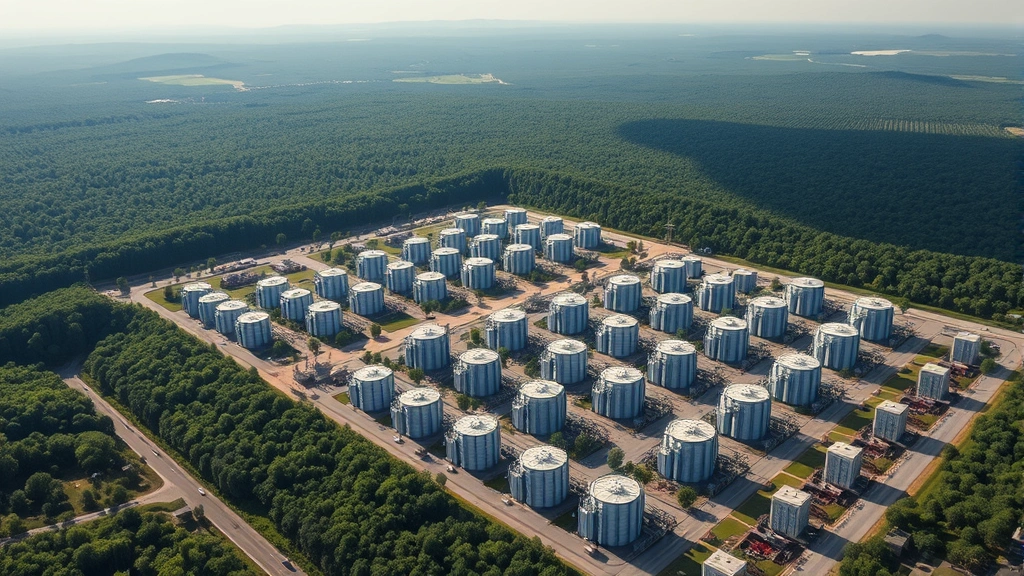
Tech’s Environmental Impact: Current Insights
Technology generates 2-3% of global emissions through data centers and manufacturing, while enabling renewable energy solutions. Understanding both impacts is critical for sustainable development.
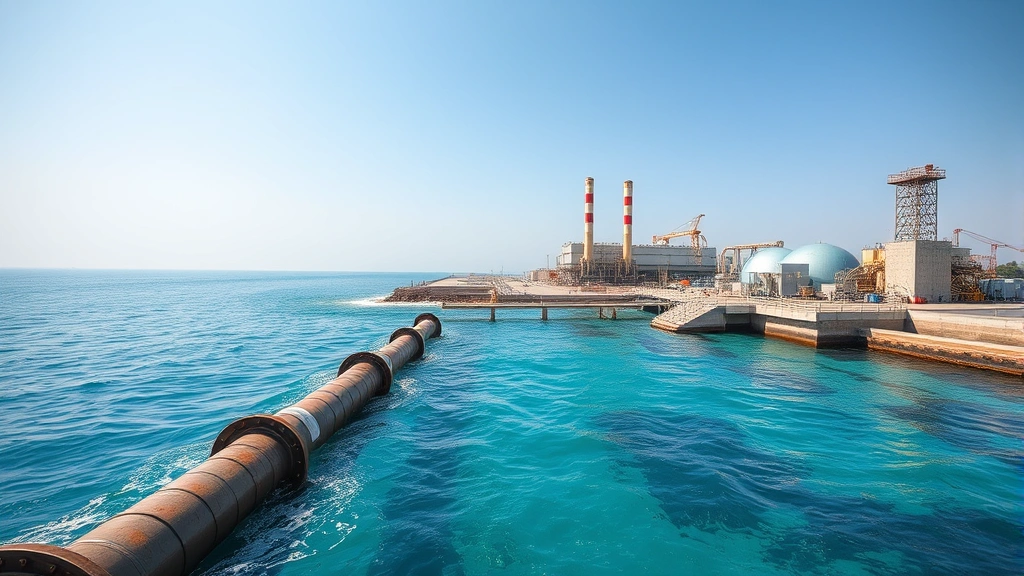
Desalination Impacts: What Science Reveals
Desalination provides freshwater but generates significant environmental costs including energy emissions, brine discharge, marine ecosystem disruption, and cumulative regional impacts contradicting claims of environmental neutrality.

Can a Green Office Boost Productivity? Studies Say Yes
Green office environments boost productivity by 5-15% through improved lighting, air quality, and stress reduction. For dentists, enhanced work environments reduce errors, lower burnout, and improve patient outcomes.
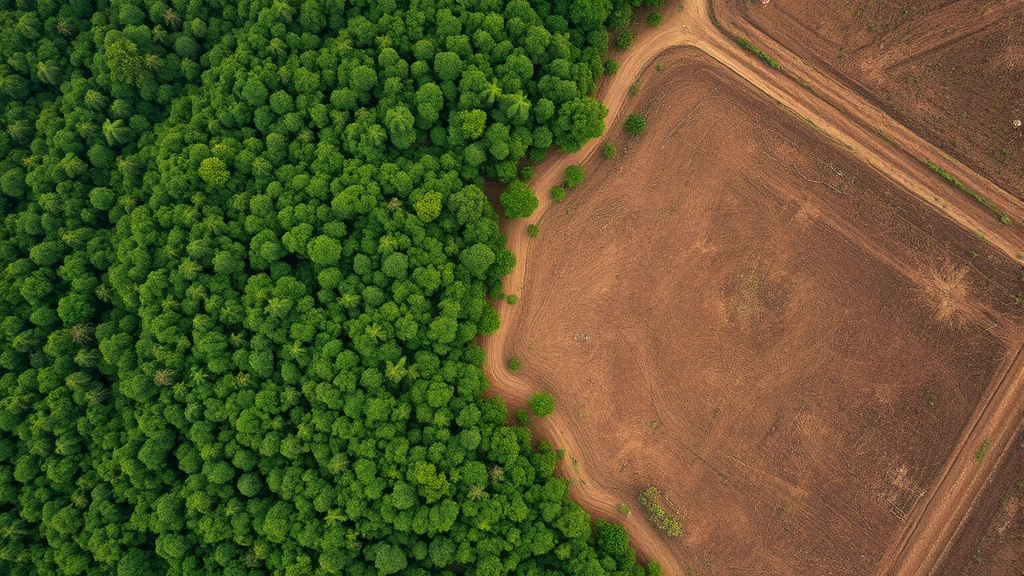
How Economy Impacts Ecosystems: Studies Show
Economic growth drives ecosystem degradation through resource extraction, pollution, and habitat destruction. Studies reveal market failures and accounting errors systematically undervalue natural capital, enabling unsustainable practices that destroy biodiversity and ecosystem services worth trillions annually.

How Do Dentists Impact the Local Economy? Study Insights
Dental professionals generate substantial local economic activity through employment creation, capital investment, supply chain relationships, tax contributions, and consumer spending that collectively shape community prosperity.
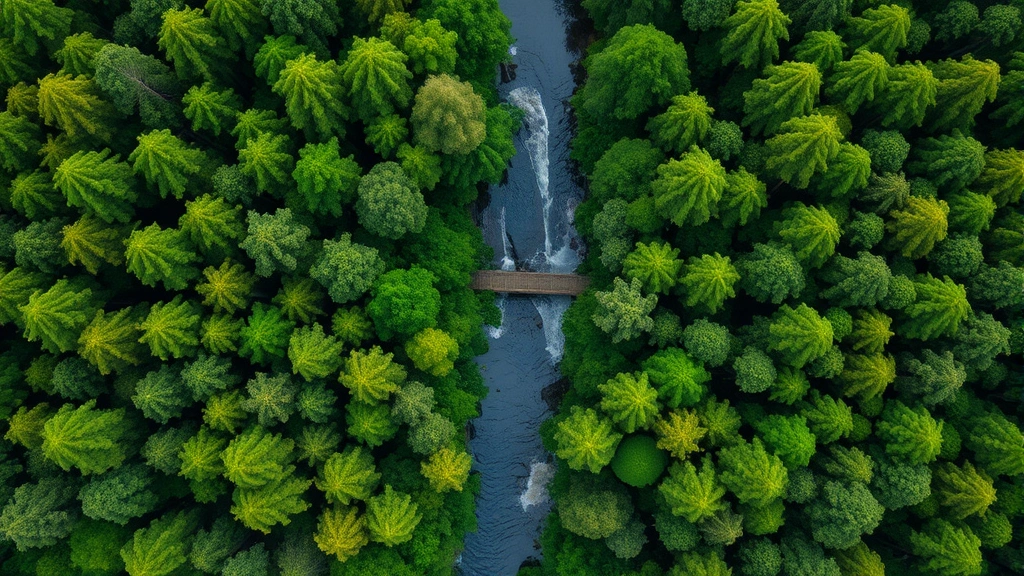
Economy vs Ecosystem: Striking a Balance, Experts Weigh
Economic growth and ecosystem protection need not conflict. Experts increasingly recognize that natural systems underpin economic prosperity, making environmental stewardship essential for long-term prosperity.

Social Environment’s Impact on Economy: Case Study
The social environment—comprising institutions, trust, and cultural values—fundamentally shapes economic outcomes. Rwanda and Nordic countries demonstrate that social reconstruction and cohesion drive prosperity.

Built Environment’s Impact on Economy: Study Insights
The built environment drives 10-15% of global GDP while generating substantial environmental costs. Research reveals productivity premiums, employment dynamics, and infrastructure multipliers shaping economies.