
Assured Environments: Boosting Economic Stability Through Environmental Security
The relationship between environmental health and economic stability has emerged as one of the most critical considerations for policymakers, businesses, and investors in the twenty-first century. Assured environments—ecosystems and natural systems that function reliably and sustainably—form the foundation upon which all economic activity depends. When environmental systems are degraded, unpredictable, or at risk of collapse, economic instability inevitably follows. This comprehensive analysis explores how environmental assurance mechanisms strengthen economic resilience, reduce systemic risks, and create pathways toward long-term prosperity.
The concept of assured environments extends beyond simple conservation rhetoric. It encompasses the scientific understanding that natural capital—soil fertility, water availability, climate stability, biodiversity, and atmospheric composition—directly translates into economic value and risk mitigation. Organizations worldwide are beginning to recognize that environmental degradation represents a fundamental economic threat comparable to financial crises or geopolitical instability. By investing in environmental assurance, societies can prevent costly environmental disasters, maintain productive capacity, and ensure predictable conditions for economic planning and growth.
Understanding Assured Environments in Economic Context
An assured environment represents a state where natural systems maintain predictable, stable conditions that support economic activity without degradation or unexpected disruption. This definition differs fundamentally from historical approaches that treated environmental protection and economic growth as opposing forces. Instead, assured environments recognize that economic stability depends entirely upon environmental stability.
The definition of environment and environmental science has evolved to include economic dimensions. Modern environmental science acknowledges that human economies are embedded within ecological systems, not separate from them. When we discuss assured environments, we’re examining the intersection where ecological health metrics directly correlate with economic indicators such as productivity, employment, investment returns, and long-term growth trajectories.
Environmental assurance involves several key components: predictable climate patterns, reliable water supplies, fertile soils, stable biodiversity, clean air, and resilient infrastructure. Each of these elements has quantifiable economic value. A farmer cannot plan crop production without reasonable confidence in seasonal precipitation. A manufacturing facility cannot operate efficiently without assured water access. Insurance companies cannot accurately price risk in regions experiencing rapid environmental degradation. Financial markets cannot allocate capital efficiently when environmental variables become increasingly volatile and unpredictable.
The concept connects directly to human environment interaction patterns. How societies interact with their natural systems determines whether those systems remain assured and productive or become degraded and unreliable. This relationship creates both challenges and opportunities for economic development.

Natural Capital and Economic Valuation
Economic theory traditionally categorized natural resources as externalities—factors outside formal economic calculation. This approach created profound blind spots in economic analysis. Modern ecological economics recognizes natural capital as a primary economic asset requiring systematic valuation and management.
Natural capital encompasses several categories: renewable resources (forests, fisheries, agricultural land), non-renewable resources (minerals, fossil fuels), and ecosystem services (pollination, water filtration, climate regulation, nutrient cycling). The World Bank has pioneered comprehensive natural capital accounting, revealing that environmental assets often represent 50-90% of total wealth in developing economies. This finding fundamentally challenges conventional GDP-focused economic measures.
Consider water systems as a case study in natural capital valuation. A functional watershed provides multiple economic services: drinking water supply, irrigation for agriculture, hydroelectric power generation, flood control, and nutrient cycling. When watersheds become degraded through pollution, deforestation, or overexploitation, the economic costs multiply rapidly. Treatment of contaminated water increases operational costs for industries and municipalities. Reduced agricultural productivity decreases food security and farmer income. Hydroelectric capacity declines, requiring expensive alternative energy sources. Flood damages increase exponentially. A single ecosystem service—water provision—connects to dozens of economic sectors.
Assured environments maintain these natural capital stocks at levels that sustain economic activity indefinitely. This concept contrasts sharply with extractive models that deplete natural capital faster than it regenerates. Economic stability in assured environments emerges from sustainable harvesting rates, restoration investments, and protective measures that keep natural systems within productive ranges.
Research from ecological economics journals demonstrates that economies incorporating natural capital accounting show more accurate long-term economic forecasts than those relying on conventional metrics. When environmental degradation is properly quantified, economic projections become more realistic and policy decisions more effective.
Risk Mitigation Through Environmental Security
Environmental degradation creates economic risks that extend far beyond direct resource depletion. These risks cascade through interconnected systems, amplifying losses and creating systemic vulnerabilities.
Climate instability represents perhaps the most significant economic risk emerging from environmental degradation. UNEP (United Nations Environment Programme) reports that climate-related disasters cost the global economy approximately $280 billion annually in direct damages, with indirect costs potentially doubling this figure. Assured environments with stable climate patterns enable businesses to make long-term investments with confidence. Conversely, regions experiencing increasing climate volatility face rising insurance costs, reduced property values, and difficulty attracting investment capital.
Supply chain disruption represents another critical risk vector. Global supply networks depend on environmental stability across multiple geographies. Droughts in agricultural regions reduce commodity supplies and increase prices. Flooding disrupts transportation infrastructure. Extreme heat reduces worker productivity and damages temperature-sensitive goods. Companies increasingly recognize that renewable energy and environmental resilience investments reduce supply chain risks and enhance operational stability.
Financial institutions are beginning to price environmental risk explicitly. Banks now assess environmental risk when determining lending rates and loan availability. Insurance companies adjust premiums based on environmental vulnerability. Investors increasingly apply environmental, social, and governance (ESG) criteria to portfolio decisions. These market mechanisms create economic incentives for environmental assurance—companies and regions that maintain environmental health gain access to cheaper capital.
Water scarcity exemplifies how environmental degradation creates cascading economic risks. As aquifers deplete and surface water becomes contaminated, agricultural productivity declines, food prices increase, and rural populations face economic stress. This triggers migration to urban centers, straining social services and housing markets. Reduced agricultural exports weaken national trade balances. In extreme cases, water scarcity contributes to social instability and conflict, generating geopolitical risks that affect global investment patterns.
Biodiversity loss represents a subtler but equally consequential risk. Approximately 75% of global food crops depend at least partially on animal pollination, primarily from bees and other insects. Pesticide use and habitat destruction have reduced pollinator populations by 50-75% in many regions. This directly threatens food security and farmer income. Similarly, soil microbiota support nutrient cycling essential for agriculture; soil degradation reduces microbial diversity and agricultural productivity. These ecosystem services operate largely invisibly until they collapse, creating sudden, severe economic disruption.
Renewable Resources and Economic Resilience
Assured environments prioritize renewable resource management that maintains economic productivity indefinitely. This approach differs fundamentally from extractive models that maximize short-term extraction regardless of long-term consequences.
Forestry provides an instructive example. Sustainable forestry operations harvest timber at rates matching forest regrowth, maintaining timber supply indefinitely while preserving ecosystem services including carbon storage, biodiversity habitat, and watershed protection. Unsustainable forestry maximizes short-term revenue but depletes forests, eliminating future timber income while destroying other ecosystem services. Economic analysis consistently demonstrates that sustainable forestry generates superior long-term returns despite lower short-term harvests.
Fishery management illustrates how renewable resources can be managed for assured supply or driven toward collapse. Overfishing depletes fish stocks, reducing catches and fisher income. When fishing pressure remains within sustainable limits, fish populations maintain productive capacity indefinitely. Countries implementing strict fishery management systems—establishing catch limits, protecting breeding grounds, and enforcing regulations—maintain stable fish supplies and fisher employment. Countries with weak management face fishery collapse, economic devastation in coastal communities, and loss of protein sources for millions of people.
Agricultural systems exemplify how assured environments support economic stability. Regenerative agriculture practices including crop rotation, cover cropping, reduced tillage, and integrated pest management maintain soil health, reduce input costs, and sustain productivity across decades. Conventional agriculture emphasizing monoculture and chemical inputs often achieves higher short-term yields but degrades soil, increases input costs, and ultimately reduces long-term productivity. Farmers practicing regenerative agriculture experience more stable yields, lower input expenses, and greater resilience to climate variability.
The transition to renewable energy systems represents perhaps the largest contemporary shift toward assured environments. Unlike fossil fuels that deplete finite reserves while generating climate instability, renewable energy systems operate indefinitely while stabilizing climate. Initial renewable energy investments exceed fossil fuel infrastructure costs, but lifecycle economics clearly favor renewables when environmental and health costs are properly calculated. Countries investing in renewable energy infrastructure reduce fuel import dependence, stabilize energy prices, and create employment in installation, maintenance, and manufacturing sectors.
Policy Frameworks for Environmental Assurance
Governments establish policy frameworks that either support or undermine environmental assurance. Effective policies align economic incentives with environmental sustainability, creating markets that reward environmental protection and penalize degradation.
Carbon pricing mechanisms—including carbon taxes and cap-and-trade systems—represent one policy approach to environmental assurance. By assigning economic value to atmospheric carbon, these policies create incentives for emissions reduction. Companies reduce emissions when the cost of emissions exceeds reduction costs. Consumers shift toward lower-carbon products when price signals reflect environmental costs. Carbon pricing has demonstrably reduced emissions in jurisdictions where implemented effectively, while generating government revenue for environmental investments or tax reduction.
Protected area systems create assured environments by restricting extractive activities in ecologically critical regions. Well-designed protected areas maintain biodiversity, protect watersheds, sequester carbon, and support ecosystem services. These areas also generate economic value through tourism, recreation, and research activities. Economic analysis demonstrates that the ecosystem services provided by protected areas substantially exceed the opportunity costs of foregone extraction.
Environmental impact assessment requirements mandate that development projects evaluate and mitigate environmental consequences before implementation. This approach prevents costly environmental damage and ensures that projects account for environmental costs. Assessments identify alternatives that achieve development objectives while minimizing environmental impact, improving both environmental and economic outcomes.
Pollution regulations establish standards for air quality, water quality, and waste management that protect environmental assurance. Regulations requiring pollution control investments increase operating costs but prevent far larger costs from pollution-related health effects, ecosystem damage, and environmental cleanup. Economic research consistently demonstrates that benefits of pollution regulation exceed costs—the U.S. Clean Air Act, for example, generates approximately $30 in health and environmental benefits for every dollar spent on compliance.
Environmental education and capacity-building programs strengthen environmental assurance by developing expertise in environmental management, ecological restoration, and sustainable resource use. These investments create human capital that enables effective environmental stewardship and sustainable development.
Corporate Strategies and Market Integration
Leading corporations increasingly integrate environmental assurance into business strategy, recognizing that environmental sustainability and profitability are complementary rather than contradictory objectives.
Supply chain sustainability initiatives ensure that suppliers maintain environmental standards compatible with corporate environmental commitments. Companies audit suppliers for water usage, emissions, waste management, and land use practices. This approach secures supply chain reliability while driving environmental improvements throughout value chains. Suppliers implementing environmental best practices achieve cost reductions, quality improvements, and market access advantages.
Circular economy business models minimize waste and resource consumption by designing products for durability, repairability, and recyclability. Rather than linear models extracting resources, manufacturing products, and discarding waste, circular models maintain materials in productive use. This reduces resource extraction pressure, minimizes waste disposal costs, and creates new business opportunities in remanufacturing and recycling sectors. Circular economy approaches simultaneously improve environmental assurance and enhance economic efficiency.
Renewable energy transitions in corporate operations reduce energy costs, improve air quality, and stabilize energy prices. Companies installing solar and wind systems reduce energy expenses while gaining energy independence. As renewable energy costs continue declining, economic incentives increasingly favor renewable adoption. Companies achieving 100% renewable energy operation gain competitive advantages through cost reduction and enhanced brand reputation.
Environmental certification systems including ISO 14001, B Corp certification, and sustainability-focused standards enable companies to demonstrate environmental commitment to investors, customers, and regulators. Certified companies gain market access, attract environmentally conscious consumers, and demonstrate lower environmental risk to investors. Certification investments typically generate returns through premium pricing, cost reduction, and risk mitigation.
Biodiversity-positive business models go beyond minimizing environmental damage to actively restoring and enhancing environmental conditions. Agricultural companies implementing regenerative practices increase soil health and productivity while sequestering carbon. Beverage companies investing in watershed protection secure long-term water supplies while improving ecosystem health. Fashion companies adopting sustainable materials and ethical production practices reduce environmental damage while enhancing brand value. These examples demonstrate that environmental improvement and business success can align when companies strategically integrate environmental assurance into operations.
Case Studies in Environmental Economic Success
Costa Rica demonstrates how environmental assurance policies generate economic benefits. The country established protected area systems covering approximately 25% of national territory while maintaining strong economic growth. Tourism revenues from protected areas exceed timber extraction revenues would have generated. Watershed protection ensures water security for agriculture, industry, and domestic use. Carbon sequestration in protected forests positioned Costa Rica as a climate leadership nation, enhancing international reputation and investment attractiveness. Costa Rica achieved high human development outcomes while maintaining environmental health—demonstrating that environmental protection and economic development can proceed simultaneously.
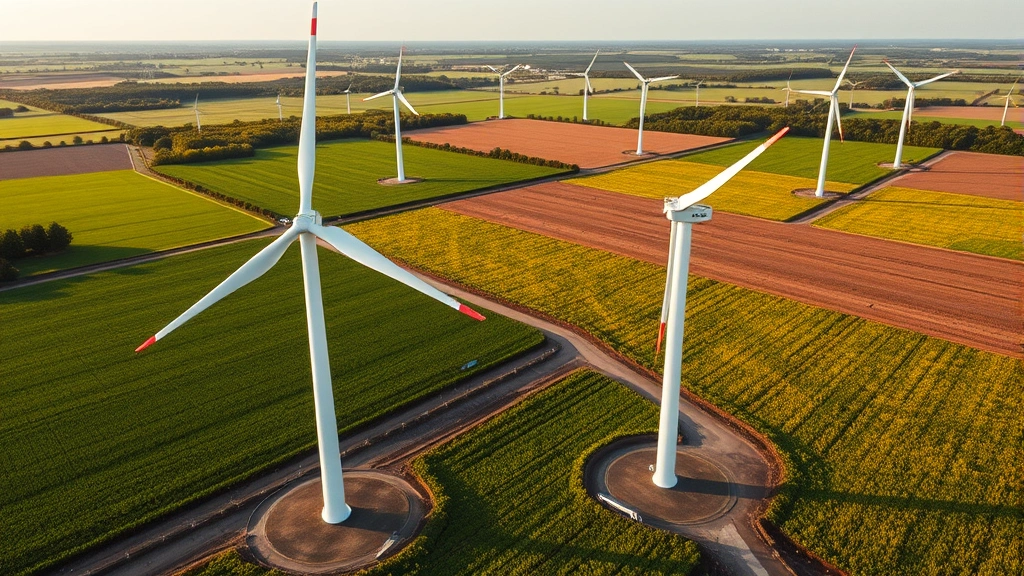
Denmark’s renewable energy transition illustrates how environmental assurance creates economic opportunity. The country invested heavily in wind energy infrastructure, developing domestic expertise in wind turbine manufacturing, installation, and maintenance. Today, Denmark exports wind technology globally, generating substantial export revenues. Renewable energy reduces fuel import dependence, stabilizes energy prices, and improves air quality. The transition created employment opportunities while reducing emissions. Denmark demonstrates that environmental assurance investments can stimulate economic innovation and growth.
Rwanda’s reforestation initiatives show how environmental restoration generates economic returns. The country lost 90% of forest cover through deforestation and conflict. Government programs incentivized reforestation on private and public lands, creating employment in tree planting and forest management. Restored forests improve water availability, reduce soil erosion, support biodiversity, and sequester carbon. Reforestation employment particularly benefits rural communities, reducing urban migration pressure. Rwanda’s experience demonstrates that environmental restoration creates economic opportunities in developing country contexts.
The Payments for Ecosystem Services (PES) program in Mexico compensates landowners for maintaining forests and other ecosystems that provide economic services including carbon sequestration, water provision, and biodiversity protection. Rather than viewing forest conservation as economically costly, PES recognizes that ecosystem services have economic value. Landowners choosing to maintain forests receive payments reflecting ecosystem service value. This approach aligns economic incentives with environmental protection, creating stable funding for conservation while providing income to rural landowners. Mexico’s PES program demonstrates how market mechanisms can support environmental assurance.
New Zealand’s biodiversity conservation efforts illustrate how environmental assurance supports economic growth in tourism and agriculture. The country established comprehensive protected area systems protecting native forests and unique wildlife. Tourism based on natural attractions generates substantial revenues while creating employment. Agricultural producers emphasizing environmental sustainability and animal welfare access premium markets willing to pay for sustainably produced products. New Zealand’s international reputation as an environmentally conscious nation enhances investment attractiveness and business confidence. These benefits demonstrate returns on environmental protection investments.
The Ecorise Daily Blog provides additional case studies and analysis of environmental economic integration. Understanding these practical examples helps clarify how abstract environmental concepts translate into concrete economic benefits.
Integrating Environmental Assurance Into Economic Planning
Transitioning to assured environments requires integrating environmental considerations into all economic planning and decision-making processes. This integration occurs through multiple mechanisms working in concert.
Natural capital accounting incorporates environmental assets and changes into national accounts alongside traditional economic measures. When governments measure economic performance, they account for environmental asset depletion alongside financial metrics. This approach reveals whether economic growth represents genuine improvement or masks environmental degradation. Countries implementing natural capital accounting make better-informed policy decisions that balance economic and environmental objectives.
The scientific definition of environment increasingly includes economic dimensions, reflecting recognition that environment and economy form integrated systems. Environmental science now explicitly considers human economic activity and its ecological consequences. This integration enables more sophisticated analysis of environment-economy interactions and development of policies addressing both simultaneously.
Life cycle assessment methodology quantifies environmental impacts across entire product lifecycles from raw material extraction through manufacturing, transportation, use, and disposal. This comprehensive approach reveals environmental costs invisible in conventional accounting. Products appearing cheap based on direct manufacturing costs may generate substantial environmental costs through resource extraction or waste management. Life cycle assessment enables consumers and businesses to make purchasing decisions reflecting true environmental costs.
Environmental risk assessment integrates environmental vulnerability into financial risk analysis. Investors and lenders increasingly assess environmental risks including climate exposure, water availability, pollution impacts, and ecosystem degradation. These assessments inform investment decisions, capital allocation, and insurance pricing. As environmental risks receive greater financial attention, capital flows increasingly toward environmentally assured regions and away from environmentally vulnerable areas, creating market incentives for environmental improvement.
Stakeholder engagement processes involving communities, businesses, government agencies, and civil society organizations in environmental decision-making improve policy outcomes. When stakeholders participate in environmental planning, policies gain broader support and implementation improves. Stakeholder engagement also surfaces local knowledge and priorities that centralized planning might miss. This participatory approach strengthens environmental assurance while building social consensus for necessary changes.
Ecological Economics journal publishes research integrating environmental and economic analysis, providing evidence-based guidance for assured environment policies. Academic research increasingly demonstrates that environmental assurance and economic prosperity are mutually reinforcing rather than contradictory objectives.
Challenges and Transition Pathways
Achieving assured environments faces significant challenges requiring strategic planning and sustained commitment. Many economic actors benefit from current arrangements that externalize environmental costs, creating resistance to change. Short-term financial incentives often conflict with long-term environmental sustainability. Political systems sometimes prioritize immediate benefits over long-term consequences.
Transition costs represent legitimate concerns. Industries dependent on environmentally damaging practices face substantial adjustment costs when shifting toward assured environment approaches. Coal workers lose employment when coal plants close. Farmers face learning curves when transitioning to regenerative agriculture. Fishing communities struggle when catch limits reduce harvests. Equitable transition policies must address these costs through retraining programs, income support, and alternative livelihood development.
Financial institutions require incentive structures encouraging environmental assurance investments. Green bonds, sustainability-linked loans, and environmental impact investing mechanisms increasingly mobilize capital for environmental projects. Government guarantees and subsidies can reduce investment risk, attracting private capital toward environmental infrastructure. Public-private partnerships leverage both government resources and private sector efficiency in environmental projects.
Technology development accelerates transition toward assured environments. Renewable energy cost reductions, battery storage improvements, agricultural technology innovations, and water treatment advances all make environmental assurance increasingly economically attractive. Continued research and development investment accelerates these technological transitions.
International cooperation enables environmental assurance at global scales. Climate change, ocean health, biodiversity protection, and other transboundary environmental challenges require coordinated international action. International environmental agreements and organizations facilitate cooperation, establish standards, and support developing countries in environmental transitions.
FAQ
What exactly constitutes an assured environment?
An assured environment refers to natural systems functioning reliably and predictably, providing stable conditions and ecosystem services supporting economic activity indefinitely. This includes stable climate patterns, reliable water supplies, fertile soils, biodiversity, clean air, and resilient infrastructure. Assured environments maintain natural capital stocks at levels sustaining long-term economic productivity.
How do environmental conditions directly impact economic stability?
Environmental degradation creates economic risks through multiple pathways: supply chain disruption from resource scarcity, increased costs from pollution and environmental cleanup, reduced productivity from climate instability, and financial losses from environmental disasters. Conversely, assured environments enable businesses to make long-term investments confidently, reduce risk premiums in financing, and maintain stable resource access.
Can environmental protection and economic growth proceed simultaneously?
Yes, extensive evidence demonstrates that environmental assurance and economic growth are complementary. Investments in renewable energy, sustainable agriculture, and ecosystem restoration generate employment, reduce operational costs, and create new business opportunities. Countries prioritizing environmental assurance consistently outperform those externalizing environmental costs when long-term economic performance is properly measured.
What policy approaches most effectively promote assured environments?
Effective policies include carbon pricing mechanisms, protected area systems, environmental impact assessments, pollution regulations, natural capital accounting, and environmental education. These policies work most effectively when integrated into comprehensive frameworks aligning economic incentives with environmental sustainability across sectors.
How can businesses integrate environmental assurance into operations?
Companies can implement supply chain sustainability initiatives, transition to renewable energy, adopt circular economy models, pursue environmental certification, and develop biodiversity-positive business practices. These strategies simultaneously improve environmental outcomes and enhance operational efficiency and profitability.
What role do emerging markets play in environmental assurance?
Emerging markets increasingly recognize environmental assurance as essential for sustainable development. Green bonds, sustainability-linked loans, and international support mechanisms mobilize capital for environmental projects. Emerging economies can leapfrog environmentally damaging industrial phases by adopting renewable energy and sustainable practices from development outset.
How does climate change threaten economic stability?
Climate change creates economic risks through extreme weather events, agricultural disruption, water scarcity, infrastructure damage, and supply chain disruption. Climate-related disasters cost the global economy approximately $280 billion annually in direct damages. Assured environments with climate stability enable predictable economic planning and investment.


