The Future of Green Economy: A Professor’s Insight
The green economy represents one of the most significant economic paradigms shifts of our time, fundamentally reshaping how societies produce, consume, and value natural resources. As we navigate the complexities of climate change, biodiversity loss, and resource depletion, economic models that once ignored environmental costs are giving way to frameworks that integrate ecological sustainability into their core calculations. This transformation extends beyond mere policy adjustments—it represents a comprehensive reimagining of what prosperity means in a world of finite planetary boundaries.
The transition toward a natural environment-centered economy is not merely an environmental imperative but an economic necessity. As resource scarcity intensifies and climate-related risks compound, businesses and governments increasingly recognize that ignoring ecological limits translates directly into financial vulnerability. The green economy framework offers a pathway to decouple economic growth from environmental degradation, creating value while protecting the systems upon which all economic activity ultimately depends.

Defining the Green Economy in Modern Context
The green economy encompasses economic activities that generate income and employment while reducing environmental impact and ecological scarcity. Unlike conventional economic models that treat the natural environment as external to economic calculations, the green economy framework internalizes environmental costs and benefits. This fundamental reorientation requires measuring progress through metrics beyond gross domestic product, incorporating natural capital accounting, ecosystem services valuation, and social welfare indicators.
At its core, the green economy operates on three interconnected principles. First, it recognizes that economic activity occurs within planetary boundaries and that exceeding these limits generates irreversible damage. Second, it acknowledges that natural capital—forests, fisheries, mineral deposits, freshwater systems, and the atmosphere—represents the foundation of all economic value creation. Third, it embraces the concept that sustainable development requires equitable distribution of both economic benefits and environmental burdens across populations and generations.
The transition encompasses multiple dimensions simultaneously. Energy systems must shift from fossil fuels toward renewable sources. Agricultural practices must evolve toward regenerative models that enhance rather than deplete soil health. Manufacturing processes must adopt circular economy principles, minimizing waste and maximizing resource efficiency. Transportation networks must reduce emissions through electrification and modal shifts. Building stock must improve thermal performance and integrate renewable energy generation. Each sector requires fundamental restructuring, yet these transformations create unprecedented economic opportunities.

The Ecological Economics Foundation
Understanding the green economy requires grounding in ecological economics, an interdisciplinary field that synthesizes insights from ecology, thermodynamics, and economics. Unlike neoclassical economics, which assumes infinite substitutability between natural and manufactured capital, ecological economics recognizes that certain environmental thresholds are absolute and non-negotiable. The carrying capacity of ecosystems, the regeneration rates of renewable resources, and the absorption capacity for waste represent hard constraints rather than flexible parameters.
The World Bank’s Wealth of Nations framework provides empirical evidence for this perspective. Research demonstrates that genuine wealth—comprising human capital, produced capital, and natural capital—has stagnated in many regions despite GDP growth. This divergence reveals that conventional measures of economic progress obscure declining natural assets and deteriorating ecological conditions. When forests are harvested, fisheries depleted, and aquifers drained, these represent liquidation of natural capital rather than genuine income generation.
Energy return on investment (EROI) analysis further illuminates why the transition to renewable energy constitutes economic necessity rather than mere environmental preference. As fossil fuel extraction increasingly relies on lower-quality deposits and more energy-intensive techniques, the energy return on invested energy declines. Conversely, renewable energy systems—despite higher upfront material requirements—offer superior long-term energy returns and eliminate fuel extraction costs. This thermodynamic reality means that renewable energy systems ultimately support higher sustained economic activity than fossil fuel-dependent systems.
The concept of ecosystem services quantifies the economic value of natural systems. Pollination services, water purification, carbon sequestration, soil formation, and climate regulation constitute genuine economic inputs. When these services degrade through ecosystem destruction, economic productivity declines even if traditional GDP metrics fail to capture this loss. Valuing ecosystem services—even imperfectly—provides economic justification for conservation that previously seemed to conflict with development.
Transition Mechanisms and Policy Instruments
The green economy transition requires sophisticated policy mechanisms that align economic incentives with ecological sustainability. Carbon pricing represents perhaps the most analyzed instrument, using either carbon taxes or emissions trading systems to internalize climate costs. By making pollution economically expensive, carbon pricing encourages innovation in clean technologies, efficiency improvements, and demand reduction. However, carbon pricing alone proves insufficient without complementary policies addressing other environmental impacts and distributional concerns.
Subsidy reform constitutes another critical mechanism, as governments globally spend approximately $7 trillion annually supporting fossil fuels through direct subsidies and unpriced environmental externalities. Redirecting these resources toward clean energy, sustainable agriculture, and ecosystem restoration could dramatically accelerate the transition. Yet subsidy reform faces intense political resistance from incumbent industries and regions economically dependent on fossil fuel extraction.
Regulatory standards establish minimum environmental performance requirements, ensuring that market mechanisms do not justify unacceptable pollution levels. Building codes, vehicle emissions standards, industrial pollution limits, and renewable energy mandates all provide certainty and level playing fields for green investment. Standards prove particularly effective when combined with market mechanisms, allowing flexibility in how compliance is achieved while guaranteeing environmental outcomes.
Public investment in research and development addresses the innovation challenge inherent in system transitions. Early-stage renewable energy technologies, sustainable agriculture methods, and circular economy solutions require patient capital that private markets cannot efficiently provide. Government investment in basic research, technology demonstration, and infrastructure creates the foundation upon which private investment can scale.
Green bonds and environmental impact bonds mobilize private capital for sustainability projects, while blended finance structures combine public resources with private investment to reduce risk in emerging green sectors. These financial innovations expand available capital beyond government budgets, yet they require clear environmental standards and transparent impact measurement to avoid greenwashing.
Sectoral Transformations and Opportunities
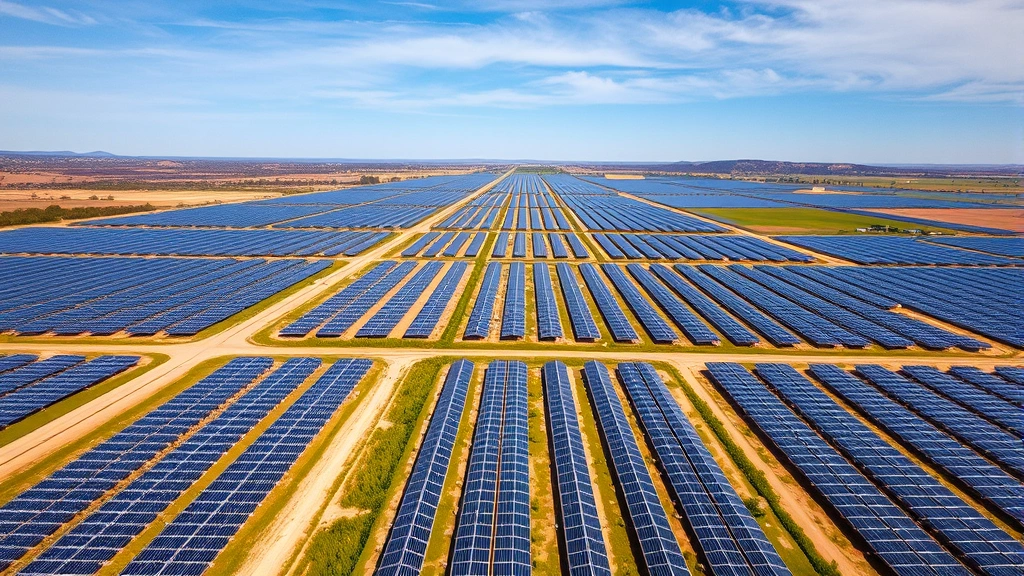
The energy sector transformation represents the most visible and advanced component of the green economy transition. Renewable energy deployment has accelerated exponentially, with solar and wind now the lowest-cost electricity sources in most markets. Battery storage technology improvements address intermittency challenges, while grid modernization enables integration of distributed renewable generation. This transition creates employment opportunities exceeding fossil fuel job losses in most analyses, yet requires proactive workforce development and regional economic diversification.
Agriculture and food systems represent another critical frontier. Regenerative agriculture practices—including cover cropping, reduced tillage, rotational grazing, and agroforestry—enhance soil health, sequester carbon, improve water retention, and support biodiversity while maintaining productivity. These methods require knowledge-intensive management but reduce input costs and build resilience to climate variability. The shift toward plant-based proteins and reduced meat consumption addresses both climate and health challenges, creating opportunities in alternative protein production.
The built environment sector encompasses buildings responsible for approximately 30 percent of global energy consumption and 27 percent of energy-related carbon emissions. Deep energy retrofits of existing building stock, combined with passive design principles and renewable energy integration in new construction, can reduce building-sector emissions by 80 percent. This transformation creates employment in construction, insulation, heat pump installation, and renewable energy systems while improving indoor environmental quality and reducing operational costs.
Manufacturing and industrial processes increasingly adopt circular economy principles, designing products for disassembly and material recovery rather than disposal. Industrial symbiosis—where waste from one process becomes input for another—reduces both material extraction and disposal costs. Advanced recycling technologies recover valuable materials from complex products, creating secondary material markets that reduce extraction pressure on primary resources.
Transportation electrification and modal shift represent essential transitions. Electric vehicle adoption accelerates as battery costs decline and charging infrastructure expands, yet transportation decarbonization also requires urban redesign prioritizing public transit, cycling, and walking. Freight system improvements—including modal shift toward rail and water transport, route optimization, and alternative fuels—address the heavy transport emissions that remain difficult to electrify.
Investment Flows and Financial Innovation
Global green investment has expanded dramatically, reaching approximately $500 billion annually in recent years, yet this remains insufficient relative to transition requirements estimated at $5-7 trillion annually. Closing this investment gap requires mobilizing institutional capital, reorienting financial markets toward sustainability, and improving risk assessment frameworks that currently undervalue climate and environmental risks.
UNEP’s Global Status Report on Sustainable Finance documents how major asset managers increasingly integrate environmental, social, and governance (ESG) criteria into investment decisions. Simultaneously, financial regulators worldwide are requiring climate risk disclosure and stress testing, recognizing that environmental degradation poses systemic financial risks. These developments create competitive advantages for green investment and disadvantages for high-carbon assets.
Central banks play increasingly important roles through monetary policy, financial regulation, and reserve management. The Network for Greening the Financial System coordinates central bank efforts to integrate climate risk into financial stability frameworks. Some central banks restrict fossil fuel financing, establish green QE programs, and adjust capital requirements to reflect climate risks. These actions signal that environmental sustainability constitutes a financial stability imperative rather than optional preference.
Pension funds and insurance companies face particular incentives to address environmental risks given their long-term liabilities and exposure to climate-related losses. Major pension funds have divested from fossil fuels not primarily for ethical reasons but because stranded asset risks threaten returns. Insurance companies increasingly charge premiums reflecting climate risks and refuse coverage for high-risk assets, creating market pressure for emissions reductions.
Impact investing—where investors explicitly target measurable environmental and social outcomes alongside financial returns—has expanded substantially. While definitional challenges and impact measurement concerns persist, impact investing mobilizes capital specifically toward sustainability solutions. The Global Impact Investing Network coordinates standards and research, advancing the field toward greater rigor and scale.
Challenges and Implementation Barriers
Despite accelerating momentum, substantial barriers impede green economy transition. Incumbent industries—fossil fuel companies, conventional agriculture, traditional construction—possess entrenched political power and economic resources enabling resistance through lobbying, disinformation campaigns, and regulatory capture. These industries have invested decades building infrastructure, supply chains, and consumer preferences around unsustainable practices, creating path dependencies difficult to overcome.
Human environment interaction patterns reflect deeply embedded cultural preferences and consumption habits. Shifting toward lower-impact lifestyles requires not merely individual behavior change but transformation of social norms, urban design, and institutional practices. This cultural transition proves as challenging as technological innovation, requiring engagement with psychology, sociology, and behavioral economics alongside engineering and policy expertise.
Financing challenges remain significant despite expanded green investment. Developing countries lack capital access and technical expertise for green infrastructure deployment, while debt burdens constrain government investment capacity. Risk perception among private investors remains skewed, with green technologies often facing higher required returns despite lower actual risks. Technology transfer barriers prevent developing countries from adopting clean technologies at scales necessary for meaningful emissions reductions.
Workforce transition challenges require proactive management. While green economy transition creates net employment gains, job losses in fossil fuel and related industries concentrate geographically and sectorally, creating severe localized disruption. Effective workforce development programs, income support, and economic diversification in affected regions require political will and sustained investment often lacking in practice.
Rebound effects—where efficiency improvements reduce costs and increase consumption, partially offsetting emissions reductions—require explicit management through complementary policies. Simply improving energy efficiency without addressing underlying consumption levels produces insufficient emissions reductions. Combining efficiency improvements with pricing mechanisms, behavioral interventions, and consumption-shifting policies proves necessary for achieving climate targets.
Regional Variations and Global Coordination
Green economy transition pathways vary substantially across regions reflecting different resource endowments, development levels, and institutional capacities. Developed nations with established technological capabilities and capital availability can lead in renewable energy deployment, industrial decarbonization, and circular economy implementation. Yet their historical responsibility for atmospheric carbon accumulation creates moral imperative for disproportionate emissions reductions.
Developing countries face distinct challenges and opportunities. Many possess abundant renewable energy resources—solar in Africa and Middle East, wind in coastal regions, hydropower in mountainous areas—providing pathways to leapfrog fossil fuel infrastructure. Yet capital constraints, technology access barriers, and competing development priorities complicate transition implementation. Climate finance from developed nations remains far below committed levels, undermining developing country capacity for green investment.
Emerging economies including China, India, and Brazil occupy crucial positions in global transition trajectories. Their massive populations, rapid industrialization, and expanding middle classes mean their energy and consumption choices determine global sustainability outcomes. China’s dominance in renewable energy manufacturing, battery production, and electric vehicle deployment demonstrates potential for rapid clean technology scaling, though continued coal dependence remains problematic. India’s renewable energy expansion targets and Brazil’s biofuel development show commitment, yet agricultural expansion threatens biodiversity.
International coordination mechanisms including the Paris Climate Agreement, the UN Sustainable Development Goals, and emerging nature-focused agreements attempt to align national policies toward shared sustainability objectives. Yet these frameworks lack enforcement mechanisms, rely on voluntary commitments, and face resistance from nations prioritizing short-term economic interests. Strengthening international governance while respecting national sovereignty and development rights remains an unresolved challenge.
The International Union for Conservation of Nature coordinates biodiversity conservation efforts across nations, recognizing that ecosystem protection requires transboundary cooperation. Similarly, the United Nations Sustainable Development Goals provide framework for integrating environmental protection with poverty reduction and development objectives. Yet translating these frameworks into coherent national policies remains inconsistent and inadequate.
Trade policy represents another critical dimension of global green economy coordination. Carbon border adjustment mechanisms—tariffs on imports from countries with weaker climate policies—aim to prevent carbon leakage and create incentives for global emissions reductions. Yet these mechanisms risk protectionism and disproportionate impacts on developing countries. Balancing climate ambition with development equity and trade fairness requires sophisticated policy design and international negotiation.
FAQ
What exactly constitutes the green economy?
The green economy encompasses economic activities that generate income and employment while reducing environmental impact. This includes renewable energy production, sustainable agriculture, energy efficiency retrofits, circular manufacturing, ecosystem restoration, and environmental services. The defining characteristic is internalization of environmental costs and benefits into economic calculations, moving beyond traditional GDP-focused metrics.
How does the green economy differ from sustainable development?
Sustainable development is a broader concept encompassing economic, social, and environmental dimensions with focus on meeting present needs without compromising future generations. The green economy represents a specific approach to achieving sustainability through economic mechanisms and market-based solutions. Green economy emphasizes economic transformation, while sustainable development encompasses wider social and institutional change.
Will the green economy transition create sufficient employment?
Research indicates that green economy transition generates net employment gains relative to fossil fuel-dependent systems. Renewable energy, building retrofits, and ecosystem restoration are labor-intensive activities creating employment. However, job losses in fossil fuel industries concentrate geographically and sectorally, requiring proactive workforce development and regional economic diversification to manage transition equity.
How can developing countries afford green economy transition?
Developing countries require substantially increased climate finance from developed nations—currently estimated at $100 billion annually but insufficient relative to actual needs. Technology transfer, capacity building support, and concessional financing through multilateral development banks can reduce barriers. Many developing countries possess renewable energy resources enabling cost-effective clean energy transition when financial and technical support is available.
What role should governments play versus market mechanisms?
Effective green economy transition requires both government action and market mechanisms working synergistically. Governments establish regulatory frameworks, invest in research and infrastructure, and correct market failures through carbon pricing and subsidy reform. Market mechanisms allocate resources efficiently within established environmental constraints. Neither government action nor markets alone suffice—the optimal approach combines both complementary approaches.
How can consumers contribute to green economy transition?
Individual consumption choices matter but cannot substitute for systemic change. Reducing carbon footprints through consumption choices helps, yet systemic emissions reductions require infrastructure transformation, energy system decarbonization, and industrial process change that individuals cannot achieve alone. Consumer action proves most effective when combined with political engagement supporting policy change and green investment.
What are the main risks of green economy transition?
Transition risks include stranded assets in fossil fuel and related industries, workforce disruption in affected regions, potential regressive impacts if costs concentrate on low-income populations, and greenwashing where companies claim sustainability without genuine change. Additionally, if transition is insufficiently rapid, climate tipping points may trigger catastrophic impacts. Conversely, if transition is poorly designed, it may fail to address biodiversity loss and other environmental challenges beyond climate change.


