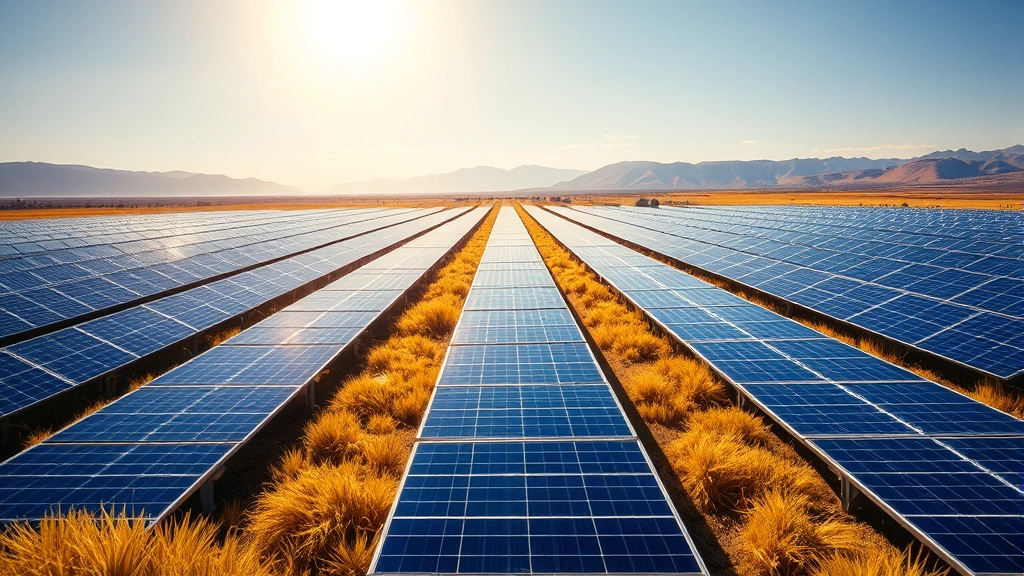
Can Green Investments Boost GDP? Analyst Insights on Economic Growth Through Environmental Action
The intersection of environmental sustainability and economic growth has evolved from a theoretical debate into a practical policy imperative. Green investments—capital directed toward renewable energy, sustainable infrastructure, conservation technologies, and ecological restoration—are increasingly recognized as drivers of gross domestic product (GDP) expansion. Yet the relationship between environmental stewardship and economic performance remains complex, nuanced, and often misunderstood by policymakers and investors alike.
Recent analyses from leading economic institutions demonstrate that strategic green investments can simultaneously advance environmental objectives and generate measurable GDP growth. This apparent paradox challenges the traditional assumption that environmental protection and economic expansion operate in opposition. Instead, emerging evidence suggests that economies investing in clean energy transitions, sustainable agriculture, and ecosystem restoration experience productivity gains, job creation, and technological innovation that translate directly into GDP improvements.
Understanding this dynamic requires examining multiple dimensions: the macroeconomic multiplier effects of green spending, sectoral employment generation, technological innovation pathways, and the avoided costs of environmental degradation. This comprehensive analysis explores how green investments function as economic catalysts while simultaneously addressing ecological imperatives.
The Economic Case for Green Investment
Green investments represent a fundamental reallocation of capital toward activities that generate positive environmental externalities while producing measurable economic returns. Unlike traditional infrastructure projects that may impose long-term environmental costs, green investments create value through multiple channels simultaneously.
The World Bank’s recent analysis indicates that every dollar invested in renewable energy infrastructure generates approximately $1.40 in economic returns through reduced energy costs, avoided pollution expenses, and productivity improvements. This multiplier effect exceeds comparable returns from fossil fuel-based energy infrastructure, particularly when environmental externalities are quantified and incorporated into cost-benefit analyses.
Green investments function as demand-side economic stimuli. When governments or private entities allocate capital toward solar installations, wind farms, electric vehicle manufacturing, or ecosystem restoration projects, they create immediate demand for materials, labor, and services. This demand propagates through supply chains, generating secondary and tertiary economic activity. Construction workers, engineers, manufacturers, and logistics professionals all experience increased employment opportunities, which translates into consumer spending and tax revenue generation.
The International Labour Organization documents that renewable energy sectors employ workers at rates 2-3 times higher per unit of energy produced compared to fossil fuel industries. This employment intensity means that green investments generate more jobs per dollar invested than conventional energy infrastructure, amplifying the GDP contribution through employment multipliers.
Furthermore, green investments often target sectors experiencing technological disruption and competitive repositioning. Nations and corporations that lead in renewable energy technology, electric vehicle development, and sustainable materials science establish competitive advantages in rapidly expanding global markets. This technological leadership generates intellectual property value, export opportunities, and premium pricing power that contributes substantially to GDP growth.
Sectoral Job Creation and Employment Multipliers
Employment generation represents one of the most direct mechanisms through which green investments boost GDP. Unlike capital-intensive fossil fuel infrastructure that requires minimal ongoing employment, renewable energy and ecosystem restoration projects create sustained job opportunities across skill levels.
Solar energy installation, for example, requires site assessment, equipment manufacturing, installation labor, electrical work, permitting coordination, and ongoing maintenance. Each phase creates employment opportunities. The U.S. solar industry currently employs more workers than coal mining, despite coal’s historical dominance. Similar patterns emerge across wind energy, geothermal development, and hydroelectric projects.
Green infrastructure development—including sustainable urban planning, wetland restoration, and green building construction—creates employment across multiple sectors. Architects, engineers, construction workers, environmental consultants, and project managers all contribute to project execution. These positions typically offer above-median wages and career advancement opportunities, supporting middle-class economic stability.
The employment multiplier effect extends beyond direct project employment. Workers earning wages from green energy projects spend income on housing, food, transportation, and services, creating secondary employment in retail, hospitality, and service sectors. This demand-side stimulus generates additional tax revenue and consumer activity that elevates overall GDP.
Institutions like the Academy for Conservation and the Environment document that ecosystem restoration projects—including reforestation, wetland mitigation, and pollinator habitat creation—employ skilled workers in conservation science, ecological monitoring, and land management. These positions often pay competitive wages while addressing human activities that affect the environment, creating synergistic economic and ecological benefits.
Youth employment in green sectors shows particular promise. Training programs in renewable energy installation, sustainable agriculture, and environmental technology offer pathways to career entry for populations facing employment barriers. This skills development generates human capital that persists across economic cycles, creating long-term productivity gains.
Technological Innovation and Competitive Advantage
Green investments catalyze technological innovation that generates GDP growth through multiple mechanisms: productivity improvements, export market development, and intellectual property creation.
The renewable energy sector exemplifies this dynamic. Battery storage technology, solar photovoltaic efficiency, wind turbine design, and grid management systems all improved dramatically as investment increased. These improvements reduced costs—solar panel prices declined 90% over the past decade—while expanding market applicability. This cost reduction dynamic creates positive feedback loops: lower prices expand addressable markets, increased demand drives manufacturing scale, and manufacturing scale enables further cost reductions.
Governments and corporations capturing early-mover advantages in green technology gain substantial competitive benefits. Denmark’s leadership in wind turbine manufacturing, Germany’s solar technology expertise, and China’s battery production dominance all generated significant export revenues and GDP contributions. First-mover advantages in emerging technologies often persist for decades, creating sustained economic benefits.
Green investments also stimulate innovation in adjacent sectors. Electric vehicle development spurred advances in battery chemistry, lightweight materials, autonomous systems, and charging infrastructure. These technologies diffuse across industries, generating productivity improvements in aviation, robotics, consumer electronics, and energy storage applications. The broader innovation ecosystem benefits from research and development investments initially targeted at green technologies.
Patent data reveals that green technology innovation accelerates with increased investment. Economies investing heavily in renewable energy research produce patent portfolios that appreciate in value and generate licensing revenue streams. Universities and research institutions benefit from research funding, creating knowledge externalities that support broader economic competitiveness.
Infrastructure Development and Long-Term Returns
Green infrastructure investments generate GDP returns across decades through improved operational efficiency, reduced maintenance costs, and enhanced service delivery.
Sustainable urban infrastructure—including public transportation systems, green building retrofits, and water management systems—reduces operating costs compared to conventional infrastructure. LED lighting consumes 75% less electricity than incandescent alternatives. Green roofs reduce heating and cooling energy consumption by 20-30%. Electric public transit systems eliminate fuel costs while reducing maintenance complexity. These operational savings accumulate across infrastructure lifespans, generating returns that exceed initial capital investments.
The relationship between infrastructure quality and economic productivity is well-established in economic literature. Superior infrastructure reduces transaction costs, enables faster goods movement, and supports more efficient business operations. Green infrastructure often provides these benefits while simultaneously reducing environmental burdens and reducing carbon footprint impacts.
Water infrastructure investments exemplify long-term economic benefits. Sustainable water management systems—including wetland restoration, rainwater harvesting, and watershed protection—reduce flooding damage, improve agricultural productivity, and enhance water security. These benefits persist indefinitely, generating returns that compound across generations. The avoided costs of flood damage, drought mitigation, and water scarcity alone justify substantial infrastructure investments.
Green bonds and sustainable financing mechanisms have mobilized trillions in capital for infrastructure development. These financial innovations reduce capital costs, expand project financing options, and enable smaller entities to access funding previously available only to large corporations or governments. This democratization of green finance accelerates infrastructure development and GDP growth.
Avoided Costs and Economic Resilience
Green investments generate GDP contributions not only through direct economic activity but also through avoided costs associated with environmental degradation, climate impacts, and resource depletion.
Air pollution imposes substantial economic costs through healthcare expenses, productivity losses, and premature mortality. The World Health Organization estimates that air pollution costs economies $5 trillion annually in lost productivity and healthcare expenditures. Investments in renewable energy and emissions reduction directly reduce these costs, effectively increasing available economic resources for productive purposes.
Climate-related disasters impose escalating economic burdens. Flooding, hurricanes, droughts, and extreme weather events destroy infrastructure, disrupt supply chains, and generate recovery expenses. Green infrastructure investments that reduce climate vulnerability—including resilient agriculture, flood-resistant development, and drought-adapted water systems—avoid these costs while simultaneously supporting economic activity. Human environment interaction patterns that incorporate green infrastructure generate net positive economic returns by preventing disaster costs.
Resource depletion imposes long-term economic constraints. Fisheries collapse, forest degradation, soil erosion, and aquifer depletion reduce future productive capacity. Green investments that restore and protect natural capital—including sustainable fisheries management, reforestation, soil conservation, and aquifer protection—preserve economic productivity across generations. These investments generate returns that persist indefinitely rather than creating one-time exploitation gains followed by productivity collapse.
Economic resilience represents another crucial avoided-cost benefit. Economies dependent on fossil fuel imports face vulnerability to price volatility, supply disruptions, and geopolitical conflicts. Green energy investments that utilize domestic renewable resources reduce these vulnerabilities while improving economic stability. This resilience reduces insurance costs, enables more confident long-term business planning, and attracts investment capital seeking stable returns.
UNEP research demonstrates that every dollar invested in ecosystem restoration generates $7-15 in economic returns through avoided disaster costs, improved agricultural productivity, and enhanced water security. These figures incorporate only quantifiable avoided costs; intangible benefits including improved public health, enhanced biodiversity, and ecosystem service improvements likely generate additional economic value.
Policy Frameworks and Implementation Challenges
Realizing GDP benefits from green investments requires policy frameworks that align financial incentives with environmental objectives while addressing implementation barriers.
Carbon pricing mechanisms—including carbon taxes and emissions trading systems—internalize environmental costs, making green investments more economically competitive relative to fossil fuel alternatives. When carbon pollution imposes measurable costs on polluters, capital naturally flows toward lower-carbon alternatives. The European Union’s Emissions Trading System demonstrates this dynamic: carbon prices have driven substantial investment in renewable energy and efficiency improvements.
Subsidy reform represents another critical policy lever. Fossil fuel subsidies—estimated at $7 trillion globally when environmental costs are included—artificially depress fossil fuel prices while making green alternatives appear economically disadvantaged. Redirecting these subsidies toward green investments would immediately improve comparative economics while freeing government resources for additional productive spending.
Research and development support accelerates green technology advancement and cost reduction. Government funding for battery research, solar cell development, and sustainable agriculture innovation reduces private sector development risks while generating knowledge benefits that support broader economic innovation. The U.S. Department of Energy’s research programs have consistently generated returns exceeding 10:1 through technology commercialization and productivity improvements.
Workforce development programs ensure that green sectors can access skilled labor. Training initiatives in renewable energy installation, sustainable agriculture, environmental monitoring, and green construction create employment pathways while addressing skills shortages. Community colleges and vocational institutions increasingly offer green technology programs, supporting equitable economic participation.
Regulatory frameworks that encourage green building standards, sustainable procurement practices, and environmental performance requirements create stable demand for green products and services. When governments and large corporations commit to sustainability standards, they generate market certainty that encourages private investment in green technology and infrastructure.
International climate finance mechanisms, including the Green Climate Fund and multilateral development bank lending, mobilize capital for green investments in developing economies. These mechanisms recognize that green infrastructure development generates global benefits—including climate mitigation and biodiversity protection—that justify concessional financing and technical support.
Implementation challenges include financing gaps, technological risks, and transition costs for workers in declining fossil fuel industries. Addressing these challenges requires coordinated policy action, including targeted support for affected workers, patient capital that tolerates longer development timelines, and risk-sharing mechanisms that distribute investment risks appropriately.
The Ecorise Daily Blog provides ongoing analysis of policy developments affecting green investment returns and implementation effectiveness. Tracking policy innovations across jurisdictions enables identification of best practices and replication of successful frameworks.
Quantifying GDP Contributions: Empirical Evidence
Multiple empirical analyses quantify GDP contributions from green investments, providing evidence-based support for this economic model.
The International Monetary Fund’s research indicates that green infrastructure spending generates GDP multipliers of 1.5-2.0 during economic downturns and 0.8-1.5 during expansions. These multipliers exceed comparable figures for conventional infrastructure spending, particularly when environmental co-benefits are monetized. During the COVID-19 pandemic, green recovery spending demonstrated particularly strong multiplier effects, supporting both immediate economic stabilization and long-term structural transformation.
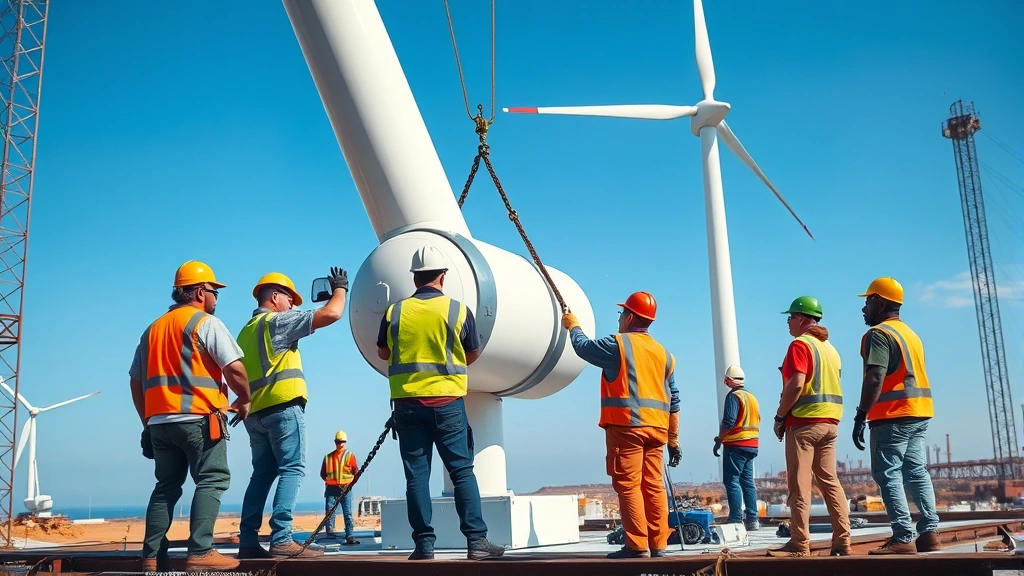
Sectoral analyses reveal that renewable energy investments generate 2-3 times more employment per dollar invested compared to fossil fuel energy infrastructure. This employment intensity translates directly into GDP contributions through wage income, consumer spending, and tax revenue. A $1 billion renewable energy investment generates approximately 7,000-8,000 job-years compared to 2,000-3,000 job-years for equivalent fossil fuel infrastructure investment.
Technology cost reduction studies document that increased green investment accelerates learning curves and cost improvements. Solar photovoltaic costs declined at 18-20% annually during periods of high investment growth, compared to 3-5% annual declines during lower-investment periods. This cost reduction dynamic expands addressable markets and generates consumer surplus gains that represent real GDP contributions.
Long-term economic modeling incorporating avoided climate damages, resource preservation, and ecosystem service improvements demonstrates that green investment scenarios generate superior GDP outcomes compared to business-as-usual trajectories. The Stern Review on the Economics of Climate Change estimates that climate damages could reduce global GDP by 5-20% absent mitigation action, while mitigation investments cost only 1% of global GDP annually. This cost-benefit analysis strongly favors green investment strategies.
Sectoral Opportunities and Strategic Investment Priorities
Identifying high-return green investment opportunities enables strategic capital allocation that maximizes GDP contributions while advancing environmental objectives.
Renewable energy generation represents the most mature green technology sector with well-established economics and declining costs. Solar and wind energy now compete directly with fossil fuels on unsubsidized cost bases in most markets. Investment in generation capacity, transmission infrastructure, and storage systems continues to generate strong returns while supporting energy transition.
Energy efficiency improvements offer particularly attractive returns. Building retrofits, industrial process optimization, and transportation fleet electrification often generate payback periods of 3-7 years while reducing ongoing operating costs indefinitely. The World Bank identifies energy efficiency as the “first fuel”—the lowest-cost energy source available.
Sustainable agriculture investments generate returns through improved productivity, reduced input costs, and climate adaptation. Regenerative agriculture practices, precision farming technologies, and agroforestry systems increase yields while improving soil health and carbon sequestration. These investments support food security while generating farmer income and ecosystem benefits.
Circular economy investments—including waste reduction, material recycling, and product redesign—generate returns through reduced material costs, avoided disposal expenses, and new business opportunities. Companies implementing circular economy principles often achieve cost reductions of 10-30% while improving brand value and customer loyalty.
Nature-based solutions including reforestation, wetland restoration, and mangrove protection generate returns through carbon sequestration, biodiversity enhancement, and disaster risk reduction. These investments often feature lower capital requirements compared to technological solutions while providing substantial ecosystem co-benefits. Sustainable fashion brands increasingly invest in nature-based solutions through supply chain restoration and regenerative material sourcing.
Green finance innovation including green bonds, sustainability-linked loans, and impact investing vehicles mobilizes capital for green projects while reducing financing costs. As green finance scales, capital costs decline further, improving project economics and enabling smaller-scale investments to achieve financial viability.

Transition Economics and Just Transition Frameworks
Realizing full GDP benefits from green investments requires managing economic transitions in regions and sectors dependent on fossil fuel industries.
Coal mining regions, oil-dependent economies, and fossil fuel manufacturing centers face substantial adjustment challenges as energy systems transition. Just transition frameworks—including worker retraining, income support, and economic diversification initiatives—enable affected workers and communities to participate in green economy opportunities while maintaining economic security.
Evidence from regions implementing just transition policies demonstrates that planned transitions generate superior economic outcomes compared to unmanaged market disruption. Workers receiving training and relocation support experience faster employment reentry and often achieve higher long-term earnings compared to those facing abrupt job displacement. Communities investing in economic diversification develop more resilient, less volatile economies with enhanced long-term growth prospects.
Pension and investment portfolio transitions from fossil fuels to green assets generate GDP contributions through reallocation of capital toward productive green sectors. As institutional investors divest from fossil fuels and reinvest in renewable energy, sustainable agriculture, and green technology, capital flows support green economy development while improving portfolio returns. Fossil fuel divested assets often underperform green alternatives on risk-adjusted return metrics, making transition economically rational independent of environmental considerations.
Supply chain transformation creates opportunities for suppliers, manufacturers, and service providers to develop green product and service offerings. Automotive suppliers transitioning from internal combustion engine components to electric vehicle systems, construction companies specializing in green building, and agricultural input suppliers developing sustainable alternatives all capture market opportunities in growing green sectors.
Global Competitiveness and Green Economy Leadership
Nations and corporations establishing leadership in green technology and sustainable practices capture disproportionate economic benefits through market share, premium pricing, and intellectual property value.
Global green technology markets exceed $2 trillion annually and grow at 8-12% annually—substantially faster than overall economic growth. Nations establishing leadership in renewable energy, electric vehicles, sustainable materials, and green finance capture export revenues, attract investment capital, and develop competitive advantages in emerging markets.
Denmark’s wind energy industry, Germany’s solar technology sector, and China’s battery manufacturing dominance all generated substantial GDP contributions through export revenues, employment, and technological leadership. These successes emerged from sustained policy support, research investment, and industrial development strategies that treated green technology as strategic priority.
Corporate green leadership generates competitive advantages through premium brand positioning, customer loyalty, and employee attraction. Companies like Tesla, Patagonia, and Interface demonstrate that environmental leadership can drive business value, market share growth, and profitability. Consumers increasingly prefer sustainable products and services, creating market opportunities for green-focused enterprises.
Intellectual property development through green technology innovation generates long-term value through patent licensing, technology transfer, and royalty streams. The abbreviation for environment increasingly appears in patent classifications and investment fund names, reflecting the scale and importance of green innovation ecosystems.
International collaboration on green technology development—including research partnerships, technology transfer agreements, and joint ventures—accelerates innovation while distributing development costs. These partnerships generate GDP contributions across participating nations while addressing global environmental challenges more effectively than isolated national efforts.
FAQ
Do green investments actually increase GDP or merely redistribute economic activity?
Green investments generate genuine GDP increases through multiple mechanisms: employment creation, avoided environmental costs, technological innovation, and productivity improvements. While some green investment represents reallocation of economic activity from fossil fuels to renewables, the net effect includes substantial genuine GDP growth. Avoided climate damages, reduced healthcare costs from pollution prevention, and preserved natural capital all represent real GDP contributions not captured in conventional accounting frameworks.
How long does it take for green investments to generate positive returns?
Return timelines vary by investment type. Energy efficiency improvements typically achieve payback within 3-7 years. Renewable energy facilities generate positive returns within 5-10 years. Ecosystem restoration and nature-based solutions often require 10-20 year timeframes but generate benefits extending indefinitely. Overall, green investments generate faster returns than commonly assumed when environmental benefits are properly valued.
Can green investments alone solve economic stagnation?
Green investments represent powerful economic stimuli but require complementary policies including workforce development, research support, regulatory frameworks, and international coordination. Combining green investments with macroeconomic stability, trade policy, and institutional development creates conditions for sustained economic growth. Green investments are most effective as components of comprehensive economic strategies rather than standalone solutions.
What role do governments play in enabling green investment returns?
Governments establish policy frameworks that align financial incentives with environmental objectives through carbon pricing, subsidy reform, research support, and regulatory standards. Government-enabled markets for green products and services attract private investment capital that generates multiplied economic effects. Public investment in foundational research and infrastructure development creates conditions for private sector innovation and commercialization.
How do green investments compare to conventional infrastructure on return metrics?
When environmental costs and benefits are properly quantified, green investments typically generate superior risk-adjusted returns compared to conventional infrastructure. Renewable energy competes directly with fossil fuels on cost bases while avoiding environmental externalities. Green infrastructure reduces operating costs through efficiency improvements and avoided damage costs. Employment multipliers from green investments exceed conventional infrastructure. Overall, green investments represent economically superior choices independent of environmental motivations.


