Human Impact on Ecosystems: A Scientific Study of Environmental Interaction
The relationship between humanity and the natural world has fundamentally transformed over the past two centuries. As global populations have expanded and industrial economies have accelerated, the scale and intensity of human activities affecting ecosystems have reached unprecedented levels. Understanding human environment interaction requires examining the multifaceted ways our species modifies, degrades, and occasionally restores the biological systems that sustain all life on Earth.
Scientific evidence increasingly demonstrates that human activities now rival natural processes as drivers of global environmental change. From atmospheric composition to biodiversity loss, from freshwater depletion to soil degradation, humanity has become a geological force reshaping planetary systems. This comprehensive analysis explores the mechanisms, consequences, and potential solutions to the profound ecological challenges posed by human civilization.
Mechanisms of Human Ecosystem Disruption
Human impact on ecosystems operates through multiple interconnected pathways. The primary mechanisms include land-use conversion, resource extraction, pollution generation, and climate forcing. These processes do not operate in isolation; instead, they create cascading effects that amplify ecosystem degradation across spatial and temporal scales.
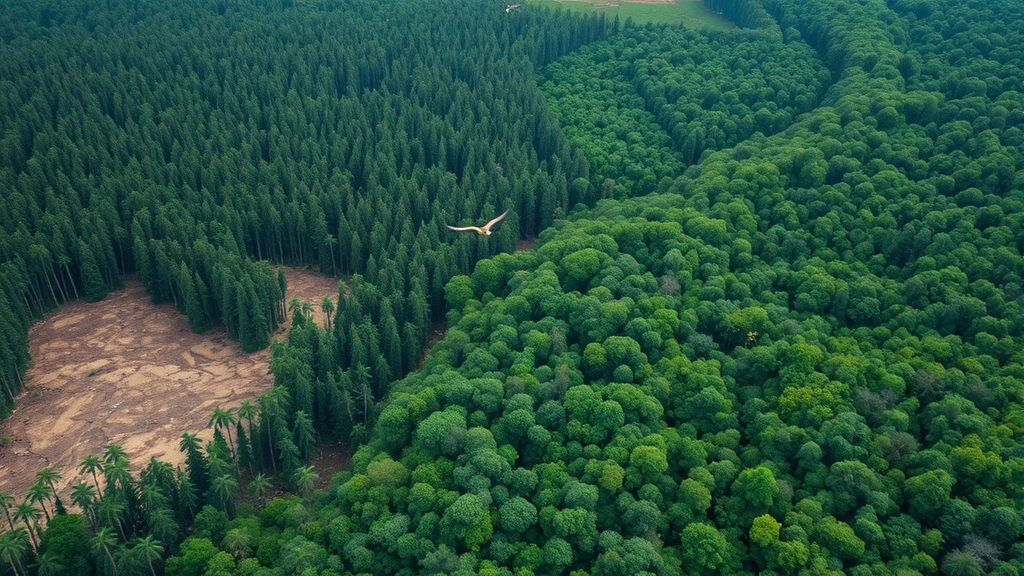
Land conversion remains the most direct form of habitat destruction. When forests are cleared for agriculture, pastures, or urban development, entire ecosystems are eliminated. According to research from the World Bank, approximately 10 million hectares of forest are lost annually, with tropical forests experiencing particularly acute pressures. This conversion severs ecological networks, eliminates species habitat, and disrupts the biogeochemical cycles that regulate climate and nutrient distribution.
Resource extraction—including mining, logging, and fishing—removes biological capital from ecosystems faster than regeneration can occur. Overfishing has collapsed numerous fish stocks, fundamentally altering marine food webs and threatening the nutritional security of billions of people dependent on seafood protein. Mining operations generate habitat destruction, water contamination, and landscape scarification that persists for decades even after operations cease.
Biodiversity Loss and Species Extinction
The current extinction rate represents one of the most significant ecological crises of our era. Scientific estimates suggest we are losing species at rates 100 to 1,000 times higher than natural background extinction rates. This biodiversity loss reflects habitat destruction, climate change, invasive species introduction, and overexploitation of wild populations.
Tropical rainforests, despite covering only 7% of Earth’s land surface, contain approximately 50% of all terrestrial species. The rapid deforestation of these regions means we are destroying biological diversity before scientists can even catalog it. The loss of apex predators, pollinators, and keystone species cascades through food webs, destabilizing entire ecological communities.
The economic implications of biodiversity loss extend far beyond conservation ethics. Ecosystem services—including pollination, pest control, water purification, and climate regulation—depend on biological diversity. The United Nations Environment Programme estimates that ecosystem service degradation costs the global economy trillions of dollars annually through reduced agricultural productivity, increased disease transmission, and compromised water security.
Climate Change and Atmospheric Impacts
Anthropogenic greenhouse gas emissions represent humanity’s most pervasive impact on planetary systems. Since industrialization, atmospheric CO₂ concentrations have increased from 280 parts per million to over 420 ppm, a rate of change unprecedented in geological history. This atmospheric forcing drives global temperature increases, altered precipitation patterns, and intensified extreme weather events.
Climate change operates as a threat multiplier for ecosystems already stressed by habitat loss and pollution. Coral bleaching events have devastated marine ecosystems; shifting phenologies have desynchronized species interactions; and range shifts are fragmenting populations of species unable to migrate toward suitable climatic conditions. Mountain ecosystems face particular vulnerability as species encounter unsuitable conditions at higher elevations with nowhere further to migrate.
The carbon cycle itself has been dramatically altered. Deforestation reduces carbon sequestration capacity, while wetland drainage releases stored methane. Industrial agriculture, particularly livestock production, generates substantial methane and nitrous oxide emissions alongside CO₂. Understanding how to reduce carbon footprint requires systemic changes across energy, transportation, agriculture, and consumption patterns.
Water Systems and Resource Depletion
Freshwater systems face unprecedented pressure from extraction, pollution, and climate-driven hydrological changes. Aquifers accumulated over millennia are being depleted within decades to support irrigation and urban consumption. Rivers no longer reach the ocean in numerous regions, their flows completely allocated to human uses. Wetlands—which provide crucial water purification, flood buffering, and species habitat functions—have been drained or converted at rates exceeding forest loss.
Water quality degradation compounds quantity challenges. Agricultural runoff creates hypoxic dead zones in coastal waters; industrial and municipal wastewater introduces persistent organic pollutants and pharmaceuticals into aquatic ecosystems; and plastic pollution has created garbage patches in every ocean. These contaminants bioaccumulate through food webs, concentrating in apex predators and, increasingly, in human tissues.
The economic valuation of water ecosystem services reveals the hidden costs of degradation. Wetland loss eliminates natural water purification, requiring expensive artificial treatment systems. Aquifer depletion threatens agricultural viability in regions supporting hundreds of millions of people. Climate-driven water stress is increasingly recognized as a geopolitical risk factor in water-scarce regions.
Agricultural Transformation and Soil Degradation
Modern agriculture represents one of humanity’s most extensive ecosystem modifications. The conversion of approximately 40% of Earth’s ice-free land surface to agriculture has fundamentally restructured landscapes, hydrology, and biogeochemistry. Monoculture farming systems, while productive in the short term, sacrifice biodiversity and soil health for yield maximization.
Soil degradation through erosion, salinization, and organic matter depletion threatens agricultural sustainability. Industrial agriculture relies on synthetic fertilizers that generate nutrient pollution and require substantial fossil fuel energy inputs. Pesticide use has devastated pollinator populations and non-target organisms, with documented declines in insect biomass exceeding 75% in some regions over recent decades.
The sustainable fashion brands and regenerative agriculture movements represent emerging recognition that production systems must work with ecological processes rather than against them. Soil carbon sequestration through conservation agriculture and agroforestry offers potential climate mitigation alongside productivity maintenance, though scaling these approaches requires fundamental shifts in agricultural subsidies and market structures.

Urban Expansion and Habitat Fragmentation
Urban areas now cover approximately 3% of Earth’s land surface but consume 78% of global resources and generate 60% of waste. Urban expansion fragments remaining natural habitats, creating isolated patches that cannot support viable populations of large-ranging species. Roads, buildings, and infrastructure sever ecological corridors essential for species dispersal and gene flow.
Urban heat islands intensify local temperature increases, stressing adapted species and favoring thermophilic organisms. Light pollution disrupts circadian rhythms in both terrestrial and aquatic organisms, affecting feeding, reproduction, and predator-prey interactions. Noise pollution masks communication signals critical for mating and territorial behavior in numerous species.
The concentration of human populations in cities does offer some environmental benefits through reduced per-capita land consumption compared to dispersed settlement patterns. However, urban-generated demand for resources drives extraction and degradation across vast hinterland areas. The ecological footprint of cities extends far beyond their physical boundaries through food, energy, and material supply chains.
Pollution and Chemical Contamination
Industrial civilization has introduced thousands of synthetic chemicals into the environment, many of which persist indefinitely and bioaccumulate through food webs. Persistent organic pollutants—including polychlorinated biphenyls, dioxins, and organochlorine pesticides—remain detectable in organisms from polar bears to penguins despite decades of restricted use, illustrating the long-term consequences of chemical pollution.
Microplastics now pervade every ecosystem, from the deepest ocean trenches to the highest mountains and even the human bloodstream. These particles absorb and transport other contaminants while potentially causing physical and chemical damage to organisms that ingest them. The full ecological and health consequences remain incompletely understood but suggest significant risks.
Nutrient pollution from agricultural and urban runoff drives eutrophication in aquatic systems, creating oxygen-depleted dead zones where complex food webs collapse. Acidification from CO₂ dissolution and sulfuric acid deposition alters aquatic chemistry, threatening organisms with calcium carbonate shells or skeletons. These chemical perturbations operate across global scales, affecting ecosystems far from pollution sources through atmospheric and oceanic transport.
Economic Perspectives on Ecological Degradation
Ecological economics provides frameworks for understanding why market economies systematically undervalue ecosystem services and natural capital. Conventional economic accounting treats ecosystem degradation as economically beneficial when it generates marketed commodities, ignoring the value of ecosystem services lost in the process. Logging a forest appears profitable while the carbon sequestration, water purification, and biodiversity values disappear from economic ledgers.
Environmental economics research, available through journals like Ecological Economics and publications from the International Union for Conservation of Nature, demonstrates that accounting for ecosystem service values fundamentally changes cost-benefit analyses of development projects. Studies consistently show that ecosystem conservation generates greater long-term economic value than conversion to extractive uses.
The concept of natural capital—treating ecosystems as assets providing flows of services—offers a framework for integrating ecological and economic thinking. However, critics note that monetizing nature risks reducing complex ecological relationships to simplified financial metrics, potentially enabling further degradation if “offsets” allow continued destruction elsewhere. The debate between ecosystem service valuation and non-monetary conservation ethics remains central to environmental policy.
Circular economy approaches attempt to decouple economic growth from resource extraction and waste generation by designing production systems that eliminate waste through reuse and recycling. However, achieving true circularity remains challenging given thermodynamic constraints and the energy requirements of recycling processes. Ultimately, ecological sustainability requires absolute reductions in material throughput in wealthy economies.
Mitigation and Restoration Strategies
Addressing human impact on ecosystems requires interventions across multiple scales and sectors. Protected areas, while imperfect, provide refugia for biodiversity and maintain ecosystem functions. However, protected areas covering 17% of global land area remain insufficient without addressing drivers of degradation in surrounding landscapes. Recent blog analysis of conservation strategies highlights the importance of integrating indigenous land management practices with scientific conservation approaches.
Restoration ecology offers approaches for recovering degraded ecosystems, from wetland reconstruction to forest regeneration. However, restoration rarely fully recovers original biodiversity and ecosystem functions, particularly when environmental conditions have fundamentally shifted. Prevention of further degradation remains more cost-effective than restoration, yet political and economic incentives often favor continued exploitation.
Renewable energy transitions, sustainable agriculture adoption, and circular economy implementation represent essential components of reducing human environmental impact. However, these transitions face substantial technological, economic, and political barriers. The scale and pace of required change far exceeds current policy and investment commitments, creating a gap between scientific understanding of necessary actions and actual implementation.
Climate adaptation strategies become increasingly critical as anthropogenic climate change has committed the planet to decades of continued warming even with rapid emissions reductions. Nature-based solutions—including mangrove restoration, coral reef protection, and forest conservation—provide climate mitigation and adaptation benefits alongside biodiversity conservation. However, scaling these approaches requires substantial financial resources and political commitment currently absent in most nations.

The relationship between human systems and ecosystems ultimately depends on whether civilization can transition toward sustainable pathways that respect planetary boundaries. Current trajectories suggest continued ecosystem degradation absent transformative changes in energy systems, agricultural practices, consumption patterns, and population distribution. The scientific evidence is unambiguous: human impact on ecosystems has reached critical levels requiring urgent, fundamental shifts in how human societies interact with the living world.
FAQ
What are the primary examples of human environment interaction affecting ecosystems?
Primary examples include deforestation for agriculture and urban development, fossil fuel combustion driving climate change, industrial agriculture reducing biodiversity, freshwater extraction depleting aquifers, mining operations destroying habitats, fishing practices collapsing fish stocks, and pollution contaminating air, water, and soil. These interactions operate through multiple pathways, often creating cascading ecological effects that amplify initial impacts.
How does human activity contribute to biodiversity loss?
Humans drive biodiversity loss through habitat destruction, climate change, invasive species introduction, overexploitation of wild populations, and pollution. Habitat loss remains the primary driver, with deforestation, wetland drainage, and urban expansion eliminating species habitat faster than conservation can protect it. Climate change compounds these pressures by shifting suitable habitat ranges, leaving species in unsuitable conditions with migration pathways blocked by human-modified landscapes.
What economic frameworks help explain ecosystem degradation?
Ecological economics explains degradation through market failures that undervalue ecosystem services. Conventional accounting treats natural capital as infinite and ecosystem services as worthless, creating perverse incentives for conversion. Ecological economics frameworks, including natural capital accounting and ecosystem service valuation, demonstrate that sustainable practices generate greater long-term economic value than extractive approaches. However, debate continues regarding whether monetization adequately captures ecological values or enables further degradation through offset mechanisms.
Can ecosystems recover from human damage?
Ecosystems demonstrate substantial recovery capacity when pressures are removed, as evidenced by forest regrowth in abandoned agricultural areas and fish stock recovery when fishing restrictions are implemented. However, recovery speed varies dramatically by ecosystem type and severity of damage. Restoration efforts rarely fully recover original biodiversity and functions, particularly when environmental conditions have fundamentally changed. Prevention of further degradation remains more effective than restoration given the irreversibility of many ecological changes.
What solutions reduce human environmental impact?
Solutions include transitioning to renewable energy, implementing sustainable agriculture, protecting and restoring natural areas, reducing consumption in wealthy economies, transitioning to circular economy models, and integrating climate adaptation with biodiversity conservation. However, implementing these solutions at required scales and speeds faces technological, economic, and political barriers. Success requires fundamental shifts in energy systems, production methods, and consumption patterns, not merely incremental improvements to existing systems.
How does climate change interact with other forms of human ecosystem impact?
Climate change operates as a threat multiplier for ecosystems already stressed by habitat loss, pollution, and resource extraction. Shifting temperature and precipitation patterns prevent species from adapting to new conditions, particularly when habitat fragmentation blocks migration pathways. Climate change reduces ecosystem resilience to other disturbances, making recovery from damage slower and less complete. This synergistic interaction means that addressing climate change alone, without simultaneously addressing habitat destruction and pollution, provides insufficient protection for ecosystems.
What role do developing nations play in ecosystem degradation?
Developing nations contribute to ecosystem degradation through deforestation for agricultural expansion, mining operations, and infrastructure development driven by economic development pressures. However, developed nations’ consumption patterns drive much of this degradation through global supply chains. Wealthy nations consume disproportionate resource shares while shifting environmental costs to developing regions. Equitable sustainability solutions must address both consumption reduction in wealthy nations and development alternatives in poorer regions that reduce rather than increase environmental pressure.


