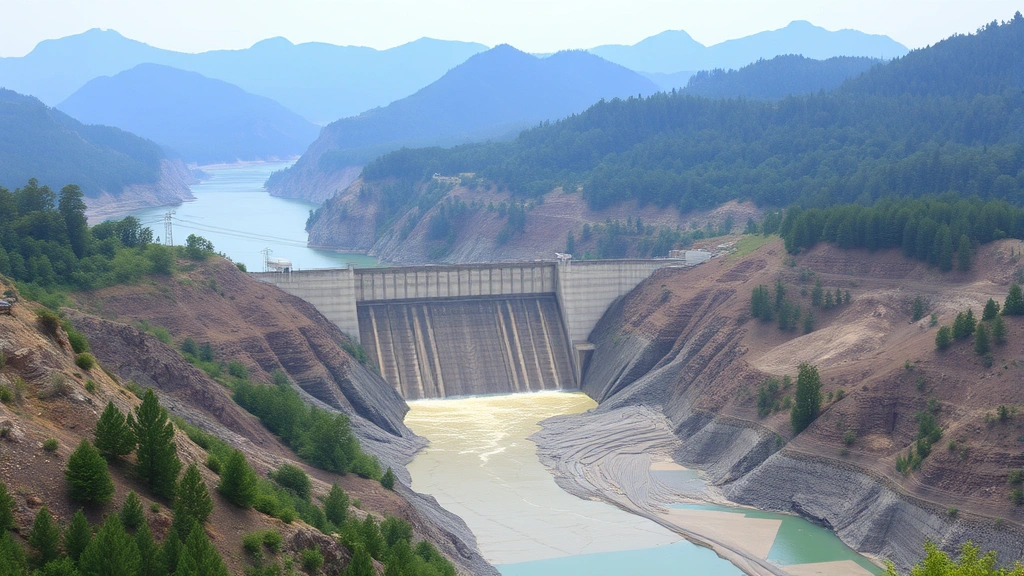
Hydropower’s Environmental Effects: Study Insights
Hydropower represents one of the world’s most significant renewable energy sources, generating approximately 16% of global electricity production. While widely promoted as a clean alternative to fossil fuels, the environmental impacts of hydropower extend far beyond its carbon-neutral generation profile. Recent scientific studies reveal a complex picture of ecological consequences that demand serious consideration from policymakers, environmental scientists, and energy planners worldwide.
Understanding how hydropower impacts the environment requires examining multiple dimensions simultaneously. From aquatic ecosystem disruption to methane emissions, from altered river dynamics to terrestrial habitat loss, hydropower facilities create cascading environmental effects that ripple through entire ecological systems. This comprehensive analysis synthesizes cutting-edge research to illuminate both the benefits and significant drawbacks of hydroelectric energy production.
The transition toward renewable energy sources is undeniably necessary for climate mitigation, yet choosing which renewable technologies to prioritize demands rigorous environmental assessment. Hydropower’s role in this transition remains contested, with emerging evidence suggesting that its ecological costs may be substantially higher than previously acknowledged.
Aquatic Ecosystem Disruption and Biodiversity Loss
Hydropower facilities fundamentally alter aquatic ecosystems through the creation of massive reservoirs that replace flowing rivers with still-water environments. This transformation eliminates habitats for riverine species that evolved specifically for flowing-water conditions. Research from the United Nations Environment Programme indicates that freshwater biodiversity has declined by 83% since 1970, with habitat fragmentation from dams representing a primary driver.
The construction of reservoirs inundates terrestrial ecosystems, destroying riparian forests, wetlands, and grasslands that provide critical ecological services. Species endemic to specific river reaches face immediate extinction risks. Migratory fish species, particularly anadromous species like salmon that depend on access to both marine and freshwater environments, experience catastrophic population declines. Studies document that dam construction has contributed to the extinction of numerous freshwater fish species across North America, Europe, and Asia.
Reservoir ecosystems, while supporting some aquatic life, create fundamentally different ecological conditions than natural rivers. Temperature stratification in deep reservoirs produces anoxic zones where decomposition processes dominate, creating conditions hostile to many native species. The transition from lotic (flowing) to lentic (still) ecosystems fundamentally restructures food webs, species composition, and energy flow patterns. Invasive species often thrive in reservoir conditions, outcompeting native species adapted to flowing-water environments.
The biodiversity impacts extend beyond aquatic realms. Terrestrial species dependent on riparian corridors lose critical habitat connectivity. Amphibians and reptiles that breed in flooded areas experience reproductive failure when dam operations alter water levels unpredictably. Mammals dependent on riverside vegetation corridors face fragmented populations vulnerable to local extinction.
Understanding these disruptions connects directly to broader concepts of ecosystem services and environmental health, which hydropower development fundamentally compromises through habitat destruction and species displacement.
Methane Emissions from Reservoirs
One of the most surprising discoveries in hydropower research involves greenhouse gas emissions from reservoirs themselves. Far from being carbon-neutral, many hydroelectric reservoirs emit substantial quantities of methane, a potent greenhouse gas with approximately 28-36 times the warming potential of carbon dioxide over a century-long timeframe.
Methane generation occurs through anaerobic decomposition of organic material inundated during reservoir creation. When forests, wetlands, and soils are submerged, microorganisms decompose this organic matter in oxygen-depleted conditions, producing methane that diffuses through the water column and escapes to the atmosphere. Research published in peer-reviewed ecological economics journals demonstrates that tropical and subtropical reservoirs emit particularly high methane quantities due to abundant organic matter and warm temperatures accelerating decomposition rates.
Studies measuring actual reservoir emissions reveal alarming findings. Some tropical hydroelectric reservoirs emit methane equivalent to the carbon emissions of fossil fuel power plants generating equivalent electricity quantities. The lifetime methane emissions from reservoir creation can offset decades of carbon-free electricity generation, particularly for facilities constructed in biodiverse regions with high terrestrial productivity.
Reservoir age affects emission rates, with younger reservoirs exhibiting higher emissions as organic material continues decomposing. However, even mature reservoirs maintain substantial emission rates indefinitely. The global warming potential of hydropower, when accounting for methane emissions, approaches that of natural gas power plants in many geographic contexts, fundamentally challenging the clean energy narrative surrounding hydroelectric development.
This reality underscores the importance of comprehensive environmental accounting when evaluating strategies to reduce carbon footprint through energy transitions, requiring accurate lifecycle assessments rather than simplistic carbon-free categorizations.
River Fragmentation and Fish Migration
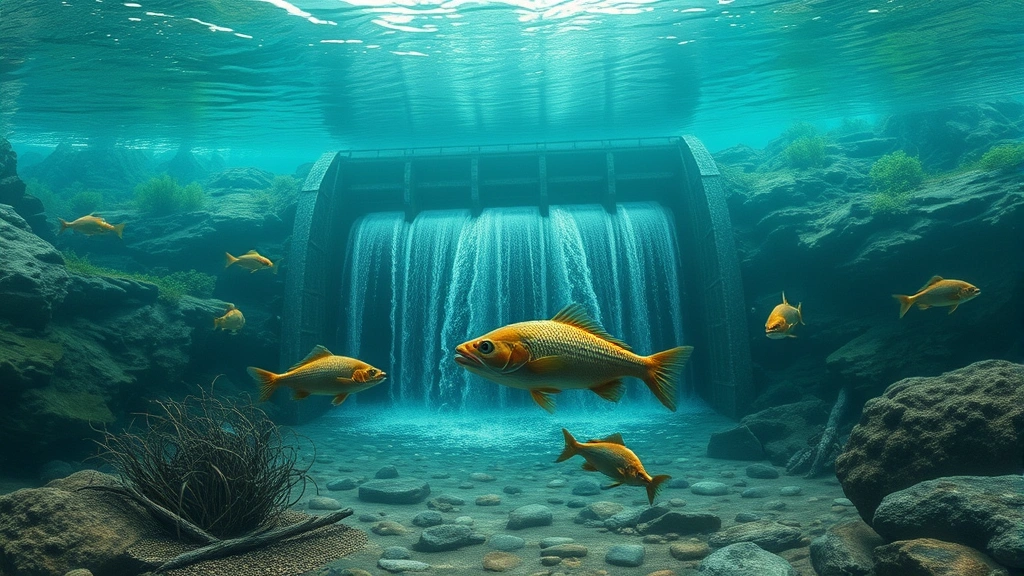
Dams create absolute barriers to fish migration, fragmenting river systems into isolated sections. This fragmentation prevents anadromous and catadromous fish species from completing essential lifecycle migrations between marine and freshwater environments. Salmon populations across North America, Europe, and Asia have experienced catastrophic declines directly attributable to dam-induced fragmentation preventing spawning migrations.
Fish passage facilities like ladders and elevators provide incomplete solutions. Many species cannot navigate these structures effectively, and effectiveness varies dramatically based on design, maintenance, and operational protocols. Even when fish successfully pass upstream, the altered reservoir environment often proves unsuitable for completing natural lifecycle processes.
Downstream migration presents equally severe challenges. Young fish migrating toward the ocean face turbines that cause direct mortality through pressure changes, cavitation, and physical trauma. Estimates suggest that turbine passage kills 5-15% of downstream-migrating juvenile fish, with cumulative mortality across multiple dams rendering river systems unsuitable for population maintenance.
The fragmentation effect extends beyond individual species. River ecosystems depend on longitudinal connectivity allowing nutrient cycling, sediment transport, and species movement along river corridors. Dams interrupt these processes, creating disconnected ecosystem patches increasingly vulnerable to environmental disturbances and local extinction events.
Emerging research emphasizes that human-environment interactions through infrastructure development require sophisticated understanding of ecological connectivity and species requirements, not merely technological solutions to environmental problems.
Altered Sediment Dynamics and Downstream Effects
Rivers naturally transport sediment downstream, creating and maintaining floodplains, delta systems, and coastal ecosystems. Dams interrupt sediment transport, trapping sediment in reservoirs while starving downstream systems of critical sediment supplies. This sediment deficit cascades through ecological and geomorphological systems, creating profound long-term environmental consequences.
Sediment accumulation in reservoirs eventually reduces storage capacity, requiring increasingly expensive dredging operations. Trapped sediment also contains pollutants and nutrients that would normally cycle through downstream ecosystems. Behind dams, these materials accumulate in anoxic reservoir bottoms, creating toxic conditions while removing them from productive floodplain ecosystems.
Downstream sediment starvation triggers channel incision, where rivers lacking sediment supply erode their beds and banks, deepening channels and eliminating floodplain connectivity. This process destroys riparian wetlands dependent on periodic flooding, eliminates critical fish spawning habitat, and reduces groundwater recharge in floodplain aquifers. Delta systems worldwide experience accelerated erosion when upstream dams eliminate sediment supplies, threatening coastal communities and aquatic resources.
The timing and magnitude of water releases from dams rarely matches natural flow patterns, further disrupting sediment transport processes. Natural river systems feature seasonal flow variations that mobilize sediment during high-flow periods while allowing settling during low-flow periods. Hydroelectric operations often reverse these patterns, releasing large volumes during peak electricity demand periods regardless of natural seasonal patterns.
Reservoir operations also alter water temperature regimes. Deep reservoirs release cold hypolimnetic water, dramatically reducing downstream water temperatures. This temperature modification disrupts reproduction cycles for species adapted to seasonal temperature patterns, eliminates habitat for warm-water species, and reduces overall ecosystem productivity in temperature-sensitive systems.
Terrestrial Habitat Loss and Land Use Changes
Hydroelectric facilities require vast land areas for reservoir creation. Large-scale dams inundate thousands to millions of hectares of terrestrial habitat, representing some of the most extensive land-use conversions globally. The Three Gorges Dam in China submerged approximately 13,000 square kilometers, displacing over 1.3 million people and destroying irreplaceable terrestrial ecosystems.
Reservoir creation permanently eliminates forest ecosystems, grasslands, agricultural lands, and cultural landscapes. Indigenous communities often inhabit areas targeted for hydroelectric development, facing displacement from ancestral lands and loss of traditional resource access. The social and cultural dimensions of habitat loss intersect directly with ecological impacts, as traditional land management practices frequently supported biodiversity conservation.
Access roads, transmission lines, and supporting infrastructure associated with hydroelectric facilities create additional habitat fragmentation beyond reservoir areas. These linear disturbances facilitate invasive species spread, fragment wildlife populations, and increase human pressure on surrounding ecosystems. Infrastructure development often precedes and enables further landscape conversion, creating multiplier effects on habitat loss.
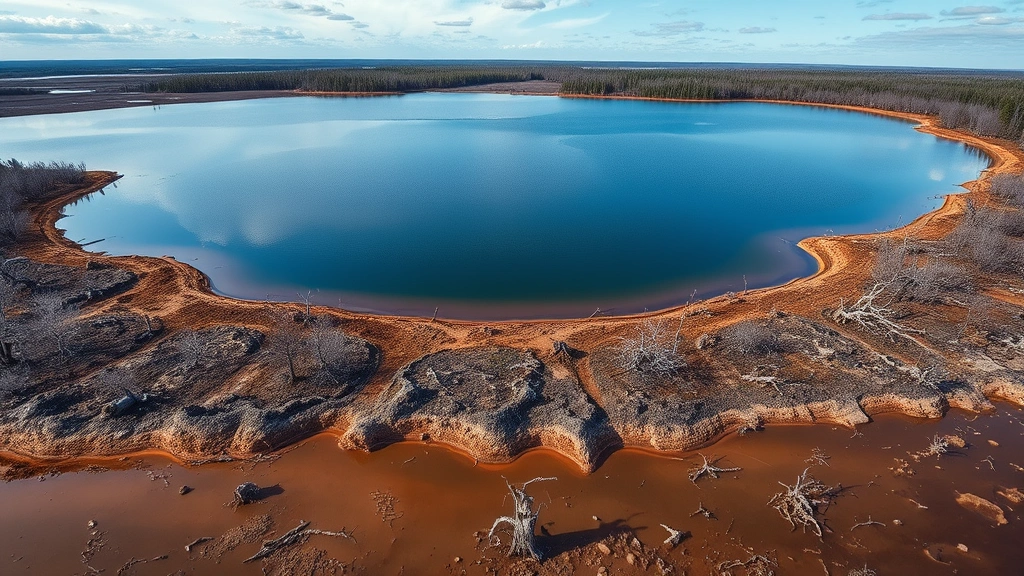
Reservoir drawdown zones create unvegetated buffer areas between water and land, eliminating riparian vegetation and creating erosion-prone unvegetated slopes. These drawdown zones, particularly in regions with substantial seasonal water-level fluctuations, create ecological dead zones unsuitable for native vegetation establishment. The aesthetic degradation of reservoirs with exposed banks and debris represents an additional environmental quality concern.
The cumulative habitat loss from hydroelectric development globally exceeds that from any other single energy infrastructure type. Unlike fossil fuel facilities occupying relatively confined geographic areas, hydroelectric reservoirs sprawl across landscapes, creating landscape-scale transformation effects on biodiversity and ecosystem function.
Water Quality Degradation
Reservoir creation fundamentally alters water quality through multiple mechanisms. Stratification in deep reservoirs creates anoxic bottom layers where anaerobic processes generate hydrogen sulfide, ammonia, and methane—compounds toxic to most aquatic organisms. When these anoxic waters are released downstream, they create hypoxic zones hostile to aquatic life and causing fish kills.
Nutrient cycling changes dramatically in reservoir systems. Phosphorus and nitrogen accumulate in reservoir sediments, creating conditions favorable for cyanobacterial blooms that produce toxins harmful to human health and aquatic ecosystems. Many reservoirs worldwide experience eutrophication, where excess nutrients trigger excessive algal growth, oxygen depletion, and ecosystem collapse.
Temperature regulation of reservoir water affects downstream water quality. Cold hypolimnetic releases reduce downstream water temperatures, while surface releases during summer can elevate temperatures. These temperature fluctuations disrupt seasonal patterns that aquatic organisms depend on for reproduction, migration, and metabolic processes.
Reservoir water retention increases residence time, allowing settling of suspended sediments but also increasing water contact with sediments containing accumulated pollutants. Heavy metals and persistent organic pollutants concentrate in reservoir sediments, creating bioaccumulation pathways through aquatic food webs affecting fish quality for human consumption.
The complexity of water quality impacts underscores why comprehensive environmental assessment requires interdisciplinary approaches integrating physical, chemical, and biological perspectives on ecosystem function.
Climate Benefits and Carbon Accounting
Despite significant environmental drawbacks, hydropower does provide substantial climate benefits through carbon-free electricity generation. When accounting for lifecycle emissions, hydroelectric facilities generate electricity with substantially lower carbon intensity than fossil fuel alternatives, typically producing 10-50 grams of CO2-equivalent per kilowatt-hour across their operational lifetimes.
However, accurate carbon accounting must incorporate methane emissions from reservoirs, which can substantially increase the carbon footprint for facilities in certain geographic contexts. Tropical reservoirs may produce lifecycle emissions approaching 100-300 grams CO2-equivalent per kilowatt-hour when methane is properly accounted for, though temperate and boreal reservoirs typically maintain lower emission rates.
The World Bank and international energy agencies increasingly emphasize the importance of accurate carbon accounting when evaluating hydroelectric development, particularly in biodiversity-rich tropical regions where ecological costs may exceed climate benefits.
Hydropower’s dispatchable nature—the ability to generate electricity on demand—provides significant grid stability benefits compared to intermittent renewable sources like wind and solar. This characteristic gives hydropower value beyond simple kilowatt-hour production, supporting renewable energy system integration. However, this advantage must be weighed against documented ecological costs rather than treated as justification for uncontrolled hydroelectric expansion.
The climate benefits of hydropower remain real and significant, yet they must be contextualized within broader environmental impacts rather than presented as simple carbon-free alternatives to fossil fuels. Accurate environmental assessment requires holistic lifecycle analysis incorporating all ecosystem services affected by development.
Mitigation Strategies and Best Practices
Recognizing hydropower’s environmental costs has spurred development of mitigation strategies and best practices aiming to minimize ecological damage. Run-of-river hydroelectric facilities, which generate electricity without large reservoirs, eliminate many habitat inundation problems while maintaining some river connectivity. However, run-of-river systems provide limited flood control and water storage benefits, reducing their practical applicability in many contexts.
Environmental flow requirements, specifying minimum water releases maintaining downstream ecosystem function, represent critical mitigation strategies. However, implementation remains inconsistent globally, with many facilities operating without adequate environmental flow protocols. Research increasingly demonstrates that environmental flows require sophisticated adaptive management responding to seasonal patterns and species-specific requirements.
Fish passage facilities and turbine designs minimizing mortality represent technological approaches to mitigating migration impacts, though their effectiveness remains contested. Upstream and downstream fish passage success varies dramatically based on design, maintenance, and species-specific factors.
Sediment management strategies, including periodic reservoir drawdown allowing sediment mobilization downstream, attempt to restore natural sediment transport processes. However, these strategies require operational flexibility often conflicting with hydroelectric revenue optimization.
Comprehensive environmental assessment frameworks should integrate ecological, social, and economic dimensions before approving hydroelectric development. The UNEP water resources assessment emphasizes that sustainable hydropower requires prioritizing ecosystem protection alongside energy generation.
Emerging research from ecological economics journals demonstrates that true cost accounting, incorporating ecosystem service values lost through hydroelectric development, often renders large-scale hydroelectric projects economically unjustifiable compared to alternative renewable energy approaches.
Understanding these mitigation approaches connects to broader strategies for renewable energy implementation, which requires balancing energy security with environmental protection through thoughtful technology selection and deployment strategies.
Policymakers increasingly recognize that environmental education and literacy regarding hydropower impacts enables better decision-making about energy infrastructure investments. Public understanding of these complex tradeoffs remains essential for democratic governance of energy systems.
FAQ
Does hydropower truly produce zero emissions?
Hydropower generates electricity without direct greenhouse gas emissions during operation, but lifecycle analysis incorporating reservoir methane emissions, construction impacts, and infrastructure effects reveals that actual emissions vary substantially by geographic context. Tropical reservoirs may produce significant methane emissions, while temperate facilities typically maintain lower lifecycle emissions. Accurate environmental assessment requires comprehensive accounting rather than simplified zero-emission categorizations.
Why do reservoirs produce methane if they contain water?
Methane generation occurs in anoxic reservoir bottom layers where organic material undergoes anaerobic decomposition. Submerged forests, soils, and vegetation decay without oxygen access, producing methane through bacterial metabolic processes. This methane diffuses upward through water column and escapes to the atmosphere, representing a significant but often-overlooked greenhouse gas source from hydroelectric facilities.
Can fish passage facilities completely solve migration problems?
Fish passage facilities provide partial solutions but cannot fully restore natural migration patterns. Many species navigate these structures ineffectively, and effectiveness varies based on design, maintenance, and operational protocols. Additionally, passage facilities address upstream migration but provide limited protection for downstream-migrating juvenile fish facing turbine mortality.
Are run-of-river hydroelectric facilities environmentally superior?
Run-of-river systems eliminate large reservoir habitat inundation and reduce methane emissions, representing improvements over conventional dam-based hydropower. However, they still fragment rivers, alter flow patterns, and disrupt fish migration. Additionally, run-of-river facilities provide limited water storage and flood control benefits, reducing their practical applicability in many geographic and economic contexts.
How significant is habitat loss from hydroelectric development?
Hydroelectric facilities represent one of the most extensive land-use conversion drivers globally, inundating millions of hectares of terrestrial and aquatic ecosystems. This habitat loss ranks among the leading causes of freshwater biodiversity decline and represents irreversible transformation of landscapes, particularly in biodiverse tropical regions targeted for hydroelectric expansion.
Can environmental flows adequately protect downstream ecosystems?
Environmental flows represent important mitigation strategies but require sophisticated adaptive management responding to seasonal patterns and species-specific requirements. Implementation remains inconsistent globally, with many facilities operating without adequate environmental flow protocols. Research demonstrates that environmental flows alone cannot fully compensate for ecosystem disruption caused by dam construction and reservoir creation.
What alternatives exist to large-scale hydroelectric development?
Alternatives include solar, wind, geothermal, and other renewable energy sources that avoid ecosystem disruption through habitat inundation. Distributed renewable energy systems, energy efficiency improvements, and demand management strategies can provide energy security without large-scale hydroelectric development. For contexts where hydropower remains necessary, run-of-river facilities with robust environmental protections represent less damaging alternatives to conventional dam-based systems.


