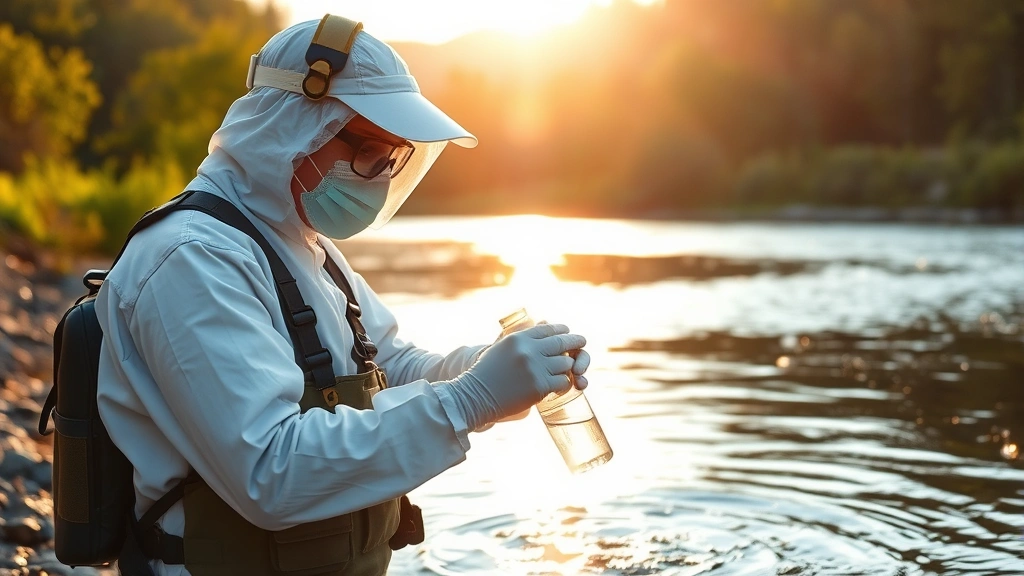
The environmental sector faces unprecedented challenges as climate change, pollution, and ecosystem degradation accelerate globally. At the frontline of these efforts stand critical environment technicians—specialized professionals who bridge the gap between environmental science and practical implementation. These technicians are essential to monitoring air and water quality, managing hazardous materials, conducting environmental assessments, and ensuring regulatory compliance across industrial and governmental sectors. Their work directly impacts public health, ecosystem preservation, and the success of environmental remediation projects.
Critical environment technicians represent a growing career field that combines technical expertise with environmental stewardship. According to the U.S. Bureau of Labor Statistics, environmental technician positions are projected to grow as industries increasingly prioritize sustainability and regulatory adherence. These professionals work in laboratories, field sites, manufacturing facilities, and government agencies, collecting data, analyzing samples, and implementing pollution control measures. Understanding their role provides valuable insight into how modern economies balance industrial operations with ecological preservation.
Defining Critical Environment Technicians
A critical environment technician is a specialized professional trained to monitor, analyze, and manage environmental conditions in various settings. The term “critical” emphasizes the importance of their work in maintaining environmental standards that protect both human health and natural ecosystems. These technicians operate at the intersection of environmental science fundamentals and practical application, translating complex scientific principles into actionable environmental management strategies.
The role encompasses diverse responsibilities depending on the specific industry and workplace. In manufacturing facilities, critical environment technicians monitor emissions and waste streams. In pharmaceutical and semiconductor industries, they maintain controlled environments essential for product quality. In environmental consulting firms, they collect field samples and conduct preliminary environmental assessments. Their expertise spans air quality monitoring, water testing, soil analysis, hazardous waste management, and indoor environmental quality assessment.
The distinction between general environmental technicians and critical environment technicians often relates to the complexity of the systems they manage and the precision required. Critical environments—such as cleanrooms in pharmaceutical manufacturing or controlled laboratory spaces—demand heightened attention to detail and rigorous adherence to specifications. This specialization commands higher compensation and requires more advanced technical training.
Core Responsibilities and Daily Tasks
Critical environment technicians engage in a diverse range of daily activities that form the backbone of environmental management operations. Their responsibilities typically include:
- Environmental Monitoring: Conducting regular measurements of air quality, water quality, and soil conditions using calibrated instruments and following standardized protocols.
- Sample Collection: Gathering representative samples from various environmental matrices—air, water, soil, and waste streams—using proper chain-of-custody procedures.
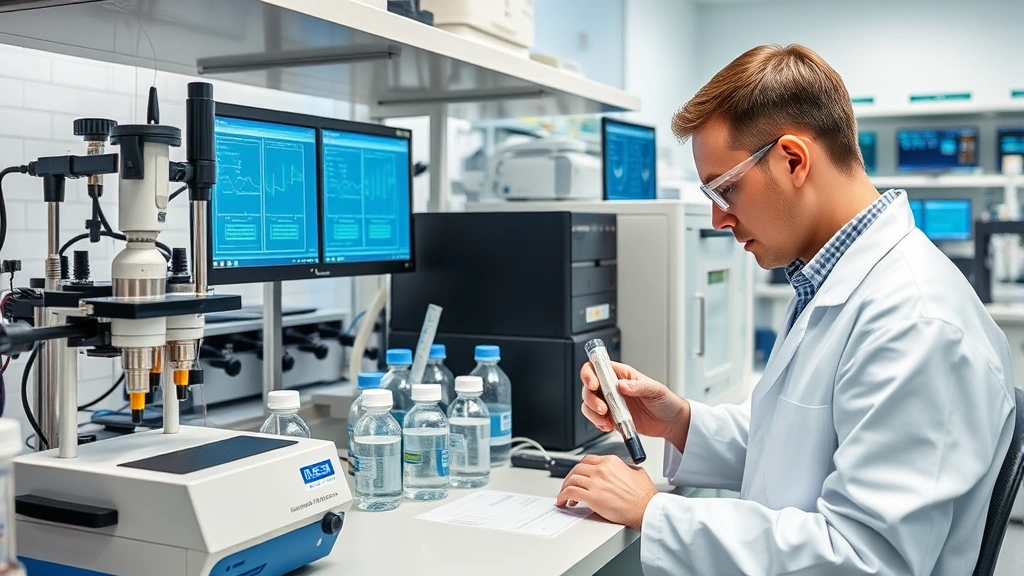
- Laboratory Analysis: Performing chemical and physical tests on environmental samples to determine contaminant levels, pollutant concentrations, and compliance with regulatory standards.
- Data Management: Recording, organizing, and analyzing environmental data, often using specialized software and Geographic Information Systems (GIS) technology.
- Regulatory Compliance: Ensuring that operations meet federal, state, and local environmental regulations including Clean Air Act, Clean Water Act, and Resource Conservation and Recovery Act (RCRA) requirements.
- Report Preparation: Documenting findings in comprehensive reports that communicate environmental conditions to stakeholders, regulators, and management.
- Equipment Maintenance: Calibrating, maintaining, and troubleshooting monitoring equipment to ensure accurate and reliable measurements.
The daily work environment varies significantly based on employment sector. Field technicians spend considerable time outdoors conducting environmental surveys, while laboratory-based technicians work in controlled indoor settings analyzing samples. Many critical environment technicians split their time between office work, laboratory analysis, and field investigations.
Technical Skills and Competencies
Success as a critical environment technician requires a multifaceted skill set combining scientific knowledge, technical proficiency, and practical problem-solving abilities. Key competencies include:
Scientific Foundation: Comprehensive understanding of chemistry, physics, biology, and geology forms the foundation for environmental analysis. Technicians must grasp concepts like pH, dissolved oxygen, particulate matter, and bioaccumulation to interpret environmental data meaningfully.
Analytical Instrumentation: Proficiency with specialized equipment including gas chromatography-mass spectrometry (GC-MS), inductively coupled plasma (ICP) spectrometers, atomic absorption spectrophotometry (AAS), and various water quality probes. Operating these instruments requires both technical knowledge and meticulous attention to calibration protocols.
Quality Assurance/Quality Control (QA/QC): Understanding statistical methods, quality control procedures, and validation protocols ensures data reliability. Critical environment technicians must implement rigorous QA/QC measures to maintain data integrity required by regulatory agencies and clients.
Information Technology: Proficiency with environmental monitoring software, database management systems, and data analysis tools. Many positions increasingly require Geographic Information Systems (GIS) skills for spatial analysis and environmental mapping.
Regulatory Knowledge: Familiarity with environmental regulations, standards, and permit requirements governing their specific industry. This includes understanding EPA regulations, state environmental codes, and industry-specific standards.
Safety and Hazmat Management: Comprehensive training in handling hazardous materials, personal protective equipment (PPE), safety protocols, and emergency response procedures is essential for protecting technician health and workplace safety.
Communication Skills: Ability to document findings clearly, present data to non-technical stakeholders, and collaborate effectively with scientists, engineers, and management personnel.
Industry Applications and Sectors
Critical environment technicians work across diverse industries, each with specialized environmental requirements and challenges:
Pharmaceutical and Biotechnology: These industries require controlled environments for human-environment interaction at the microscopic level. Critical environment technicians maintain cleanroom specifications, monitor particulate contamination, manage air handling systems, and ensure compliance with Good Manufacturing Practices (GMP). Contamination in these environments can compromise product integrity and patient safety, making precision work essential.
Semiconductor Manufacturing: Ultra-pure environments are required for semiconductor fabrication. Technicians monitor contamination levels, maintain cleanroom protocols, and ensure water and gas purity standards are met. Even microscopic particles can damage semiconductor wafers, making their work critically important to manufacturing success.
Environmental Consulting and Remediation: Firms specializing in site assessment and cleanup employ technicians to conduct Phase I and Phase II Environmental Site Assessments (ESAs), monitor remediation activities, and verify contamination cleanup. This sector directly supports the broader goal of environmental protection in society.
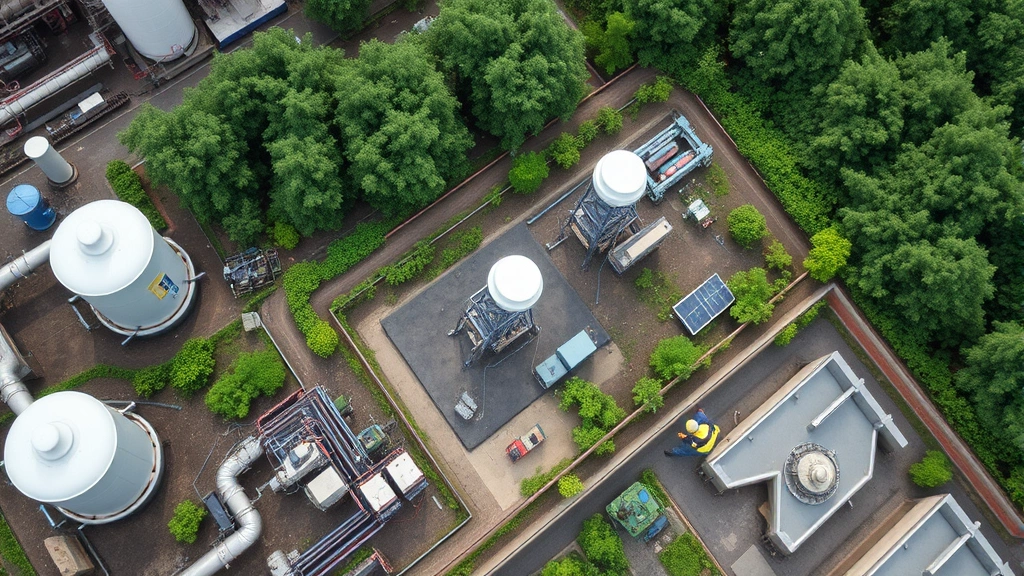
Manufacturing and Industrial Operations: Chemical plants, refineries, and manufacturing facilities employ critical environment technicians to monitor air emissions, wastewater discharge, hazardous waste storage, and worker exposure to contaminants. Their work ensures compliance with environmental permits and protects both workers and surrounding communities.
Government and Regulatory Agencies: EPA regional offices, state environmental agencies, and local health departments employ technicians to conduct inspections, collect compliance samples, and investigate environmental violations. This work ensures regulatory enforcement and protects public health.
Water and Wastewater Treatment: Municipal and industrial treatment facilities employ technicians to monitor treatment processes, test water quality, and ensure treated water meets Safe Drinking Water Act standards. Their analytical work protects public health by ensuring water safety.
Educational Pathways and Certifications
Becoming a critical environment technician typically requires formal education beyond high school, combined with specialized certifications. Multiple educational pathways exist:
Associate Degree Programs: Community colleges throughout North America offer two-year Associate degree programs in Environmental Science, Environmental Technology, or Environmental Management. These programs provide comprehensive training in environmental science fundamentals, analytical chemistry, field sampling procedures, and regulatory requirements. Many programs include laboratory components and internship opportunities with environmental organizations.
Bachelor’s Degree Option: Some technicians pursue four-year Bachelor’s degrees in Environmental Science or Environmental Engineering, which can lead to advancement into supervisory or professional roles. This educational pathway is often preferred for positions requiring greater technical complexity or supervisory responsibilities.
Professional Certifications: Multiple certifications enhance employment prospects and demonstrate specialized competency. The Certified Environmental Professional (CEP) credential, offered through the Institute of Professional Environmental Practice, validates comprehensive environmental knowledge. The Certified Environmental Technician (CET) certification, available through the National Institute for Certification in Engineering Technologies (NICET), specifically recognizes technician-level expertise. Water quality certifications, hazmat certifications, and air quality monitoring certifications provide additional specialization credentials.
On-the-Job Training: Many employers provide comprehensive training programs for entry-level technicians, particularly for instrument operation and company-specific procedures. However, foundational education provides essential background knowledge that accelerates professional development.
Continuing Education: Environmental regulations and analytical techniques evolve continuously, requiring technicians to pursue ongoing professional development. Many employers support professional development through conference attendance, workshops, and online courses to maintain staff expertise and regulatory compliance.
Economic Impact and Career Prospects
The critical environment technician profession contributes significantly to both economic productivity and environmental protection, creating meaningful career opportunities with solid compensation and growth potential. According to Bureau of Labor Statistics employment data, environmental technician positions are projected to grow faster than average across most sectors.
Career prospects are strengthened by several economic factors. Increasing regulatory complexity and stricter environmental standards drive demand for qualified technicians across industries. Corporate sustainability initiatives and Environmental, Social, and Governance (ESG) commitments create additional employment opportunities. The global shift toward circular economy principles and pollution prevention strategies expands the scope of environmental technician work.
Median salaries for environmental technicians vary by region, experience, and specialization, but generally range from $42,000 to $65,000 annually, with experienced technicians in specialized sectors earning substantially more. Career advancement opportunities exist into supervisory roles, environmental consulting, or specialized technical positions requiring greater expertise.
From an economic perspective, critical environment technicians represent essential investments in long-term productivity. Their work prevents costly environmental liabilities, ensures regulatory compliance that avoids substantial fines, and protects human capital through occupational safety and public health protection. The economic value of preventing environmental contamination far exceeds the cost of employing qualified technicians, making this profession economically rational from both individual and societal perspectives.
Challenges and Future Directions
Critical environment technicians face evolving challenges that will shape the profession’s future trajectory. Understanding these challenges provides insight into career development opportunities and the profession’s strategic importance:
Technological Evolution: Rapid advancement in analytical instrumentation, artificial intelligence, and automated monitoring systems requires continuous professional development. Technicians must adapt to new technologies while maintaining foundational knowledge of traditional methods. This creates both challenges and opportunities for professional growth and specialization.
Climate Change Adaptation: Climate change introduces new environmental monitoring priorities and challenges. Technicians increasingly focus on air quality impacts from wildfire smoke, altered precipitation patterns affecting water quality, and ecosystem stress indicators. The profession must evolve to address these emerging environmental challenges.
Emerging Contaminants: Detection and analysis of emerging contaminants—including per- and polyfluoroalkyl substances (PFAS), microplastics, and pharmaceutical residues—requires expanded technical capabilities. Technicians must develop expertise in analyzing substances that regulatory frameworks are still developing.
Workforce Development: The field faces recruitment challenges as younger workers pursue other careers. Emphasizing career opportunities that help the environment and highlighting the meaningful impact of environmental work is essential for attracting qualified personnel.
Data Integration and Big Data: Environmental monitoring generates increasingly large datasets requiring advanced analytical capabilities. Technicians must develop proficiency with data science tools, machine learning applications, and sophisticated statistical analysis methods.
Interdisciplinary Collaboration: Modern environmental challenges require technicians to collaborate effectively with engineers, scientists, economists, and policy specialists. This interdisciplinary approach reflects the complex relationship between environmental systems and society.
Future directions for the profession include greater emphasis on preventive environmental management, expanded work in circular economy implementation, and increased focus on environmental justice issues affecting disadvantaged communities. Technicians will increasingly work on nature-based solutions, green infrastructure monitoring, and ecosystem restoration projects alongside traditional pollution monitoring roles.
The profession’s evolution reflects broader societal recognition that environmental protection is not optional but essential for long-term economic and social stability. As environmental challenges intensify, demand for skilled critical environment technicians will continue growing, offering meaningful career opportunities for professionals committed to environmental stewardship.
According to United Nations Environment Programme reports, the transition to sustainable economies requires significant expansion of environmental technical expertise. Critical environment technicians will play crucial roles in this transition, ensuring that economic activities align with ecological limits and environmental protection requirements.
FAQ
What is the primary difference between environmental technicians and critical environment technicians?
Critical environment technicians specialize in highly controlled environments or complex environmental systems requiring precise monitoring and analysis. General environmental technicians may have broader responsibilities across various environmental monitoring tasks. Critical environment work often demands greater precision, specialized equipment expertise, and adherence to strict protocols, particularly in pharmaceutical, semiconductor, or specialized manufacturing contexts.
What certifications are most valuable for career advancement?
The Certified Environmental Technician (CET) credential from NICET provides broad recognition across industries. Specialized certifications in water quality analysis, air quality monitoring, hazmat management, and GIS analysis add significant value depending on career goals. Many employers also value industry-specific certifications relevant to their particular sector.
How does this career contribute to environmental protection?
Critical environment technicians directly support environmental protection by monitoring pollution levels, ensuring regulatory compliance, collecting data for environmental assessments, and implementing pollution control measures. Their work prevents environmental contamination, supports remediation of contaminated sites, and ensures that industrial operations meet environmental standards protecting public health and ecosystems.
What salary growth can technicians expect over their careers?
Entry-level technicians typically start at lower salary ranges, but experienced technicians with specialized certifications and advanced skills can earn significantly more. Advancement into supervisory roles, specialized technical positions, or consulting work typically results in 40-60% salary increases over a 15-20 year career. Geographic location, industry sector, and educational credentials significantly influence salary progression.
Are remote work opportunities available in this field?
Many aspects of critical environment technician work require on-site presence for field sampling, laboratory analysis, and equipment operation. However, data analysis, report preparation, and some administrative responsibilities can be performed remotely. Hybrid arrangements combining on-site and remote work are increasingly common, particularly in consulting firms and government agencies.
What industries are expected to hire the most technicians in coming years?
Pharmaceutical and biotechnology sectors, semiconductor manufacturing, environmental consulting, and renewable energy sectors are expected to see significant hiring growth. Water treatment facilities and environmental remediation companies also project substantial employment growth. These sectors align with broader economic trends toward sustainability and regulatory compliance emphasis.
How do environmental technicians support practical environmental protection strategies?
Technicians provide the scientific data and monitoring that supports evidence-based environmental protection strategies. Their measurements inform policy decisions, guide remediation efforts, verify effectiveness of pollution control technologies, and document progress toward environmental goals. Without their technical expertise, environmental protection strategies would lack the data foundation necessary for effective implementation.


