Do Alien Species Harm Ecosystems? Scientific Insights
Invasive alien species represent one of the most pressing ecological crises of our time, yet their impacts remain underappreciated in mainstream environmental discourse. When non-native organisms establish themselves in new ecosystems, they often trigger cascading ecological disruptions that can fundamentally alter biodiversity, ecosystem services, and economic productivity. The scientific evidence overwhelmingly demonstrates that alien species invasions constitute a primary driver of biodiversity loss globally, rivaling habitat destruction in their destructive capacity.
The economic costs alone are staggering. The World Bank estimates that invasive species cause over $423 billion annually in damages worldwide, yet this figure only captures direct economic losses. The true ecological toll—measured in extinct species, degraded habitats, and compromised ecosystem functions—remains incalculable. Understanding the mechanisms through which alien species harm ecosystems requires examining the scientific evidence, ecological principles, and real-world case studies that illuminate this complex environmental challenge.
What Are Alien Species and How Do They Arrive?
Alien species, also termed invasive species or non-native organisms, are plants, animals, fungi, or microorganisms that establish populations in ecosystems beyond their historical geographic range. These species differ fundamentally from native species through their lack of coevolutionary history with local biotic communities. The distinction matters ecologically: native species have developed intricate relationships with local predators, competitors, and symbionts over millennia, creating balanced community structures. Alien species, by contrast, often arrive without their natural enemies, parasites, or competitors that regulate populations in their native ranges.
The pathways through which alien species arrive have expanded dramatically with globalization. International trade constitutes the primary vector, with organisms hitchhiking in shipping containers, ballast water, and agricultural products. The United Nations Environment Programme documents that maritime transport alone introduces approximately 3,000-10,000 species daily into new ecosystems through ballast water discharge. Additional pathways include deliberate introductions for agriculture, horticulture, and pet trade; accidental escapes from captivity; and natural range expansion facilitated by climate change. Understanding these mechanisms is essential for implementing effective ways to protect the environment through prevention-focused strategies.
Mechanisms of Ecological Harm
Alien species harm ecosystems through multiple interconnected mechanisms that operate across individual, population, and community levels. The primary mechanism involves direct predation: introduced predators often encounter naive prey species that lack evolved anti-predator behaviors. The brown tree snake in Guam eliminated entire bird populations that had no evolutionary experience with terrestrial predators, resulting in the extinction of endemic species like the Guam flycatcher. Similarly, invasive carp in North American waterways consume aquatic vegetation and disturb sediments, fundamentally altering habitat structure for native species.
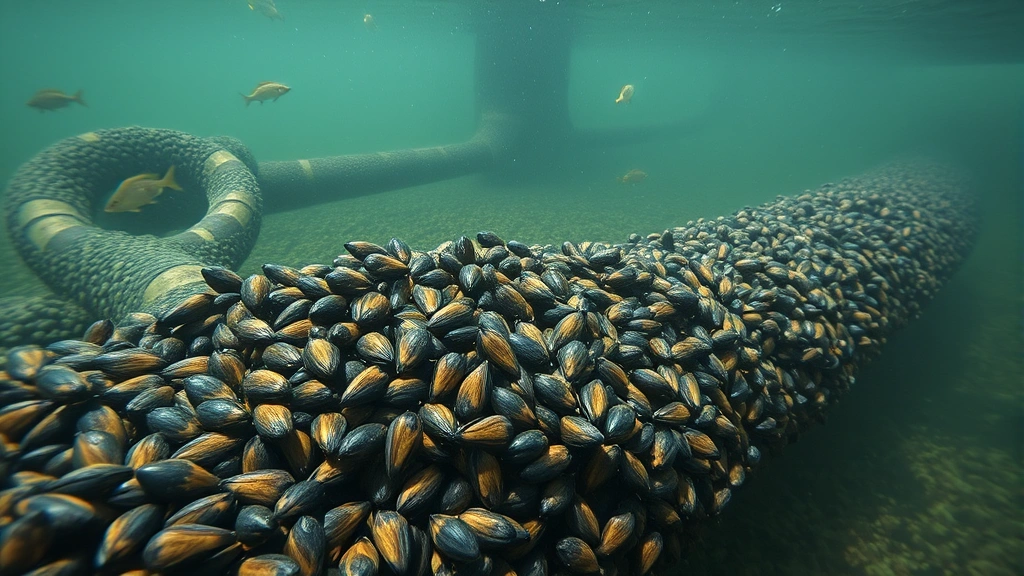
Competition for limiting resources represents another critical harm pathway. Alien plants frequently outcompete natives through superior growth rates, allelopathic compounds, or novel resource acquisition strategies. The invasive zebra mussel clogs water intake pipes while simultaneously outcompeting native mussels for food resources, demonstrating how alien species can simultaneously harm ecosystems and human infrastructure. Competition intensity often exceeds that between native species because invasive organisms may exploit resources unavailable to co-evolved native communities.
Hybridization and genetic swamping occur when alien species interbreed with native relatives, diluting adapted gene complexes and potentially causing genetic extinction even when populations persist demographically. California’s native rainbow trout face extinction through hybridization with introduced cutthroat trout, exemplifying how alien species can harm biodiversity at the genetic level. Disease transmission represents an underappreciated mechanism: introduced pathogens have devastated entire ecosystems, as evidenced by the chytrid fungus causing amphibian mass extinctions across multiple continents.
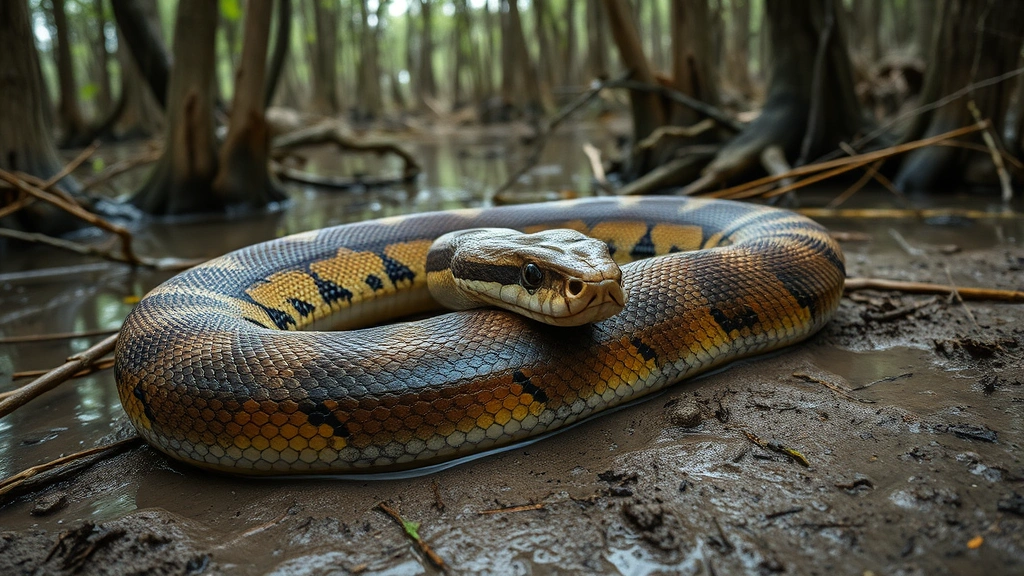
Ecosystem engineering by invasive species creates novel environmental conditions unsuitable for native organisms. The Burmese python in the Florida Everglades alters prey availability, trophic structure, and energy flow throughout the food web. Invasive grasses in western North America increase fire frequency and intensity, fundamentally transforming fire regimes that native plant communities depend upon. These cascading effects demonstrate how understanding human environment interaction extends to comprehending how introduced species reshape ecological relationships established over evolutionary timescales.
Biodiversity Loss and Extinction Cascades
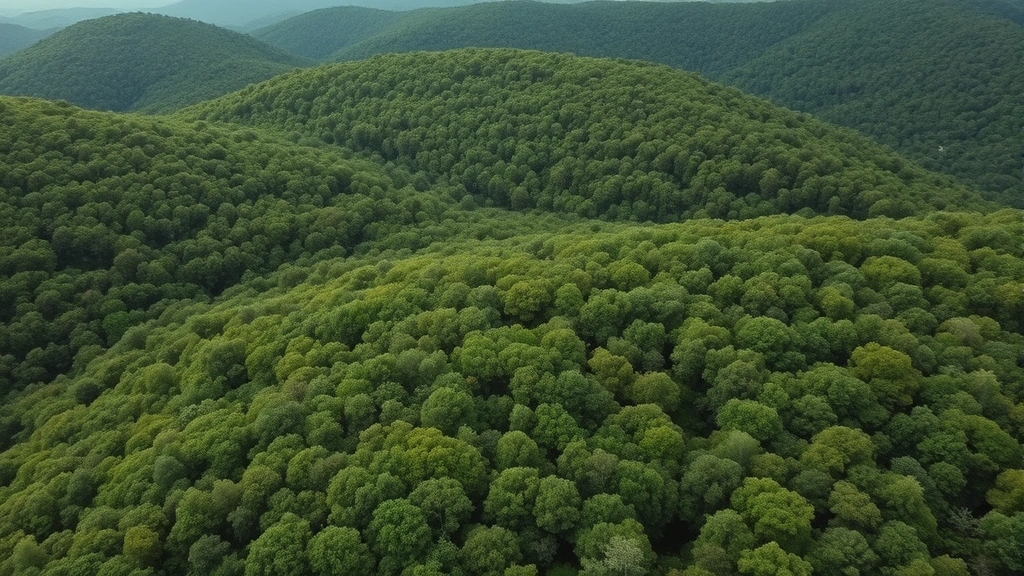
The relationship between alien species and biodiversity loss represents one of ecology’s most comprehensively documented phenomena. Research published in leading ecological journals demonstrates that invasive species rank among the top five drivers of species extinction globally, alongside habitat loss, climate change, overexploitation, and pollution. Islands prove particularly vulnerable: approximately 40% of documented extinctions result from invasive species, reflecting island ecosystems’ reduced species diversity and limited geographic refugia.
Extinction cascades amplify initial losses when key species disappear. Removal of apex predators through predation by invasive species destabilizes trophic pyramids, causing secondary extinctions throughout food webs. Conversely, invasive herbivores may overexploit plant populations, triggering primary consumer declines that cascade upward. The complexity of modern food webs means that alien species impacts rarely remain localized; rather, they propagate through ecosystem networks in unpredictable patterns. Island ecosystems demonstrate this vulnerability most clearly: the introduction of rats to island bird colonies eliminated multiple endemic species through predation, exemplifying how alien species can harm entire communities.
Genetic diversity loss extends beyond species extinctions. Invasive populations often derive from small founder populations, yet they may harbor novel genetic variation absent in native communities. Interbreeding introduces this variation into native gene pools, potentially disrupting locally adapted genetic complexes. The Everglades ecosystem illustrates this complexity: while pythons directly reduce native species populations, their impacts also affect genetic structure of surviving populations through altered selection pressures and demographic bottlenecks.
Ecosystem Services and Economic Impacts
Ecosystems provide essential services—water purification, pollination, climate regulation, nutrient cycling—upon which human societies depend. Alien species harm these services through multiple pathways. Invasive carp muddy water columns, reducing light penetration and disrupting photosynthesis in aquatic vegetation. This degradation compromises water quality, increases treatment costs for human consumption, and reduces fish populations that depend on vegetated habitats. The economic costs manifest directly through infrastructure damage and water treatment expenses, while ecological costs include reduced aquatic biodiversity and compromised ecosystem functioning.
Agricultural ecosystems experience particularly severe economic impacts. The fall armyworm, native to the Americas, has invaded Africa and Asia, causing estimated annual losses exceeding $6 billion in corn alone. Invasive agricultural weeds reduce crop yields through competition for nutrients, water, and light, necessitating expensive herbicide applications that generate environmental externalities. These economic impacts demonstrate how alien species harm not merely pristine ecosystems but also human food security and economic productivity.
Pollination services face threats from invasive bee species and plants that disrupt native pollinator-flower relationships. When invasive plants dominate landscapes, they reduce native plant diversity and alter the floral resources available to native pollinators. This disruption cascades through agricultural systems dependent on pollination services. Understanding these economic dimensions connects environmental protection to economic sustainability, illustrating why environment and society relationships require integrated management approaches.
Case Studies of Devastating Invasions
The Cane Toad in Australia: Introduced in 1935 to control agricultural pests, cane toads have become an ecological nightmare affecting over 1.5 million square kilometers. These toads possess no natural predators in Australia, and their toxic skin secretions kill native predators attempting consumption. Populations now exceed 200 million individuals, with densities reaching 2,000 per hectare in some regions. The cane toad exemplifies how alien species harm ecosystems through novel predator-prey relationships, with native species like quolls, snakes, and crocodilians experiencing population collapses from toad toxin exposure.
Zebra Mussels in North America: Arriving via ballast water in 1988, zebra mussels now infest over 1,000 water bodies across North America. These filter feeders consume phytoplankton, reducing food availability for native zooplankton and fish larvae. They attach to hard substrates in massive numbers, clogging water intake pipes and costing utilities over $1 billion annually in management expenses. The zebra mussel case demonstrates how alien species harm both ecological and economic systems simultaneously, requiring integrated management responses.
Kudzu in the Southern United States: Introduced as an ornamental plant, kudzu now covers an estimated 3-6 million acres across southeastern North America. This aggressive vine outcompetes native vegetation, smothers forest understories, and reduces habitat quality for wildlife. Kudzu invasion alters fire regimes, soil chemistry, and light availability, creating conditions unsuitable for native plant regeneration. Management costs exceed $500 million annually, yet eradication remains infeasible given the species’ reproductive capacity and allelopathic chemistry.
Burmese Pythons in the Florida Everglades: Escaped or released from captivity beginning in the 1980s, Burmese pythons now number in the hundreds of thousands across the Everglades. These apex predators have reduced mammal populations by up to 99% in invaded areas, fundamentally restructuring food webs and ecosystem dynamics. The python invasion demonstrates how alien species can harm entire ecosystem functions, with cascading effects on vegetation, nutrient cycling, and predator-prey relationships established over millennia.
Prevention and Management Strategies
Preventing invasions proves far more cost-effective than managing established populations. Biosecurity measures targeting introduction pathways represent the most efficient intervention strategy. Ballast water treatment requirements, agricultural quarantine protocols, and pet trade regulations can substantially reduce introduction rates. The International Union for Conservation of Nature documents that every dollar invested in prevention yields approximately ten dollars in avoided management costs.
Early detection and rapid response (EDRR) programs capitalize on the lag phase during which invasive populations remain small and eradicable. Monitoring programs targeting high-risk pathways enable rapid identification of newly arrived species before population establishment. Successful EDRR programs in New Zealand, Australia, and parts of North America have prevented numerous invasions from establishing. These prevention-focused approaches align with broader strategies for protecting the environment through proactive rather than reactive management.
Control and eradication of established invasions employ mechanical, chemical, and biological approaches. Mechanical removal works for some species but proves infeasible for widespread invasions. Chemical control via herbicides or pesticides risks non-target species impacts and environmental contamination. Biological control—introducing natural enemies from the invasive species’ native range—offers promise but requires rigorous testing to prevent creating new invasions. The integrated approach combining multiple strategies often proves most effective, though management costs typically exceed $1 billion annually across North America alone.
Restoration ecology increasingly incorporates alien species management as essential for ecosystem recovery. Removing invasive species restores habitat structure, light availability, and resource distributions, enabling native species recolonization. Long-term monitoring demonstrates that ecosystems exhibit resilience when invasive populations decline, though recovery timescales extend decades to centuries depending on ecosystem complexity and invasion severity. Understanding these recovery dynamics informs how ecosystems function and how humans affect the environment through both direct impacts and management interventions.
Policy frameworks addressing alien species require international coordination given that species migration crosses political boundaries. The Convention on Biological Diversity and regional agreements increasingly incorporate invasive species management, though enforcement remains inconsistent. Economic incentives for prevention exceed those for management, yet funding mechanisms remain underdeveloped in many regions. The integration of ecological knowledge with economic policy represents a frontier in environmental management, requiring interdisciplinary approaches connecting conservation biology with ecological economics.
FAQ
How do alien species differ from native species ecologically?
Alien species lack coevolutionary history with local communities, arriving without natural enemies, competitors, or symbionts that regulate populations in native ranges. This absence of biological regulation often enables rapid population growth and ecosystem disruption. Native species, conversely, maintain population equilibria through evolved predator-prey relationships, competitive interactions, and disease dynamics developed over millennia.
Can ecosystems adapt to invasive species?
Adaptation occurs on evolutionary timescales spanning centuries to millennia, far exceeding the rapid invasion rates characteristic of the Anthropocene. While some native species evolve resistance or behavioral responses to invasive predators, most experience population declines before adaptive evolution occurs. The evolutionary rescue hypothesis suggests adaptation is possible, but empirical evidence demonstrates that most native species face extinction rather than adaptation when confronted by invasive competitors or predators.
Are all non-native species harmful?
Not all non-native species become invasive or cause ecological harm. Many introduced species fail to establish populations or remain confined to human-modified habitats. The distinction between non-native species and invasive species matters: invasive species specifically cause ecological or economic harm. However, determining which non-native species will become invasive remains difficult, supporting precautionary approaches to introduction prevention.
What role does climate change play in invasions?
Climate change expands suitable habitat ranges for many invasive species while simultaneously reducing native species’ capacity to persist in altered environmental conditions. Warming temperatures enable tropical invasive species to establish in formerly temperate regions. Altered precipitation patterns create novel habitat conditions favoring invasive drought-tolerant species. The interaction between climate change and biological invasions represents a critical emerging threat to ecosystem stability.
How can individuals contribute to invasion prevention?
Individual actions supporting invasion prevention include avoiding release of pet species, purchasing native plants for landscaping, cleaning outdoor equipment before traveling between regions, and supporting policy initiatives addressing ballast water treatment and agricultural quarantine. Consumer choices regarding seafood and agricultural products can reduce demand for species transported internationally. Education and awareness-raising represent crucial individual contributions to addressing this ecosystem challenge.


