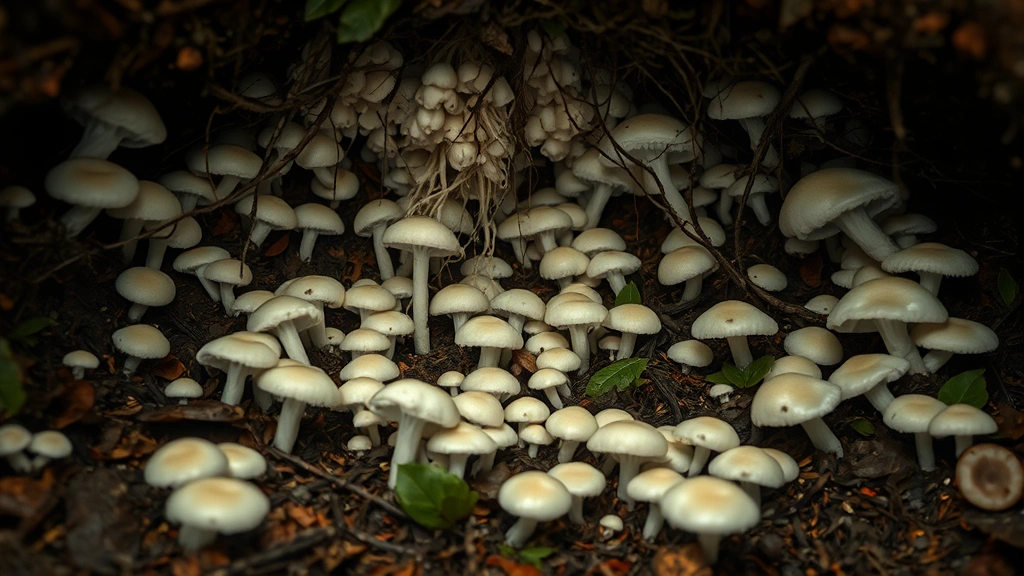
How Do Fungi Boost Ecosystems? Scientific Insight into Nature’s Hidden Engineers
Fungi represent one of Earth’s most underappreciated biological kingdoms, yet they perform irreplaceable functions that sustain entire ecosystems. Unlike plants that produce energy through photosynthesis or animals that consume organic matter, fungi occupy a unique ecological niche as decomposers and nutrient recyclers. These remarkable organisms absorb nutrients from the environment through a process of enzymatic breakdown, transforming dead organic material into forms accessible to other life forms. This fundamental metabolic strategy makes fungi essential architects of ecosystem health and productivity.
The scientific community has increasingly recognized that fungal networks underpin the stability and resilience of natural systems worldwide. From vast underground mycelial networks connecting forest floors to microscopic fungi inhabiting soil pores, these organisms facilitate nutrient cycling, enhance plant growth, and maintain ecological balance. Understanding how fungi boost ecosystems requires examining their biochemical processes, ecological relationships, and the cascading effects they generate throughout food webs and biogeochemical cycles.

The Fungal Kingdom: Definition and Ecological Role
Fungi are eukaryotic organisms that absorb nutrients from the environment through external enzymatic digestion, distinguishing them fundamentally from both plants and animals. This absorption-based nutrition strategy evolved over millions of years, creating specialized structures and biochemical pathways that optimize nutrient extraction from complex organic substrates. The fungal cell wall composition, primarily chitin rather than cellulose, reflects their distinct evolutionary lineage and contributes to their remarkable enzymatic capabilities.
Ecologically, fungi occupy the critical decomposer niche within ecosystems. They break down dead organic matter—fallen leaves, deceased organisms, woody debris—that would otherwise accumulate and limit nutrient availability. This decomposition process releases essential elements like nitrogen, phosphorus, and carbon back into bioavailable forms. The efficiency of fungal decomposition directly influences ecosystem productivity and the health of environmental systems across all biomes.
Beyond decomposition, fungi engage in complex symbiotic relationships with living organisms. They colonize plant roots, form associations with algae and cyanobacteria in lichens, and establish mutualistic partnerships with insects and other fauna. These relationships demonstrate that fungi are not merely passive recyclers but active participants in ecosystem engineering and community assembly.

Nutrient Cycling and Decomposition Processes
The decomposition of organic matter represents one of nature’s most critical biochemical processes, and fungi are the primary architects of this system. When a tree falls in a forest or leaves shed in autumn, fungi initiate a systematic breakdown through the secretion of powerful enzymes including cellulases, hemicellulases, and ligninases. These enzymatic tools dismantle complex polymers into simpler compounds, releasing nutrients locked within biological structures.
The fungal decomposition process operates in sequential stages, with different fungal species specializing in particular substrates and degradation phases. Early colonizers attack easily accessible nutrients and sugars, while later-stage decomposers tackle more recalcitrant compounds like lignin—the complex polymer that provides structural rigidity to plant tissues. This succession of decomposer communities ensures complete nutrient extraction and recycling.
Nitrogen cycling particularly depends on fungal activity. Fungi break down proteinaceous compounds in dead organic matter, converting them into ammonia and other nitrogenous forms that plants can assimilate. In nutrient-poor ecosystems, this fungal-mediated nitrogen mobilization becomes the limiting factor determining primary productivity. Research from the United Nations Environment Programme emphasizes that fungal decomposition efficiency directly correlates with ecosystem carbon storage capacity and long-term sustainability.
Phosphorus cycling also relies heavily on fungal processes. Fungi secrete organic acids that solubilize inorganic phosphorus minerals, making them available for plant uptake. This biochemical weathering function demonstrates how fungi literally reshape the mineral landscape of ecosystems, converting geological substrates into biologically active nutrients.
The rate of fungal decomposition varies significantly with environmental conditions. Temperature, moisture, oxygen availability, and substrate chemistry all influence fungal activity rates. In tropical rainforests, rapid fungal decomposition returns nutrients to plant biomass quickly, supporting extraordinary biodiversity. In temperate and boreal forests, slower decomposition accumulates organic matter as forest floors—creating carbon-rich soil layers that store centuries of carbon sequestration.
Mycorrhizal Symbiosis and Plant Enhancement
Perhaps the most economically significant fungal function involves mycorrhizal associations—intimate symbiotic relationships between fungi and plant roots. Approximately 90% of terrestrial plant species form mycorrhizal partnerships, making these associations fundamental to global plant productivity and ecosystem functioning. In mycorrhizal relationships, fungi penetrate plant roots and extend hyphal networks into surrounding soil, creating a vastly expanded nutrient acquisition system.
Arbuscular mycorrhizal fungi (AMF) form branching structures within plant root cells, facilitating nutrient exchange across the plant-fungal interface. Ectomycorrhizal fungi (ECM) form sheaths around roots and penetrate between root cells, creating dense networks that enhance water and nutrient uptake. Both strategies dramatically increase the effective surface area for nutrient absorption, allowing plants to access resources from larger soil volumes and at greater depths than roots alone could achieve.
The benefits of mycorrhizal associations extend beyond nutrient acquisition. Fungi enhance plant drought tolerance by improving water uptake and reducing water stress. They increase plant disease resistance through both direct antagonism against pathogens and enhancement of plant immune responses. Plants inoculated with mycorrhizal fungi demonstrate increased photosynthetic efficiency, faster growth rates, and greater reproductive output compared to non-mycorrhizal controls.
From an economic perspective, mycorrhizal enhancement of plant productivity generates immense value in agricultural and forestry systems. Crops grown in mycorrhizal-rich soils require fewer synthetic fertilizers, reducing production costs and environmental contamination. Forest regeneration in degraded landscapes accelerates dramatically when mycorrhizal inoculants are applied, reducing restoration expenses while improving carbon sequestration outcomes. This connection between fungal health and sustainable agriculture relates directly to broader efforts to reduce carbon footprint in food production systems.
Carbon Sequestration and Climate Regulation
Fungi play a central but often underrecognized role in global carbon cycling and climate regulation. Through decomposition, fungi release carbon dioxide to the atmosphere, but they simultaneously accumulate substantial carbon in fungal biomass and soil organic matter. This dual role makes fungi critical players in determining whether ecosystems function as carbon sources or sinks.
Fungal necromass—the accumulated dead fungal material—represents a significant carbon pool in soils. Some estimates suggest that fungal biomass in soils rivals plant root biomass globally, creating an enormous reservoir of organic carbon. This fungal carbon pool is more chemically resistant to decomposition than many plant tissues, leading to longer carbon residence times in soil. Consequently, fungal-dominated decomposition pathways enhance carbon sequestration compared to bacterial-dominated pathways.
Mycorrhizal fungi directly influence plant carbon allocation patterns. Plants transfer substantial photosynthetic carbon to mycorrhizal partners—up to 20% of total photosynthate in some systems—providing fungi with energy while simultaneously stimulating plant growth and biomass accumulation. This carbon allocation to belowground fungal networks increases overall ecosystem carbon storage compared to non-mycorrhizal systems.
The World Bank’s environmental economics research increasingly incorporates fungal carbon dynamics into climate mitigation strategies. Soil carbon sequestration through fungal-mediated processes offers cost-effective climate change mitigation compared to technological approaches. Protecting fungal communities in forests, grasslands, and agricultural soils preserves existing carbon stocks while maintaining the biological processes that generate future carbon sequestration.
Climate change itself threatens fungal communities through shifting temperature and precipitation patterns, creating concerning feedback loops. Reduced fungal activity in warming regions could accelerate carbon release from soil pools, amplifying climate warming—a mechanism that highlights the urgent importance of fungal ecosystem conservation in climate adaptation strategies.
Fungal Networks and Ecosystem Connectivity
The discovery of extensive underground fungal networks—sometimes called the “wood wide web”—fundamentally changed our understanding of ecosystem organization and communication. Mycelial networks connect individual plants, creating pathways for nutrient and carbon transfer between organisms. These networks extend across vast areas; a single fungal individual can span several hectares, creating the largest living organisms on Earth.
Through mycelial networks, fungi facilitate nutrient transfer from nutrient-rich patches to nutrient-poor plants, creating a form of ecological resource sharing. Carbon-rich plants in sunny microsites can transfer photosynthetic products to shaded understory plants through fungal intermediaries. This transfer mechanism enhances overall ecosystem productivity and stability by redistributing resources across spatial heterogeneity.
Fungal networks also mediate communication between plants through chemical signaling. Plants under insect attack can transmit warning signals through mycelial networks to neighboring plants, triggering defensive compound synthesis before herbivores arrive. This network-mediated plant defense represents an emergent ecosystem property arising from fungal-plant interactions, demonstrating how fungi enhance ecosystem complexity and responsiveness.
The connectivity provided by fungal networks increases ecosystem resilience to disturbances. When individual plants suffer damage or stress, network connections allow resource transfer from healthier neighbors, promoting recovery and survival. This network-mediated resilience helps ecosystems maintain function through environmental variability and perturbations, a property increasingly important as human activities affect the environment and create novel stressors.
Fungal networks also connect different ecosystem types, facilitating nutrient and genetic exchange across landscape boundaries. This cross-ecosystem connectivity enhances regional biodiversity and ecosystem function, demonstrating that fungi operate at multiple scales from local microsites to regional landscapes.
Economic Value of Fungal Ecosystem Services
The economic value of fungal ecosystem services—nutrient cycling, carbon sequestration, plant enhancement, and disease suppression—is staggering. A comprehensive analysis from ecological economics research institutions estimates that fungal services generate trillions of dollars annually in ecosystem service value globally. These services include increased agricultural productivity, reduced pest and disease losses, carbon sequestration, and water purification.
In agricultural systems, mycorrhizal fungi reduce fertilizer requirements by 10-30% while maintaining or increasing yields. For global agriculture, this translates to billions of dollars in reduced input costs and environmental externalities avoided. Reduced synthetic fertilizer use also decreases water pollution, soil degradation, and greenhouse gas emissions from fertilizer production—aligning agricultural economics with environmental sustainability.
Forestry depends critically on fungal communities for timber productivity and carbon storage. Forests with healthy fungal communities accumulate biomass faster, store more carbon, and demonstrate greater resilience to pests and diseases. The carbon sequestration value alone—calculated through carbon credit markets—makes fungal conservation economically rational alongside environmental imperatives.
The pharmaceutical and food industries derive enormous value from fungal metabolism. Antibiotics, immunosuppressants, cholesterol-lowering statins, and countless other medicines derive from fungal secondary metabolism. Edible fungi represent a multi-billion-dollar global food industry. These direct economic values, while substantial, pale in comparison to the ecosystem service values fungi provide through their ecological functions.
Despite this enormous value, fungal communities face threats from habitat destruction, pollution, climate change, and agricultural intensification. Monoculture agriculture eliminates fungal diversity, reducing ecosystem service provision. Soil disturbance through tilling disrupts mycelial networks. Fungicide applications designed to prevent plant diseases often harm beneficial fungal communities. These management practices impose substantial hidden costs through reduced ecosystem service provision.
Integrating fungal conservation into environmental policy and economic decision-making represents a critical frontier in sustainable economics. As research from World Bank agricultural economics demonstrates, protecting fungal communities offers exceptional returns on conservation investment compared to alternative approaches. Supporting fungal-friendly management practices—reduced tillage, diverse crop rotations, minimized fungicide use, organic matter additions—provides economic benefits while enhancing ecosystem function and resilience.
The concept of fungal ecosystem services connects directly to broader sustainability frameworks. Understanding ecosystem services requires recognizing that organisms absorb nutrients from the environment through diverse mechanisms, with fungi representing the most economically valuable nutrient processors. This recognition should inform agricultural policy, forestry management, urban planning, and climate strategies worldwide.
Emerging research in sustainable industries explores how fungal metabolism can replace chemical processes in textile production, biofuel generation, and waste treatment. These innovations leverage fungal enzyme systems to create closed-loop production systems with minimal environmental impact, demonstrating that fungal ecology offers solutions to contemporary sustainability challenges.
FAQ
What makes fungi different from plants and animals in how they obtain nutrients?
Fungi absorb nutrients from the environment through external enzymatic digestion, breaking down organic matter outside their cells before absorbing the resulting compounds. Plants produce their own energy through photosynthesis, while animals ingest and internally digest food. This absorption-based nutrition strategy allows fungi to decompose complex substrates that animals cannot digest and plants cannot access.
How much of the carbon cycle depends on fungal decomposition?
Fungi process the majority of carbon cycling through terrestrial ecosystems, particularly in forests and grasslands. Estimates suggest that fungal decomposition accounts for 50-70% of carbon flux through soil systems, though this varies by ecosystem type. Protecting fungal communities is essential for maintaining carbon sequestration capacity and climate stability.
Can fungi survive without plant partners?
Many fungi are saprotrophs that decompose dead organic matter independently of living partners. However, mycorrhizal fungi depend on plant partnerships for carbon nutrition. This diversity means fungi occupy multiple ecological niches, making them resilient to disturbances affecting specific organisms or relationships.
Why are fungicides potentially problematic for ecosystems?
Fungicides target pathogenic fungi but often harm beneficial fungal communities simultaneously. This disrupts decomposition, nutrient cycling, and mycorrhizal relationships, reducing overall ecosystem function despite preventing specific plant diseases. Integrated pest management approaches that minimize fungicide use while maintaining disease control balance agricultural productivity with ecosystem health.
How can agricultural practices support fungal communities?
Reduced tillage preserves mycelial networks, diverse crop rotations support fungal diversity, organic matter additions provide decomposition substrates, and minimized fungicide use protects beneficial species. These practices align agricultural economics with ecological function, improving long-term sustainability and resilience.
What is the “wood wide web” and how does it function?
The wood wide web refers to underground mycelial networks connecting plants across landscapes. These networks facilitate nutrient and carbon transfer between plants, enable chemical communication, and enhance ecosystem resilience. The networks operate through fungal metabolism, with fungi receiving carbon from plants while transferring nutrients and facilitating plant communication.


