Can Eco-Friendly Policies Boost GDP? Analyst Insights
The intersection of environmental sustainability and economic growth has become one of the most pressing debates in modern policy circles. For decades, policymakers operated under the assumption that environmental protection and economic expansion were mutually exclusive—that protecting ecosystems required sacrificing productivity and GDP growth. However, mounting empirical evidence suggests this dichotomy is fundamentally flawed. Eco-friendly policies, when strategically implemented, can simultaneously advance environmental objectives and stimulate economic performance.
This analysis examines whether sustainable policies represent a genuine pathway to GDP expansion or merely a theoretical construct championed by environmental advocates. By synthesizing recent economic research, case studies, and labor market data, we demonstrate that the relationship between ecological policy and economic output is far more nuanced and potentially synergistic than traditional economic models suggested. The work environment itself—encompassing physical spaces, resource efficiency, and employee well-being—plays a critical role in this transformation.
The Economic Case for Environmental Policy
Traditional economic theory treated environmental resources as externalities—costs imposed on society that didn’t appear in market pricing mechanisms. This framework created perverse incentives where companies had no financial motivation to minimize pollution or resource depletion. Eco-friendly policies correct this market failure by internalizing environmental costs, creating a more accurate reflection of true economic value.
When governments implement carbon pricing, emissions regulations, or resource conservation mandates, they fundamentally alter the cost structure that businesses face. Rather than suppressing economic activity, these policies redirect investment toward more efficient technologies and processes. Research from the World Bank indicates that environmental regulations, when designed thoughtfully, generate net positive economic returns through reduced healthcare costs, increased agricultural productivity, and avoided infrastructure damage from climate impacts.
The work environment becomes increasingly important in this context. Organizations implementing eco-friendly policies must redesign operational spaces, adopt cleaner technologies, and restructure workflows. This transformation creates demand for new skill sets, drives innovation in workplace design, and often improves employee satisfaction—factors that directly correlate with productivity metrics and GDP contribution. When you understand what constitutes the built environment, you recognize that sustainable design principles enhance both ecological and economic outcomes.
Ecological economics—a discipline integrating environmental science with economic theory—provides robust theoretical support for this relationship. Rather than viewing nature as a resource to be exploited indefinitely, ecological economists recognize that natural capital (forests, fisheries, clean water, stable climate) represents essential economic infrastructure. Policies protecting this infrastructure prevent catastrophic economic losses that would dwarf any short-term costs of regulation.
Green Jobs and Employment Growth
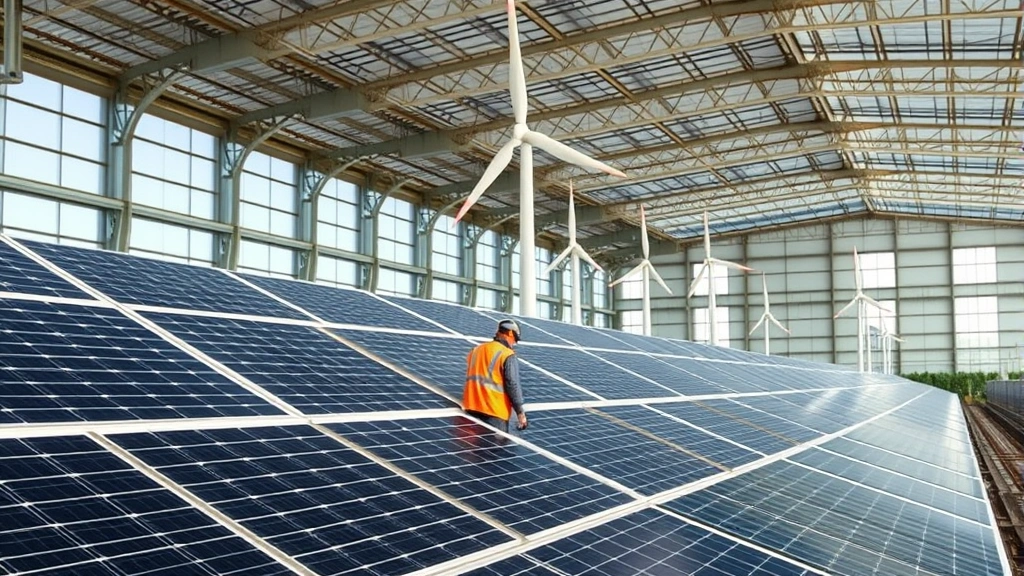
One of the most tangible connections between eco-friendly policies and GDP growth emerges through employment creation. The renewable energy sector, energy efficiency retrofitting, sustainable agriculture, and environmental remediation industries generate substantial job opportunities across skill levels—from engineering positions to installation and maintenance roles.
Data demonstrates that green jobs typically offer comparable or superior wages relative to traditional sector employment. The International Renewable Energy Agency reports that renewable energy employment exceeded 12 million positions globally, with growth rates outpacing conventional energy sectors. These positions exist across manufacturing, installation, operations, and supply chain management—creating multiplier effects throughout regional economies as workers spend wages on local goods and services.
The shift toward sustainable economic activity fundamentally alters the work environment characteristics. Green sector employment often features:
- Skill development opportunities—Workers transition from declining industries to emerging sectors through training programs, increasing human capital
- Geographic distribution—Renewable energy and conservation projects create employment in rural and disadvantaged communities, reducing regional inequality
- Career longevity—Sustainable sectors address long-term market needs rather than temporary commodity cycles
- Health and safety improvements—Environmental regulations typically correlate with workplace safety standards, reducing injury rates and associated economic costs
Understanding human-environment interaction reveals that when people work in healthier, more sustainable conditions, they demonstrate increased productivity, reduced absenteeism, and stronger organizational commitment. This human element directly translates to GDP growth through enhanced output per worker hour.
Productivity Gains Through Sustainable Practices
Beyond employment creation, eco-friendly policies drive productivity improvements within existing organizations. Energy efficiency investments reduce operational costs while simultaneously cutting carbon emissions. A manufacturing facility implementing advanced waste reduction systems simultaneously decreases disposal expenses and raw material consumption, improving profit margins and competitiveness.
The relationship between environmental performance and operational efficiency reflects fundamental economic principles. Organizations that minimize resource waste optimize their production processes, reduce downtime from equipment failure, and lower supply chain disruptions. These benefits accumulate across sectors—from agriculture benefiting from soil conservation practices to manufacturing gaining from circular economy principles.
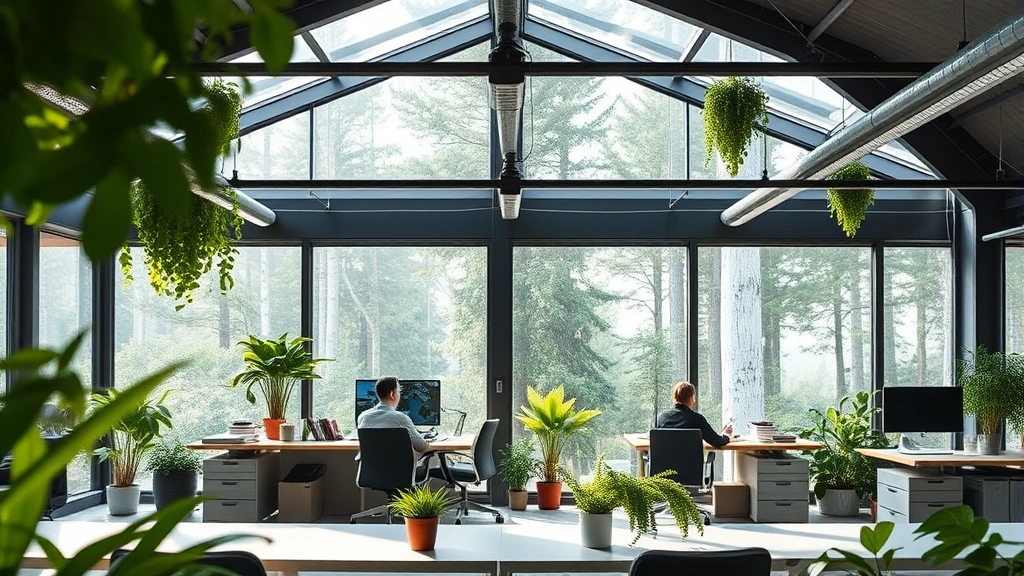
Cognitive research indicates that work environments featuring natural light, air quality improvements, and reduced noise pollution enhance employee cognitive function and decision-making capacity. Companies implementing green building standards report productivity increases of 5-15%, which translates directly to GDP growth when aggregated across entire economies. These improvements emerge not from regulatory burden but from the alignment of environmental and human performance optimization.
Sustainable supply chain management represents another productivity vector. Organizations sourcing from environmentally certified suppliers reduce supply chain risks, avoid costly disruptions from resource scarcity, and benefit from improved reputation and brand value. The premium consumers increasingly pay for sustainable products reflects genuine economic value creation, not merely preference for environmental signaling.
Cost Avoidance and Risk Mitigation
Perhaps the most economically compelling case for eco-friendly policies emerges from cost-avoidance analysis. Climate change, biodiversity loss, and resource depletion generate enormous economic damages that dwarf the costs of preventive environmental policies. By implementing sustainable practices proactively, societies avoid catastrophic losses that would devastate GDP.
The economic damages from climate-related disasters—hurricanes, floods, droughts, wildfires—already exceed hundreds of billions annually. Agricultural productivity declines from soil degradation, fishery collapses from overharvesting, and infrastructure damage from sea-level rise represent direct GDP losses that could be prevented through environmental policy. Insurance industry analyses consistently demonstrate that climate adaptation costs far less than addressing climate impacts post-facto.
Risk mitigation extends beyond climate considerations. Resource scarcity—particularly for critical minerals, fresh water, and productive land—creates economic vulnerabilities for nations dependent on unsustainable extraction. Policies promoting resource efficiency and circular economy principles reduce these supply-chain vulnerabilities, stabilizing long-term economic growth prospects. Understanding how human activities affect environmental systems enables policymakers to identify and prevent economically catastrophic degradation.
Financial markets increasingly reflect these risk considerations through divesting from carbon-intensive assets and rewarding sustainable companies with lower capital costs. This market-driven shift toward environmental accountability creates competitive advantages for early adopters of eco-friendly practices, driving broader economic transformation.
International Evidence and Policy Models
Empirical evidence from leading economies demonstrates that ambitious environmental policies need not compromise economic performance. Germany’s Energiewende (energy transition) created over 300,000 renewable energy jobs while maintaining manufacturing competitiveness. Denmark’s wind energy sector generates 7% of global wind turbine manufacturing despite being a small nation, creating high-value export opportunities.
Costa Rica generates nearly 100% of its electricity from renewable sources while maintaining robust economic growth and the highest human development index in Central America. These examples challenge the narrative that environmental protection requires economic sacrifice. Instead, they demonstrate that strategic eco-friendly policies create competitive advantages in emerging global markets.
Research from UNEP (United Nations Environment Programme) documents that environmental regulations, properly designed, generate positive economic returns within 5-10 years. The key variables determining success include policy design (carbon pricing outperforms prescriptive regulations), complementary investments in workforce transition, and technological innovation support.
The work environment transformation occurs across these successful models. Scandinavian nations, leaders in environmental policy stringency, simultaneously rank highest in employee satisfaction, workplace safety, and productivity metrics. This correlation suggests that the values underlying environmental protection—long-term thinking, resource optimization, human welfare prioritization—align naturally with economic excellence.
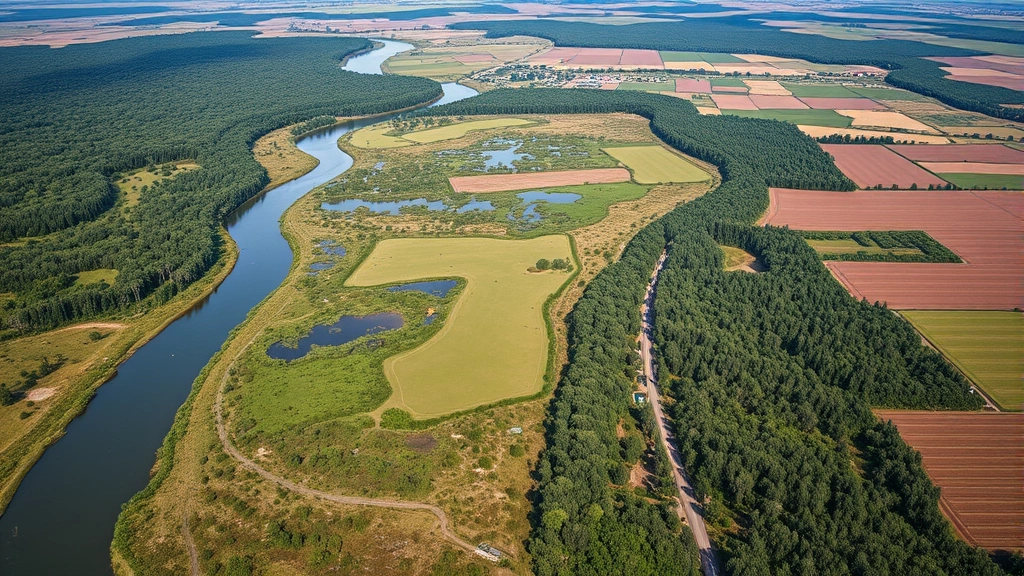
Studies examining positive human impacts on the environment reveal that intentional, well-designed interventions generate synergistic benefits. Wetland restoration projects simultaneously provide habitat, reduce flood risk, improve water quality, and create recreational and economic value. Forest conservation preserves carbon stocks while supporting sustainable timber industries and ecotourism economies.
Implementation Challenges and Trade-offs
Despite compelling evidence for eco-friendly policy benefits, implementation challenges remain substantial. Transition costs concentrate on specific workers and communities—coal miners, oil rig workers, and fossil fuel-dependent regions face genuine economic disruption. Successful policy requires robust transition support: retraining programs, income support, and investment in alternative economic activities for affected communities.
The work environment disruption during energy transitions creates legitimate concerns requiring policy attention. Rapid industrial transformation can destabilize labor markets, particularly for workers with specialized skills in declining sectors. Effective policy couples environmental regulations with workforce development investments, ensuring that transition costs don’t fall disproportionately on vulnerable populations.
Policy design significantly influences economic outcomes. Carbon taxes designed with revenue recycling generate broader benefits than prescriptive regulations. Investment in basic research and infrastructure development amplifies private sector innovation response. Coordination across jurisdictions prevents regulatory arbitrage where polluting industries simply relocate rather than reform.
Understanding practical approaches to carbon footprint reduction reveals that individual and organizational behavior change, supported by appropriate incentives and infrastructure, drives sustainable transformation more effectively than regulation alone. This insight suggests that optimal policy combines mandates with market mechanisms and cultural change initiatives.
Temporal dynamics also matter critically. Environmental policies generate costs upfront but benefits accumulate over decades as climate damages are avoided and technological advantages compound. This time dimension requires patient capital and long-term policy commitment—challenging in political systems focused on short-term cycles.
The empirical consensus from economic research increasingly supports the proposition that well-designed eco-friendly policies boost GDP while advancing environmental objectives. The key insight is that environmental protection and economic growth aren’t competing goals but complementary outcomes when policies address market failures, invest in innovation, and manage transition costs fairly. As global capital markets, consumer preferences, and technological capabilities increasingly align with sustainability, early-adopting economies gain competitive advantages that compound over time.
The transformation of the work environment—toward greater efficiency, health, and sustainability—represents not a burden imposed by regulation but an opportunity to enhance human productivity and well-being while addressing ecological imperatives. Policymakers who recognize this alignment can design interventions that simultaneously protect natural capital, create quality employment, and accelerate economic growth.
FAQ
Do environmental regulations reduce economic growth?
Evidence suggests that well-designed environmental policies generate net positive economic returns within 5-15 years. Short-term adjustment costs exist, but long-term benefits from avoided climate damages, improved productivity, and innovation typically exceed regulatory costs. The critical variable is policy design—carbon pricing generally outperforms prescriptive approaches.
What types of jobs does the green economy create?
Green sectors generate employment across skill levels: engineers and scientists designing renewable technologies, construction and installation workers deploying infrastructure, technicians maintaining systems, and supply chain professionals managing materials. These jobs typically offer competitive wages and career advancement opportunities comparable to traditional sectors.
How do eco-friendly policies affect the work environment?
Sustainable policies often improve work environments through better air quality, natural lighting, reduced noise, and health-protective standards. These improvements enhance employee productivity, reduce absenteeism, and create healthier workplaces. Studies document 5-15% productivity gains in green-certified buildings.
Which countries have successfully combined environmental protection with economic growth?
Denmark, Germany, Costa Rica, and Norway demonstrate that ambitious environmental policies support economic competitiveness. These nations rank among global leaders in both environmental performance and economic indicators, proving that environmental protection and prosperity can coexist.
What makes environmental policy economically beneficial?
Effective environmental policy corrects market failures by internalizing environmental costs, drives innovation in clean technologies, prevents catastrophic climate damages, reduces supply chain vulnerabilities, and improves public health. These mechanisms create genuine economic value that outweighs regulatory compliance costs when policies are thoughtfully designed.
How does environmental policy affect international competitiveness?
Nations leading in environmental innovation gain competitive advantages in growing global markets for clean energy, sustainable agriculture, and circular economy technologies. Early-adopting economies attract investment, develop export industries, and build reputation advantages that enhance long-term economic prospects.


