
Human Impact on Ecosystems: A Detailed Study
The relationship between humanity and the natural world represents one of the most consequential dynamics shaping our planet’s future. Human-environment interaction encompasses the complex web of dependencies, modifications, and consequences arising from how societies extract resources, generate waste, and fundamentally restructure ecosystems. Understanding this relationship requires examining both the mechanisms of human impact and the cascading ecological consequences that ripple through interconnected biological systems.
As global population approaches 8 billion and consumption patterns intensify, the scale of human environmental modification has reached unprecedented levels. From atmospheric composition to soil degradation, from biodiversity loss to freshwater depletion, the evidence demonstrates that human activities now rival natural processes as primary drivers of planetary change. This comprehensive analysis explores the multifaceted dimensions of human impact on ecosystems, integrating perspectives from ecology, environmental economics, and systems science to illuminate pathways toward sustainability.
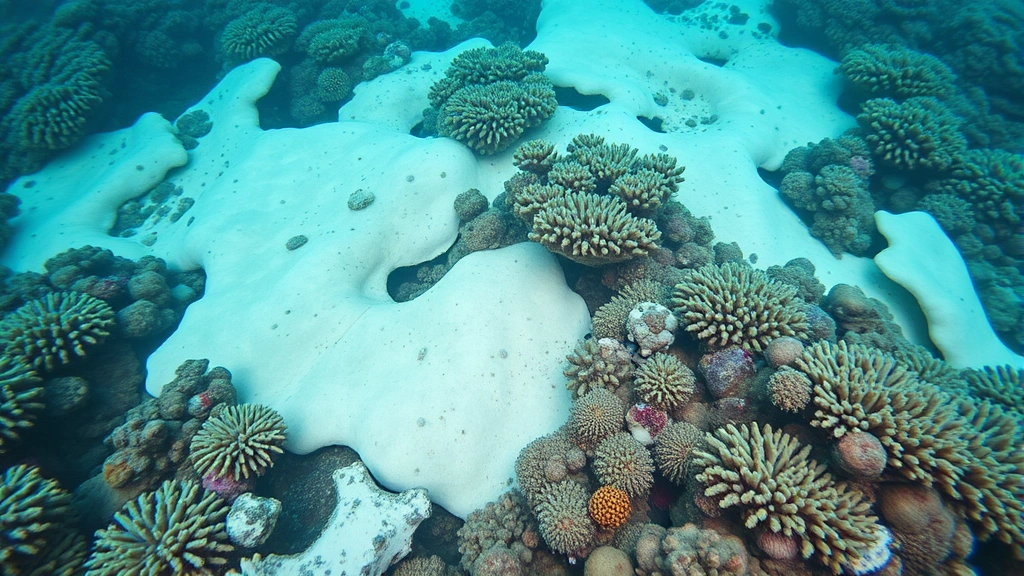
Understanding Human-Environment Interaction
The concept of human-environment interaction describes the dynamic relationship whereby human societies modify their surroundings while simultaneously depending upon ecosystem services for survival and prosperity. This bidirectional relationship differs fundamentally from how other species interact with their environments. While animals adapt physiologically or behaviorally to environmental conditions, humans possess the capacity to radically transform landscapes, redirect water flows, alter atmospheric composition, and manipulate genetic material across species.
Historically, human environmental impact remained localized and relatively reversible. Indigenous populations managed landscapes through controlled burns, selective harvesting, and rotational practices that maintained ecosystem resilience. However, the Industrial Revolution catalyzed an exponential acceleration in resource extraction and environmental modification. Mechanization, fossil fuel combustion, synthetic chemical production, and urbanization created new scales of impact previously impossible at local or regional levels.
The definition of environment science has evolved to encompass human systems as integral components rather than external observers. Contemporary environmental science recognizes that environment and society form coupled socio-ecological systems where human decisions propagate through ecological networks and environmental degradation generates social consequences including economic disruption, conflict, and health crises.
Understanding the built environment proves essential to comprehending human impact, as urban and industrial infrastructure now covers approximately 3% of terrestrial land but generates disproportionate ecological effects through resource consumption, waste production, and habitat fragmentation. The types of environment humans inhabit range from pristine wilderness to completely engineered ecosystems, yet even remote regions experience human-induced changes through atmospheric circulation, ocean currents, and migratory species.
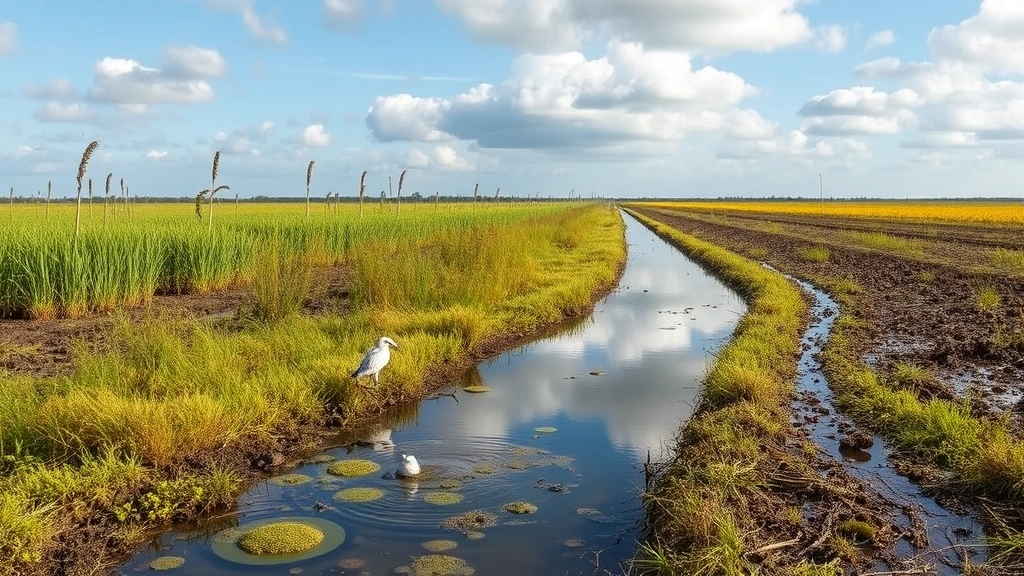
Primary Mechanisms of Ecosystem Disruption
Human activities disrupt ecosystems through multiple overlapping mechanisms that operate simultaneously across different spatial and temporal scales. Habitat destruction remains the leading driver of biodiversity loss globally. Deforestation for agriculture, livestock grazing, and timber harvesting eliminates the physical spaces where species survive. Tropical rainforests, which contain approximately 50% of Earth’s terrestrial species despite occupying only 6% of land area, have been reduced by nearly 80% from their historical extent. Each hectare lost represents thousands of species extinctions and disruption of ecosystem functions including carbon sequestration, water cycling, and nutrient processing.
Pollution introduces substances foreign to ecosystems in concentrations exceeding natural assimilative capacity. Synthetic pesticides accumulate through food webs, reaching concentrations millions of times higher in top predators than in soil or water. Microplastics now permeate every ecosystem from deepest ocean trenches to highest mountain peaks, with documented physiological impacts on organisms from zooplankton to whales. Nitrogen and phosphorus runoff from agricultural and urban areas trigger eutrophication, creating hypoxic dead zones in coastal waters where oxygen depletion prevents most life forms from surviving.
Climate disruption operates through greenhouse gas accumulation, primarily carbon dioxide and methane from fossil fuel combustion, cement production, and industrial agriculture. Atmospheric CO₂ concentrations have increased 50% since pre-industrial times, warming the planet approximately 1.1°C. This seemingly modest temperature change generates cascading ecological disruptions including altered precipitation patterns, extended growing seasons, range shifts for species, and increased frequency of extreme weather events that exceed ecological tolerance thresholds.
Overexploitation of biological resources removes organisms faster than populations can regenerate. Commercial fishing removes approximately 90 million metric tons of fish annually, with many stocks depleted below sustainable yield levels. Bushmeat hunting, poaching for wildlife trade, and overharvesting of medicinal plants threaten species from elephants to rhinoceroses to pangolins. The global wildlife population has declined by an average of 68% since 1970, indicating systematic overexploitation across taxonomic groups.
Invasive species introduction disrupts native communities when humans intentionally or accidentally transport organisms beyond their historical ranges. Invasive species often lack natural predators, diseases, or competitors in novel environments, allowing explosive population growth that outcompetes native species and restructures food webs. The zebra mussel, cane toad, Burmese python, and Asian giant hornet exemplify how introduced species generate cascading ecological damage worth billions in economic losses annually.
Biodiversity Loss and Species Extinction
The current extinction rate represents the sixth mass extinction in Earth’s history, with species disappearing at rates 100 to 1,000 times faster than background extinction rates observed in fossil records. Scientists estimate that 1 million species face extinction within decades without intervention, representing an irreplaceable loss of evolutionary history and ecological function. The economic costs of biodiversity loss extend far beyond intrinsic conservation values, as ecosystem services dependent on biological diversity generate trillions of dollars in economic value annually.
Pollination services provide the most economically quantifiable biodiversity benefit, with insect pollinators contributing approximately $15-20 billion annually to U.S. agriculture alone. Bee population declines driven by habitat loss, pesticide exposure, and disease threaten global food security for crops including almonds, apples, cucumbers, and numerous others. Soil microorganisms, largely invisible and underappreciated, regulate nutrient cycling, carbon sequestration, and plant health through complex symbiotic relationships that took millions of years to evolve.
Apex predators exert disproportionate influence on ecosystem structure through trophic cascades, where their removal triggers unexpected changes throughout food webs. The extirpation of wolves from North American ecosystems allowed ungulate populations to explode, overgrazing vegetation and triggering erosion, altered stream temperatures, and reduced fish populations. Reintroduction of wolves demonstrated that top predator recovery generates cascading benefits that extend beyond direct prey populations to reshape entire landscape structure and function.
Genetic diversity within species represents another critical but often overlooked dimension of biodiversity loss. Modern agriculture relies on a handful of crop varieties, reducing genetic variation that provides resilience to pests, diseases, and climatic variability. Fish hatcheries breeding genetically identical individuals for release into wild populations can contaminate wild gene pools with maladaptive traits, reducing long-term population viability even while appearing to boost short-term abundance.
Climate Change and Atmospheric Impacts
Anthropogenic climate change operates as a threat multiplier, exacerbating virtually every other environmental stressor while generating unique impacts independent of other human activities. The greenhouse effect occurs naturally, enabling Earth’s habitability by retaining solar radiation as heat. However, increased atmospheric concentrations of carbon dioxide, methane, and nitrous oxide enhance this natural effect, trapping additional heat and driving global temperature increases.
The mechanisms linking human activities to climate change have been established through multiple lines of evidence. Fossil fuel carbon contains a distinctive isotopic signature allowing scientists to trace atmospheric CO₂ increases directly to combustion of ancient organic matter. Ice core records document that current atmospheric CO₂ concentrations exceed any point in the past 800,000 years. Temperature reconstructions using tree rings, coral skeletons, and sediment cores confirm that warming rates since 1970 exceed any other period in recent millennia.
Climate change impacts operate across multiple domains simultaneously. Ocean acidification, caused by increased CO₂ absorption in seawater, reduces the saturation state of calcium carbonate minerals, threatening shell-forming organisms from pteropods to corals to oysters. Warming reduces oxygen solubility in water while simultaneously increasing metabolic oxygen demand, creating expanding hypoxic zones. Sea level rise driven by thermal expansion and ice sheet melting threatens low-lying islands and coastal cities housing billions of people.
Ecological impacts manifest through altered phenology, with spring arriving earlier and disrupting synchronization between predators and prey, pollinators and flowers. Species range shifts move organisms poleward and upslope at rates often exceeding their dispersal capacity, fragmenting populations and reducing genetic connectivity. Cold-adapted species face compression into ever-smaller suitable habitat ranges, with high-mountain and polar specialists facing existential threats as refugia disappear.
Water Systems and Resource Depletion
Freshwater systems face unprecedented pressures from human demand, pollution, and climate-driven hydrological changes. Aquifer depletion represents a particularly acute concern, as groundwater reserves accumulated over millennia deplete within decades of intensive extraction. The Ogallala Aquifer underlying the U.S. Great Plains has declined by approximately 30% in some regions, with extraction rates exceeding natural recharge by orders of magnitude. Once depleted, aquifer recovery requires centuries to millennia, effectively constituting a non-renewable resource at human timescales.
River systems have been fundamentally restructured through damming, diversion, and pollution. The Yangtze, Yellow, Nile, Colorado, and Indus rivers now rarely reach the ocean, their waters entirely consumed by irrigation and industrial uses. Damming fragments river ecosystems, blocking migratory fish populations, altering sediment transport that maintains deltas, and disrupting flood-pulse cycles that sustain floodplain productivity. The ecological consequences extend to ocean systems, as reduced freshwater input and sediment delivery alter coastal productivity and salinity gradients.
Water quality degradation through agricultural runoff, industrial discharge, and sewage contamination renders water unsuitable for human consumption or ecosystem support. Nitrogen and phosphorus pollution triggers algal blooms that produce toxins threatening human and animal health while creating hypoxic conditions lethal to aquatic life. Persistent organic pollutants including PCBs, DDT, and perfluorinated compounds accumulate in organisms and biomagnify through food webs, reaching concentrations that impair reproduction and immune function in apex predators.
Salinization of freshwater aquifers and agricultural soils reduces productivity and limits water availability for human and ecological use. Sea level rise drives saltwater intrusion into coastal aquifers, contaminating drinking water supplies for millions. Inappropriate irrigation practices in arid regions concentrate salts in soil, rendering land infertile and requiring abandonment. The Aral Sea represents an extreme example, where diversion of inflowing rivers for cotton irrigation reduced the sea to a fraction of its former volume, destroying fisheries and generating health crises from dust storms carrying salt and pesticide residues.
Economic Valuation of Ecosystem Services
Environmental economists have developed frameworks for quantifying the economic value of ecosystem services, revealing that environmental degradation imposes enormous economic costs often invisible in conventional accounting systems. A landmark World Bank study estimated that ecosystem service loss costs the global economy $4.7 trillion to $20.2 trillion annually, exceeding global GDP in some analyses. This framework recognizes that ecosystem services generate value through multiple pathways including direct resource provision, environmental regulation, and cultural benefits.
Provisioning services include tangible resources extracted from ecosystems including food, water, timber, and minerals. These services generate direct economic value captured in markets, though typically at prices far below true scarcity values. Regulating services including carbon sequestration, water filtration, pollination, and climate regulation generate value by preventing costly alternatives or mitigating damages. Supporting services including nutrient cycling, soil formation, and photosynthesis underpin all other ecosystem functions. Cultural services including recreation, spiritual values, and aesthetic appreciation generate economic value through tourism, health benefits, and psychological well-being.
The economic value of pollination services provides a useful case study. Agricultural systems depend on pollination services worth an estimated $15-20 billion annually in the United States alone, and $200-300 billion globally. Yet farmers typically pay nothing for these services, which are provided freely by wild and managed bee populations. When pollinator populations decline due to pesticide exposure, habitat loss, or disease, agricultural productivity declines and farmers must employ expensive substitutes including hand pollination or reduced yields.
Carbon sequestration services provide another economically significant ecosystem function. Forests, wetlands, and ocean ecosystems sequester approximately 9.5 gigatons of carbon annually, offsetting roughly 15% of global CO₂ emissions. If these carbon sequestration services had to be replaced through technological carbon capture, costs would exceed $100 billion annually at current carbon prices. Destruction of carbon-rich ecosystems including peatlands and old-growth forests releases stored carbon while eliminating future sequestration, generating a double economic penalty.
Water filtration services provided by wetlands and forests reduce treatment costs for municipal water systems. A study of New York City’s watershed found that protecting natural filtration systems in the Catskill Mountains cost $1-1.5 billion, while constructing equivalent engineered water treatment facilities would cost $6-8 billion plus ongoing operational expenses. This economic analysis demonstrates that ecosystem protection often represents the most cost-effective approach to maintaining essential services.
Mitigation Strategies and Solutions
Addressing human impact on ecosystems requires integrated approaches spanning technological innovation, policy reform, economic restructuring, and behavioral change. Protected areas represent a foundational conservation strategy, with 17% of terrestrial land and 8% of ocean area currently designated as protected in some form. However, protection effectiveness varies dramatically, with many protected areas lacking adequate funding and enforcement. Evidence suggests that expanding protected areas to encompass 30% of land and ocean by 2030, while improving management of existing reserves, could prevent most species extinctions and preserve ecosystem functions.
Renewable energy transition provides perhaps the most critical mitigation pathway for climate change, as fossil fuel combustion generates approximately 75% of anthropogenic greenhouse gas emissions. Solar and wind energy costs have declined 90% and 70% respectively over the past decade, making renewables cost-competitive with fossil fuels in many markets. Coupling renewable energy expansion with energy efficiency improvements, electrification of transportation and heating, and grid modernization could achieve 80% emissions reductions by 2050 while reducing energy costs.
Regenerative agriculture practices including cover cropping, reduced tillage, crop rotation, and integrated pest management rebuild soil health while reducing chemical inputs and fossil fuel dependence. These approaches sequester carbon in soil, enhance biodiversity, improve water retention, and reduce pollution runoff. Though requiring transition investments and knowledge transfer, regenerative agriculture demonstrates that food production can occur while restoring ecosystem functions rather than degrading them.
Circular economy principles redirect resource flows toward closed-loop systems where waste becomes input for new production. Shifting from linear take-make-dispose models toward circular systems reduces extraction pressure on natural resources while minimizing pollution. Extended producer responsibility policies, right-to-repair movements, and industrial symbiosis networks demonstrate that circular approaches can maintain economic productivity while reducing environmental impact by 50% or more.
Nature-based solutions leverage ecosystem restoration and protection to address multiple environmental challenges simultaneously. Mangrove restoration protects coastlines from storms while providing fish nurseries and carbon sequestration. Peatland rewetting reduces carbon emissions while restoring biodiversity and water filtration. Forest restoration generates carbon sequestration, biodiversity recovery, watershed protection, and livelihood benefits for local communities. These multipurpose solutions often provide superior cost-effectiveness compared to single-purpose technological interventions.
Policy mechanisms including carbon pricing, payment for ecosystem services, and environmental regulation establish economic incentives and legal requirements for environmental protection. UNEP research demonstrates that environmental regulations generate net economic benefits through avoided health costs, ecosystem service preservation, and technological innovation. Carbon pricing mechanisms in Europe have driven emissions reductions while generating government revenue, though prices require elevation to reflect true climate damages.
International cooperation through treaties including the Paris Agreement, Convention on Biological Diversity, and Ramsar Convention establishes shared commitments and knowledge transfer for environmental protection. However, implementation gaps remain substantial, with most nations falling short of climate and biodiversity targets. Strengthening enforcement mechanisms, increasing climate finance to developing nations, and reforming agricultural subsidies that incentivize ecosystem destruction represent critical policy priorities.
FAQ
What is human-environment interaction and why does it matter?
Human-environment interaction describes how human societies modify ecosystems while depending upon them for survival and prosperity. It matters because human activities now represent primary drivers of planetary change, with impacts ranging from local pollution to global climate disruption. Understanding these interactions enables societies to identify leverage points for sustainable transitions that maintain economic prosperity while protecting ecosystem functions essential for long-term human well-being.
How much have human activities altered Earth’s ecosystems?
Human activities have fundamentally restructured approximately 75% of terrestrial land through agriculture, urbanization, and resource extraction. Wildlife populations have declined by an average of 68% since 1970. Atmospheric CO₂ concentrations have increased 50% since pre-industrial times. Ocean acidification has increased 30% in the past two centuries. Freshwater systems have been so extensively modified that few unaltered rivers remain. These metrics demonstrate that human impact now operates at planetary scales comparable to major geological processes.
Can ecosystems recover from human damage?
Ecosystems demonstrate remarkable resilience when disturbance ceases and conditions permit recovery. Forests regenerate within decades to centuries, wetlands restore within years, and species populations rebound when protected from exploitation. However, recovery becomes increasingly difficult when damage exceeds ecological tipping points, when climate changes faster than species can adapt, or when key species face extinction. Prevention of further damage remains far more effective and cost-efficient than restoration of severely degraded ecosystems.
How do ecosystem services relate to economic value?
Ecosystem services generate enormous economic value through provisioning resources, regulating environmental conditions, and providing cultural benefits. Global ecosystem services worth trillions annually are typically unpriced in markets, leading to their undervaluation and overexploitation. Developing economic mechanisms that capture ecosystem service value including carbon pricing, payment for ecosystem services, and natural capital accounting enables more accurate cost-benefit analysis for development decisions.
What actions can individuals take to reduce environmental impact?
Individual actions including reducing consumption, adopting plant-based diets, utilizing renewable energy, supporting regenerative agriculture, and voting for environmental policies collectively influence market demand and political outcomes. While individual actions alone cannot solve systemic environmental challenges, they contribute to cultural shifts that normalize sustainability while directly reducing personal environmental footprints. Combining individual actions with advocacy for policy and corporate reform maximizes environmental benefit.


