
Human-Environment Interaction: A Key Economic Driver
The relationship between humans and the environment represents one of the most critical economic dynamics of our time. Far from being a peripheral concern, human-environment interaction fundamentally shapes economic performance, resource allocation, and long-term prosperity across all sectors and geographies. This interaction operates as a bidirectional system where economic activities transform natural systems while environmental conditions directly influence economic productivity, labor capacity, and capital accumulation.
Understanding this complex interplay requires moving beyond traditional economic models that treat nature as an infinite external resource. Modern ecological economics recognizes that human societies operate within biophysical boundaries, and the degradation of environmental systems creates cascading economic consequences—from agricultural yield reductions to increased healthcare expenditures, from supply chain disruptions to infrastructure damage. The economic significance of human-environment interaction has become impossible to ignore as climate volatility, biodiversity loss, and resource scarcity increasingly constrain economic growth trajectories globally.
This comprehensive analysis explores how human activities reshape ecosystems, how environmental conditions determine economic viability, and why integrating environmental considerations into economic policy represents the frontier of sustainable development strategy.
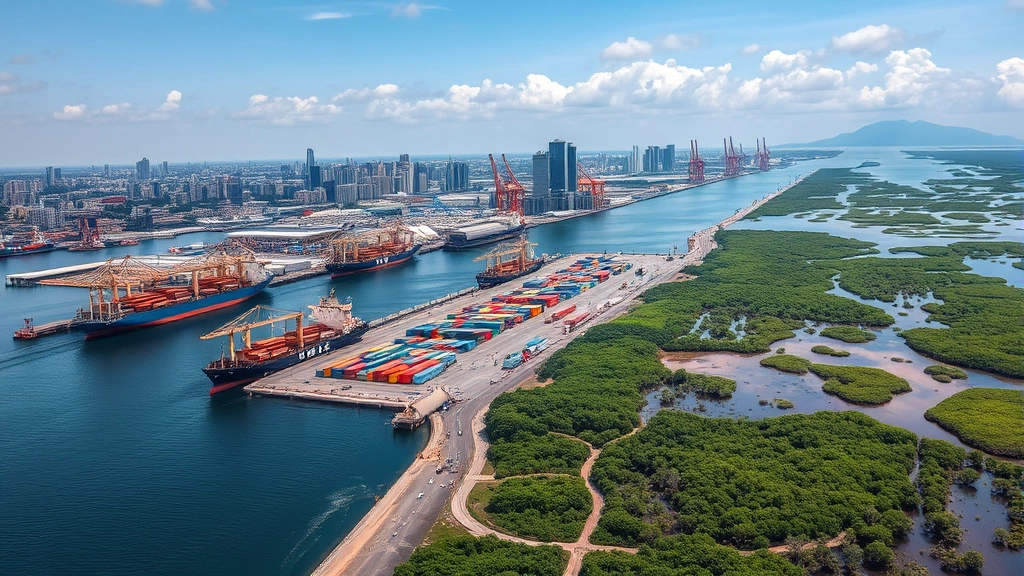
The Economic Foundations of Human-Environment Interaction
Human-environment interaction constitutes the fundamental basis upon which all economic activity rests. Every transaction, production process, and service delivery depends on extracting, transforming, or utilizing environmental resources. Traditional economic theory, developed during periods of relative resource abundance, often overlooked this foundational relationship, treating environmental services as infinitely substitutable or externally provided.
Contemporary ecological economics, however, recognizes that natural systems provide irreplaceable economic services including nutrient cycling, water purification, pollination, climate regulation, and genetic resources. The World Bank’s environmental economics research demonstrates that ecosystem services worth trillions of dollars annually remain largely unpriced in conventional markets, creating systematic undervaluation of environmental assets.
The interaction between human economic systems and natural environments manifests across multiple dimensions: resource extraction, waste absorption, energy flows, and information exchange. Each dimension reveals how deeply economic prosperity depends on environmental conditions. When humans extract resources faster than natural regeneration rates permit, they deplete capital stocks. When they generate waste exceeding ecosystem absorption capacity, they create negative externalities that reduce overall economic welfare.
Understanding this foundational relationship requires quantifying natural capital stocks and service flows. Research from ecological economics journals demonstrates that comprehensive accounting for environmental assets would substantially revise national income calculations, revealing that many apparently prosperous economies are actually depleting their natural wealth at unsustainable rates.
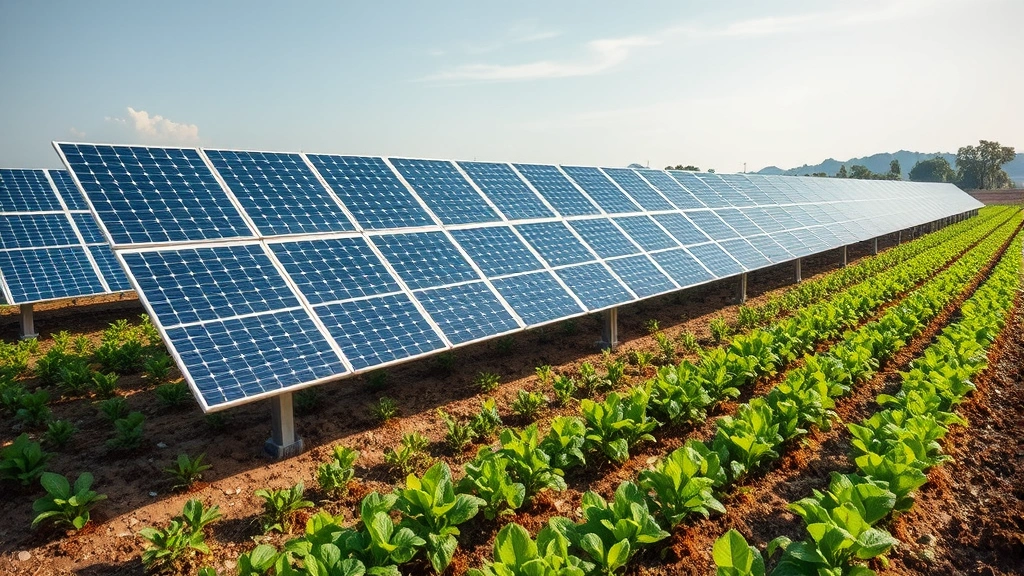
Natural Capital as Economic Infrastructure
Natural capital—comprising soil, freshwater, forests, fisheries, minerals, and atmospheric composition—functions as essential economic infrastructure equivalent to built capital like factories and transportation networks. Yet unlike built capital, which appears on balance sheets, natural capital remains largely invisible in conventional economic accounting systems.
This invisibility creates perverse incentives. Governments and corporations can liquidate natural assets while recording the proceeds as income rather than capital depletion. A nation harvesting its forests faster than regeneration rates permits appears economically prosperous in GDP calculations, even though it is effectively mining its productive base. This accounting framework explains why resource-dependent economies often experience economic decline despite decades of resource extraction revenues.
The productivity of natural capital extends far beyond direct resource provision. Forests regulate water cycles, stabilize climate patterns, and support agricultural productivity. Wetlands filter pollutants and buffer against flooding. Mangrove ecosystems protect coastal communities while supporting fisheries. These services generate enormous economic value, yet remain uncompensated in market transactions.
Integrating natural capital into economic accounting requires establishing shadow prices for environmental services. Research demonstrates that valuing ecosystem services—whether through contingent valuation, replacement cost methods, or benefit transfer approaches—consistently reveals that environmental degradation imposes costs far exceeding the short-term economic gains from exploitative resource extraction.
Organizations like the United Nations Environment Programme have pioneered natural capital accounting frameworks that integrate environmental assets into national economic statistics. These approaches reveal that true economic growth requires maintaining or expanding natural capital stocks, not merely accumulating financial or human capital while depleting environmental foundations.
Economic Activities and Ecosystem Transformation
Human economic activity fundamentally transforms ecosystems at scales ranging from local watersheds to global climate systems. Agriculture, manufacturing, transportation, energy production, and urbanization all reshape environmental conditions, often with consequences extending far beyond immediate production locations.
Agricultural expansion represents perhaps the most visible ecosystem transformation, with approximately 40% of Earth’s land surface now dedicated to food production. While agriculture generates essential economic value and employment, conventional intensive farming practices often degrade soil quality, deplete aquifers, reduce biodiversity, and generate agricultural runoff that creates dead zones in coastal ecosystems. These environmental costs impose economic burdens—from reduced future productivity to increased treatment costs for polluted water supplies—that typically remain external to farm financial calculations.
Industrial production similarly transforms environmental conditions through resource extraction, chemical processing, and waste generation. Mining operations create landscape scars and generate toxic residues that contaminate soil and water for decades. Manufacturing facilities emit atmospheric pollutants and generate wastewater containing heavy metals and persistent organic compounds. While these activities generate immediate economic value through employment and output, the environmental costs—measured through health impacts, ecosystem degradation, and reduced natural capital stocks—often exceed the economic benefits when comprehensively calculated.
Urban expansion and infrastructure development fundamentally alter hydrology, eliminate habitat, fragment ecosystems, and increase impervious surface coverage that accelerates stormwater runoff and reduces groundwater recharge. While urbanization concentrates human populations efficiently and generates economic agglomeration benefits, poorly planned urban development creates environmental conditions that reduce quality of life and increase disaster vulnerability.
Energy production represents a critical transformation domain, with fossil fuel combustion fundamentally altering atmospheric composition and climate patterns. The economic value of energy services remains obvious—industrial production, transportation, heating, and electricity generation all depend on energy availability. However, the environmental costs of fossil fuel dependence—including climate change impacts, air pollution health effects, and ecosystem acidification—represent enormous economic burdens increasingly recognized in economic analyses.
Feedback Mechanisms: Environmental Degradation and Economic Contraction
Human-environment interaction operates through feedback mechanisms where environmental degradation directly constrains economic activity and reduces living standards. Understanding these feedback loops reveals why environmental protection constitutes economic necessity rather than luxury preference.
Water scarcity exemplifies these feedback mechanisms. Intensive agricultural and industrial water use depletes aquifers and reduces river flows, creating water stress that limits future agricultural productivity, industrial capacity, and human consumption. The economic costs accumulate through reduced agricultural output, industrial production constraints, increased water treatment expenses, and health impacts from inadequate water access. Regions experiencing severe water stress demonstrate reduced economic growth rates and increased poverty, illustrating how environmental degradation directly translates into economic contraction.
Soil degradation similarly creates feedback loops where erosion and nutrient depletion reduce agricultural productivity, forcing farmers onto marginal lands that require greater inputs while yielding lower returns. This process creates economic pressure that drives further land conversion and ecosystem destruction, establishing cycles of degradation and poverty that prove difficult to reverse without substantial remediation investment.
Climate change represents perhaps the most consequential feedback mechanism, where greenhouse gas emissions alter precipitation patterns, increase temperature extremes, and intensify storm frequency and severity. These climatic changes reduce agricultural productivity, increase infrastructure damage, expand disease vectors, and create climate migration pressures. Economic analyses increasingly quantify these costs, revealing that unmitigated climate change could reduce global GDP by 10-23% by 2100, with disproportionate impacts on developing economies least responsible for emissions.
Biodiversity loss creates feedback mechanisms where ecosystem simplification reduces resilience and increases vulnerability to disturbances. Agricultural monocultures prove more susceptible to pest outbreaks and disease. Simplified forests provide fewer ecosystem services and recover more slowly from disturbances. Loss of pollinator populations directly constrains agricultural productivity. These feedback mechanisms demonstrate that biodiversity loss imposes direct economic costs beyond aesthetic or ethical considerations.
Sectoral Dependencies on Environmental Health
Different economic sectors depend on environmental health through distinct mechanisms, creating sector-specific vulnerabilities to environmental degradation. Recognizing these dependencies enables targeted policy interventions and investment prioritization.
Agriculture and food production depend most directly on environmental conditions—soil quality, water availability, pollinator populations, and climate stability all determine productivity. Approximately 1 billion people work in agriculture globally, and food production represents 10% of global economic output. Agricultural vulnerability to environmental degradation means that ecosystem degradation directly threatens food security and rural livelihoods across developing economies where agricultural employment remains substantial.
Fisheries depend entirely on marine and freshwater ecosystem health. Overfishing, pollution, ocean acidification, and climate-driven ecosystem shifts all reduce fish populations and catch volumes. Global fisheries provide livelihoods for approximately 260 million people and protein for 3 billion people, making fisheries environmental health critically important for food security and employment, particularly in coastal developing nations.
Tourism and recreation depend on environmental quality—natural landscapes, wildlife populations, water quality, and climate conditions all determine tourism attractiveness. Tourism represents 10% of global GDP and employs 330 million people, making environmental degradation a direct threat to tourism-dependent economies, particularly in small island developing states and developing nations with significant natural resource bases.
Pharmaceutical and biotechnology industries depend on genetic resources and bioactive compounds derived from natural ecosystems. Biodiversity loss directly reduces the resource base for drug discovery and development. Estimates suggest that approximately 25% of modern pharmaceutical compounds derive from tropical forest plants, making rainforest conservation economically significant for pharmaceutical innovation and healthcare.
Water supply and sanitation services depend on watershed health, aquifer recharge rates, and water quality. Ecosystem degradation that reduces water availability or increases treatment costs directly increases water service expenses. Water scarcity imposes direct economic costs through reduced industrial production capacity and increased agricultural expenses.
Energy production depends on environmental conditions through hydropower dependence on precipitation patterns and water availability, and through renewable energy dependence on wind and solar resources. Climate change alters these resource availability patterns, creating energy security vulnerabilities in climate-dependent energy systems.
Policy Frameworks and Economic Integration
Integrating human-environment interaction into economic policy requires moving beyond regulatory approaches toward comprehensive economic restructuring that recognizes environmental constraints and natural capital dependencies. This integration represents the frontier of sustainable development policy.
Carbon pricing mechanisms—whether through carbon taxes or cap-and-trade systems—represent attempts to internalize climate externalities into economic decision-making. By assigning prices to carbon emissions, these mechanisms theoretically align private incentives with social welfare by making pollution costly. World Bank carbon pricing analysis demonstrates that comprehensive carbon pricing could reduce emissions substantially while generating revenue for climate adaptation and clean energy investment.
Natural resource taxes and royalties attempt to capture resource extraction value and encourage conservation. However, these mechanisms often prove inadequate because they typically price resources below replacement costs, continuing to undervalue natural capital. Comprehensive resource accounting would require that resource extraction revenues fully compensate for natural capital depletion, fundamentally altering extraction economics.
Payments for ecosystem services create market mechanisms where environmental service providers receive compensation for conservation activities. Programs paying farmers for riparian buffer maintenance, rewarding forest conservation, or compensating wetland protection all attempt to make environmental preservation economically competitive with extraction-based land use. However, these mechanisms remain limited in scope and funding compared to subsidies supporting extractive activities.
Environmental impact assessment requirements attempt to internalize environmental considerations into development decision-making. By requiring comprehensive environmental analysis before project approval, these mechanisms theoretically prevent the most damaging developments. However, impact assessments often undervalue environmental costs and prove subject to political pressure that favors development over conservation.
Sustainable public procurement policies attempt to integrate environmental considerations into government purchasing decisions, using government purchasing power to incentivize sustainable production. Similarly, corporate sustainability reporting requirements attempt to create transparency regarding environmental impacts, theoretically enabling investors to price environmental risks accurately.
The most comprehensive policy framework involves integrating environmental accounting into national economic statistics, enabling accurate measurement of true economic progress. UN System of Environmental-Economic Accounting provides standardized frameworks for integrating environmental accounts into national accounting systems, enabling countries to measure genuine progress that accounts for natural capital changes.
Technological Innovation and Sustainable Interaction
Technological innovation offers pathways toward reducing environmental impacts while maintaining economic prosperity, though innovation alone cannot substitute for fundamental economic restructuring and consumption reduction in wealthy nations.
Renewable energy technologies—solar photovoltaics, wind turbines, geothermal systems, and hydroelectric facilities—enable energy production with substantially lower environmental impacts than fossil fuels. Dramatic cost reductions in renewable energy technologies have made clean energy economically competitive with fossil fuels in many contexts, enabling energy transitions without requiring economic sacrifice. Learning to implement renewable energy for homes represents one pathway toward reducing household environmental impacts while potentially reducing energy expenses through efficiency gains.
Precision agriculture technologies—including soil sensors, variable rate application systems, and data analytics—enable agricultural production with reduced chemical inputs, water consumption, and environmental pollution while maintaining or increasing yields. These technologies reduce environmental impacts while improving farm profitability, creating alignment between environmental and economic objectives.
Circular economy technologies—including recycling systems, material recovery facilities, and industrial symbiosis networks—enable production systems that minimize waste generation and maximize material reuse. By treating waste as a resource input rather than disposal problem, circular economy approaches reduce environmental impacts while potentially reducing production costs through material recovery and waste elimination.
Carbon capture and storage technologies offer potential pathways toward reducing atmospheric carbon concentrations while maintaining fossil fuel energy production. However, these technologies remain expensive and energy-intensive, suggesting that renewable energy expansion represents more economically efficient climate mitigation strategy than carbon capture in most contexts.
Biotechnology innovations enable production of materials, chemicals, and pharmaceuticals through biological processes rather than energy-intensive chemical synthesis. Fermentation-based production, enzyme-catalyzed reactions, and genetically engineered organisms all offer potential for reduced environmental impacts compared to conventional chemical manufacturing.
However, technological innovation cannot substitute for fundamental consumption reduction in wealthy nations and economic restructuring toward circular systems. Efficiency improvements frequently prove insufficient to offset consumption growth—a phenomenon termed the rebound effect—requiring that technological innovation combine with policy interventions and consumption behavior change to achieve genuine environmental sustainability.
Understanding how to reduce carbon footprint through technological adoption and behavior change represents crucial knowledge for individuals seeking to align personal economic choices with environmental sustainability. Implementing effective ways to save energy at home combines technological efficiency improvements with behavioral conservation, creating household-level environmental performance improvements.
Consumer choices regarding sustainable fashion brands represent another domain where technological innovation in sustainable materials production combines with economic incentives to shift consumption toward lower-impact products. Similarly, addressing how to reduce water pollution through both technological improvements in wastewater treatment and behavioral changes in consumption patterns demonstrates integration of environmental considerations across economic activities.
Visit the blog home for additional analysis of human-environment interaction dynamics and sustainable economic strategies.
FAQ
How does human-environment interaction affect economic growth?
Human-environment interaction affects economic growth through multiple pathways. Environmental degradation reduces natural capital stocks, limiting future productivity. Pollution and resource depletion increase production costs. Climate change creates infrastructure damage and productivity losses. Conversely, environmental protection preserves productive assets and enables long-term prosperity. Comprehensive economic accounting reveals that sustainable environmental management typically generates greater long-term economic benefits than extractive approaches despite requiring short-term investment.
What is natural capital and why does it matter economically?
Natural capital comprises environmental assets including soil, water, forests, fisheries, minerals, and atmospheric composition. It matters economically because all economic production depends on natural capital availability and quality. Unlike built capital, natural capital often remains invisible in economic accounting, creating systematic undervaluation of environmental assets. Integrating natural capital into economic accounting reveals that many apparently prosperous economies are actually depleting their productive base through unsustainable resource extraction and environmental degradation.
Which economic sectors depend most on environmental health?
Agriculture, fisheries, forestry, tourism, and water supply sectors depend most directly on environmental health. However, all economic sectors depend on environmental conditions to varying degrees—manufacturing depends on water and energy availability, transportation depends on climate stability, and pharmaceuticals depend on genetic resources. Recognizing these dependencies enables targeted policy interventions to protect critical environmental assets supporting economic prosperity.
Can technological innovation solve environmental economic problems alone?
Technological innovation offers important pathways toward reducing environmental impacts but cannot substitute for fundamental economic restructuring and consumption reduction. While renewable energy, circular economy technologies, and sustainable agriculture innovations reduce environmental impacts per unit of output, consumption growth frequently offsets efficiency improvements through the rebound effect. Achieving genuine environmental sustainability requires combining technological innovation with policy interventions, consumption behavior change, and economic restructuring toward circular systems.
How should governments integrate environmental considerations into economic policy?
Governments should integrate environmental considerations through comprehensive approaches including natural capital accounting, carbon pricing, resource taxation, environmental impact assessment, sustainable procurement policies, and regulatory frameworks protecting critical environmental assets. Most importantly, integrating environmental accounts into national economic statistics enables accurate measurement of genuine progress that accounts for natural capital changes, fundamentally improving policy decision-making regarding sustainable development.
What are feedback mechanisms in human-environment interaction?
Feedback mechanisms are processes where environmental degradation directly constrains economic activity and reduces living standards. Water scarcity reduces agricultural productivity and industrial capacity. Soil degradation reduces future farm profitability. Climate change increases infrastructure damage and reduces agricultural yields. Biodiversity loss reduces ecosystem resilience and productivity. These feedback mechanisms demonstrate that environmental protection constitutes economic necessity rather than luxury preference, as environmental degradation directly translates into economic contraction.


