Impact of Inflation on Ecosystems: An Economist’s View
Inflation represents one of the most pervasive economic phenomena of our time, yet its ecological consequences remain largely underexamined in mainstream economic discourse. When the general price level of goods and services rises persistently, the ripple effects extend far beyond consumer purchasing power and financial markets—they fundamentally reshape how societies interact with natural systems. This article explores the intricate relationship between inflationary pressures and ecosystem degradation, examining how economic inflation drives resource extraction, alters conservation priorities, and ultimately compromises the biophysical foundation upon which all economic activity depends.
From an ecological economics perspective, inflation serves as both a symptom and a catalyst for unsustainable resource utilization. As the cost of living increases, pressure mounts on households and businesses to maximize short-term economic gains, often at the expense of long-term environmental stewardship. Understanding this dynamic requires examining inflation through the lens of natural capital depletion, opportunity costs in conservation, and the systemic incentives that prioritize immediate monetary returns over ecosystem services that sustain life itself.
Inflation and Resource Extraction Intensification
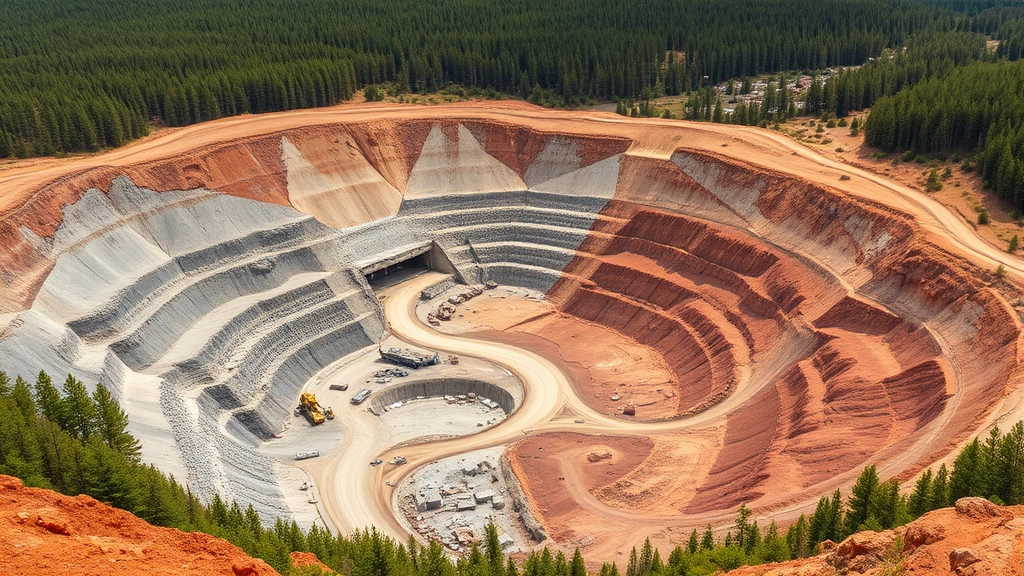
When inflation erodes the real value of currency, economic actors face powerful incentives to accelerate resource extraction. This phenomenon emerges directly from rational economic behavior: if the purchasing power of money declines at 5-10% annually, extracting resources today becomes preferable to waiting. Timber companies increase logging operations, mining corporations expand extraction sites, and fisheries intensify their catch rates. From the perspective of ecological economics, this represents a fundamental market failure where the true cost of resource depletion—measured in lost ecosystem services—never enters the price mechanism.
The World Bank has documented how inflationary periods in developing nations correlate with increased deforestation rates and mining expansion into protected areas. When currency values decline, governments facing fiscal pressures often grant extraction licenses more liberally, treating natural capital as immediately convertible revenue rather than long-term assets. This creates a vicious cycle: inflation drives extraction, extraction damages ecosystems, and ecosystem damage reduces natural capital that could otherwise provide inflation-buffering services like carbon sequestration and watershed protection.
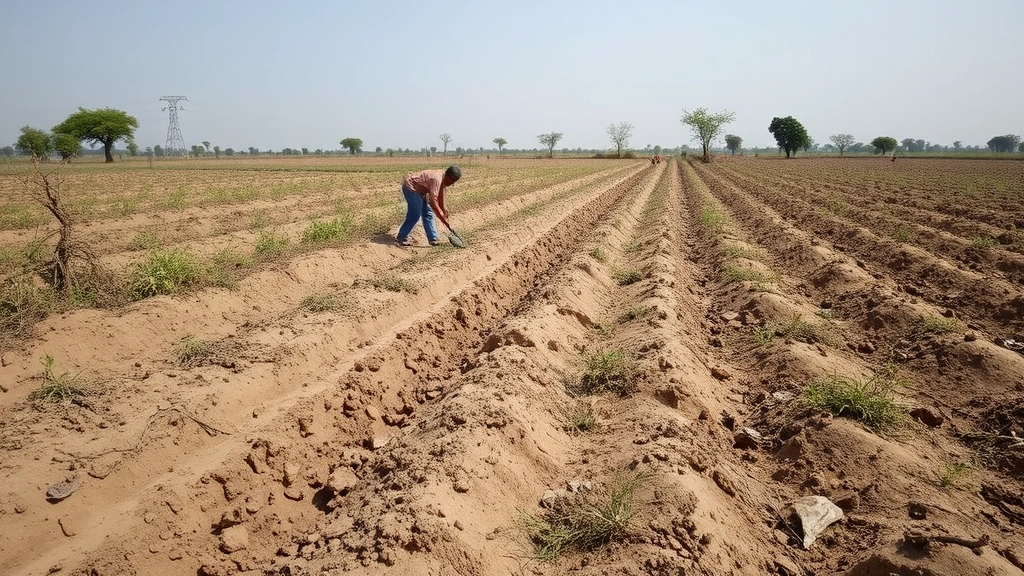
Consider the mechanism at work: a small farmer facing 15% annual inflation cannot afford to maintain soil conservation practices that require upfront investment with long-term returns. Instead, they maximize immediate yield through intensive fertilizer use and monoculture practices, degrading soil quality that took decades to build. Similarly, a fishing community experiencing currency devaluation will deploy increasingly destructive fishing methods to maintain income levels, even though this undermines the fishery’s long-term productivity.
Economic Pressure on Conservation Budgets
Government and non-governmental conservation budgets face acute pressure during inflationary periods. When inflation outpaces revenue growth, budget allocations to environmental protection typically shrink in real terms, even if nominal amounts increase slightly. This occurs because conservation spending competes with politically urgent priorities like healthcare, education, and infrastructure maintenance. Protected area management, species recovery programs, and ecosystem restoration projects are vulnerable to budget cuts precisely when ecological stressors intensify.
The opportunity cost becomes particularly acute in developing economies where conservation budgets represent small percentages of national spending. During the inflation crisis of the 1980s and 1990s, many African and South American nations dramatically reduced funding for national parks and wildlife management agencies. Poaching increased correspondingly, and invasive species proliferated unchecked. The economic logic seemed clear to policymakers facing currency crises: immediate human welfare needs outweighed abstract ecological concerns. Yet this decision calculus ignored the ecosystem services—water purification, flood regulation, pollination—that ultimately support human welfare more robustly than short-term deficit reduction.
Research from ecological economics journals demonstrates that conservation budget cuts during inflationary periods typically cost more in long-term ecological restoration than the short-term savings achieved. A hectare of restored wetland costs exponentially more after degradation than maintaining it intact would have cost initially. Yet budget pressures create temporal misalignment: the savings appear in current fiscal accounts while future costs remain invisible in present-day budget documents.
The Inflation-Biodiversity Loss Nexus
Biodiversity loss accelerates during inflationary periods through multiple interconnected mechanisms. First, inflation increases poverty rates, driving subsistence hunting and gathering in biodiverse regions. Second, inflation raises input costs for sustainable agriculture, pushing farmers toward intensive practices that reduce habitat diversity. Third, inflation deflates the perceived value of ecosystem services relative to extractive industries, creating policy incentives favoring development over conservation.
The science of total environment perspective reveals how inflation functions as an ecological stressor comparable to climate change or pollution. Species populations decline not merely from direct habitat loss but from the economic desperation that inflation generates. In megadiverse regions like the Amazon and Congo Basin, inflation-driven poverty increases bushmeat hunting by 20-30% in documented cases. Local communities, facing currency devaluation and declining real wages, intensify harvesting of wildlife that might otherwise remain at sustainable population levels.
The interaction between inflation and biodiversity loss creates feedback loops that amplify both phenomena. Ecosystem degradation reduces the natural services that buffer against economic shocks, increasing economic volatility and inflation risk. Inflation then drives further extraction and habitat conversion, reducing biodiversity further. This spiral proves particularly destructive in tropical regions where biodiversity concentrates and where economic systems remain vulnerable to currency fluctuations and external price shocks.
Agricultural Systems Under Inflationary Stress
Agricultural ecosystems experience profound transformation during inflationary periods. Rising input costs—fertilizers, pesticides, fuel, seeds—force farmers to intensify production on existing land rather than maintain extensive, biodiverse systems. This shift toward monoculture and chemical-intensive agriculture degrades soil health, reduces agricultural biodiversity, and increases vulnerability to pests and diseases. The ecological cost appears as externality, invisible in farm-level economics, while the short-term benefit of maintaining income appears immediately in household accounts.
Inflation-driven agricultural intensification also reduces the viability of traditional farming systems that maintain human environment interaction in more balanced ways. Agroforestry systems, polycultures, and rotational grazing require higher labor inputs and longer payback periods—precisely the characteristics that become economically unfeasible when inflation erodes returns and raises opportunity costs. Farmers rationally abandon these practices for simplified systems that generate cash income more rapidly, even at the cost of long-term soil degradation and ecosystem service loss.
The UNEP has noted that inflation-driven agricultural changes in Sub-Saharan Africa have reduced average soil organic matter by 15-20% over recent decades. This degradation further reduces agricultural productivity, requiring even greater intensification in a self-reinforcing negative cycle. The ecosystem service of soil carbon storage—increasingly valuable as climate change accelerates—diminishes precisely when its value to atmospheric carbon regulation matters most.
Policy Responses and Ecological Economics Solutions
Addressing the inflation-ecosystem nexus requires policy innovations that integrate ecological economics principles into monetary and fiscal frameworks. Traditional economic policy focuses narrowly on inflation targeting without considering ecological consequences. Ecological economics proposes alternative approaches: natural capital accounting that incorporates ecosystem service values into inflation calculations, conservation bonds that stabilize funding during inflationary periods, and inflation-indexed payments for ecosystem services that maintain incentives for sustainable practices regardless of currency fluctuations.
One promising approach involves renewable energy transition investments that simultaneously address inflation drivers and ecosystem protection. Renewable energy reduces dependence on volatile fossil fuel prices that often trigger inflationary cycles. By stabilizing energy costs, renewable transition reduces the economic desperation that drives unsustainable resource extraction. This represents a form of ecological-economic policy integration where environmental and economic objectives align rather than conflict.
Green bonds and sustainability-linked financing offer mechanisms to maintain conservation investment during inflationary periods. By tying interest rates to ecosystem health indicators rather than purely financial metrics, these instruments create market incentives for ecological stewardship. Several countries have successfully implemented biodiversity bonds that provide capital for conservation while delivering financial returns indexed to species population recovery and habitat restoration metrics.
The World Bank and regional development institutions increasingly recognize that inflation control requires addressing underlying resource scarcity and ecosystem degradation. Monetary policy that ignores ecological constraints proves self-defeating: it temporarily suppresses inflation while accelerating ecosystem damage that ultimately generates future inflationary pressure through resource scarcity and climate impacts. Integrated policy frameworks that coordinate monetary, fiscal, and environmental objectives offer more sustainable inflation management.
Case Studies in Inflation-Driven Ecosystem Collapse
Venezuela’s economic crisis provides a stark case study in inflation-ecosystem interaction. As currency hyperinflation reached extreme levels in 2016-2019, environmental regulations became completely unenforced. Illegal mining expanded explosively in the Amazon, mercury contamination of water systems accelerated, and wildlife populations plummeted. The economic mechanism operated clearly: when money becomes worthless, natural resources become the only store of value worth extracting. Ecosystem services that depend on intact systems—water purification, carbon storage, biodiversity—collapsed correspondingly, further impoverishing the population and deepening the economic crisis.
Zimbabwe’s experience during the 2000s hyperinflation similarly illustrates inflation-driven ecosystem degradation. As currency values collapsed, subsistence hunting intensified dramatically, reducing wildlife populations by 60-80% in many protected areas. Simultaneously, agricultural intensification and deforestation accelerated as farmers attempted to maintain income from degrading land. The ecological collapse ultimately worsened economic outcomes: reduced agricultural productivity, loss of wildlife tourism revenue, and degraded water systems created cascading economic failures that hyperinflation alone did not cause but substantially accelerated.
Indonesia’s experience with inflation and deforestation during the 1997-1998 Asian financial crisis demonstrates how currency crises and inflation translate directly into forest loss. As the rupiah collapsed, logging companies accelerated operations to capture resource value before further devaluation. Forest loss exceeded 2.5 million hectares during the crisis period, with much of this driven by inflation-induced economic desperation rather than long-term forest management decisions. The ecological damage from these few years of accelerated extraction continues degrading ecosystem function two decades later.
Measuring True Economic Costs
Standard inflation measures fail to capture the ecological costs of inflationary periods, creating systematic underestimation of inflation’s true economic burden. When inflation drives ecosystem degradation, the loss of ecosystem services represents real economic cost that conventional CPI calculations ignore. A comprehensive inflation measure would incorporate:
- Loss of natural capital from accelerated resource extraction
- Reduced ecosystem service provision from habitat degradation
- Increased future restoration costs from current ecosystem damage
- Opportunity costs of foregone conservation during budget-constrained periods
- Biodiversity loss valued according to genetic, pharmaceutical, and ecological function value
Ecological economics proposes genuine progress indicators (GPI) and adjusted net domestic product (ANDP) measures that incorporate natural capital accounting. These metrics reveal that many periods officially recorded as economic growth actually represented ecological decline—essentially trading natural capital for monetary income. During inflationary periods, this trade accelerates, with documented economic activity increasing while true economic welfare (accounting for ecological costs) declines.
The challenge in implementing these measures lies in valuation: how much is a hectare of rainforest worth? How do we price species extinction or watershed degradation? Ecological economics employs multiple valuation approaches—ecosystem service pricing, replacement cost methods, contingent valuation, and revealed preference techniques—that converge on the conclusion that ecosystem losses during inflationary periods represent massive hidden costs. A more accurate inflation accounting would often show that real economic welfare declined during periods when nominal inflation appeared controlled.
Research institutions studying ecological economics increasingly emphasize that inflation divorced from ecological constraints proves self-defeating. Inflation that drives ecosystem degradation ultimately generates future inflation through resource scarcity, climate impacts, and reduced natural capital productivity. True price stability requires stabilizing the ecological systems that support economic activity—a constraint that conventional monetary policy ignores at considerable cost.
Understanding inflation through the ecological economics lens transforms policy priorities. Rather than focusing narrowly on controlling the inflation rate, policymakers should address the underlying drivers: resource scarcity, ecosystem degradation, and unsustainable extraction rates. By incorporating carbon footprint reduction and natural capital preservation into inflation management frameworks, societies can achieve both economic stability and ecological sustainability. The alternative—continuing to treat ecosystems as externalities while managing inflation through conventional monetary tools—perpetuates the dynamic where inflation drives ecosystem collapse, which subsequently undermines economic stability itself.
FAQ
How does inflation directly cause ecosystem damage?
Inflation erodes currency value, creating incentives to extract resources immediately rather than conserve them. It also reduces real conservation budgets, increases poverty-driven subsistence extraction, and makes sustainable agricultural practices economically unviable, all of which accelerate ecosystem degradation.
What ecosystem services are most vulnerable to inflation-driven degradation?
Ecosystem services requiring long-term maintenance—watershed protection, soil formation, carbon sequestration, and pollination—prove most vulnerable. These services generate value slowly and invisibly, making them easily sacrificed when inflation creates pressure for immediate economic returns.
Can renewable energy transition help address inflation-ecosystem linkages?
Yes. Renewable energy reduces dependence on volatile fossil fuel prices that trigger inflationary cycles. By stabilizing energy costs, renewable transition reduces the economic desperation driving unsustainable extraction while directly protecting ecosystems from fossil fuel expansion.
Why don’t standard inflation measures capture ecological costs?
Conventional inflation metrics (CPI, PCE) measure only monetary prices for marketed goods. Ecosystem services that lack market prices—clean water, pollination, climate regulation—remain invisible. Ecological economics proposes adjusted measures incorporating natural capital depreciation.
Which regions face greatest inflation-ecosystem vulnerability?
Developing economies with high inflation, significant natural resource dependence, and limited conservation funding face greatest vulnerability. Tropical megadiverse regions—Amazon, Congo Basin, Southeast Asia—experience particularly acute impacts due to biodiversity concentration and economic fragility.
What policy innovations can decouple inflation from ecosystem degradation?
Natural capital accounting, conservation bonds indexed to inflation, green monetary policy, ecosystem service payments, and integrated fiscal-environmental frameworks can align inflation control with ecosystem protection rather than treating them as competing objectives.


