Table of Contents
Introduction
We’ve all been there—staring at that pile of clothes in the corner of your closet, wondering what to do with them. You know, the ones that don’t fit quite right anymore or went out of style faster than you’d like to admit. Here’s the thing: instead of letting them collect dust or (gulp) tossing them in the trash, recycling old clothes is one of the easiest ways you can help the planet. And trust me, it’s way simpler than you think.
Let’s talk numbers for a second. Millions of tons of textile waste hit landfills every single year. That’s not just wasteful—it’s downright heartbreaking when you think about all the resources that went into making those clothes in the first place. The water, the energy, the labor. When you recycle your old garments, you’re cutting down on landfill waste and reducing the massive carbon footprint of fashion production. Plus, you’re helping conserve precious resources like water and energy. Want to expand your eco-friendly efforts? Check out how to recycle glass bottles—another small change that makes a big difference.
Now, I get it. Maybe you’re worried about donating clothes that are too worn out, or you’re not sure what actually qualifies for textile recycling. (Been there!) That’s exactly why we’re here. This guide breaks down everything you need to know about recycling different types of garments responsibly. Whether we’re talking about donating to thrift stores, using those textile recycling bins you see around town, or getting creative with upcycling projects—each method has its sweet spot. And hey, while you’re on your sustainability journey, you might want to explore renewable energy for homes to really level up your green living game.
Here’s what’s really cool about clothing recycling: it’s not just good for Mother Earth. When you donate to charity organizations and support secondhand markets, you’re pumping money into communities and creating real jobs in the recycling and reselling industries. Every piece of clothing you keep out of production means less demand for new fabrics, which saves money and resources on a massive scale. It’s like a win-win-win situation. Speaking of responsible waste management, learning how to recycle batteries properly fits perfectly into this bigger picture of sustainable living.
What You’ll Learn in This Guide
Ready to become a clothing recycling pro? We’re going to cover everything you need to know to handle your old clothes like the eco-warrior you are.
- Understanding the Importance of Recycling Clothes: We’ll dive into why clothing recycling matters so much for the environment and economy, plus how it helps with waste reduction and resource conservation.
- Practical Ways to Recycle Old Clothes: From donating and textile recycling bins to fun upcycling projects that’ll give your clothes a second life—we’ve got you covered.
- Finding Trusted Places to Recycle: Discover local charities, retail take-back programs, and municipal facilities that’ll gladly take your clothes off your hands.
- Tips for Responsible Recycling: Learn the best ways to prep your clothes, sort by material, and figure out when recycling might not be your best bet.
As we go through this together, you’ll pick up practical tips and insights that’ll help you make smart choices about your old clothes. This whole journey ties into the bigger picture of sustainable living too. For instance, understanding how to reduce greenhouse gas emissions pairs perfectly with the environmental impact of textile recycling.
By the time we’re done here, you won’t just know how to recycle your clothes responsibly—you’ll understand how these small actions fit into the larger movement toward sustainable living. These aren’t just feel-good gestures; they’re real steps that protect our planet, support communities, and help create a cleaner world for our kids and grandkids.
So let’s jump in and explore why clothing recycling is such a big deal, and how it creates positive ripple effects for both our environment and society. Once you see the bigger picture, you’ll never look at that pile of old clothes the same way again.
Your closet’s probably overflowing with clothes you never wear anymore, right? Well, here’s something that might surprise you: those forgotten garments could be part of the solution to some pretty big environmental problems. Recycling old clothes isn’t just about decluttering your space—it’s actually one of the smartest moves you can make for the planet. Think about it: every piece of clothing that gets a second life instead of heading to a landfill is a small victory for sustainability. We’re going to walk through why this matters so much and, more importantly, show you exactly how to do it right. Trust me, once you see the bigger picture, you’ll never look at that pile of old clothes the same way again.
Why Recycling Old Clothes Matters for the Environment and Economy
Let’s start with the environmental side of things. When you toss clothes in the trash, they don’t just disappear—they sit in landfills for decades, slowly breaking down and releasing methane (a greenhouse gas that’s way worse than CO2). Not exactly what you’d call earth-friendly. But here’s where it gets interesting: recycling clothes flips this whole scenario on its head. Instead of contributing to the problem, you’re actually helping solve it by reducing landfill waste and cutting carbon emissions. And the resource savings? They’re huge. Making new clothes devours cotton, water, and energy like you wouldn’t believe. When we recycle, we’re basically giving Mother Nature a break. This connects perfectly with other green efforts you might already be doing, like learning how to reduce greenhouse gas emissions or adopting energy-saving habits at home.
Now, let’s talk money and community impact. You know those donation bins you drive past? They’re not just feel-good gestures—they’re actually powering a pretty amazing economic cycle. When you donate clothes, you’re supporting charitable organizations that depend on these items to help people in need. But it goes deeper than that. The secondhand market is booming, creating jobs in sorting, processing, and reselling. Green jobs, specifically. And here’s something cool: sustainable fashion brands are proving that recycled materials can be profitable, showing the business world that going green makes sense financially too. When you recycle responsibly, you’re voting with your actions for a system that values sustainability. This ties into broader movements covered in sustainable fashion brands and sustainability in the fashion industry.
Key Environmental and Economic Benefits
Okay, so what are we really talking about here? Let me break down the main benefits that make clothes recycling such a game-changer:
- Reducing Landfill Waste: Every piece of clothing you divert from the trash helps prevent soil and water pollution. Plus, less organic material decomposing means fewer methane emissions—and that’s a win for everyone.
- Lowering Carbon Footprint: Making new fabrics is incredibly energy-intensive. When you recycle, you’re cutting down on all that production and transportation, which significantly reduces overall carbon emissions.
- Conserving Natural Resources: Think less water usage, fewer pesticides, and reduced land consumption. When recycled fibers replace virgin materials, ecosystems get a breather and biodiversity gets protection.
- Supporting Community and Charity: Your donated clothes directly help people who need them while funding charitable programs through thrift sales. It’s community support in action.
- Creating Green Jobs: The textile recycling industry—repair, resale, processing—creates employment focused on sustainability. That’s good for local economies and the planet.
- Promoting Circular Fashion: Instead of the “make, use, dispose” model, we’re encouraging a system where products have multiple lives and consumption demand actually decreases.
Pretty compelling stuff, right? Understanding these benefits makes it clear why clothes recycling should be as routine as recycling your bottles and cans. Speaking of which, this approach fits perfectly with other recycling efforts you might already be doing, like how to recycle glass bottles and how to recycle old electronics. It’s all part of building a more sustainable lifestyle.
Practical Ways to Recycle Old Clothes Responsibly and Effectively
Alright, enough theory—let’s get practical. The easiest way to start? Donation. Find local charities or thrift stores that accept clothing donations. But here’s the key: make sure your clothes are clean and in decent shape. Nobody wants to sort through dirty or damaged items, and frankly, it’s just good manners. Most organizations have pretty clear guidelines about what they’ll accept, so do a quick check before you load up your car. A little prep work on your end makes a huge difference in how useful your donation actually is.
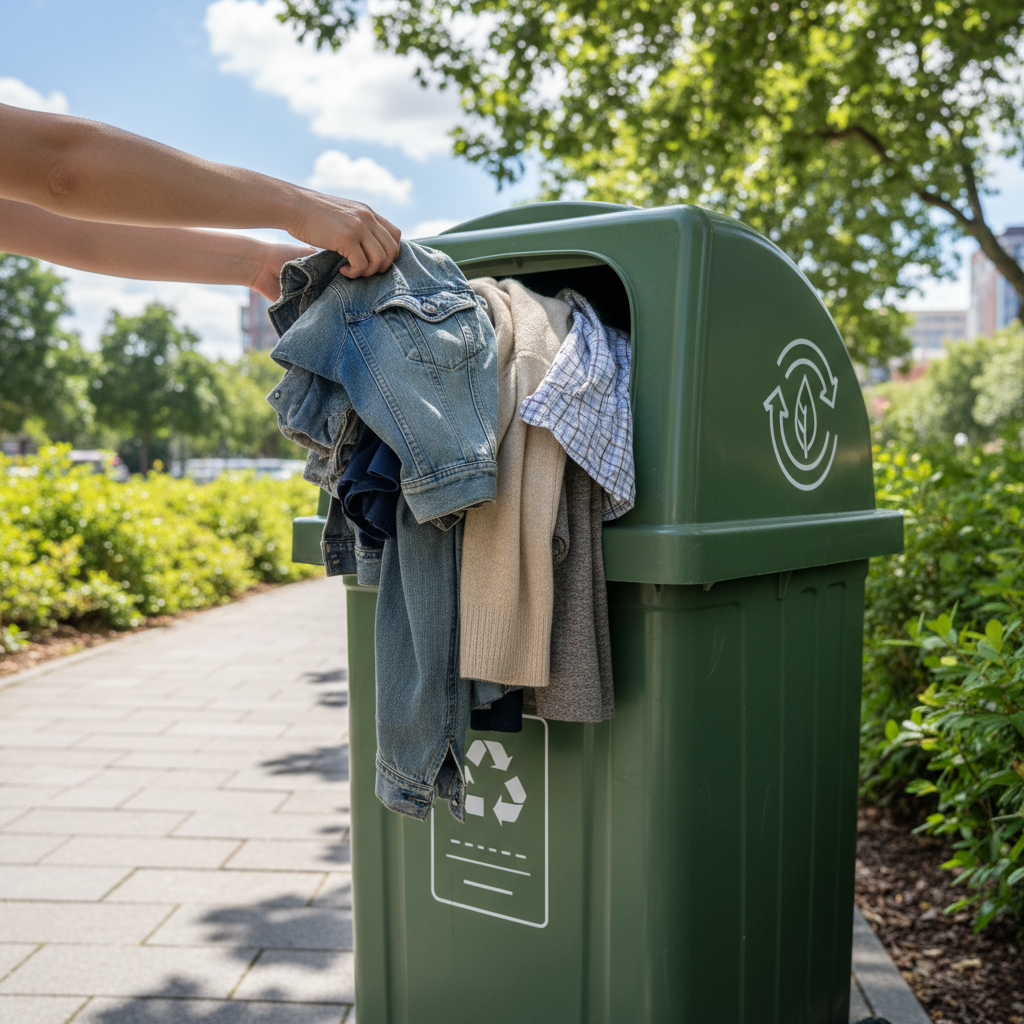
Now, what about clothes that are too worn out for donation? That’s where textile recycling bins come in handy. These aren’t your regular recycling bins—they’re specifically designed for fabrics that can’t be worn anymore but can still be turned into something useful (think insulation, cleaning cloths, or even new textiles). You’ll want to learn what materials these bins accept because not everything works. Some synthetic blends, for example, can be tricky to process. And here’s where creativity comes in: before you recycle anything, consider whether you could upcycle it yourself. Old t-shirts make excellent cleaning rags, and worn jeans can become patch material. Sometimes the best recycling happens right at home.
Key Practices for Responsible Clothes Recycling
Want to make sure you’re doing this right? Here are the essentials that’ll maximize your impact:
- Donate Only Clean and Wearable Clothes: Wash everything first and check for major damage. The better condition your donations are in, the more likely they’ll actually get used instead of just taking up space.
- Sort Clothes by Material Type: Natural fibers like cotton and wool process differently than synthetics. Sorting helps recycling facilities work more efficiently and prevents contamination that could ruin whole batches.
- Use Designated Textile Recycling Bins: Find the textile-specific bins in your area. These aren’t the same as regular recycling—they’re set up to handle fabrics properly and keep them out of the regular waste stream.
- Get Creative with Upcycling and Repurposing: Before you recycle, ask yourself: could this become something useful? DIY projects might sound intimidating, but turning old clothes into rags, bags, or even art projects is easier than you think.
Once you get into the rhythm of responsible clothes recycling, it becomes second nature. And the cool thing is, it fits perfectly with other eco-friendly habits you might be developing, like creating rain gardens or working to reduce your carbon footprint. It’s all connected—every small action adds up to create a healthier environment for everyone.

Here’s something that might surprise you: recycling your old clothes does way more than just clear out your closet. Every piece of clothing you divert from the trash helps tackle some pretty serious environmental problems. Think about it—when textiles sit in landfills, they don’t just take up space. They leak chemicals into soil and water, plus they release methane (which is actually worse for the climate than CO2). By recycling instead, you’re cutting down on the crazy amount of energy needed to make new fabrics. And trust me, it takes a lot—we’re talking massive water usage and tons of pesticides just to grow the cotton for one t-shirt.
But wait, there’s more to this story. When you donate those clothes, you’re not just helping the planet—you’re boosting your local community too. Those donations become affordable options for families who need them, which is pretty amazing when you think about it. Plus, all those sorting centers, thrift stores, and textile recycling facilities? They’re creating jobs. Real, meaningful work in the green economy that’s growing faster than you might expect. The secondhand market is absolutely exploding right now, and companies are finally getting serious about take-back programs.
Ready to actually do something about it? Start simple. Gather up those clean, decent clothes you never wear anymore and drop them off at a local charity or thrift store. Your old sweater could become someone’s new favorite. For stuff that’s really seen better days—like those socks with holes or stained shirts—look for textile recycling bins. These turn old fabric into useful things like insulation and cleaning rags. Feeling crafty? Turn them into something completely new yourself. Old t-shirts make fantastic cleaning cloths, and worn jeans can become patches for other clothes. If you’re on a roll with the eco-friendly lifestyle, check out our guides on how to build a rain garden, how to recycle glass bottles, and sustainable fashion brands. And hey, if you want to make sure your green choices don’t break the bank, our guide on how to build an emergency fund has you covered.
Look, recycling clothes isn’t going to save the world by itself. But it’s one of those small actions that actually adds up to something bigger. Every piece you keep out of the landfill matters. Every donation helps someone in your community. Every choice you make sends a signal that you care about the kind of future we’re building. Want to take it even further? Our guide on how to reduce greenhouse gas emissions shows you dozens of other ways to make a real difference. The power is literally in your hands—or should I say, in your closet.
Frequently Asked Questions
-
Can all old clothes be recycled?
- Not all clothes are suitable for recycling. Heavily stained, torn, or contaminated clothes often cannot be processed effectively and should be disposed of appropriately or repurposed creatively.
-
Where is the best place to donate clothes?
- Local charities, thrift stores, and community centers are great places to donate clean and wearable clothes where they can support those in need and reduce waste.
-
How should I prepare clothes for recycling?
- Wash and dry clothes before donating or recycling to ensure they are clean. Also, repair minor damages if possible to increase their chances of reuse and acceptance by recycling programs.