Asset Tracking in Remote Areas: Expert Insights on Hazardous Environment Management
Asset tracking in hazardous remote environments represents one of the most critical challenges in modern resource management, environmental monitoring, and economic sustainability. Whether managing mining operations in isolated regions, tracking renewable energy infrastructure across vast landscapes, or monitoring conservation equipment in biodiversity hotspots, organizations must balance operational efficiency with environmental stewardship and worker safety. The intersection of asset management technology and ecological preservation has become increasingly important as industries expand into previously untouched territories.
Remote area asset tracking involves deploying monitoring systems across geographically isolated locations where traditional infrastructure is absent, communication networks are unreliable, and environmental conditions present extraordinary challenges. These hazardous environments—from high-altitude plateaus to deep rainforests, arctic tundras to desert expanses—demand specialized solutions that account for extreme temperatures, harsh weather patterns, limited power availability, and terrain complexity. Understanding how to effectively track assets in these conditions requires expertise spanning technology, environmental science, and economic principles.
Understanding Hazardous Remote Environments
Hazardous remote environments encompass diverse geographical and climatic zones where asset tracking becomes exponentially more complex. These areas share common characteristics: extreme isolation from supply chains, unpredictable weather patterns, limited or nonexistent cellular coverage, challenging terrain, and often hostile conditions to both human workers and electronic equipment. Understanding the specific characteristics of each environment is essential for designing effective asset tracking solutions.
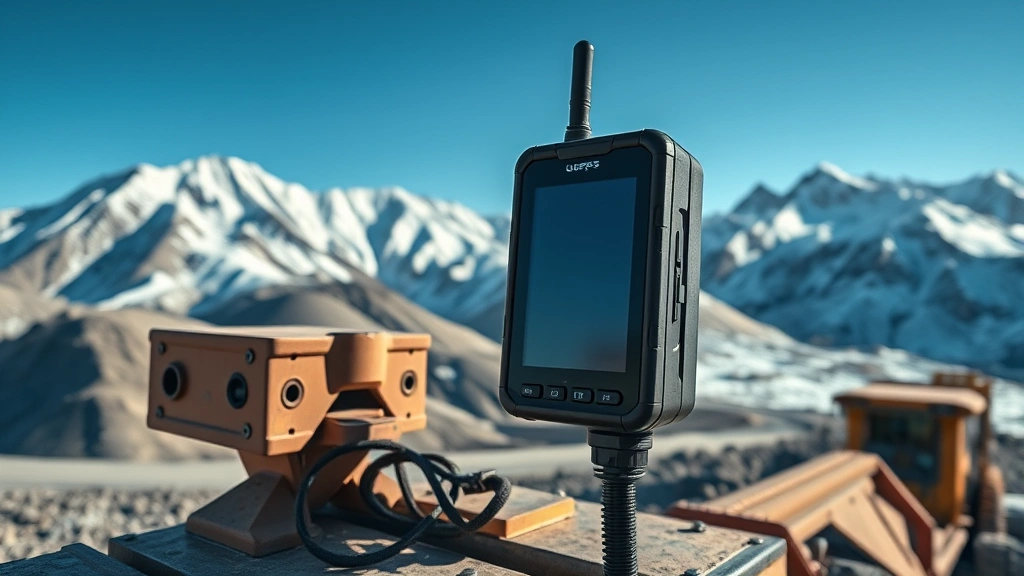
High-altitude environments present unique challenges including extreme cold, lower oxygen levels, intense solar radiation, and rapid weather changes. Mining operations in the Andes or Himalayas must track equipment across elevations exceeding 4,000 meters where standard GPS systems may malfunction and battery performance deteriorates significantly. Arctic and subarctic regions introduce permafrost complications, extreme cold that can render conventional batteries inoperable within hours, and seasonal darkness lasting months. Desert environments present contrary challenges—intense heat, sand infiltration into electronic components, and vast distances with minimal landmarks for navigation.
Tropical rainforests and wetland ecosystems present their own complexity: dense vegetation that blocks satellite signals, persistent moisture causing corrosion and electrical failures, challenging terrain with limited access routes, and biodiversity concerns that restrict the placement of tracking infrastructure. Each environment demands specialized approaches to human-environment interaction that minimize ecological disruption while maintaining operational effectiveness.
The economic stakes are substantial. According to research from the World Bank, inefficient asset management in remote resource extraction costs developing nations an estimated $50-100 billion annually in lost productivity and environmental remediation expenses. This economic inefficiency directly correlates with environmental degradation when assets cannot be properly maintained or recovered, leading to abandoned equipment that contaminates ecosystems.
Technology Solutions for Asset Tracking
Modern asset tracking in hazardous remote environments leverages multiple complementary technologies, each with distinct advantages and limitations. Satellite-based systems provide global coverage independent of terrestrial infrastructure, making them ideal for truly remote locations. However, satellite communication remains expensive—typically $15-50 per month per device—and introduces latency issues that complicate real-time tracking. GPS accuracy in remote areas can degrade significantly due to atmospheric conditions and terrain obstruction, with error margins potentially exceeding 50 meters in densely forested areas.
Cellular-based solutions including 4G LTE and emerging 5G networks offer superior bandwidth and lower operational costs but require existing infrastructure. Many remote areas lack adequate cellular coverage, necessitating deployment of temporary cell towers or mesh networks—expensive propositions that may only be economically viable for large-scale operations. Low-power wide-area networks (LPWAN) including LoRaWAN and Sigfox provide intermediate solutions, offering extended range and low power consumption at the cost of reduced bandwidth and slower data transmission rates.
Emerging technologies show particular promise for hazardous remote asset tracking. Ultra-wideband (UWB) systems provide precise location data with minimal power consumption, though their range remains limited to several hundred meters. Bluetooth Low Energy (BLE) networks enable mesh configurations where devices relay signals through multiple nodes, extending coverage across larger areas. Solar-powered tracking devices with battery capacities of 10,000-50,000 mAh can operate continuously in high-altitude or desert environments where solar exposure is reliable.
Ruggedized hardware design has become increasingly sophisticated. Modern asset trackers incorporate IP68 water-resistant ratings, operating temperature ranges from -40°C to +70°C, shock resistance exceeding 15G forces, and sand-sealed connectors designed specifically for desert deployment. Redundant power systems combining primary batteries with supercapacitors and solar trickle charging ensure continuous operation even during extended periods of adverse weather.
Integration with cloud-based analytics platforms enables real-time monitoring and predictive maintenance scheduling. Machine learning algorithms analyze historical tracking data to predict equipment failures before they occur, reducing downtime in remote locations where immediate repair is impossible. This technological sophistication directly impacts how human activities affect environmental systems by enabling more efficient resource use and reducing waste from equipment failures.
Economic Implications and Cost-Benefit Analysis
Asset tracking investments in remote environments require rigorous economic analysis because deployment costs can be substantial while benefits accrue over extended periods. Initial infrastructure investment ranges from $50,000 to $500,000 depending on area size, environmental conditions, and technology selection. A typical satellite-based tracking system for a 10,000-square-kilometer mining concession might require $150,000 in initial equipment costs plus $5,000-10,000 monthly operational expenses.
The economic return on these investments derives from multiple sources. Equipment loss prevention generates immediate returns—studies indicate that organizations implementing comprehensive asset tracking reduce equipment theft and loss by 30-45%, translating to savings of $100,000-500,000 annually for mid-sized operations. Improved maintenance scheduling through predictive analytics extends equipment lifespan by 15-25%, further reducing replacement costs. Enhanced operational efficiency from optimized equipment deployment increases productivity by 10-20%, generating additional revenue or cost savings.
Lifecycle cost analysis reveals that effective asset tracking typically achieves return on investment within 18-36 months. A renewable energy company tracking wind turbine components across a remote mountainous region realized $2.3 million in annual savings through improved maintenance scheduling and 42% reduction in emergency repairs requiring helicopter transport. However, these calculations must account for environmental remediation costs avoided through proper asset management.
Ecological economics principles suggest that traditional cost-benefit analyses underestimate the true value of asset tracking by failing to incorporate environmental externalities. When equipment is lost or abandoned in remote areas, remediation costs can exceed $100,000-1,000,000 depending on contamination severity and ecosystem sensitivity. Incorporating these environmental costs reveals that asset tracking investments often deliver economic returns 2-3 times higher than conventional analyses suggest.
Financing mechanisms for remote area asset tracking have evolved to reflect these economic realities. Impact investors increasingly view asset management technology as a mechanism for reducing environmental footprints of resource extraction, creating investment opportunities in specialized tracking solution providers. Green bonds and sustainability-linked financing now support deployment of advanced tracking systems in developing nations, recognizing the connection between operational efficiency and environmental protection.
Environmental Considerations and Ecosystem Impact
Asset tracking technology itself presents environmental trade-offs that demand careful consideration. Deploying electronic devices across sensitive ecosystems introduces materials (rare earth elements, lithium batteries, circuit boards) that can accumulate in environments where recovery is difficult. However, the environmental benefits of effective asset tracking—preventing equipment loss, enabling precise maintenance scheduling, reducing operational inefficiency—typically outweigh these deployment impacts by substantial margins.
The United Nations Environment Programme has identified asset tracking as a critical tool for sustainable resource management in remote regions. Proper equipment management prevents the widespread contamination that occurs when assets are abandoned, reducing soil and water pollution while preserving wildlife habitat integrity. In protected areas and biodiversity hotspots, asset tracking enables organizations to minimize infrastructure footprints by optimizing equipment placement and utilization.
Understanding the definition of environment in scientific contexts helps clarify why asset tracking matters environmentally. The environment encompasses not just visible ecosystems but complex biogeochemical cycles, nutrient flows, and energy transfers. When assets malfunction or become lost in remote areas, they disrupt these systems through metal leaching, plastic degradation, and habitat fragmentation. Effective tracking prevents these disruptions while enabling sustainable resource utilization.
Specific ecosystem impacts vary by environment type. In arctic regions, abandoned equipment concentrates heavy metals in permafrost, creating long-term contamination risks as climate change accelerates thawing. Desert environments face different challenges—abandoned electronic equipment can persist for decades, gradually releasing toxic compounds into limited water supplies. Tropical ecosystems present perhaps the greatest complexity because biodiversity is highest and recovery from contamination is slowest.
Research published in Ecological Economics demonstrates that organizations implementing comprehensive asset tracking reduce environmental remediation costs by 40-60% while simultaneously improving operational sustainability. The relationship between asset management efficiency and environmental protection represents an unusual case where economic and ecological interests align strongly.

Real-World Implementation Strategies
Successful asset tracking deployment in hazardous remote environments requires systematic implementation strategies that account for technical, logistical, and organizational factors. Leading organizations typically employ phased approaches beginning with pilot programs in smaller, more accessible areas before scaling to larger or more challenging regions.
The initial phase involves comprehensive environmental and operational assessment. Specialists conduct surveys to identify terrain characteristics, weather patterns, existing infrastructure, and accessibility constraints. This assessment informs technology selection—organizations operating in rainforest environments typically prioritize mesh networking and satellite backup systems, while desert operations emphasize solar power and wide-area coverage. Arctic deployments focus on extreme cold tolerance and seasonal lighting variations.
Pilot programs typically deploy 20-50 tracking devices across representative areas, establishing baseline performance metrics and identifying unexpected challenges. A mining company tracking equipment across a 500-square-kilometer Andean concession discovered that standard GPS systems experienced 30-40% signal loss in valley environments due to terrain obstruction, requiring deployment of ground-based repeater stations at strategic locations. These pilot insights, unavailable through laboratory testing, prove invaluable for scaling operations.
Supply chain integration represents a critical implementation consideration. Asset tracking data must integrate with existing inventory management systems, maintenance scheduling platforms, and financial reporting systems. Organizations using enterprise resource planning (ERP) systems must establish data interfaces that translate tracking information into actionable operational decisions. This integration challenge, often underestimated during planning phases, can consume 30-40% of implementation timelines and budgets.
Staff training and organizational change management frequently determine implementation success more than technology selection. Workers in remote areas must understand tracking system functionality, appreciate privacy implications, and recognize how data informs maintenance scheduling. Organizations implementing comprehensive tracking often discover that cultural resistance—particularly from experienced workers accustomed to autonomous decision-making—presents greater challenges than technical obstacles.
Maintenance and sustainability planning ensures long-term viability. Remote area asset tracking systems require periodic battery replacement, firmware updates, and hardware repairs that may only be possible during seasonal access windows. Organizations must establish supply chains capable of delivering replacement components to isolated locations and train local personnel in basic maintenance procedures. This sustainability planning often determines whether pilot successes translate into permanent operational capabilities.
Regulatory Framework and Compliance
Asset tracking in remote areas operates within increasingly complex regulatory frameworks that address environmental protection, worker safety, data privacy, and resource management. Understanding these regulatory contexts is essential for compliance and risk management.
Environmental regulations in many jurisdictions now require comprehensive asset management as a condition for operating in sensitive areas. International Union for Conservation of Nature standards recommend asset tracking in protected areas to minimize environmental footprints and demonstrate responsible stewardship. Some nations have implemented mandatory asset registration systems for equipment operating in national parks, biodiversity reserves, and other protected ecosystems.
Worker safety regulations increasingly mandate asset tracking as a safety measure. When equipment operates in hazardous environments, regulatory agencies require systems capable of locating workers and assets in emergencies. This safety imperative has driven significant investment in tracking infrastructure in mining, oil and gas, and renewable energy sectors. Organizations failing to maintain functional asset tracking systems face substantial fines and potential operational suspension.
Data privacy regulations present emerging compliance challenges. The General Data Protection Regulation (GDPR) in Europe and similar regulations elsewhere restrict how organizations can collect, store, and process location data. When asset tracking systems simultaneously track worker locations, organizations must carefully navigate privacy requirements while maintaining safety and operational capabilities. This regulatory complexity has spawned specialized legal frameworks addressing tracking data governance in remote areas.
International standards including ISO 50001 (energy management) and ISO 14001 (environmental management) increasingly incorporate asset tracking requirements. Organizations pursuing sustainability certifications often implement tracking systems to demonstrate efficient resource utilization and environmental responsibility. These certifications increasingly influence market access and financing availability, creating economic incentives for comprehensive asset management beyond direct operational benefits.
Future Trends and Innovation
Asset tracking technology continues evolving rapidly, with emerging innovations promising to address current limitations and enable applications previously considered infeasible. Artificial intelligence and machine learning increasingly enable predictive capabilities that extend beyond simple location tracking to anticipate equipment failures, optimize maintenance scheduling, and recommend operational adjustments.
Autonomous systems represent a transformative frontier. Unmanned aerial vehicles (UAVs) equipped with advanced sensors can conduct periodic asset surveys across vast remote areas, eliminating the need for frequent human expeditions to verify equipment status. Ground-based autonomous systems including robots and drones enable equipment maintenance and battery replacement in locations too hazardous for human workers. These autonomous capabilities promise to dramatically reduce operational costs while improving safety.
Blockchain technology introduces new possibilities for asset tracking verification and environmental accountability. Distributed ledger systems can create immutable records of equipment movement, maintenance history, and environmental compliance, enabling transparent accountability in multi-stakeholder operations. This technological approach particularly appeals to organizations seeking to demonstrate responsible stewardship to environmental regulators and conscious consumers.
Energy harvesting technologies continue advancing, with emerging systems capable of extracting usable power from thermal gradients, vibration, and electromagnetic fields. Equipment operating in extreme temperature environments can increasingly charge batteries through thermoelectric generators, while vibration-powered systems eliminate battery replacement in mechanically active applications. These innovations promise to extend operational lifespans from years to decades while reducing maintenance requirements.
Integration with broader environmental monitoring systems represents another significant trend. Asset tracking data increasingly combines with climate monitoring, biodiversity surveys, and ecosystem health assessments, creating comprehensive environmental intelligence platforms. Organizations can now simultaneously track equipment while monitoring environmental impacts, enabling real-time adjustments to minimize ecological disruption.
The convergence of asset tracking with environmental awareness initiatives suggests that future systems will increasingly emphasize sustainability reporting and ecological accountability. Organizations deploying asset tracking will leverage this infrastructure to demonstrate compliance with environmental standards, track emissions from remote operations, and document restoration efforts. This evolution reflects growing recognition that operational efficiency and environmental responsibility are complementary rather than conflicting objectives.
FAQ
What is the most cost-effective asset tracking solution for remote areas?
Cost-effectiveness depends on specific environmental conditions and operational requirements. For areas with intermittent cellular coverage, hybrid systems combining satellite backup with cellular primary transmission typically offer optimal cost-benefit ratios, ranging from $2,000-5,000 per device including installation. Organizations should conduct detailed feasibility studies evaluating deployment costs, monthly operational expenses, and expected return on investment for their specific circumstances.
How do extreme temperatures affect asset tracking devices?
Standard commercial electronics typically operate reliably between -20°C and +50°C. Hazardous remote environments frequently exceed these ranges, requiring ruggedized devices with extended operating specifications. Military-grade equipment operates reliably from -40°C to +70°C but costs 3-5 times more than commercial alternatives. Battery performance degrades significantly in extreme cold—lithium batteries lose 50% capacity at -20°C—necessitating larger battery packs or supplementary power systems in arctic environments.
What privacy concerns arise from asset tracking in remote areas?
Asset tracking systems simultaneously track equipment and worker locations, raising legitimate privacy concerns. Organizations must implement strict data governance protocols limiting access to location information, establishing data retention policies, and obtaining worker consent. Some jurisdictions require explicit privacy impact assessments before deploying tracking systems. Transparent communication with workers about tracking purposes, data security measures, and access controls helps address privacy concerns while maintaining operational capabilities.
How can organizations ensure asset tracking data integrates with existing systems?
Successful integration requires early planning involving IT departments, operations teams, and system vendors. Organizations should document existing system architectures, identify integration points, and establish data standards before technology selection. Many modern tracking platforms offer APIs and webhooks enabling integration with popular ERP systems, but custom development may be necessary for legacy systems. Budget 4-8 weeks for integration testing and validation before production deployment.
What environmental impact do asset tracking devices have?
Individual tracking devices have minimal direct environmental impact—typically weighing 50-200 grams and consuming minimal power. However, deployment across vast areas introduces material inputs including rare earth elements and lithium. The environmental benefits of effective asset tracking—preventing equipment loss, enabling efficient maintenance, reducing operational waste—typically exceed deployment impacts by 10-50 times, making comprehensive tracking an environmentally responsible practice when properly implemented.
How frequently should asset tracking systems be maintained?
Maintenance frequency depends on environmental harshness and equipment criticality. Devices in extreme environments typically require quarterly inspections with annual battery replacement. Organizations should establish preventive maintenance schedules based on manufacturer recommendations, environmental conditions, and operational experience. Predictive maintenance systems using analytics can optimize maintenance intervals, reducing unnecessary service visits while preventing unexpected failures.


