
Internal Environment’s Role in Economy: Study Insights
The internal environment—encompassing natural capital, ecosystem services, and environmental conditions within economic systems—represents one of the most underappreciated drivers of economic performance and stability. While conventional economic models have traditionally treated the environment as an external factor or unlimited resource pool, contemporary research reveals that the internal environment functions as a fundamental economic asset whose degradation directly threatens prosperity, growth trajectories, and long-term financial resilience. This paradigm shift has profound implications for how policymakers, investors, and businesses evaluate economic health and plan for sustainable development.
Recent interdisciplinary studies integrating ecological economics, environmental accounting, and systems analysis demonstrate that environmental conditions operating within and around economic activities generate measurable economic returns while simultaneously constraining economic expansion when depleted or damaged. Understanding these mechanisms requires examining how natural capital stocks, ecosystem service flows, and environmental quality metrics translate into tangible economic outcomes across sectors, regions, and temporal scales. The evidence increasingly suggests that ignoring the internal environment’s economic role represents a significant analytical blind spot that distorts resource allocation decisions and perpetuates unsustainable development patterns.
Natural Capital as Economic Foundation
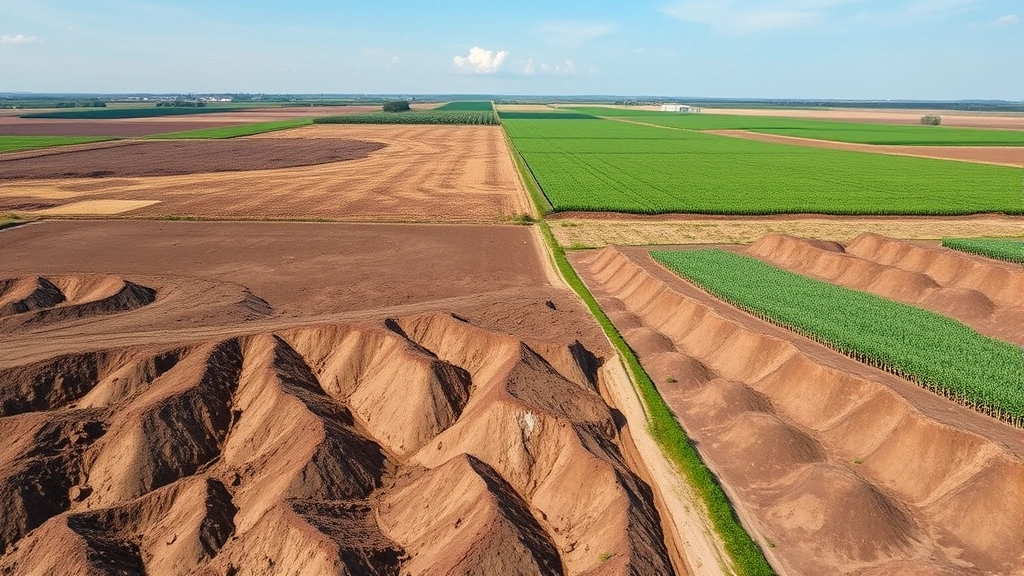
Natural capital—comprising soil, water, forests, minerals, biodiversity, and atmospheric composition—functions as the foundational economic asset upon which all production and consumption activities depend. Unlike manufactured capital or human capital, natural capital operates across multiple scales simultaneously, generating both direct economic inputs (raw materials, energy sources) and indirect services (climate regulation, waste processing) that enable economic activity. The internal environment’s natural capital stocks determine the carrying capacity and productive potential of economic systems, yet conventional national accounting systems systematically undervalue or ignore these assets entirely.
Research from the World Bank’s environmental economics division quantifies natural capital depletion across regions, revealing that many developing economies experience annual natural capital losses equivalent to 5-15% of gross domestic product. These losses reflect unsustainable extraction of timber, fisheries, mineral resources, and degradation of soil and water quality. When adjusted for natural capital depletion, conventional GDP growth figures substantially overstate actual economic progress, masking the depletion of the environmental assets that future generations depend upon. Countries reporting robust GDP expansion while depleting natural capital stocks are essentially converting natural wealth into consumption, reducing their long-term productive capacity and economic resilience.
The relationship between natural capital stocks and economic productivity operates through multiple pathways. Agricultural productivity depends directly on soil quality, water availability, and climate stability maintained within the internal environment. Manufacturing and energy production require reliable supplies of raw materials and water, conditions that deteriorate as environmental degradation advances. Tourism, fisheries, forestry, and other natural resource-based sectors face immediate productivity constraints when ecosystem integrity declines. Even service sectors and technology-based economies depend ultimately on the environmental conditions that support labor productivity, health outcomes, and quality of life that enable economic participation and innovation.
Ecosystem Services and Economic Valuation
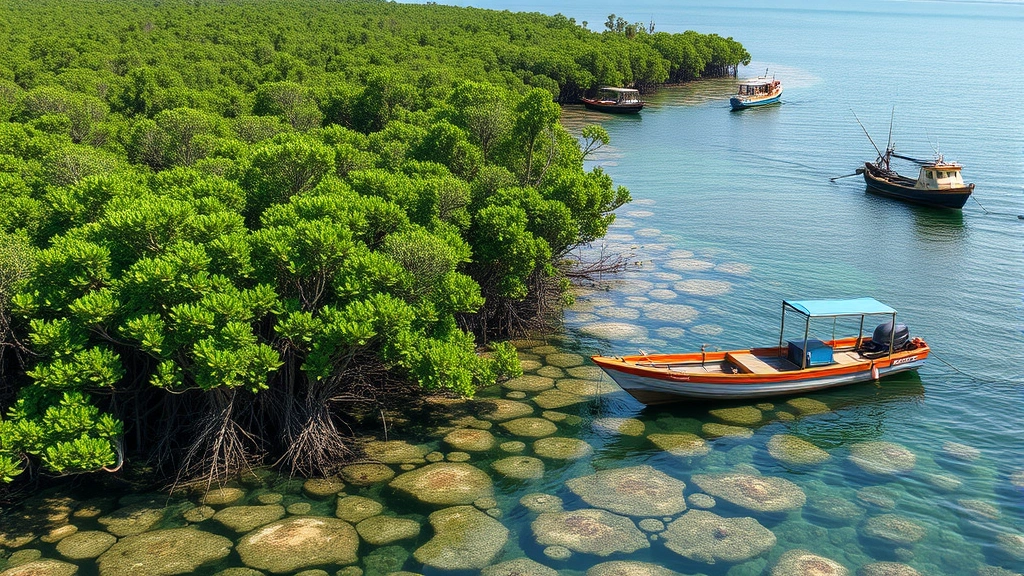
Ecosystem services represent the flows of benefits that human economies derive from functioning ecosystems and natural systems. These services operate continuously within the internal environment, generating economic value through pollination, water purification, climate regulation, nutrient cycling, pest control, and numerous other processes. The Millennium Ecosystem Assessment and subsequent research establish that global ecosystem services generate economic value exceeding $125 trillion annually—a figure dwarfing global GDP—yet these services remain largely unpriced in market transactions and policy decisions.
The challenge of valuing ecosystem services involves translating ecological functions into economic metrics comparable with market-traded goods and services. Contingent valuation methods, replacement cost approaches, hedonic pricing, and production function analysis each capture different dimensions of ecosystem service value. For example, wetland ecosystems provide water filtration services that, when replaced with engineered treatment infrastructure, require capital investments of thousands to millions of dollars per unit area. Mangrove ecosystems provide coastal protection valued at hundreds of dollars per hectare annually while simultaneously supporting fisheries and carbon storage. Pollinator services, predominantly delivered by wild bee populations and other insects, support agricultural production worth hundreds of billions annually across global food systems.
Incorporating ecosystem service valuation into economic decision-making reveals that environmental protection frequently generates higher economic returns than conversion or degradation. UNEP environmental economics research demonstrates that protecting forest ecosystems for carbon storage, water provision, and biodiversity conservation yields economic benefits exceeding timber harvest values across most tropical forest regions when accounting for ecosystem services across appropriate time horizons. Similarly, protecting agricultural soils through conservation practices generates returns through sustained productivity that exceed short-term gains from extractive farming approaches. These findings challenge the assumption that economic growth requires environmental degradation, instead suggesting that sustainable environmental management aligns with economic optimization when full ecosystem service values are incorporated into analyses.
Examining human-environment interaction through an economic lens reveals how economic actors shape environmental conditions that subsequently determine economic outcomes. This feedback loop operates across time scales from immediate (pollination affecting harvest yields) to intergenerational (soil depletion reducing agricultural productivity for decades). Understanding these dynamics requires integrating ecological processes with economic behavior, moving beyond disciplinary silos that have traditionally separated environmental science from economics.
Environmental Degradation’s Economic Costs
Environmental degradation—manifested through pollution, resource depletion, habitat loss, and climate change—imposes substantial economic costs that extend far beyond direct production losses. These costs operate through multiple channels: reduced factor productivity, increased production costs, health expenditures, infrastructure damage, productivity losses from environmental health impacts, and reduced ecosystem service provision. Quantifying these costs remains methodologically challenging, but emerging evidence suggests that environmental degradation costs range from 2-10% of GDP in most national economies, with significantly higher percentages in regions experiencing severe ecosystem degradation.
Air and water pollution generate measurable health costs through respiratory disease, cardiovascular impacts, and waterborne illness that reduce labor productivity and increase healthcare expenditures. The World Health Organization estimates that outdoor air pollution alone causes approximately 7 million annual deaths globally, with associated economic costs exceeding $5 trillion annually when accounting for lost productivity and healthcare expenses. Water pollution reduces agricultural productivity, contaminates drinking water supplies requiring expensive treatment infrastructure, and damages fisheries and aquaculture industries. Soil degradation reduces agricultural productivity, requiring increasing chemical inputs to maintain yields, while simultaneously reducing the nutritional quality of food production.
Climate change, driven by greenhouse gas accumulation in the atmosphere, represents perhaps the most significant economic threat posed by environmental degradation. Rising temperatures, changing precipitation patterns, increased extreme weather frequency, and sea-level rise impose costs across agricultural, coastal, infrastructure, and health sectors. Economic modeling suggests that unchecked climate change could reduce global GDP by 5-20% by 2100, with disproportionate impacts on developing economies and vulnerable populations. These costs dwarf current investments in climate mitigation and adaptation, yet persist in remaining externalized from most economic decision-making frameworks.
The internal environment’s degradation also generates economic instability and increased risk. Environmental scarcity drives resource conflicts, migration pressures, and political instability that disrupt economic activity and increase security expenditures. Ecosystem collapse generates sudden economic shocks when fisheries collapse, agricultural zones become unproductive, or water sources become depleted. This increased volatility imposes costs through reduced investment, higher insurance premiums, and foregone economic opportunities that represent hidden economic penalties for environmental mismanagement.
Internal Environment and Sectoral Performance
The internal environment’s economic significance varies substantially across economic sectors, with natural resource-dependent sectors experiencing direct productivity linkages while service and manufacturing sectors face more indirect environmental constraints. Agricultural productivity depends directly on soil quality, water availability, climate stability, and pest control services provided by ecosystems. Declining soil quality reduces crop yields, increases input costs, and threatens food security for populations dependent on agricultural production. Water scarcity constrains agricultural expansion in arid and semi-arid regions, limiting economic opportunities and driving migration pressures.
Fisheries and aquaculture depend on healthy marine and freshwater ecosystems that face degradation from overharvesting, pollution, habitat destruction, and climate change. Global fisheries have experienced declining catches despite increasing effort, indicating ecosystem degradation limits that constrain economic expansion in this sector. Aquaculture, while expanding, generates environmental costs through pollution and disease transmission to wild fish populations that subsequently reduce wild fishery productivity. Forestry similarly depends on sustainable forest management that maintains ecosystem integrity while generating timber and non-timber forest products. Unsustainable logging practices degrade forest ecosystems, reducing long-term productive capacity and generating spillover costs through increased flooding, soil erosion, and water pollution.
Tourism and recreation sectors depend entirely on environmental quality and ecosystem integrity. Coastal tourism depends on clean beaches, healthy coral reefs, and stable marine ecosystems that face degradation from pollution, overfishing, and climate change. Mountain tourism depends on healthy watersheds, stable weather patterns, and scenic environmental conditions threatened by deforestation and climate change. These sectors generate substantial economic value—global tourism represents approximately 10% of global GDP—yet face fundamental constraints from environmental degradation that threatens their viability.
Manufacturing and service sectors experience more indirect environmental constraints through input costs, labor productivity impacts, and infrastructure disruption. How humans affect the environment through industrial production creates feedback effects that increase production costs through pollution control requirements, resource scarcity premiums, and climate change adaptation expenses. Manufacturing sectors dependent on water inputs face increasing costs as water scarcity advances. Energy sectors face constraints from climate policy and renewable energy transition requirements that fundamentally reshape production economics. Supply chain disruptions from climate-related extreme weather events impose increasing costs on manufacturing and logistics sectors globally.
Measurement and Accounting Frameworks
Integrating the internal environment into economic analysis requires developing measurement and accounting frameworks that capture environmental conditions and translate them into economic metrics comparable with conventional economic indicators. Natural capital accounting represents the most comprehensive approach, extending national accounting systems to include environmental assets alongside manufactured and human capital. This approach, endorsed by the UN Environment Programme’s green economy initiatives, enables systematic tracking of environmental asset depletion and ecosystem service flows alongside conventional economic indicators.
Environmental impact assessment methodologies enable systematic evaluation of proposed projects and policies regarding their environmental consequences and economic implications. Life cycle assessment approaches trace environmental impacts and associated costs across entire production and consumption chains, revealing hidden environmental costs embedded in supply networks. Ecological footprint analysis quantifies resource consumption relative to regenerative capacity, establishing planetary boundaries within which economic activity must operate sustainably. These frameworks, while imperfect, provide substantially more comprehensive economic analysis than approaches ignoring environmental dimensions.
Satellite monitoring, remote sensing, and environmental monitoring networks now enable systematic tracking of environmental conditions at scales from local to global, providing data infrastructure for integrating environmental information into economic decision-making. Real-time monitoring of air and water quality, land use change, forest cover, ocean conditions, and climate variables enables rapid detection of environmental changes and economic implications. This technological capacity, combined with analytical frameworks integrating environmental and economic information, creates unprecedented opportunities for evidence-based environmental economic policy.
The challenge of monetizing ecosystem services and environmental degradation costs remains significant, with substantial methodological debates regarding appropriate valuation approaches. However, the existence of measurement challenges should not justify continued ignorance of environmental economic linkages. Conservative valuation approaches that underestimate ecosystem service values and environmental degradation costs provide more defensible policy guidance than complete omission of these dimensions from economic analysis.
Policy Implications and Economic Integration
Recognizing the internal environment’s fundamental economic role requires integrating environmental considerations systematically into economic policy frameworks. Fiscal policy should incorporate environmental taxes, subsidies, and incentive structures that align private economic incentives with environmental sustainability requirements. Carbon pricing mechanisms, water usage fees, pollution taxes, and natural resource extraction charges create economic signals that discourage environmentally destructive activities while encouraging sustainable alternatives. Removing environmentally harmful subsidies—estimated at $5-7 trillion globally when accounting for externalities—would substantially improve economic efficiency while advancing environmental sustainability.
Environmental awareness among policymakers and economic actors remains crucial for translating scientific evidence into policy implementation. Education and communication regarding environmental economic linkages must extend beyond environmental professionals to economists, business leaders, and political decision-makers who determine resource allocation. Integration of environmental economics into economics education programs, business school curricula, and policy analysis training represents essential infrastructure for mainstreaming environmental considerations into economic decision-making.
International policy frameworks addressing climate change, biodiversity loss, and environmental degradation require strengthening to reflect the magnitude of environmental economic threats. The Paris Agreement on climate change, while establishing important international commitment to emissions reductions, remains insufficient to prevent dangerous climate change without substantially increased ambition. Biodiversity conservation agreements require enhanced implementation and financing to prevent ecosystem collapse that would generate catastrophic economic consequences. Environmental justice frameworks must ensure that environmental costs and benefits distribute equitably across populations, preventing patterns where vulnerable populations bear disproportionate environmental burdens while wealthier populations capture environmental benefits.
Business and investment frameworks must increasingly incorporate environmental risks and opportunities into decision-making. Environmental, social, and governance (ESG) investment criteria represent growing recognition that environmental conditions determine long-term financial performance. Stranded asset risks from climate change and environmental degradation increasingly concern financial institutions as they recognize that business-as-usual trajectories lead to substantial asset devaluation. Transition to circular economy models, renewable energy systems, and sustainable resource management represents simultaneously an environmental imperative and an economic opportunity that forward-looking businesses increasingly pursue.
Understanding the definition of environment in science provides essential conceptual foundation for integrating environmental considerations into economic analysis. The environment encompasses not merely scenery or aesthetic resources but rather the biophysical systems that generate all economic value and support all economic activity. This fundamental reality, while scientifically established, remains inadequately reflected in economic theory, policy, and practice.
Research from ecological economics journals and environmental economics research centers increasingly demonstrates that the false dichotomy between environmental protection and economic prosperity reflects outdated analytical frameworks. Contemporary evidence suggests that sustainable environmental management and long-term economic prosperity align fundamentally, with environmental degradation imposing substantial economic costs that dwarf short-term gains from unsustainable resource exploitation. Policymakers and business leaders who internalize these insights position their economies and organizations for long-term success in an increasingly environmentally constrained world.
FAQ
How does the internal environment differ from external environmental factors?
The internal environment encompasses natural capital stocks and ecosystem conditions operating within and directly supporting economic systems, while external factors refer to broader environmental conditions. This distinction emphasizes that economic systems depend fundamentally on healthy internal environmental conditions rather than treating the environment as an external constraint. Understanding this integration reveals how environmental degradation directly undermines economic performance.
What are the most significant ecosystem services economically?
Water purification, pollination, climate regulation, and nutrient cycling represent ecosystem services generating the largest economic values. Water purification alone would cost trillions annually if replaced through engineered infrastructure. Pollination supports agricultural production worth hundreds of billions annually. Climate regulation maintains atmospheric conditions essential for all economic activity. Recognizing these services’ economic value fundamentally changes cost-benefit analyses of environmental protection.
How can governments integrate environmental economics into policy?
Governments can implement environmental taxes and fees, remove environmentally harmful subsidies, establish natural capital accounting systems, and integrate environmental impact assessment into policy evaluation processes. International cooperation addressing transboundary environmental issues like climate change and ocean pollution requires coordinated policy frameworks. Education and institutional reform enabling environmental economic integration throughout government structures remains essential for implementation.
Why do conventional economic models ignore the internal environment?
Historical economic theory developed when environmental resources appeared abundant relative to economic scale, enabling treatment of the environment as an external factor. Disciplinary separation between economics and natural sciences prevented integration of environmental knowledge into economic frameworks. Methodological challenges in monetizing ecosystem services created analytical barriers. These historical factors persist despite contemporary evidence of environmental constraints on economic activity.
What evidence demonstrates environmental degradation’s economic costs?
Research quantifying pollution health impacts, agricultural productivity losses from soil degradation, fisheries collapse from overharvesting, and climate change economic damages provides substantial empirical evidence. World Bank studies, UNEP assessments, and peer-reviewed research consistently demonstrate that environmental degradation costs range from 2-10% of national GDPs. These costs will increase substantially without policy intervention addressing environmental degradation drivers.


