
How Green Policies Impact Economy: A Study
The intersection of environmental policy and economic performance has become one of the most critical debates in modern governance. For decades, policymakers operated under the assumption that environmental protection and economic growth were mutually exclusive—a false dichotomy that has been thoroughly challenged by empirical evidence. Today, comprehensive research demonstrates that strategically designed green policies can simultaneously reduce ecological degradation while generating substantial economic returns through job creation, innovation, and resource efficiency.
This comprehensive analysis examines how environmental regulations, carbon pricing mechanisms, renewable energy investments, and sustainable resource management policies reshape economic structures. Rather than imposing insurmountable costs, evidence-based green policies function as catalysts for economic transformation, driving technological advancement and creating competitive advantages in emerging markets. Understanding these dynamics requires moving beyond traditional economic frameworks that externalize environmental costs and adopting integrated approaches that recognize natural capital as foundational to long-term prosperity.
The Economic Case for Environmental Regulation
Environmental regulations fundamentally alter cost structures within industries by internalizing externalities—environmental damages previously borne by society rather than polluters. When firms must account for their ecological footprint, market prices more accurately reflect true resource scarcity. The World Bank estimates that environmental degradation costs developing nations approximately 4-5% of annual GDP, a burden that green policies help mitigate through prevention rather than remediation.
Consider the transition to emissions standards in manufacturing. Initially, compliance requires capital investment in cleaner technologies. However, this catalyzes efficiency improvements that reduce operational costs over time. A facility installing advanced filtration systems doesn’t merely meet regulatory requirements—it simultaneously reduces material waste, lowers energy consumption, and improves worker productivity through better air quality. These secondary benefits often exceed compliance costs within five to seven years.
The relationship between human environment interaction and economic outcomes becomes evident when analyzing pollution’s direct health impacts. Air quality degradation costs economies approximately $5.11 trillion annually in lost productivity, medical expenses, and premature mortality. Regulatory policies preventing this pollution represent investments with extraordinarily high returns, effectively converting expenditures on environmental protection into healthcare savings.
Job Creation and Labor Market Transformation
Green policies consistently generate employment growth exceeding losses in transitioning sectors. Renewable energy installation, retrofitting buildings for energy efficiency, ecosystem restoration, and sustainable agriculture create labor-intensive opportunities that cannot be outsourced. The International Labour Organization documents that clean energy sectors employ 12.7 million workers globally, with growth rates substantially outpacing fossil fuel employment decline.
Job quality metrics reveal additional advantages. Green jobs typically offer higher wages, better working conditions, and greater advancement opportunities compared to extractive industries. Renewable energy technicians, environmental engineers, and sustainable agriculture specialists command premium compensation reflecting specialized skill requirements. These positions concentrate in communities with existing industrial infrastructure, enabling just transition strategies that prevent economic collapse in regions dependent on carbon-intensive industries.
Labor market transformation extends beyond direct employment. Green supply chains require expanded logistics networks, manufacturing facilities, research institutions, and service sectors. A single solar farm generates not only installation jobs but ongoing maintenance employment, equipment manufacturing positions, and professional services. This multiplier effect means each primary green job creates 1.5-2.5 additional positions in supporting industries—comparable to or exceeding traditional energy sector multipliers.
Workforce development programs aligned with carbon footprint reduction initiatives ensure equitable transitions. Nations investing in retraining programs for coal miners transitioning to renewable energy installation, or oil workers entering geothermal development, achieve superior economic outcomes compared to those implementing abrupt policy changes without support mechanisms.
Innovation and Technological Advancement
Environmental regulations function as innovation drivers by establishing clear performance targets that encourage technological development. When policymakers mandate emissions reductions without prescribing specific technologies, competitive markets generate multiple solutions. This approach accelerates innovation cycles, reduces technology costs through manufacturing scale, and creates intellectual property value for pioneering firms.
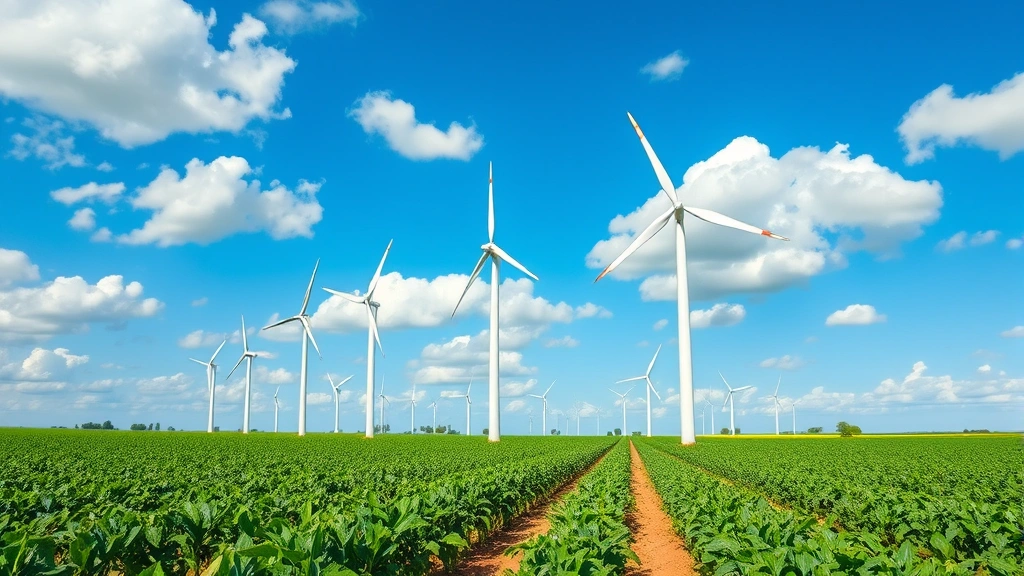
The renewable energy sector exemplifies this dynamic. Solar photovoltaic costs declined 89% between 2010 and 2020, driven largely by regulatory policies establishing renewable energy targets across major economies. Wind turbine efficiency improved 50% over the same period. These cost reductions weren’t inevitable—they resulted from sustained policy frameworks creating predictable demand for clean technologies. Battery storage, the critical enabler for grid-scale renewable integration, followed similar trajectories, with lithium-ion costs falling from $1,200 per kilowatt-hour to $137 by 2021.
Innovation spillovers extend beyond clean energy. Environmental regulations catalyze advances in materials science, industrial processes, agricultural techniques, and information technology. Firms developing water-efficient manufacturing processes, biodegradable packaging materials, or precision agriculture systems gain competitive advantages globally. Developing nations implementing stringent environmental standards position themselves as innovation hubs, attracting investment and talent in high-value sectors.
The relationship between environmental policy stringency and R&D investment follows a clear pattern. Economies with ambitious climate targets allocate 2-3% of GDP to environmental research and development, compared to 0.5-1% in less regulated markets. This concentrated investment creates technological leadership, enabling first-mover advantages in global markets valuing sustainability performance.
Cost-Benefit Analysis of Climate Policies
Rigorous economic analysis comparing climate policy costs against avoided damages reveals overwhelmingly favorable benefit-cost ratios. The Stern Review, a comprehensive assessment of climate economics, determined that benefits of strong early action exceed costs by a factor of five to one. More recent analyses by the United Nations Environment Programme confirm these findings, with most climate mitigation scenarios demonstrating net positive economic returns.
Cost calculations must account for both implementation expenses and co-benefits. A carbon tax reducing emissions 50% might cost 1-2% of GDP in direct compliance expenses, but simultaneously generates benefits through:
- Health improvements from reduced air pollution (3-5% GDP equivalent annually)
- Agricultural productivity gains from stabilized climate patterns (1-2% GDP)
- Reduced disaster costs from prevented extreme weather events (0.5-3% GDP depending on region)
- Energy security improvements from reduced fossil fuel dependence (1-2% GDP)
- Ecosystem service preservation including pollination, water filtration, and climate regulation (2-4% GDP)
When aggregated, co-benefits typically exceed direct policy costs by 200-400%, creating net positive fiscal outcomes. This doesn’t account for avoided catastrophic climate impacts—sea level rise, ecosystem collapse, agricultural failure—which would impose costs exceeding 10% of global GDP by century’s end under business-as-usual scenarios.
Regional variations in cost-benefit ratios reflect different economic structures and climate vulnerabilities. Small island states and least-developed nations face disproportionate climate damages relative to their contributions to emissions, establishing moral and economic imperatives for ambitious global mitigation policies that protect vulnerable populations while enabling development.
Sectoral Impacts and Economic Restructuring
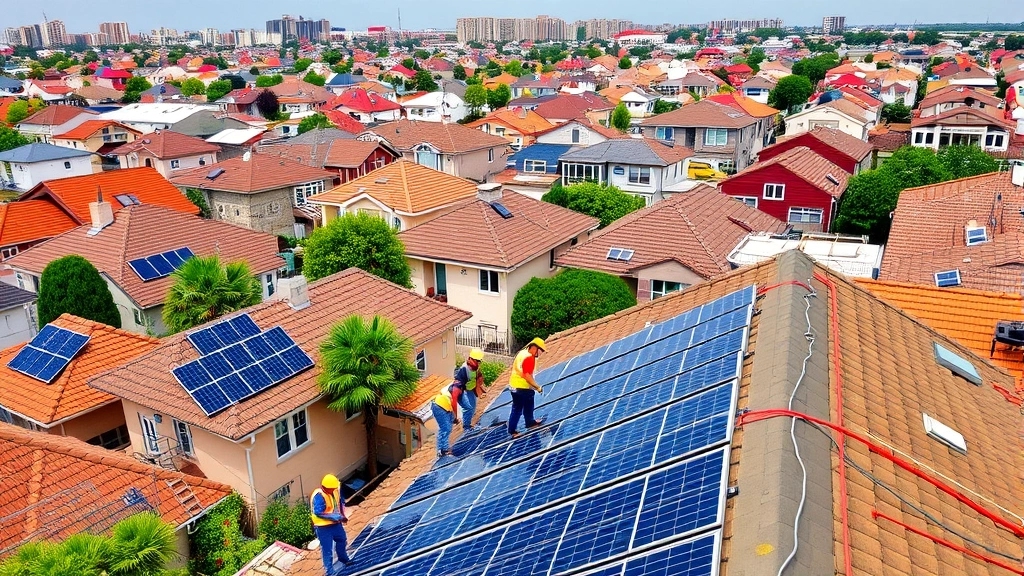
Green policies reshape economic structures through differential sectoral impacts. Energy-intensive industries face higher compliance costs but simultaneously gain access to cheaper renewable electricity as policy-driven deployment reduces clean energy prices. Manufacturing sectors benefit from renewable energy for homes and industrial applications, lowering production costs while improving energy security.
Agriculture undergoes fundamental transformation under environmental policies promoting soil health, water conservation, and biodiversity. Sustainable farming practices initially require higher labor inputs but reduce chemical and water costs while improving yields through enhanced soil fertility. Carbon sequestration in agricultural soils creates additional revenue streams through carbon markets, effectively subsidizing the transition to regenerative agriculture.
Transportation sectors experience profound restructuring as policies mandate vehicle electrification and transit expansion. Automotive manufacturers investing early in electric vehicle development capture market share in the fastest-growing vehicle segment. Public transit expansion generates employment while reducing congestion costs estimated at 2-4% of urban GDP. Electric vehicle adoption eliminates fuel costs, reducing household transportation expenses 40-60% compared to internal combustion vehicles.
The construction and real estate sectors adapt through building efficiency standards and green building practices. While upfront costs increase 5-10%, operational savings through reduced energy and water consumption generate payback periods of 5-8 years. Buildings meeting advanced sustainability standards command rental premiums of 10-15%, creating incentives for development aligned with environmental objectives.
Financial sectors experience realignment as environmental risk assessment becomes central to credit allocation. Banks incorporating climate risk into lending decisions redirect capital toward sustainable enterprises, accelerating economic restructuring. Insurance industries, facing escalating climate-related losses, price environmental risk into premiums, creating market signals that incentivize emissions reduction and climate adaptation.
International Competitiveness and Green Markets
Nations implementing ambitious green policies gain competitive advantages in expanding global markets. The clean energy sector exceeded $2 trillion in 2022, with growth rates 3-5 times faster than fossil fuel industries. Economies positioning themselves as clean technology leaders capture disproportionate market share, creating export opportunities and foreign investment flows.
Environmental standards function as non-tariff trade barriers enabling competitive advantage for compliant producers. European Union sustainability regulations establish standards that global supply chains must meet to access EU markets, effectively exporting environmental practices worldwide. This regulatory approach generates competitive advantages for EU manufacturers while raising global environmental performance standards.
Carbon border adjustment mechanisms—tariffs on carbon-intensive imports—create incentives for global emissions reduction while protecting domestic industries from carbon leakage. These mechanisms, increasingly implemented by major economies, establish competitive advantages for nations with stringent climate policies by ensuring production cost parity regardless of origin. Rather than disadvantaging domestic industries, such policies create level playing fields where environmental performance determines competitiveness.
Developing nations gain particular benefits from green technology deployment. Renewable energy enables electrification without grid infrastructure investment required for centralized fossil fuel systems. Off-grid solar and battery systems provide electricity to 800 million people lacking grid access, enabling economic development while avoiding carbon lock-in. This technological leapfrogging positions developing economies as clean energy leaders, attracting investment and enabling rapid industrialization aligned with climate objectives.
Long-Term Fiscal and Health Benefits
Green policies generate substantial fiscal benefits through reduced healthcare expenditures, avoided climate damages, and enhanced natural capital. Air pollution costs economies $5.11 trillion annually in premature mortality, hospitalization, and lost productivity. Environmental regulations reducing pollution by 50% generate health benefits exceeding $2 trillion annually—funds previously transferred to healthcare systems that can redirect toward education, infrastructure, and economic development.
Water quality improvements from agricultural and industrial pollution controls reduce treatment costs while improving public health. Clean water access eliminates waterborne disease burdens estimated at $260 billion annually in developing nations. Wetland restoration and forest conservation provide water filtration services worth trillions annually, replacing expensive centralized treatment infrastructure.
Climate stabilization through emissions reduction prevents catastrophic costs from sea level rise, agricultural failure, and ecosystem collapse. Economic modeling suggests climate damages could reach 10-20% of global GDP by 2100 under high-emissions scenarios. Mitigation policies reducing this risk by 50% generate net benefits of $5-10 trillion in present value terms—the largest investment opportunity available to modern economies.
Biodiversity conservation enabled by green policies maintains ecosystem services including pollination, pest control, and climate regulation valued at $125 trillion annually. Agricultural productivity depends entirely on pollination services provided by wild insect populations; pesticide regulations protecting pollinators prevent productivity losses that would devastate global food security and farmer incomes.
The definition of environment science increasingly incorporates economic valuation of natural capital, enabling policymakers to quantify ecosystem service benefits. This integration of environmental and economic analysis reveals that preserving natural systems generates returns exceeding exploitation by orders of magnitude. Mangrove conservation provides flood protection, fishery support, and carbon sequestration worth $5,000-$10,000 per hectare annually—far exceeding returns from conversion to aquaculture or urban development.
Long-term fiscal sustainability depends on green policy implementation. Nations failing to address environmental degradation face escalating adaptation costs, healthcare expenditures, and climate damages that overwhelm government budgets. Conversely, nations implementing proactive environmental policies reduce future liabilities while capturing economic opportunities in growing clean technology sectors.
FAQ
Do green policies reduce economic growth?
Comprehensive research demonstrates that well-designed green policies maintain or enhance long-term economic growth. While short-term transition costs exist in specific sectors, co-benefits through health improvements, innovation, and resource efficiency typically exceed compliance costs by 200-400%. Nations implementing ambitious climate policies consistently maintain competitive GDP growth rates compared to less regulated peers. The International Energy Agency projects that clean energy transitions generate 1-2% additional annual GDP growth through efficiency gains and technology deployment.
How do green policies affect employment?
Green policies consistently generate net employment growth. Clean energy sectors employ 12.7 million workers globally with 5-10% annual growth rates. Job creation in renewable energy installation, building efficiency, sustainable agriculture, and environmental restoration exceeds job losses in declining fossil fuel sectors. Green jobs typically offer higher wages and better working conditions than transitioning industries, particularly benefiting workers in communities with existing industrial infrastructure.
What are the costs of inaction on climate policy?
Economic modeling indicates climate inaction costs 10-20% of global GDP by 2100 through sea level rise, agricultural failure, ecosystem collapse, and extreme weather damages. Even accounting for adaptation expenses, mitigation benefits exceed costs by factors of 5-10. Delayed action increases costs exponentially—each decade of delay increases mitigation expenses 20-30% due to reduced transition time and accelerating climate damages.
How do green policies affect different industries?
Green policies create winners and losers across sectors. Energy-intensive industries face higher compliance costs but benefit from cheaper renewable electricity. Clean technology sectors experience rapid growth and profitability. Fossil fuel extraction faces declining demand and investment. Financial sectors gain opportunities in green finance while managing climate risk. Overall, the economy shifts toward higher-value, less-carbon-intensive activities that generate greater employment and innovation.
Can developing nations afford green policies?
Developing nations gain particular benefits from green policies through reduced energy costs, avoided infrastructure investment, and technology leapfrogging. Renewable energy deployment costs 30-50% less than grid expansion for rural electrification. Green policies enable rapid industrialization while avoiding carbon lock-in that traps nations in high-emission development pathways. International climate finance and technology transfer mechanisms support transitions in developing economies, making green development economically optimal.
What role does carbon pricing play in green economies?
Carbon pricing—through taxes or cap-and-trade systems—creates economic incentives for emissions reduction by incorporating environmental costs into market prices. When carbon prices reach $50-100 per ton, renewable energy becomes cheaper than fossil fuels in most applications, driving rapid transitions. Carbon pricing also generates government revenue for climate investment, worker transition support, and green technology research. Most economic analyses identify carbon pricing as the most cost-effective climate policy mechanism.
How do green policies impact international trade?
Green policies reshape trade patterns toward clean technology exports and away from carbon-intensive goods. Nations implementing ambitious climate policies gain competitive advantages in expanding clean energy markets. Carbon border adjustment mechanisms ensure that domestic industries don’t face unfair competition from high-emission imports, effectively globalizing environmental standards. Developing nations gain opportunities in renewable energy manufacturing and deployment, creating export-driven growth aligned with climate objectives.
What evidence supports economic benefits of green policies?
The Nature journal and peer-reviewed environmental economics literature provide extensive evidence of green policy benefits. The Stern Review quantified climate mitigation benefits exceeding costs by 5:1. UNEP assessments confirm that most climate mitigation scenarios generate net positive economic returns. National-level analyses from Denmark, Costa Rica, and other green policy leaders demonstrate maintained economic growth alongside emissions reductions exceeding 50%. Corporate financial data shows that environmental performance correlates with profitability and stock market valuation.


