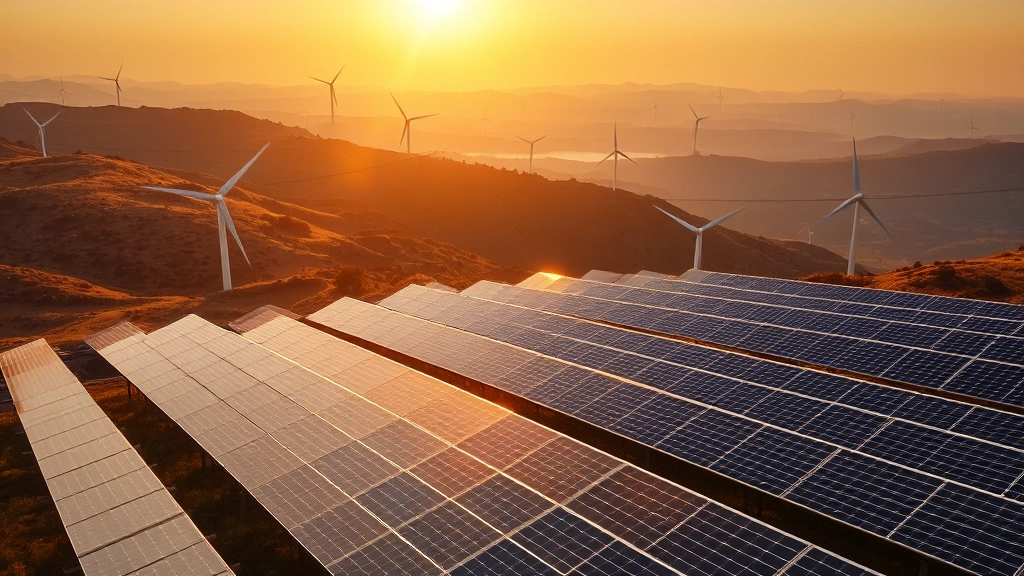
Environ Energy’s Role in Market Growth: A Comprehensive Market Analysis
The global energy sector stands at an inflection point where environmental considerations and market dynamics have become inextricably linked. Recent studies demonstrate that environ energy—encompassing renewable energy sources, energy efficiency technologies, and sustainable power infrastructure—represents one of the fastest-growing market segments globally. The intersection of climate imperatives and economic opportunity has catalyzed unprecedented investment flows, with the renewable energy market projected to reach $2.8 trillion by 2030, according to the International Energy Agency.
This market expansion reflects a fundamental shift in how economies value environmental stewardship alongside financial returns. Organizations worldwide are recognizing that environ energy investments generate dual benefits: measurable environmental impact reduction and robust financial performance. The transition from fossil fuel dependency to renewable energy systems has created a dynamic marketplace where innovation, policy support, and consumer demand converge to drive sustainable growth trajectories.
Understanding how environ energy influences market growth requires examining the interconnections between ecological economics, technological advancement, and global financial systems. This analysis explores the mechanisms through which environmental energy solutions reshape market structures and generate value across multiple economic dimensions.
Market Growth Drivers in Renewable Energy
The renewable energy market experiences exponential growth driven by multiple interconnected factors that extend beyond traditional cost-benefit analyses. Solar photovoltaic installations have declined in price by approximately 89% over the past decade, fundamentally altering competitive dynamics against fossil fuel alternatives. This technological trajectory demonstrates how innovation within environ energy sectors creates self-reinforcing market mechanisms.
Global capacity additions for renewable energy reached record levels, with solar and wind accounting for over 80% of new electricity generation capacity in 2023. These metrics reflect not merely technological preferences but fundamental market restructuring where environmental considerations become primary investment criteria. The definition of environment science increasingly incorporates economic valuation frameworks that quantify ecological benefits as tradeable market assets.
Demand-side drivers amplify these supply-side innovations. Corporate sustainability commitments, consumer preference shifts, and regulatory mandates create persistent market pressure for renewable energy adoption. Approximately 90% of Fortune 500 companies have established renewable energy targets, representing aggregate demand exceeding 500 gigawatts globally. This institutional commitment provides market predictability that attracts long-term capital investment.
The Ecorise Daily Blog documents ongoing market developments where environmental energy solutions address both climate mitigation and energy security concerns. Energy independence considerations, particularly following geopolitical disruptions to fossil fuel supply chains, enhance renewable energy’s strategic value proposition beyond environmental arguments.
Battery storage technologies represent a critical growth frontier. Energy storage capacity additions doubled between 2021 and 2023, with projections suggesting tenfold increases by 2030. Storage solutions resolve intermittency challenges that previously limited renewable energy market penetration, thereby expanding viable applications across grid-scale and distributed energy systems.
Environmental Energy Technologies Reshaping Industries
Environ energy technologies fundamentally restructure competitive dynamics across multiple industrial sectors. Beyond electricity generation, these innovations penetrate heating, cooling, transportation, and manufacturing processes. Heat pump adoption in building systems, for example, has expanded 15% annually, creating entirely new market segments where environmental performance directly correlates with operational cost reduction.
The human-environment interaction now encompasses sophisticated technological systems that optimize resource utilization while minimizing ecological degradation. Smart grid technologies, demand response systems, and integrated energy management platforms create value through enhanced efficiency rather than increased consumption. This paradigm shift from throughput maximization to optimization represents a fundamental market evolution.
Electric vehicle markets exemplify how environ energy technologies disrupt established industries. Global EV sales reached 14 million units in 2023, representing 18% of total vehicle sales and accelerating adoption trajectories. This transition generates secondary market opportunities in charging infrastructure, battery manufacturing, and recycling systems, creating multiplier effects throughout economic systems.
Industrial decarbonization through hydrogen production and carbon capture technologies opens additional market frontiers. Green hydrogen production capacity additions exceeded 1 gigawatt in 2023, with projections reaching 50 gigawatts by 2030. These emerging technologies command premium valuations due to their critical importance for achieving economy-wide decarbonization targets.
Building retrofit markets represent substantial growth opportunities where environ energy improvements enhance asset values. Energy-efficient building upgrades generate 3-4% annual returns through operational cost reduction while simultaneously improving occupant health outcomes and property market valuations. This alignment of financial performance with environmental outcomes attracts institutional capital flows.

Economic Value Creation Through Sustainability
Environ energy markets generate economic value through multiple mechanisms that extend beyond direct energy cost savings. Ecosystem services valuation frameworks quantify benefits that traditional accounting systems historically excluded. Renewable energy installations preserve ecosystem integrity by reducing air pollution, water contamination, and climate destabilization costs.
The World Bank estimates that air pollution costs global economies $8 trillion annually through health impacts, productivity losses, and environmental degradation. Renewable energy adoption directly reduces these externalized costs, creating measurable economic benefits that accrue to society broadly. When environmental energy systems are properly valued, their economic returns substantially exceed fossil fuel alternatives across comprehensive cost-benefit analyses.
Job creation represents a significant economic multiplier effect. Renewable energy sectors employ 12.7 million workers globally, with employment growth rates exceeding 5% annually. These positions typically offer higher wages than fossil fuel employment and concentrate in local communities, generating regional economic development benefits. The how to reduce carbon footprint initiatives frequently incorporate workforce development components that strengthen local economic resilience.
Supply chain development for environ energy technologies generates substantial economic activity. Manufacturing, installation, maintenance, and decommissioning services create diversified economic opportunities. Countries establishing renewable energy manufacturing capacity experience technology spillovers, skills development, and innovation ecosystem strengthening that enhances broader economic competitiveness.
Risk mitigation constitutes another critical economic value dimension. Environ energy investments reduce exposure to fossil fuel price volatility, currency fluctuations associated with energy imports, and stranded asset risks. Energy security improvements enhance macroeconomic stability, reducing sovereign risk premiums and facilitating more favorable financing terms for capital investment.
Health co-benefits from air quality improvements generate substantial economic value. Research from UNEP demonstrates that renewable energy deployment prevents respiratory diseases, cardiovascular conditions, and premature mortality at scales generating $1.3 trillion in annual health benefits globally. These health improvements enhance labor productivity, reduce healthcare expenditures, and strengthen human capital accumulation.
Investment Trends and Capital Allocation
Global investment in environ energy exceeded $1.8 trillion in 2023, representing 10% of total capital investment flows. This allocation reflects fundamental reorientation of investor preferences toward environmental, social, and governance (ESG) criteria. Asset managers controlling $130 trillion in assets have committed to climate-aligned investment strategies, creating sustained capital demand for renewable energy and efficiency projects.
Institutional investors increasingly view environ energy as essential portfolio components rather than alternative investments. Pension funds, insurance companies, and sovereign wealth funds allocate substantial capital to renewable energy infrastructure, recognizing its inflation-hedging characteristics, stable cash flow profiles, and alignment with long-term liability structures. These capital flows have reduced renewable energy financing costs by 30-40% over five years.
Venture capital investment in climate technology reached $60 billion annually, supporting innovation in emerging technologies including advanced battery systems, green hydrogen, carbon removal, and smart grid solutions. This venture activity accelerates technological maturation curves, reducing deployment timelines and cost trajectories for next-generation environ energy solutions.
Green bonds have emerged as major financing mechanisms, with issuance exceeding $500 billion annually. These instruments enable capital mobilization specifically designated for environmental energy projects, creating transparent accountability mechanisms and facilitating investor engagement with sustainability objectives. The standardization of green bond frameworks enhances market liquidity and reduces financing costs.
Development finance institutions have substantially increased environ energy lending, recognizing renewable energy’s critical importance for achieving sustainable development goals. World Bank renewable energy financing exceeded $15 billion annually, supporting deployment in emerging markets where capital constraints previously limited renewable energy adoption.
Policy Frameworks Accelerating Market Expansion
Policy mechanisms fundamentally shape environ energy market dynamics through regulatory mandates, financial incentives, and investment frameworks. Renewable portfolio standards requiring utilities to source increasing electricity percentages from renewable sources create sustained demand that attracts long-term capital investment. Over 30 countries have implemented 100% renewable electricity targets for specific timeframes, establishing clear market growth trajectories.
Carbon pricing mechanisms—including emissions trading systems and carbon taxes—enhance environ energy competitiveness by internalizing fossil fuel externality costs. The EU Emissions Trading System covers 40% of European emissions, creating €50+ billion annual revenue streams that fund clean energy transitions. These policy mechanisms align financial incentives with environmental objectives, accelerating market-driven decarbonization.
Feed-in tariffs and power purchase agreements provide revenue certainty that enables long-term renewable energy project financing. Germany’s feed-in tariff mechanism, for example, catalyzed renewable energy capacity additions exceeding 150 gigawatts while maintaining electricity system reliability. These policy innovations demonstrate how regulatory frameworks enable large-scale environ energy deployment without compromising economic efficiency.
Tax incentives including investment tax credits and production tax credits reduce renewable energy project costs by 20-30%, improving project economics and accelerating deployment timelines. The U.S. Inflation Reduction Act allocated $369 billion toward clean energy investments, representing the largest climate policy commitment globally and signaling sustained policy support for environ energy markets.
Building energy codes and appliance efficiency standards create regulatory demand for environ energy technologies. Approximately 50% of building energy consumption reductions achieved globally reflect efficiency standards implementation. These regulatory mechanisms generate sustained market demand for efficient heating systems, alternatives to natural gas, and smart building management systems.
Ecosystem Services and Economic Valuation
Environ energy systems generate ecosystem services that traditional market mechanisms historically undervalued. Renewable energy infrastructure preserves ecosystem integrity by reducing greenhouse gas emissions, preventing biodiversity loss, and maintaining hydrological cycles. Ecological economics frameworks quantify these services as tradeable economic assets, enabling market-based conservation mechanisms.
Water resource preservation represents a critical ecosystem service where environ energy demonstrates substantial advantages. Renewable energy systems consume negligible water compared to thermal power generation, which accounts for 80% of industrial water withdrawals globally. In water-stressed regions, renewable energy deployment generates $2-5 billion annually in water preservation benefits through reduced extraction demands.
Carbon sequestration services from avoided fossil fuel combustion represent the largest environ energy ecosystem benefit. Global renewable energy deployment prevents approximately 2 gigatons annual CO2 emissions, generating climate stabilization benefits valued at $200+ billion annually using social cost of carbon frameworks. These ecosystem services create economic value that justifies substantial environ energy investment.
Biodiversity preservation through habitat protection represents another significant ecosystem service. Renewable energy development, when properly sited, minimizes habitat disruption compared to fossil fuel extraction. Life cycle assessments demonstrate that renewable energy systems generate 99% lower biodiversity impact compared to coal mining and oil extraction operations.
Soil quality preservation benefits from renewable energy deployment reflect reduced agricultural chemical runoff and atmospheric deposition. Renewable energy transitions eliminate sulfur dioxide and nitrogen oxide emissions that contribute to soil acidification and nutrient depletion. These soil quality improvements generate $50-100 billion annually in agricultural productivity benefits.
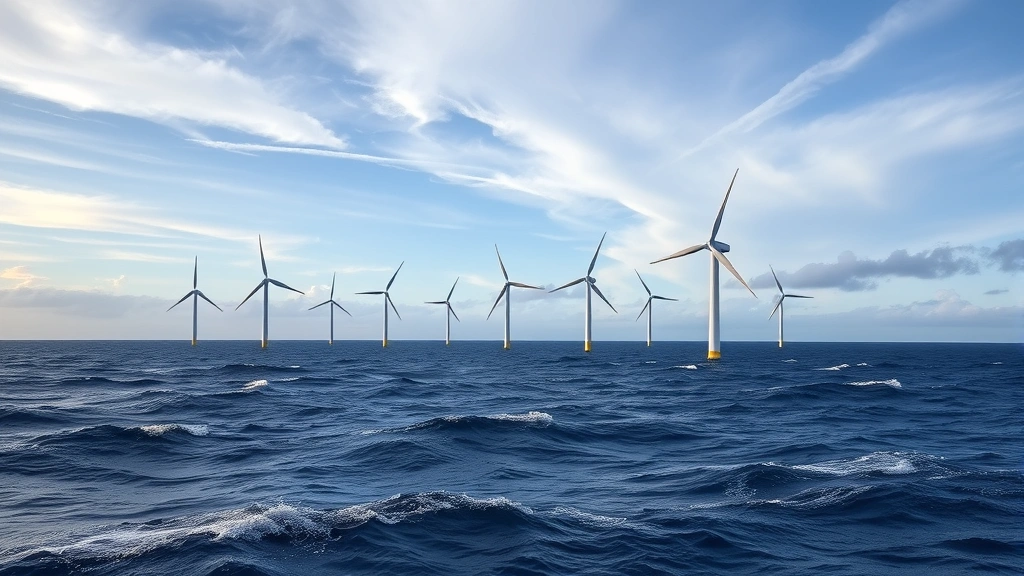
The International Society for Ecological Economics has developed comprehensive frameworks for quantifying ecosystem service values, enabling integration of environmental benefits into financial decision-making processes. This methodological advancement facilitates identification of environ energy opportunities where ecological and economic objectives align, attracting diverse investor categories.
Sustainable fashion brands and circular economy initiatives demonstrate how environ energy principles extend beyond electricity systems into material production and consumption patterns. The sustainable fashion brands comprehensive guide illustrates how lifecycle environmental considerations increasingly influence market valuations across industrial sectors.
FAQ
What defines environ energy in contemporary market contexts?
Environ energy encompasses renewable electricity generation, energy efficiency technologies, energy storage systems, and sustainable energy infrastructure that minimize environmental degradation while meeting energy service demands. This definition includes solar, wind, hydroelectric, geothermal, and biomass systems, along with demand-side efficiency improvements and grid modernization technologies.
How significantly does environ energy contribute to global market growth?
Renewable energy markets grow 12-15% annually, substantially exceeding fossil fuel energy growth rates of 1-2%. Environ energy sectors attract $1.8+ trillion annual investment, representing the fastest-growing major industrial segments globally. These growth rates reflect both policy support and fundamental economic competitiveness improvements.
What mechanisms enable environ energy market expansion?
Market expansion reflects technological innovation reducing costs, policy frameworks creating sustained demand, investment capital flows responding to financial performance, and consumer preference shifts toward sustainable products. These mechanisms reinforce each other, creating self-accelerating market dynamics.
How do ecosystem services valuations influence environ energy investment?
Ecosystem service quantification enables financial valuation of environmental benefits including air quality improvements, water preservation, and climate stabilization. When properly valued, these services substantially increase environ energy investment returns, attracting capital from investors prioritizing comprehensive risk-adjusted returns.
What role do policy frameworks play in environ energy market development?
Policy mechanisms including renewable portfolio standards, carbon pricing, tax incentives, and efficiency mandates create regulatory demand and financial incentives that accelerate environ energy deployment. These frameworks reduce investment uncertainty and enable long-term capital planning essential for major infrastructure investments.
How does environ energy deployment impact employment and economic development?
Renewable energy sectors employ 12.7+ million workers globally with 5% annual employment growth. These positions concentrate in local communities, generating regional economic development benefits. Supply chain development for environ energy technologies creates manufacturing, installation, and service sector opportunities that strengthen economic resilience.


