Built Environment’s Role in Economy: A Deep Dive
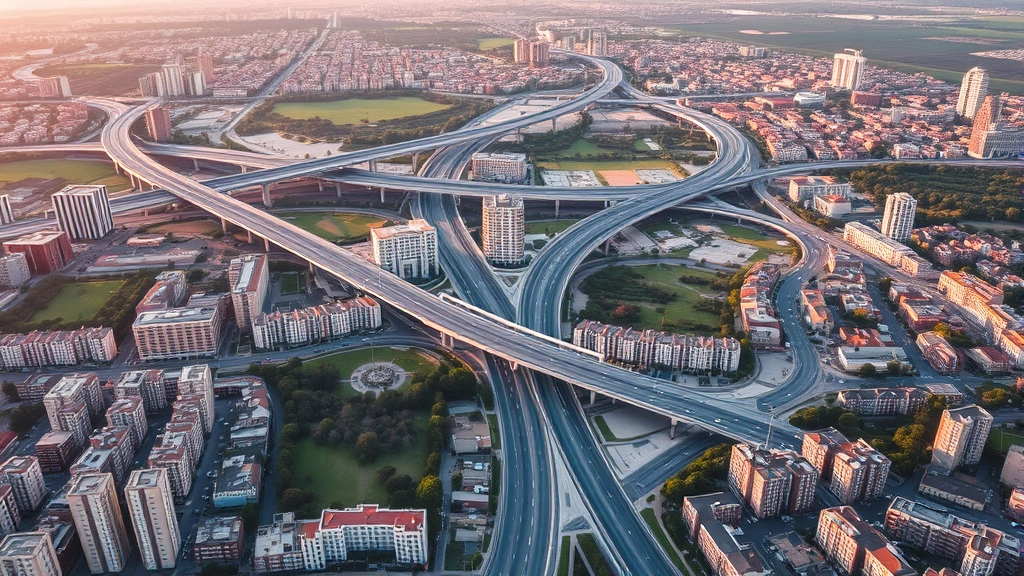
The built environment represents the physical infrastructure, buildings, and urban spaces that humans construct and inhabit daily. This encompasses residential neighborhoods, commercial districts, transportation networks, industrial facilities, and public spaces that collectively form the backbone of modern economic systems. Understanding the built environment meaning extends beyond mere architecture; it involves recognizing how these physical structures generate economic value, influence productivity, shape consumer behavior, and determine resource consumption patterns across entire economies.
The relationship between the built environment and economic performance has become increasingly critical as urbanization accelerates globally. Approximately 55% of the world’s population now lives in urban areas, with projections suggesting this will reach 68% by 2050. This urban concentration directly correlates with economic activity, as cities generate roughly 80% of global GDP despite occupying less than 3% of land area. The built environment serves as the tangible manifestation of economic systems, reflecting investment decisions, technological capabilities, and societal priorities while simultaneously influencing future economic trajectories through path dependency and infrastructure lock-in effects.
Defining the Built Environment and Economic Fundamentals
The built environment encompasses all human-made physical structures and spaces created to support economic, social, and cultural activities. This includes office buildings, residential housing, retail centers, manufacturing facilities, transportation infrastructure, utilities networks, and public amenities. Each component represents accumulated capital investment and embodies technological knowledge, labor inputs, and resource flows. The distinction between natural and built environments becomes economically significant because the built environment represents intentional human intervention in natural systems, creating both economic opportunities and environmental liabilities.
From an economic perspective, the built environment functions as a stock of fixed capital assets. Unlike financial capital that can be rapidly reallocated, built environment assets are geographically immobile and durable, often persisting for 50-100 years or longer. This durability creates path dependency, where current built environment configurations constrain future economic possibilities. A city’s street network, for instance, established 200 years ago, still determines traffic patterns, commercial viability, and real estate values today. Understanding human environment interaction within economic contexts reveals how physical structures mediate between human activity and natural systems, creating feedback loops that influence both ecological and economic outcomes.
The economic value generated by the built environment operates through multiple channels. First, it provides essential services—shelter, workspace, transportation capacity—that enable productive economic activity. Second, it concentrates economic activity in specific locations, creating agglomeration economies where proximity reduces transaction costs and facilitates knowledge spillovers. Third, it represents a significant store of wealth, with global real estate valued at approximately $280 trillion, exceeding global GDP by a factor of 3.5. This wealth concentration in built assets influences macroeconomic stability, financial system vulnerability, and wealth inequality patterns.
Capital Formation and Investment Dynamics
The built environment embodies approximately 40-50% of total global capital stock, making it the largest category of reproducible fixed assets in most economies. Construction and real estate sectors directly employ over 300 million workers globally and account for roughly 6-7% of global GDP. This massive capital intensity means that built environment investment decisions profoundly influence macroeconomic cycles, employment patterns, and resource allocation across entire economies.
Investment in built environment assets exhibits distinct characteristics compared to other capital categories. Construction projects typically involve long planning horizons (2-5 years), extended implementation periods (3-10 years), and high upfront capital requirements. These characteristics create lumpy investment patterns with significant sectoral and regional volatility. During economic expansions, construction investment accelerates rapidly, generating employment multiplier effects as construction workers, material suppliers, and equipment manufacturers expand operations. Conversely, during contractions, the built environment sector experiences disproportionate employment losses because projects can be postponed or cancelled entirely.
The financing mechanisms for built environment development reveal deeper economic relationships. Real estate typically represents 50-60% of total collateral backing financial system credit, making built environment values critical to financial stability. When property values decline sharply, as occurred during the 2008 financial crisis, collateral values evaporate, triggering credit contractions that propagate through entire economies. Conversely, appreciating property values enable wealth extraction through refinancing, supporting consumption and investment spending. This financial linkage between built environment values and credit availability creates procyclical dynamics where property booms fuel economic expansions until leverage becomes unsustainable.
Understanding environment and natural resources trust fund renewal mechanisms provides insight into alternative financing approaches for built environment development that incorporate ecological considerations. Traditional development finance prioritizes immediate returns, often externalizing environmental costs. Trust fund mechanisms can align financial incentives with long-term environmental stewardship, enabling built environment investments that generate sustained economic and ecological value.
Labor Markets and Productivity Enhancement
The built environment fundamentally shapes labor market dynamics by determining where workers can efficiently access employment opportunities. Urban agglomeration in well-developed built environments creates what economists term “thick labor markets,” where abundant employers and workers with diverse skills can readily find mutually beneficial matches. This matching efficiency generates substantial productivity premiums—workers in major metropolitan areas earn 20-30% higher wages than observationally equivalent workers in less developed regions, even after controlling for cost-of-living differences.
These wage premiums reflect genuine productivity advantages rather than mere compensation adjustments. When workers locate near many potential employers, they can specialize more extensively, developing deep expertise in narrow domains. Employers benefit from access to specialized labor pools, reducing hiring and training costs. Knowledge spillovers accelerate when skilled workers from multiple organizations interact informally, combining insights and generating innovations. Silicon Valley’s technology cluster exemplifies these dynamics—the concentrated built environment of office parks, housing, and transportation infrastructure enabled the digital revolution by facilitating the dense interaction of entrepreneurs, engineers, and investors.
However, the productivity benefits of dense built environments come with escalating costs. As metropolitan areas expand, congestion increases, housing prices rise, and environmental degradation accelerates. These negative externalities eventually offset productivity gains, creating optimal city sizes beyond which further agglomeration generates net economic losses. Many major cities now experience congestion costs exceeding $100 billion annually and housing affordability crises that restrict labor mobility and reduce productivity matching efficiency.
The built environment also influences productivity through occupational health and safety outcomes. Well-designed workspaces with adequate lighting, ventilation, temperature control, and ergonomic features enhance worker productivity by 10-25% compared to poorly designed environments. Commercial real estate increasingly incorporates these productivity-enhancing features because the productivity gains far exceed the investment costs. This economic logic extends to residential environments—housing quality significantly influences health outcomes, educational attainment, and long-term earnings trajectories, creating intergenerational economic consequences that persist for decades.
Real Estate as Economic Engine
Real estate represents the single largest asset category for most households and institutions, making property markets central to wealth distribution and macroeconomic dynamics. In developed economies, residential property comprises 30-50% of household wealth, while commercial property dominates institutional investment portfolios. These wealth concentrations mean that real estate price movements create substantial redistribution effects, shifting wealth from renters to property owners and from young cohorts accumulating assets to older cohorts monetizing accumulated property wealth.
The real estate sector generates economic value through multiple mechanisms beyond simple asset appreciation. Property development requires coordination across numerous specialists—architects, engineers, contractors, material suppliers, financial intermediaries, and legal professionals. This coordination intensity creates substantial employment and value-added activity. A typical commercial development project generating $100 million in property value might employ 500-1000 workers across multiple organizations and generate $30-50 million in intermediate consumption of materials and services. These multiplier effects mean that real estate investment exerts powerful stimulative effects on surrounding economic activity.
Real estate markets also function as price discovery mechanisms for location values, revealing how economic actors value proximity to employment, amenities, transportation, and natural features. Property prices capitalize information about neighborhood quality, school performance, crime rates, environmental conditions, and infrastructure accessibility into single market prices. This price information guides investment allocation, guiding capital toward economically productive locations and away from declining areas. However, real estate markets also exhibit speculative dynamics where prices decouple from fundamental values, creating bubbles that misallocate capital and ultimately generate economic losses.
The Ecorise Daily blog frequently explores how real estate development interacts with environmental systems, revealing tensions between short-term profit maximization and long-term ecological sustainability. When real estate markets fail to price environmental externalities—such as wetland destruction, air pollution, or carbon emissions—development proceeds inefficiently from a social welfare perspective. Correcting these market failures requires policy interventions that incorporate environmental costs into real estate pricing.
Infrastructure and Circular Economy Integration
Infrastructure represents the foundational layer of the built environment, encompassing transportation networks, energy systems, water and sanitation facilities, and telecommunications infrastructure. These systems enable economic activity by reducing transaction costs, facilitating trade, and providing essential services. The economic returns to infrastructure investment are substantial—well-documented studies show that a 1% increase in infrastructure stock generates 0.1-0.2% increases in productivity, creating long-term economic growth dividends that exceed initial investment costs by factors of 3-5.
Transportation infrastructure particularly influences economic geography by determining which locations can efficiently participate in economic networks. The development of railroads in the 19th century and highway systems in the 20th century fundamentally reshaped economic geography, enabling the concentration of economic activity in metropolitan areas while facilitating the extraction of resources from peripheral regions. Modern transportation infrastructure—ports, airports, highways, railways—continues to shape comparative advantage, determining which regions can competitively export goods and attract investment.
Integrating circular economy principles into infrastructure and built environment development represents an emerging frontier in ecological economics. Traditional linear infrastructure extracts resources, processes them into built environment components, and eventually discards them as waste. Circular approaches retain material value through reuse, remanufacturing, and recycling, reducing virgin resource extraction and waste generation. Implementing circular infrastructure requires redesigning built environment systems to facilitate material recovery—designing buildings for disassembly, establishing reverse logistics networks, and creating secondary material markets.
These circular approaches generate economic benefits beyond environmental preservation. Secondary material markets reduce production costs by 20-40% compared to virgin material processing, while creating employment in collection, sorting, remanufacturing, and distribution activities. Circular infrastructure also enhances economic resilience by reducing dependence on global supply chains for virgin materials. During the COVID-19 pandemic, regions with robust secondary material industries experienced less severe supply chain disruptions than regions dependent on virgin material extraction and long-distance transport.
The reduction of carbon footprint through built environment modifications represents a critical economic opportunity. Buildings account for approximately 30% of global energy-related carbon emissions, primarily through operational energy consumption for heating, cooling, and lighting. Retrofitting existing buildings with insulation, efficient HVAC systems, and renewable energy integration can reduce operational emissions by 50-80% while generating positive financial returns through energy cost savings. These retrofits typically generate internal rates of return exceeding 15%, making them economically attractive even before accounting for climate damage avoided.
Environmental Costs and Economic Externalities
The built environment generates substantial negative externalities—costs imposed on society that market prices fail to capture. These externalities include air and water pollution from construction and building operations, habitat destruction from development, greenhouse gas emissions, resource depletion, and waste generation. Quantifying these externalities reveals that they represent 10-20% of the economic value generated by built environment sectors, meaning that true net economic contribution falls far below conventional GDP accounting.
Air pollution from building-related activities generates health costs exceeding $100 billion annually in developed economies alone. Construction dust, diesel emissions from equipment and vehicles, and operational emissions from building HVAC systems combine to create persistent air quality degradation in urban areas. These health impacts disproportionately affect low-income communities adjacent to major construction projects and industrial facilities, creating environmental justice concerns alongside economic inefficiency.
Water pollution represents another significant externality. Construction activities generate sediment runoff that degrades aquatic ecosystems, while building operations consume vast quantities of water and generate contaminated wastewater. In water-scarce regions, built environment water consumption competes directly with agricultural and ecosystem needs, creating hidden subsidies where water prices fail to reflect scarcity values. Some Middle Eastern and South Asian cities face existential water stress because built environment expansion has exhausted local aquifers and diverted river flows.
Habitat destruction from built environment expansion represents perhaps the most consequential environmental externality. Approximately 75% of terrestrial habitat loss stems directly from human settlement and agricultural expansion driven by built environment development. This habitat loss eliminates ecosystem services—pollination, water purification, climate regulation, nutrient cycling—worth trillions of dollars annually. Economic analysis using World Bank environmental economics frameworks demonstrates that ecosystem service values frequently exceed the economic gains from the development that destroys them, indicating massive misallocation of resources.
Greenhouse gas emissions from built environment sectors represent the most economically consequential externality given climate change impacts. Buildings and construction account for approximately 40% of global carbon emissions when including embodied carbon in materials and operational emissions. Climate damages from these emissions—agricultural losses, infrastructure damage, health impacts, mass migration—will eventually exceed $1 trillion annually if emissions trajectories remain unchanged. This creates a fundamental economic argument for rapid decarbonization of built environment sectors, as avoided climate damages far exceed transition costs.
Sustainable Built Environment Economics
Sustainable built environment development represents an emerging economic paradigm that internalizes environmental externalities into investment decisions and operational practices. This approach recognizes that long-term economic prosperity depends on maintaining ecosystem integrity and resource availability, requiring built environment development that generates positive environmental outcomes rather than merely minimizing harm.
Green building certification systems—LEED, Passivhaus, Living Building Challenge—provide market mechanisms for valuing environmental performance. Buildings certified under these standards command 3-5% higher rental rates and 5-10% higher sale prices than conventional comparables, indicating that market participants recognize the economic value of environmental performance. This price premium reflects operational cost savings from energy efficiency, health benefits from superior indoor environmental quality, and reduced climate risk exposure.
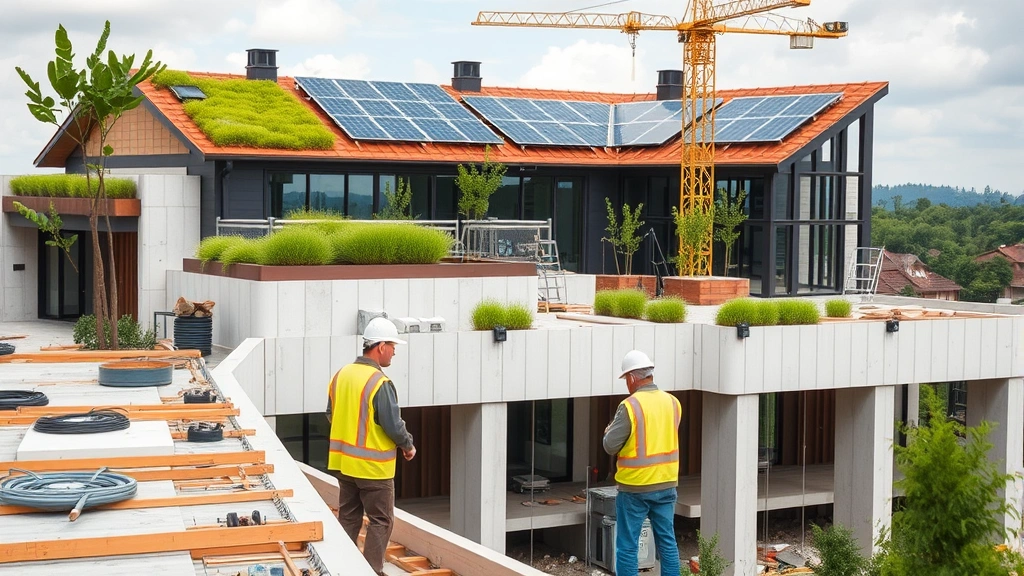
The integration of renewable energy in residential and commercial buildings exemplifies how sustainability requirements generate economic opportunities. Solar photovoltaic installation costs have declined 90% over the past decade, while battery storage costs have fallen 85%, enabling rooftop solar to achieve grid parity in most markets. Buildings combining solar generation with battery storage and smart energy management systems reduce grid electricity consumption by 50-80%, cutting energy costs while enhancing grid resilience and reducing carbon emissions.
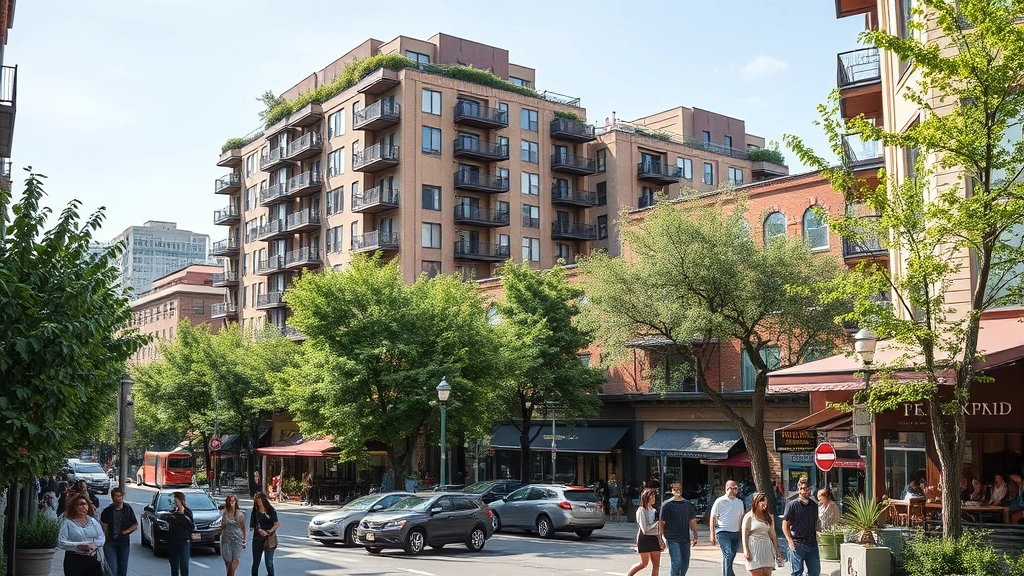
Sustainable urban design principles—compact mixed-use development, walkable neighborhoods, robust public transit—generate economic benefits alongside environmental improvements. These design approaches reduce transportation costs for residents by 40-60% compared to sprawling automobile-dependent development, while reducing per-capita infrastructure costs by 30-50%. Walkable neighborhoods also generate higher commercial activity density, supporting more retail establishments, restaurants, and service businesses per capita than automobile-dependent areas. These economic advantages increasingly drive private investment toward sustainable urban development despite higher per-unit development costs.
Nature-based solutions integrated into built environments provide ecosystem services while generating economic value. Green roofs reduce stormwater runoff by 40-80%, lowering municipal stormwater treatment costs while reducing urban flooding risk. Urban forests provide air quality improvements, temperature moderation, and aesthetic amenities valued by residents and workers, enhancing property values by 5-15%. Wetland restoration provides flood mitigation, water purification, and habitat services worth $10,000-15,000 per hectare annually, far exceeding the restoration investment costs over 10-20 year periods.
Economic analysis demonstrates that sustainable built environment development generates positive net present value when comprehensive cost accounting incorporates environmental and health benefits. UNEP research on sustainable infrastructure shows that sustainable approaches typically require 5-15% higher initial capital investment but generate 20-40% higher total returns over 30-year evaluation periods when environmental externalities are valued. This economic case for sustainability strengthens as environmental damage costs escalate and renewable energy costs continue declining.
Future Trajectories and Policy Implications
The built environment will undergo unprecedented transformation over the coming decades driven by climate imperatives, technological innovation, demographic shifts, and resource constraints. Decarbonizing built environment sectors requires rapid transitions in energy systems, material sourcing, construction methods, and urban form. This transition presents both economic challenges and opportunities, with winners and losers distributed unevenly across regions, sectors, and demographic groups.
Technological innovation will reshape built environment economics substantially. Modular construction, 3D printing, and prefabrication can reduce construction costs by 20-40% while improving quality and reducing environmental impacts. Artificial intelligence and sensors enable smart building management systems that optimize energy consumption, water usage, and occupant comfort in real-time. Biotechnology enables development of engineered materials with superior environmental performance—mycelium-based alternatives to plastic and foam, algae-based carbon-neutral concrete, lab-grown leather for furnishings.
Demographic transitions create pressure for built environment transformation. Aging populations in developed regions require accessible, age-friendly housing and healthcare facilities, while rapid urbanization in developing regions demands massive new housing and infrastructure investment. Climate migration will displace hundreds of millions of people from uninhabitable regions, requiring construction of new settlements and adaptation of existing urban areas to accommodate climate refugees. These demographic pressures present opportunities for sustainable development if policy frameworks enable it, or crises if development proceeds along conventional unsustainable pathways.
Policy frameworks must evolve to align built environment incentives with ecological sustainability. Carbon pricing mechanisms that incorporate true climate costs into energy and material prices will drive rapid transition toward low-carbon alternatives. Circular economy policies requiring extended producer responsibility and material recovery targets will reshape construction material markets. Land value taxation that captures publicly-generated location values can fund sustainable infrastructure while reducing speculative real estate dynamics. Zoning reforms enabling diverse housing types and mixed-use development can reduce sprawl and transportation costs.
Understanding sustainable consumption patterns extends to built environment sectors, where consumer preferences increasingly favor sustainable development. Younger demographics prioritize walkability, transit access, and environmental quality over car-dependent suburban development, reshaping real estate markets toward urban and transit-oriented development. This consumer preference shift creates economic incentives for developers to incorporate sustainability features, accelerating transition dynamics.
International development finance institutions must reorient toward sustainable built environment development in emerging economies. The World Bank, Asian Development Bank, and African Development Bank collectively finance trillions of dollars in infrastructure and urban development in low and middle-income countries. Redirecting this finance toward sustainable approaches—renewable energy infrastructure, public transit systems, climate-resilient building standards—can establish sustainable development pathways that avoid locking in fossil fuel dependence and unsustainable resource consumption. Research from ecological economics journals demonstrates that sustainable infrastructure investment generates superior long-term economic returns while avoiding climate and ecological catastrophe, providing clear economic rationale for reorienting development finance.
FAQ
What exactly does built environment meaning encompass in economic analysis?
Built environment meaning in economic contexts refers to all human-constructed physical infrastructure and structures—buildings, roads, utilities, public spaces—that facilitate economic activity. Economically, it represents the largest category of reproducible fixed capital assets globally, accounting for 40-50% of total capital stock and generating approximately 6-7% of global GDP through construction, real estate, and facility operations.
How does the built environment influence labor productivity and wages?
The built environment determines labor market efficiency by concentrating workers and employers in dense urban areas where matching between workers and jobs improves significantly. Metropolitan areas with well-developed built environments enable workers to earn 20-30% wage premiums through access to diverse employment opportunities, knowledge spillovers, and specialized labor markets. However, extreme density eventually generates congestion costs that offset these productivity advantages.
Why is real estate such an important economic asset?
Real estate represents 30-50% of household wealth in developed economies and dominates institutional investment portfolios, making property markets central to wealth distribution and financial stability. Real estate serves as collateral backing 50-60% of financial system credit, meaning property value fluctuations directly influence credit availability and macroeconomic cycles. Additionally, real estate development generates substantial employment and value-added activity through construction, professional services, and supply chain activities.
What are the primary environmental externalities from built environment development?
Major externalities include air and water pollution from construction and operations, habitat destruction eliminating ecosystem services, greenhouse gas emissions contributing to climate change, and resource depletion from material extraction. These externalities represent 10-20% of built environment sector economic value, indicating that conventional GDP accounting substantially overstates net economic contribution by ignoring environmental costs.
Can sustainable built environment development generate positive economic returns?
Yes, comprehensive economic analysis demonstrates that sustainable development typically requires 5-15% higher initial capital investment but generates 20-40% higher total returns over 30-year periods when environmental benefits are valued. Green buildings command 3-10% price premiums through reduced operating costs and health benefits, while sustainable urban design reduces transportation and infrastructure costs by 30-50% compared to sprawling development patterns.


